

















Oil Coolers and Their Role in Engine Temperature Control
Oil coolers are an essential part of modern high-performance engine systems, designed to regulate engine oil temperature during demanding driving conditions. Engine oil performs several critical functions including lubrication, heat absorption, and protection of internal engine components. When engines operate under heavy load, especially in turbocharged or high-output configurations, oil temperatures can rise rapidly. Oil coolers help maintain stable operating temperatures by transferring excess heat away from the oil before it circulates back through the engine.
Maintaining controlled oil temperature is crucial for both performance and durability. When oil becomes excessively hot, its viscosity decreases and lubrication efficiency is reduced. Automotive oil coolers allow the oil to retain its protective properties, ensuring consistent lubrication of bearings, pistons, camshafts, and turbocharger components. In performance vehicles, proper oil cooling supports reliable operation under aggressive acceleration, sustained high RPM, and extended high-speed driving.
How Oil Coolers Improve Engine Efficiency
Engine oil absorbs heat from many internal engine components as it circulates through the lubrication system. Without adequate cooling capacity, oil temperatures can rise beyond optimal levels, particularly in turbocharged engines or vehicles tuned for increased power output. Oil coolers reduce this heat load by routing oil through a heat exchanger where airflow or coolant circulation dissipates the excess thermal energy.
By lowering oil temperature, engine oil coolers help maintain stable oil viscosity and consistent lubrication performance. This improves mechanical efficiency and protects engine internals from excessive friction or wear. In performance applications, the ability to maintain stable oil temperatures allows engines to operate safely at higher loads for longer periods of time.
Oil coolers also help stabilize engine operating conditions when vehicles are exposed to prolonged stress, such as spirited driving, high-speed highway use, or track sessions. By preventing oil temperature spikes, these systems contribute to overall engine reliability and long-term performance consistency.
Types of Oil Coolers Used in Performance Vehicles
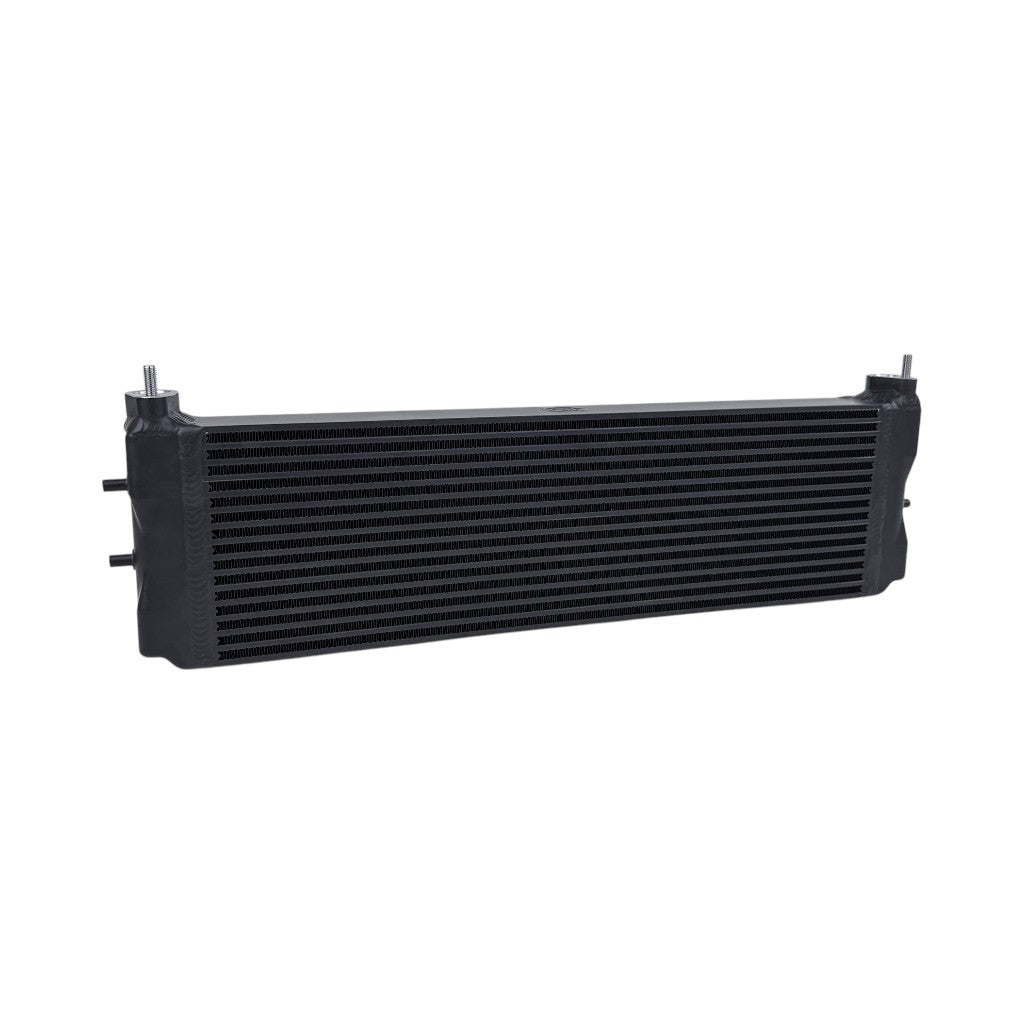
Automotive oil coolers are available in several configurations depending on vehicle design and cooling requirements. Air-to-oil coolers are among the most common solutions in performance applications. These units operate by directing engine oil through a compact radiator-style core where airflow removes heat from the circulating oil.
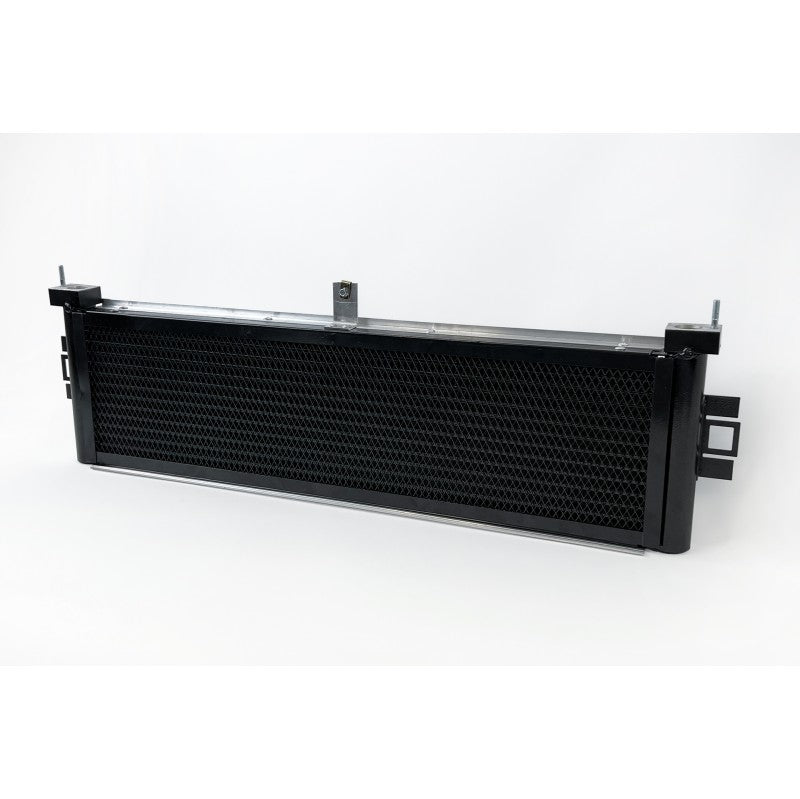
Another configuration includes liquid-to-oil heat exchangers, where engine coolant helps regulate oil temperature. These systems are commonly used in factory setups because they allow oil to warm up quickly while still providing temperature control under load. However, performance vehicles often benefit from larger standalone air-to-oil oil coolers that provide greater cooling capacity.
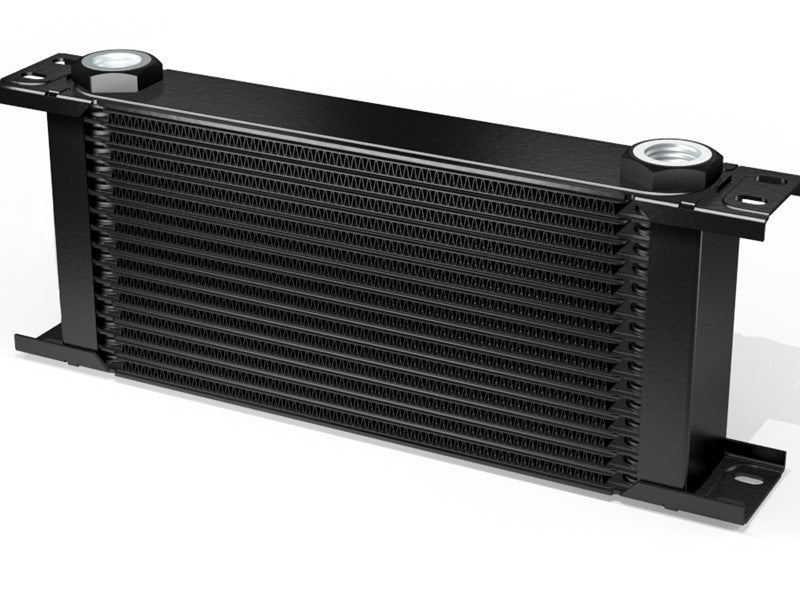
High performance oil coolers used in motorsport builds typically feature larger cores, improved internal flow channels, and optimized fin structures. These design features increase the cooling surface area and allow the system to manage greater thermal loads produced by high-output engines.
Performance Benefits of Upgraded Oil Cooling Systems
Installing performance oil coolers offers several advantages for vehicles operating under demanding conditions. By maintaining optimal oil temperatures, these cooling systems help engines sustain stable performance even during extended periods of high load. Performance oil coolers are especially valuable for turbocharged engines where oil also plays a role in cooling the turbocharger bearings.
Improved oil temperature management also contributes to better engine durability. Cooler oil maintains proper viscosity and reduces the likelihood of thermal breakdown, which helps extend the lifespan of critical engine components. This becomes particularly important for engines producing increased horsepower through performance modifications.
- Improved oil temperature stability during high-load driving
- More consistent lubrication and reduced engine wear
- Enhanced reliability for turbocharged engines
- Better thermal management during track sessions
Materials, Construction, and Heat Management
High performance oil coolers are engineered using materials that combine strength, corrosion resistance, and excellent thermal conductivity. Aluminum is commonly used for cooler cores due to its ability to efficiently transfer heat while maintaining low weight. Precision manufacturing ensures consistent internal flow and optimal heat dissipation across the cooler surface.
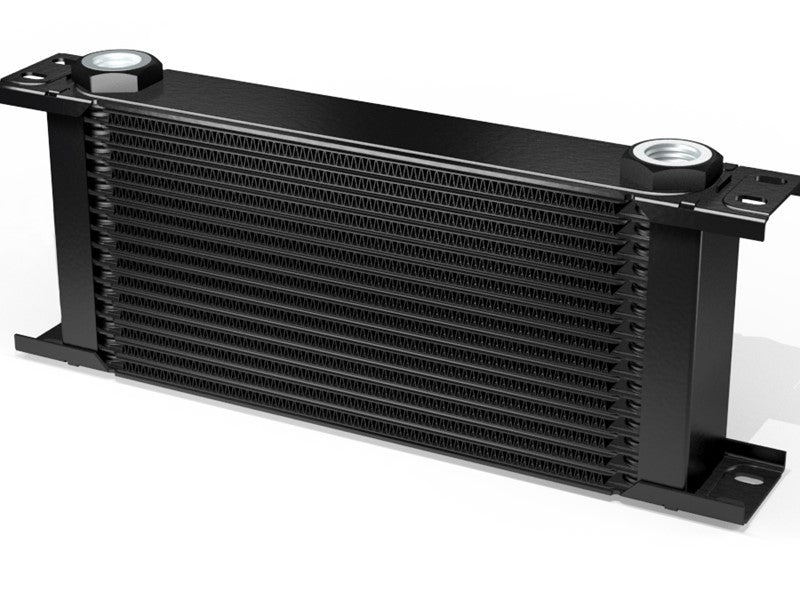
Advanced cooler designs often incorporate bar-and-plate core construction, which provides increased durability and higher heat capacity compared with lighter tube-and-fin designs. Bar-and-plate oil coolers are commonly used in motorsport environments because they can withstand higher oil pressures and elevated temperatures generated during aggressive driving.
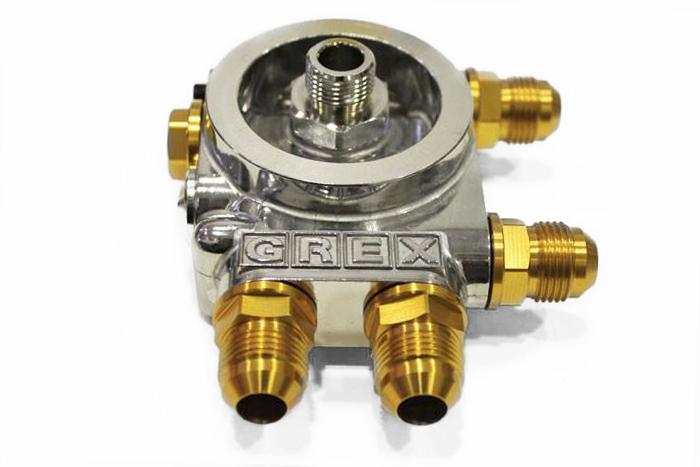
Properly designed oil cooling systems also include reinforced fittings, durable hoses, and optimized routing to ensure reliable oil flow. These components work together to maintain consistent oil circulation and efficient heat exchange across the entire system.
Oil Cooling Systems in Hot Climate Conditions
Vehicles operating in hot climates face additional challenges when managing engine temperatures. In regions such as the Middle East, high ambient temperatures can increase thermal stress on engine systems, especially during high-speed driving or heavy acceleration. Oil coolers become an important component for maintaining engine stability under these conditions.
Turbocharged performance vehicles commonly modified in the UAE, including Nissan GT-R, Toyota Supra, BMW M-series, and Mercedes-AMG platforms, often benefit from upgraded oil cooling systems. These vehicles generate significant heat during performance driving, and effective oil cooling helps maintain stable lubrication and engine reliability.
By improving heat management, high efficiency oil coolers help engines maintain consistent performance even when ambient temperatures and engine loads remain elevated for extended periods of time.
Engineering Expertise from Leading Oil Cooler Manufacturers
ATOMIC-SHOP offers oil coolers from manufacturers known for their expertise in thermal management and performance engineering. SETRAB is widely recognized for its high-quality oil cooler cores used in motorsport and high-performance road vehicles. Their cooling systems are designed for efficient heat dissipation and long-term durability under demanding conditions.
MISHIMOTO and CSF are also respected for developing advanced cooling components engineered specifically for performance vehicles. Their oil coolers feature optimized core designs and high-capacity cooling solutions that support increased engine output and improved temperature control.
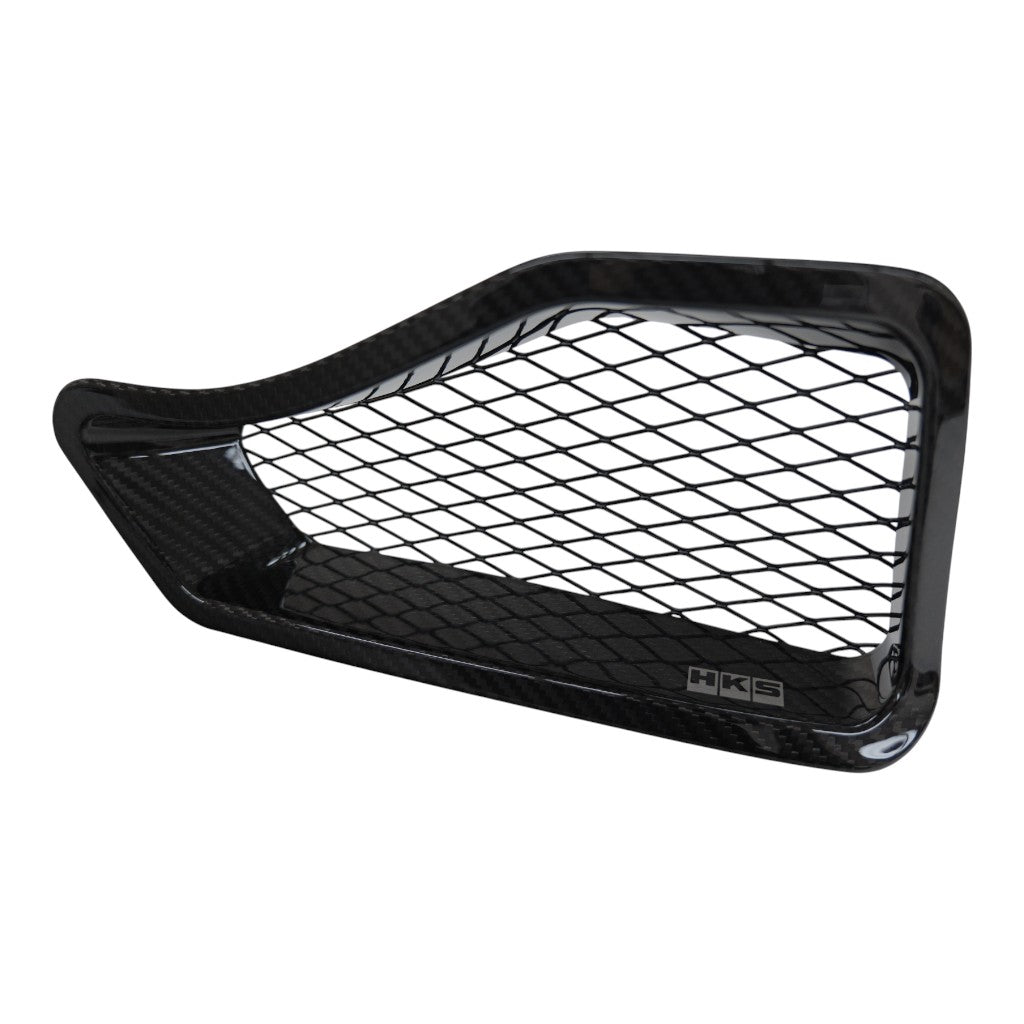
Manufacturers such as HKS and GREDDY bring extensive motorsport heritage to their cooling system designs. These companies develop oil coolers that integrate seamlessly with turbocharged engine setups and performance-oriented builds.
Selecting the Right Oil Cooler for Your Vehicle
Choosing the correct oil cooler depends on engine configuration, available installation space, and the intended driving conditions. Street-driven vehicles may benefit from compact cooling systems that provide improved temperature stability without requiring extensive modifications. These solutions help maintain safe oil temperatures during everyday driving and occasional performance use.
Vehicles built for track driving or high-output performance engines often require larger oil coolers capable of managing greater heat loads. In these applications, high performance oil coolers with increased core capacity and improved airflow provide the most effective temperature control.
Proper installation also plays an important role in achieving optimal cooling performance. Oil coolers must be positioned in areas with sufficient airflow and integrated with compatible hoses, fittings, and thermostatic control systems to ensure reliable operation.
Oil Coolers Available at ATOMIC-SHOP
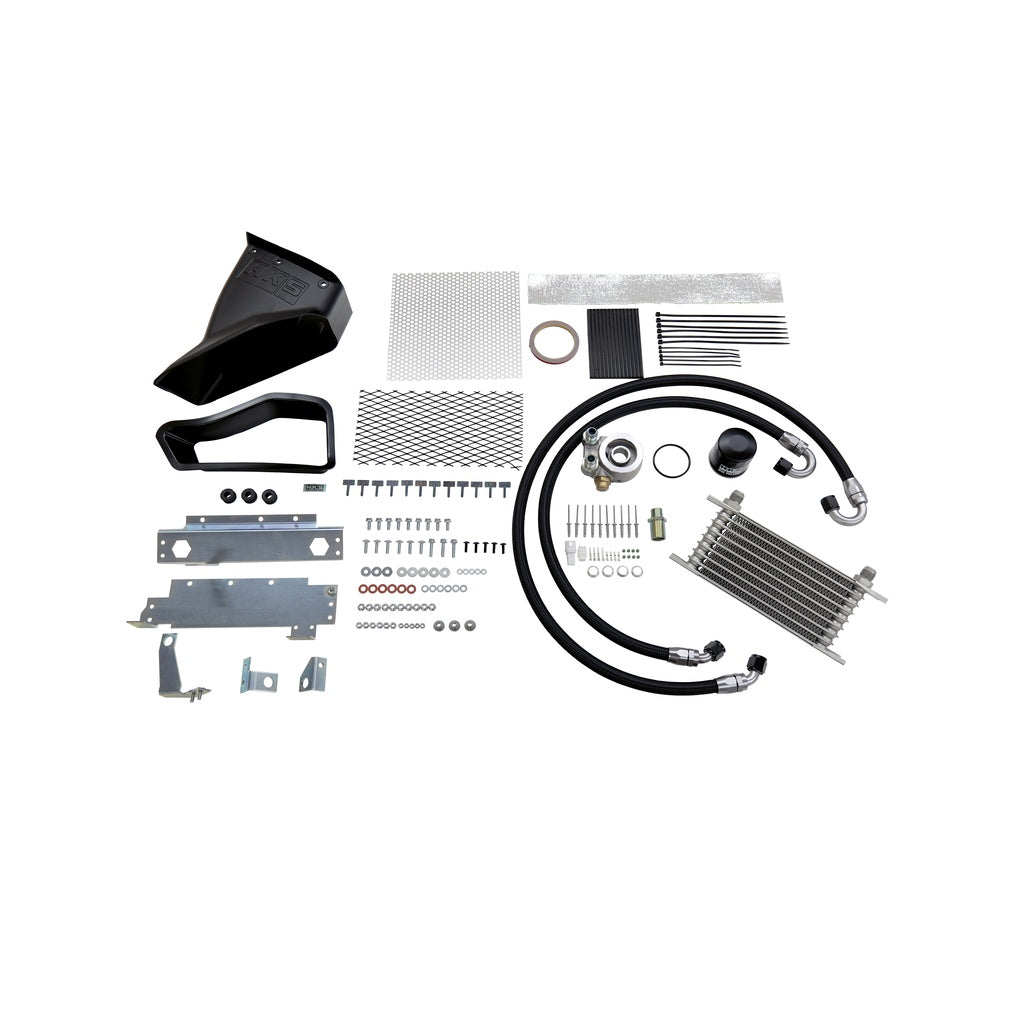
ATOMIC-SHOP offers a wide selection of oil coolers designed for performance vehicles, including engine oil coolers, high performance oil coolers, and complete oil cooling systems developed for modern turbocharged platforms. Each product in the catalog is selected based on its cooling efficiency, durability, and compatibility with performance engine builds.
Whether upgrading an existing cooling system or building a high-performance engine setup, ATOMIC-SHOP provides automotive oil coolers from trusted manufacturers known for engineering quality and reliable performance. These solutions help maintain stable engine temperatures, support increased power output, and improve long-term durability in demanding driving environments.