







Brake Lines and Their Role in High-Performance Braking Systems
Brake lines are a fundamental part of any hydraulic braking system, responsible for transferring pressurized brake fluid from the master cylinder to the brake calipers at each wheel. When the driver presses the brake pedal, hydraulic pressure travels through the brake lines and activates the braking components that slow the vehicle. Because this system relies on precise pressure transfer, the quality and construction of brake lines play a direct role in braking efficiency, pedal feel, and overall safety.
In performance vehicles and motorsport builds, brake lines are exposed to higher temperatures, stronger hydraulic pressure, and repeated heavy braking events. Upgrading to performance brake lines helps maintain consistent hydraulic response under these demanding conditions. High performance brake lines reduce unwanted expansion, preserve brake pressure, and improve braking feedback, allowing drivers to maintain precise control during both street driving and track sessions.
How Brake Lines Influence Braking Precision
Automotive brake lines act as the communication channel between the driver’s brake pedal input and the braking hardware at the wheels. When hydraulic pressure travels through the brake lines, it pushes brake fluid into the calipers where the brake pads clamp the brake discs. If the brake lines expand or flex under pressure, some of the pedal input is absorbed before reaching the braking components. This results in reduced braking efficiency and a softer, less predictable brake pedal feel.
Performance brake lines are engineered to minimize this pressure loss. High-quality steel brake lines and reinforced braided brake lines maintain structural stability even under heavy braking loads. By reducing line expansion, these brake lines allow the braking system to respond more directly to pedal input. Drivers experience more immediate braking response and greater control over braking modulation, which becomes particularly valuable during high-speed driving and technical cornering situations.
For performance-oriented vehicles, the difference between factory rubber hoses and upgraded automotive brake lines can be significant. Stronger materials and reinforced construction allow high performance brake lines to maintain stable hydraulic pressure during repeated braking cycles, ensuring that braking performance remains predictable even under sustained load.
Steel Braided Brake Lines and Performance Applications
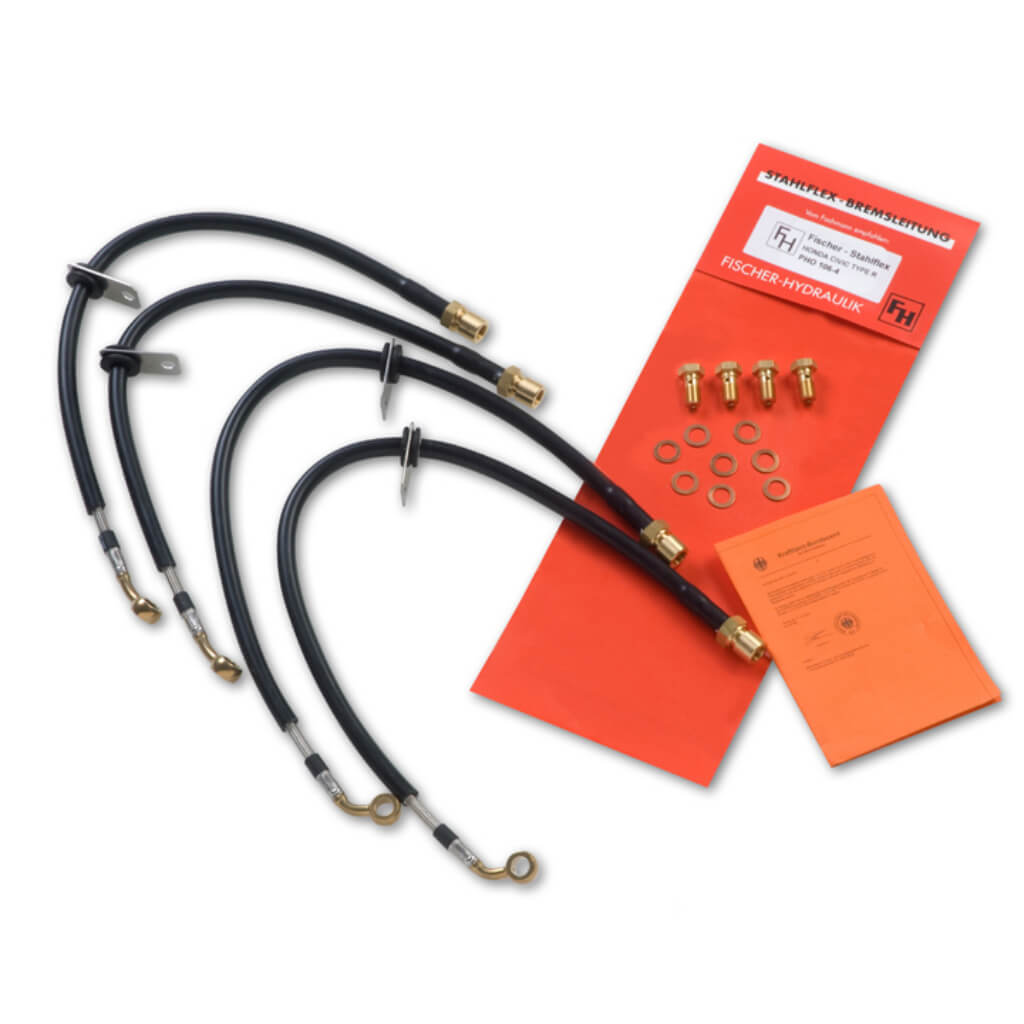
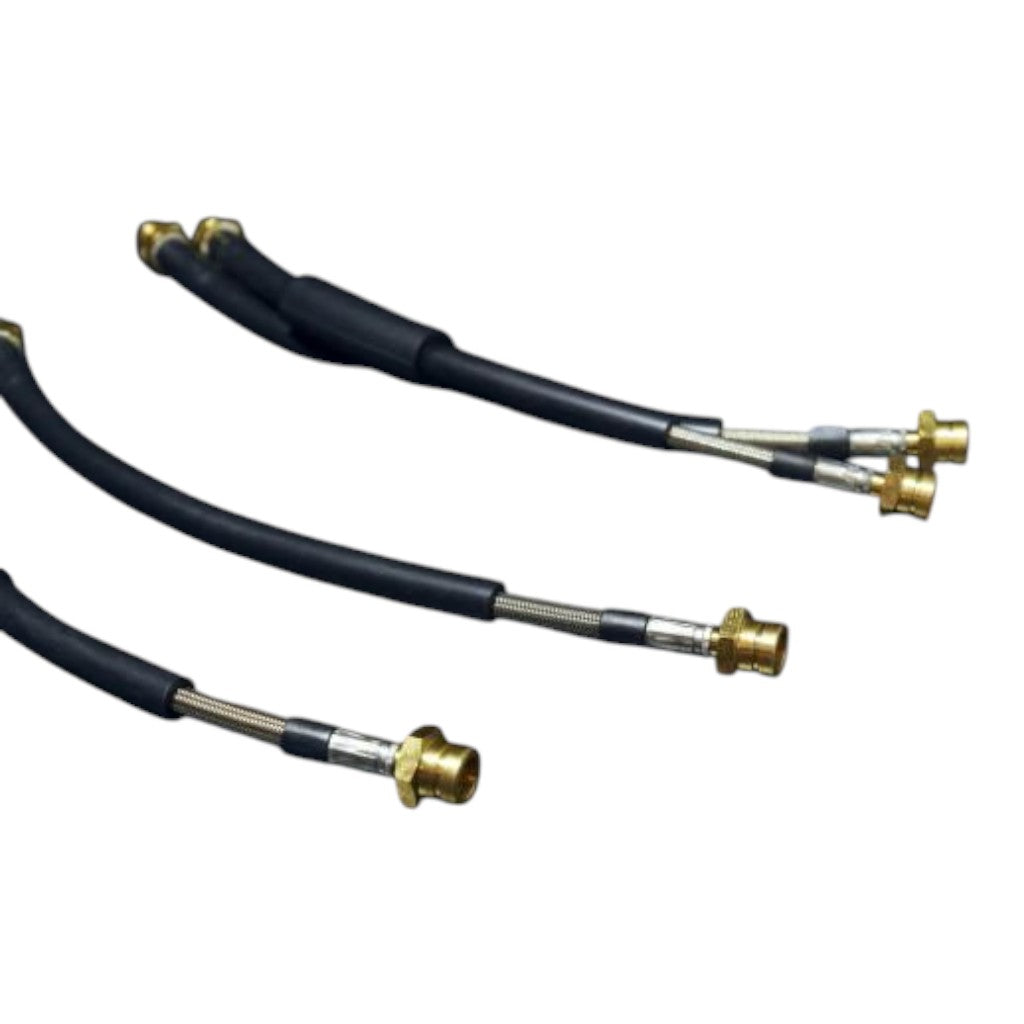
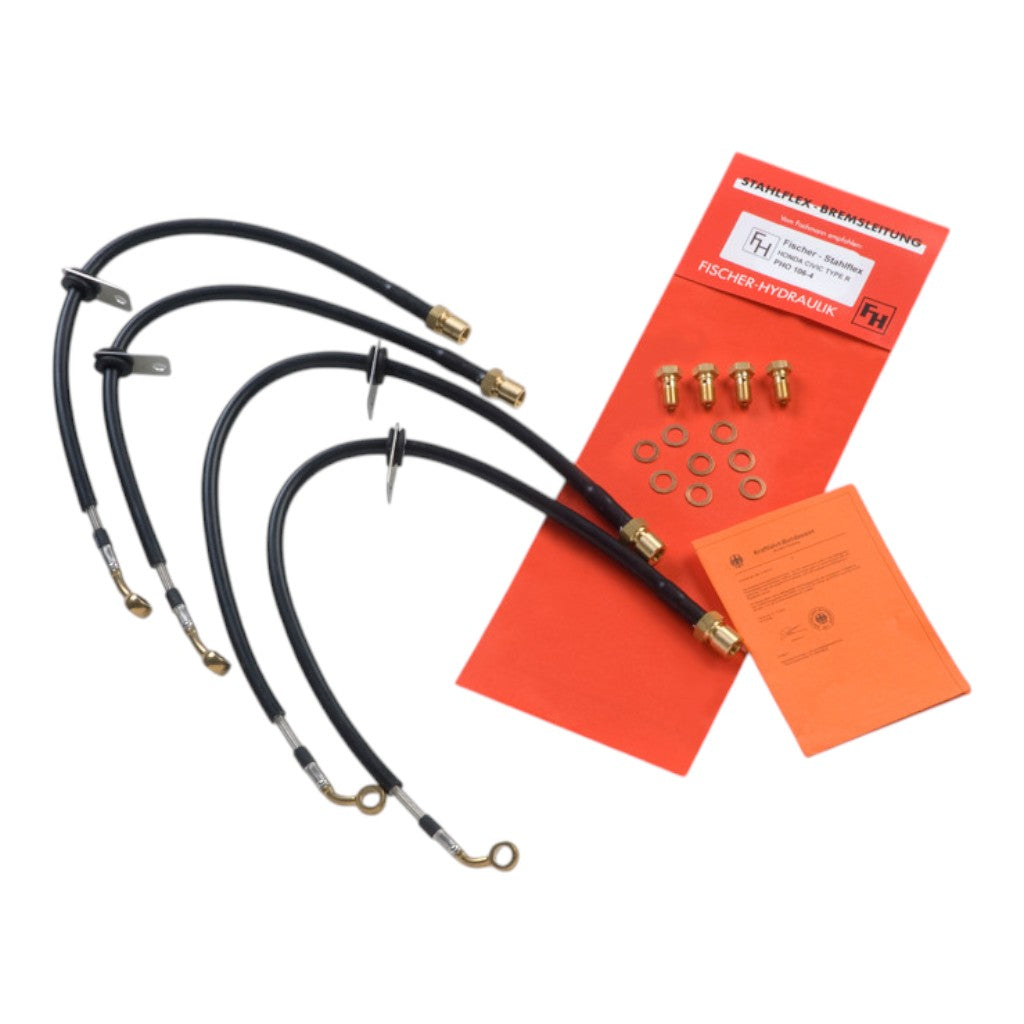
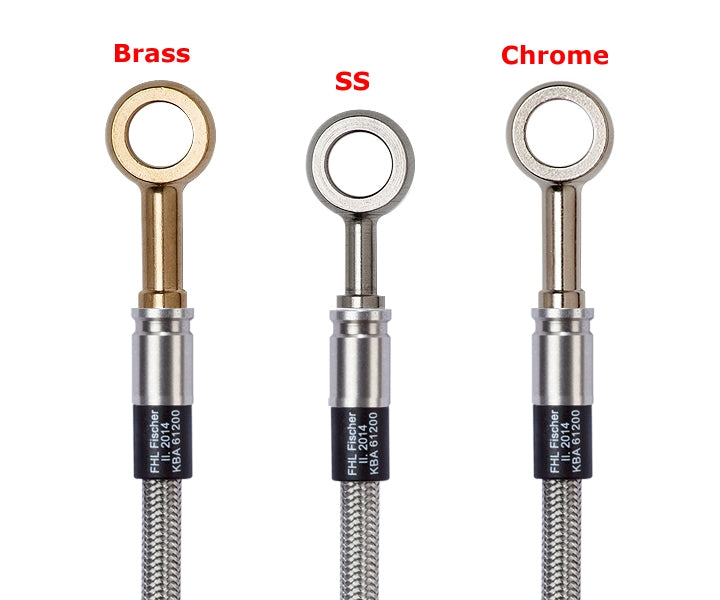
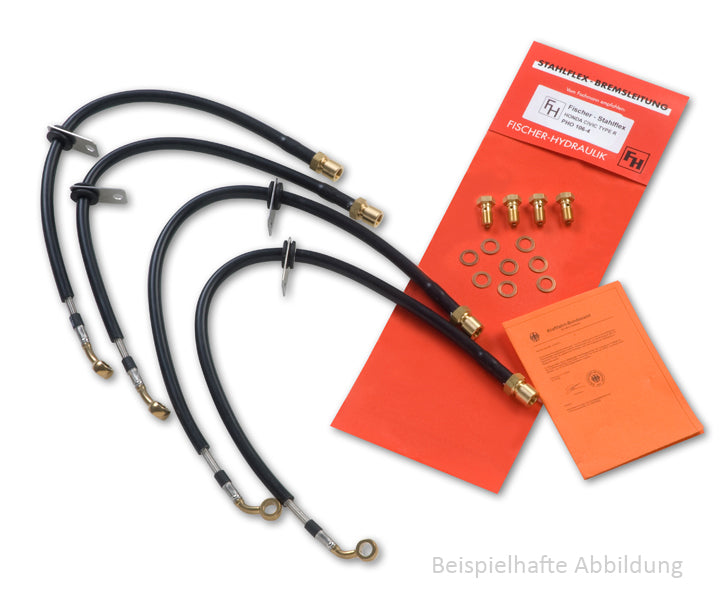
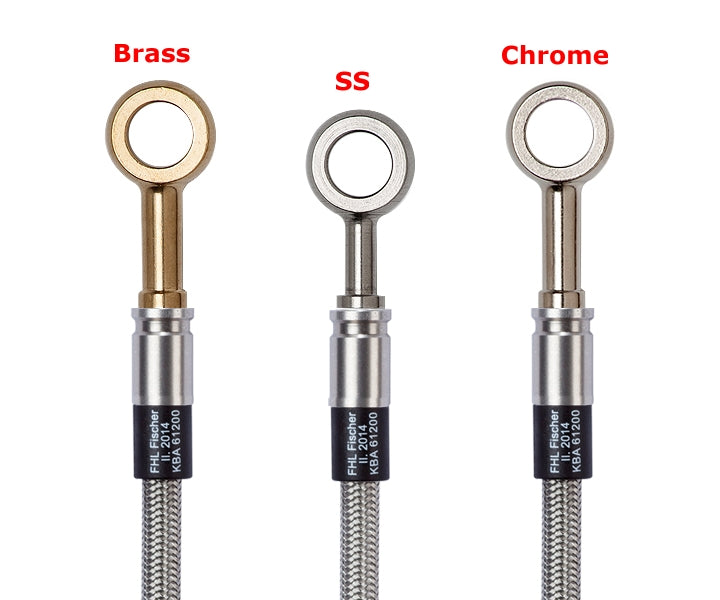
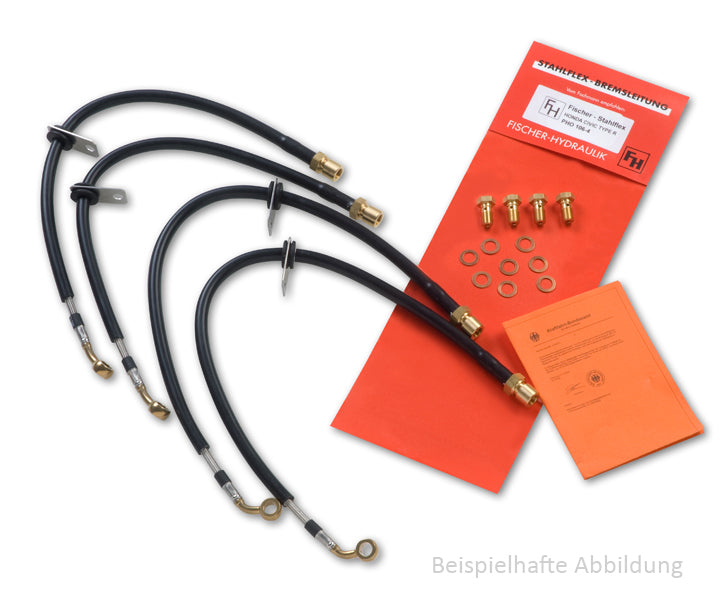
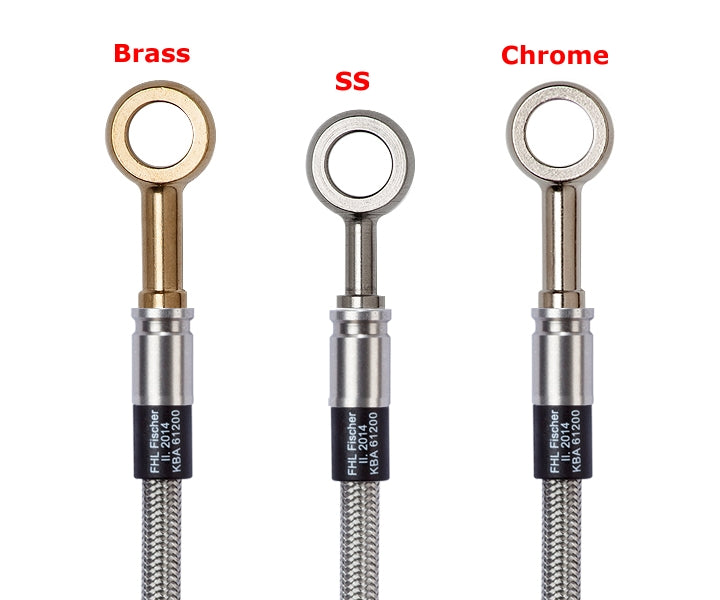
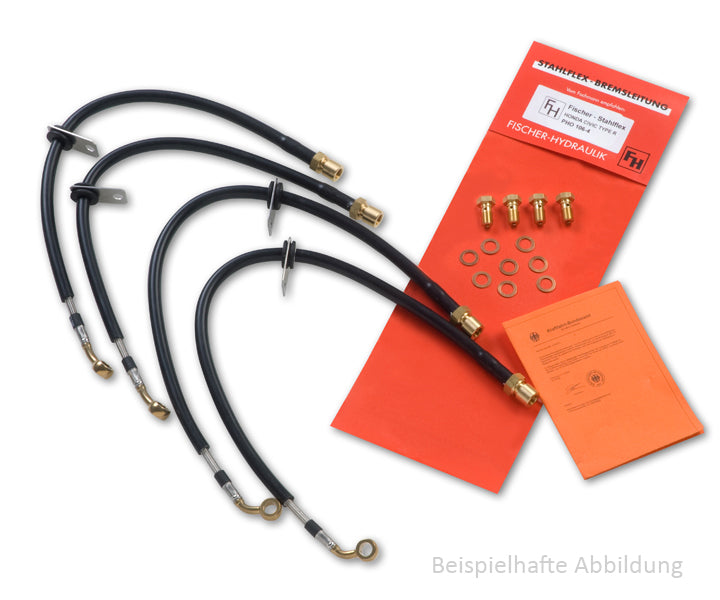
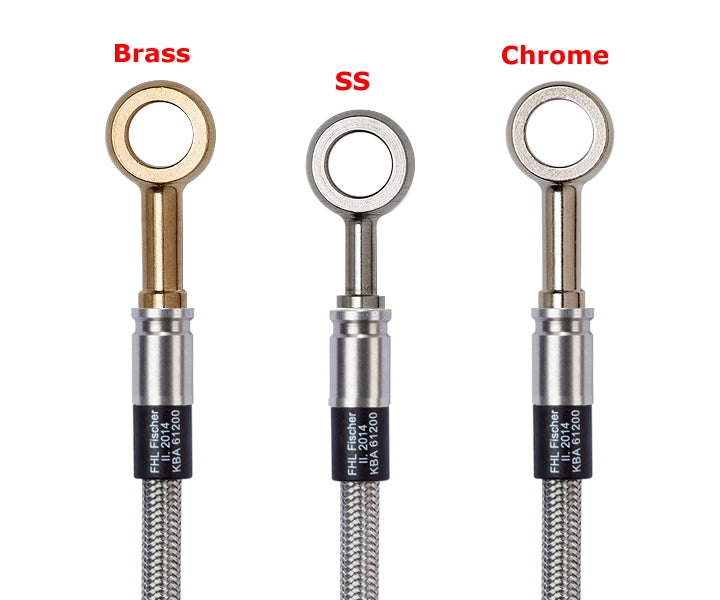
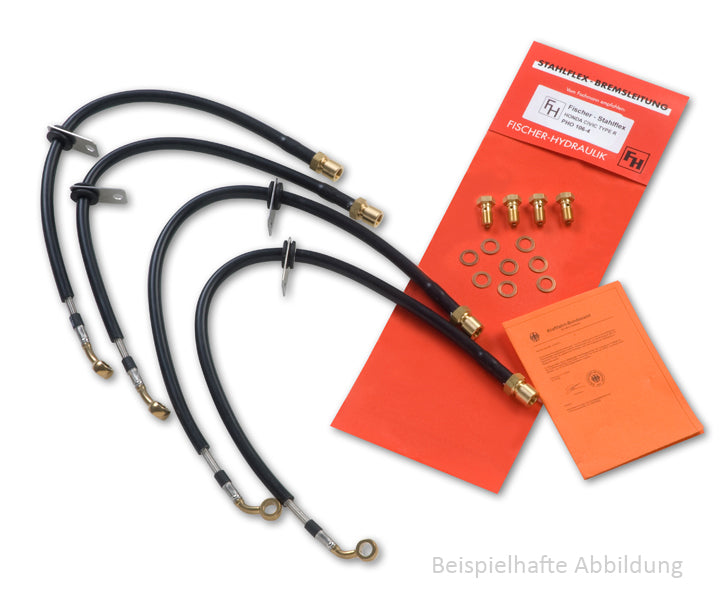
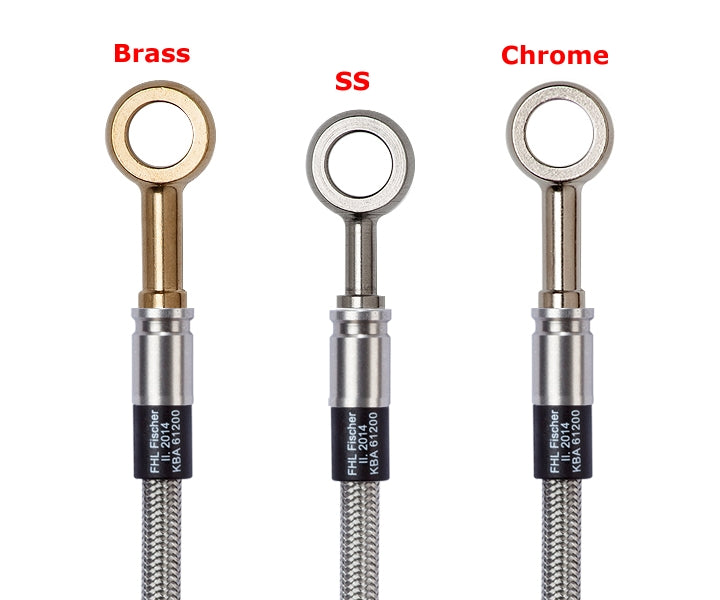
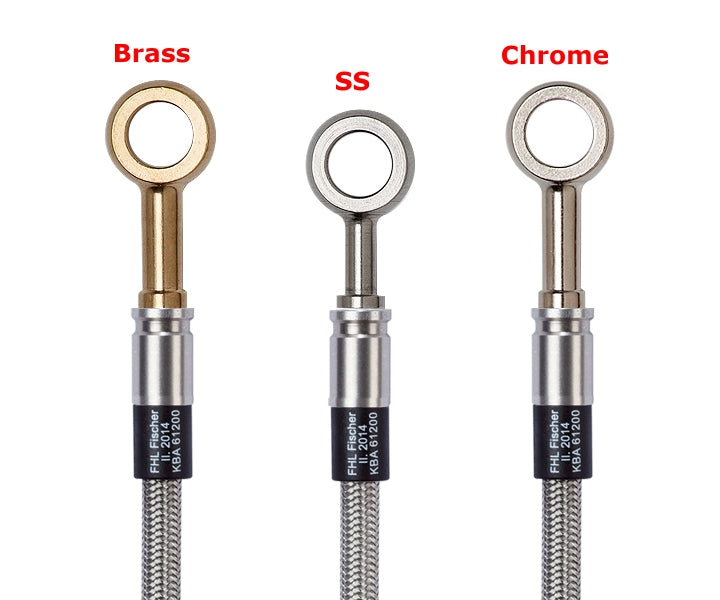
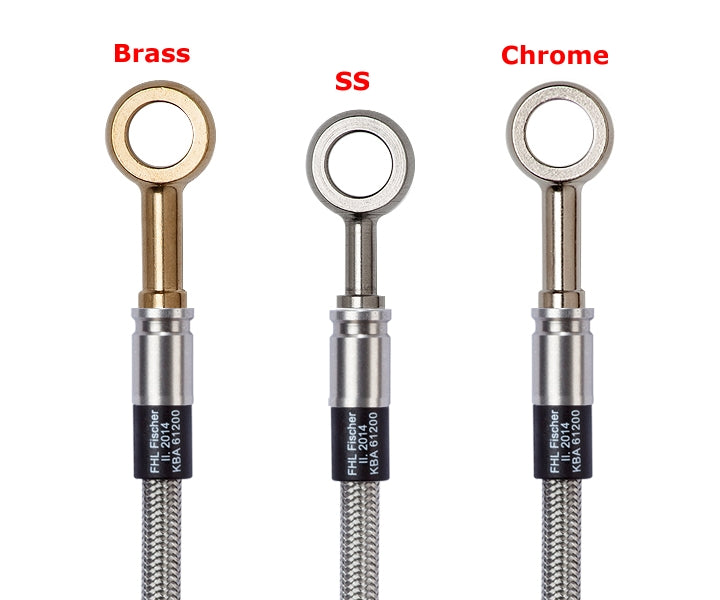
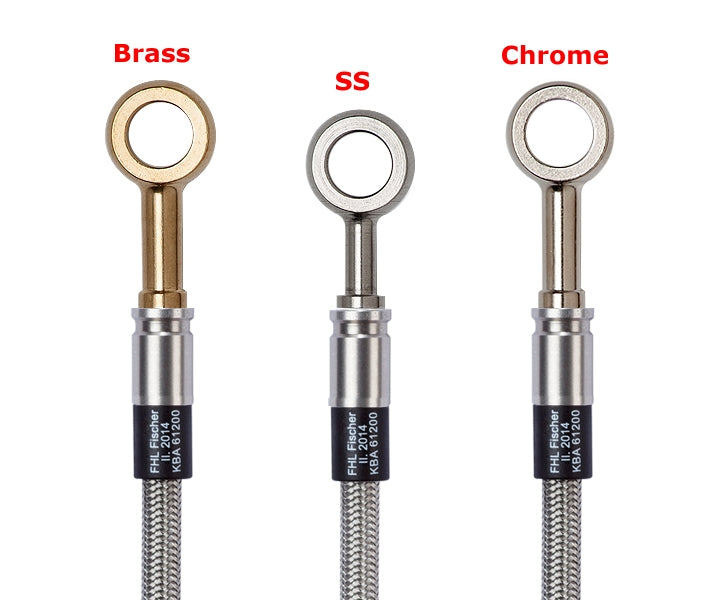
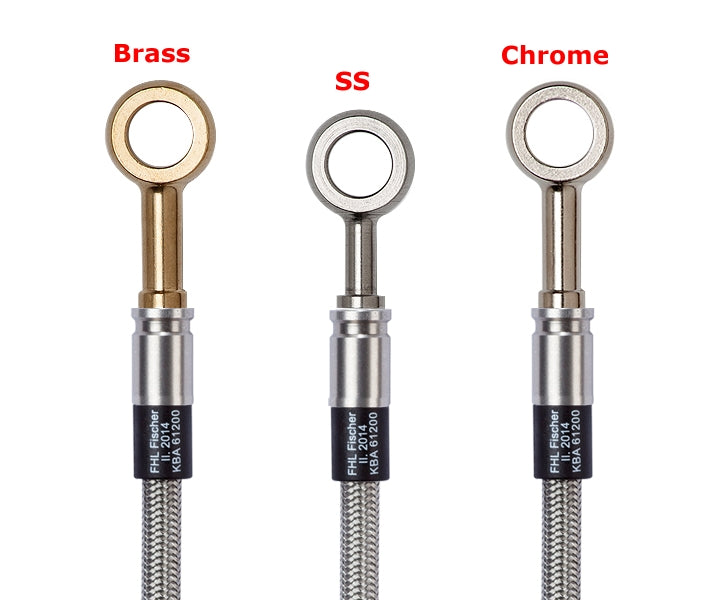
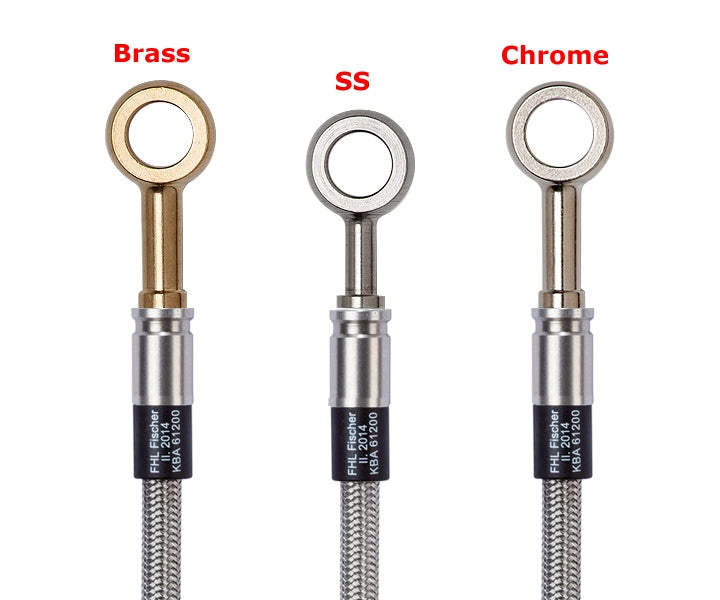
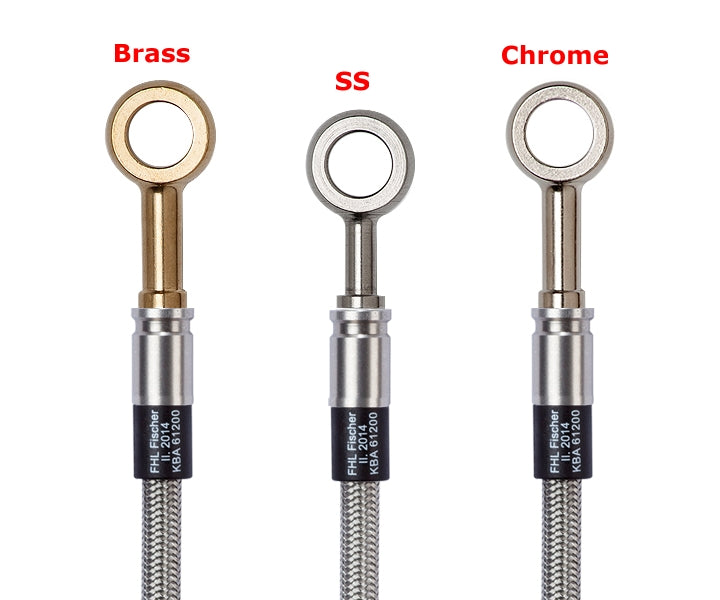
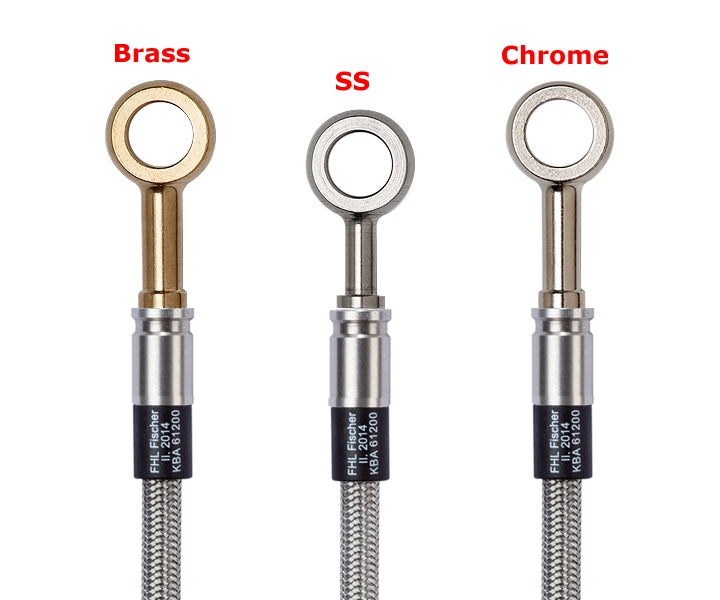
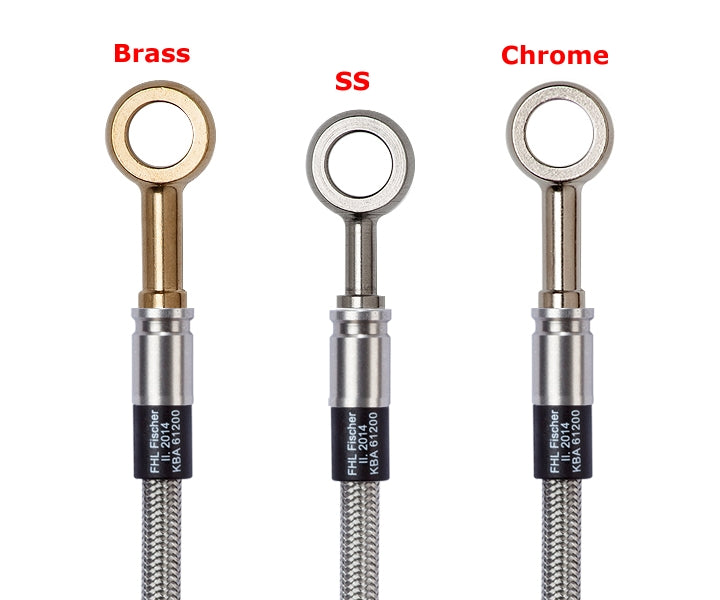
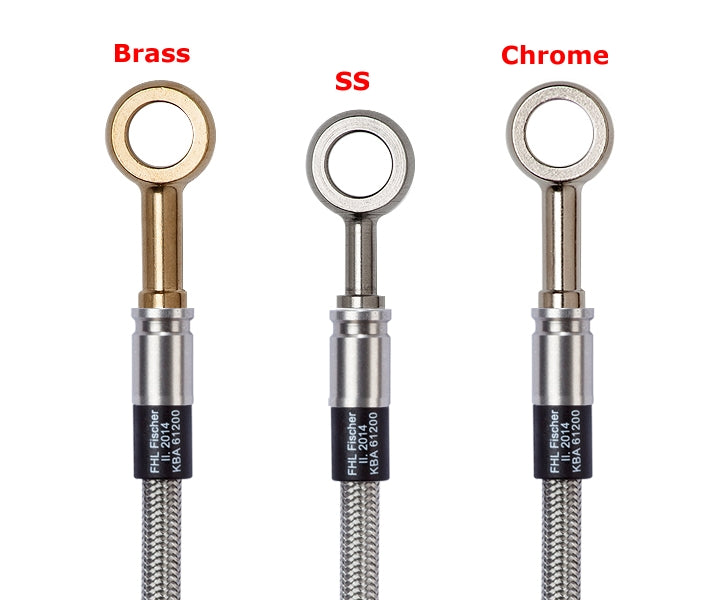
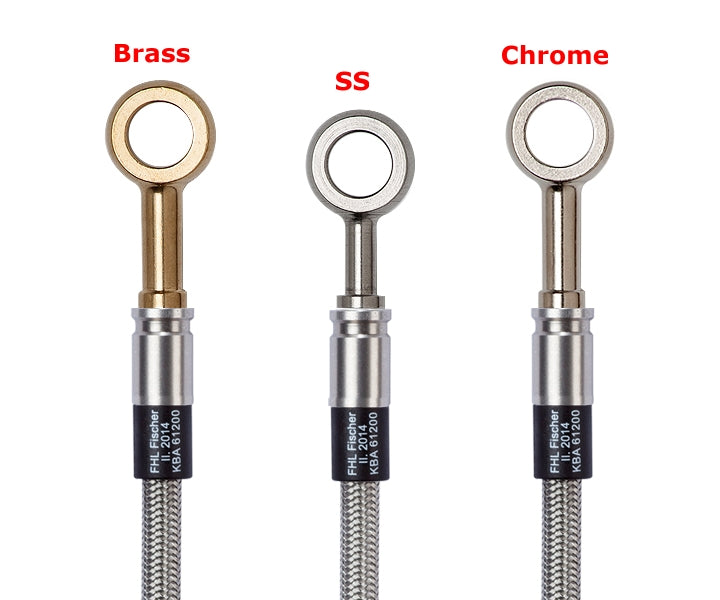
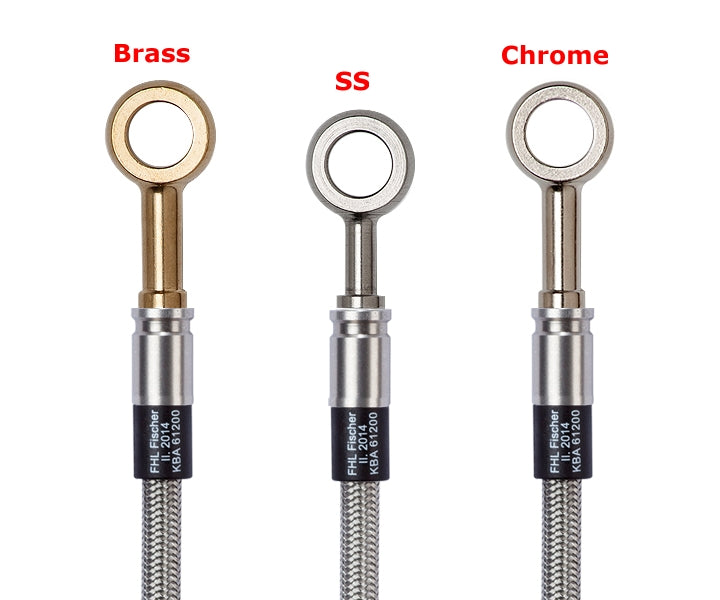
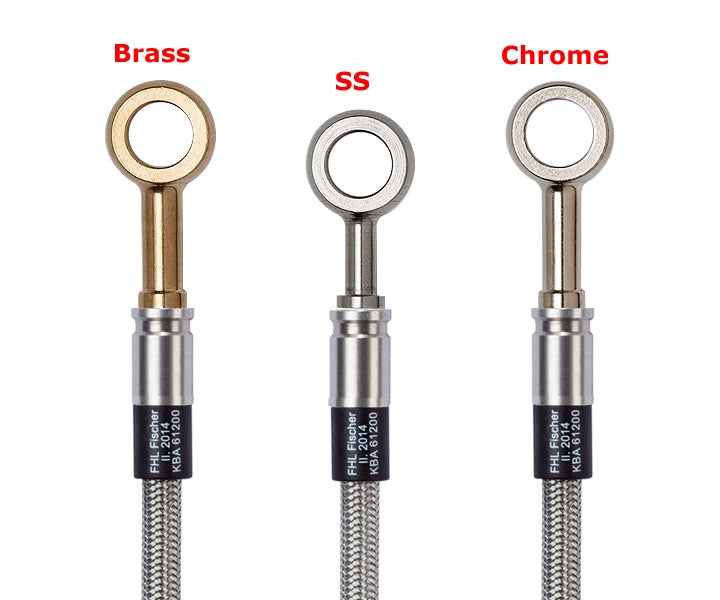
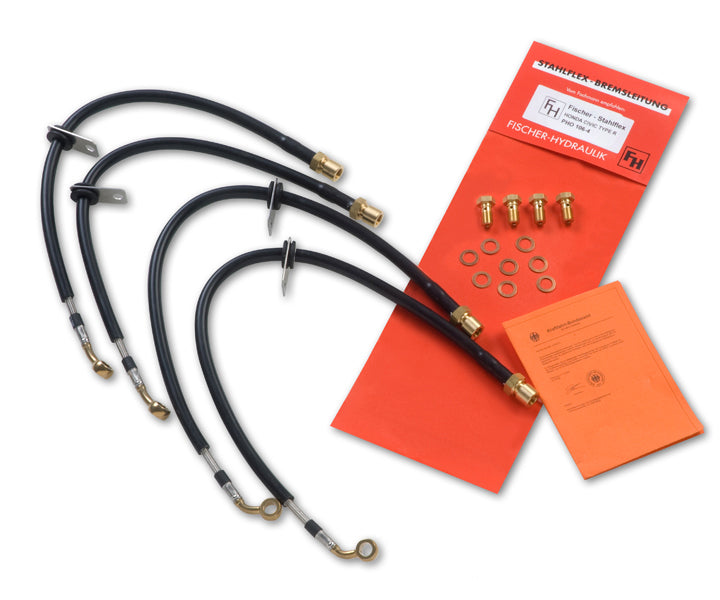
Steel braided brake lines are one of the most common upgrades in performance braking systems. These stainless steel brake lines consist of an inner flexible hose surrounded by a tightly woven stainless steel braid. The braided outer layer prevents the hose from expanding under hydraulic pressure while also protecting the line from abrasion and environmental damage.
Compared with standard rubber brake hoses, steel braided brake lines maintain much greater structural rigidity. This design helps preserve hydraulic pressure and significantly improves brake pedal consistency. As a result, drivers experience more direct braking feedback and improved braking precision when driving aggressively or participating in track events.
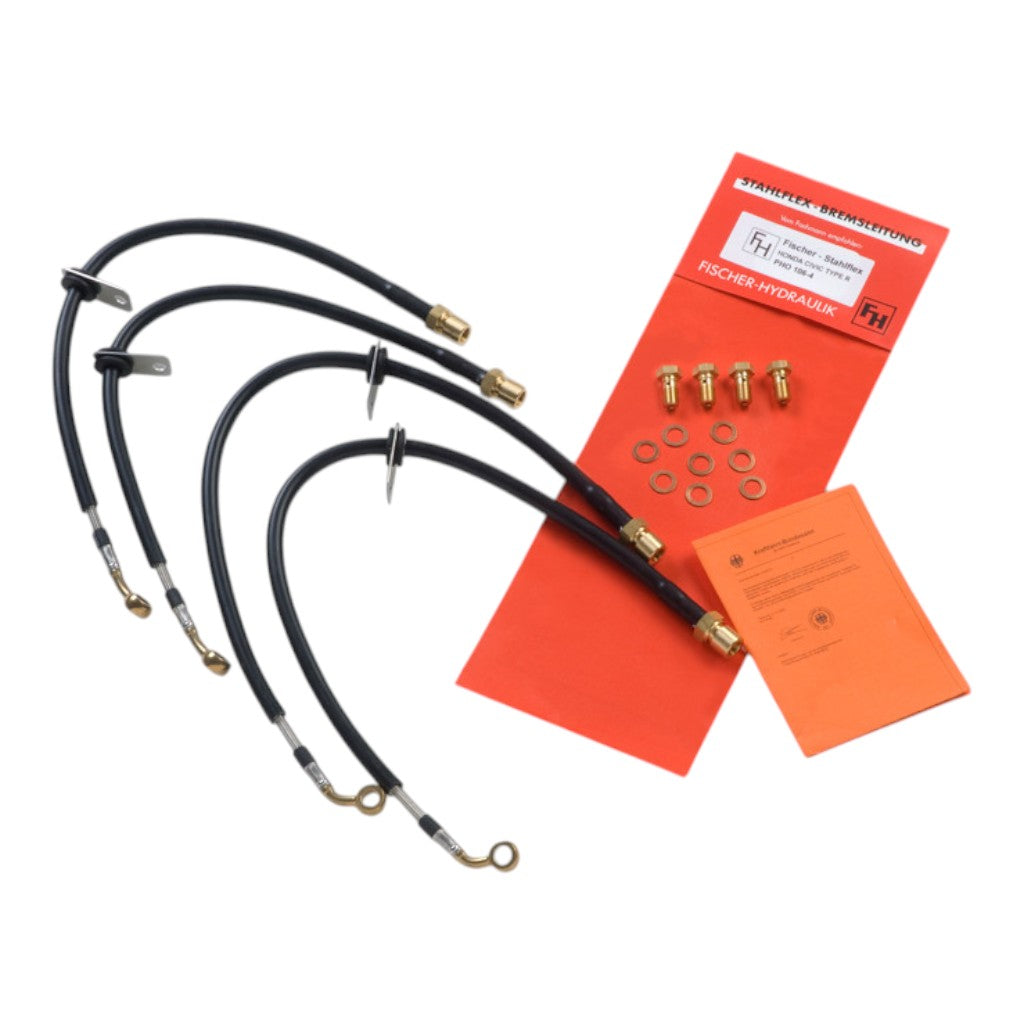
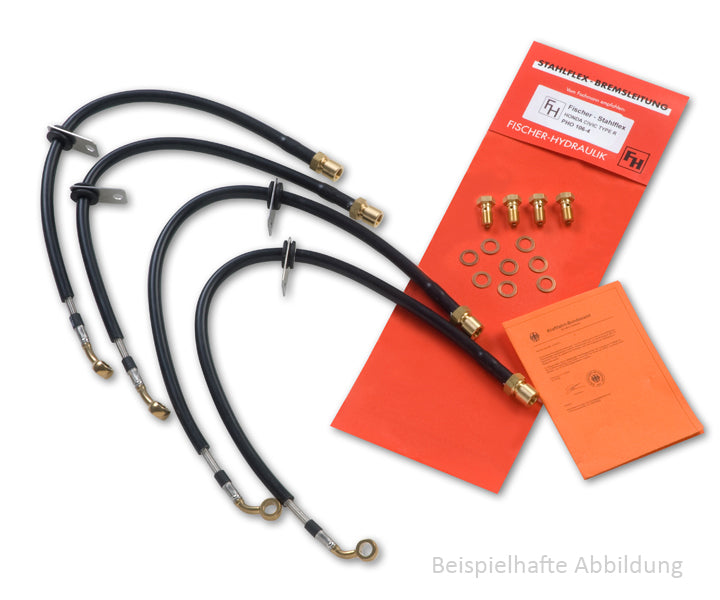
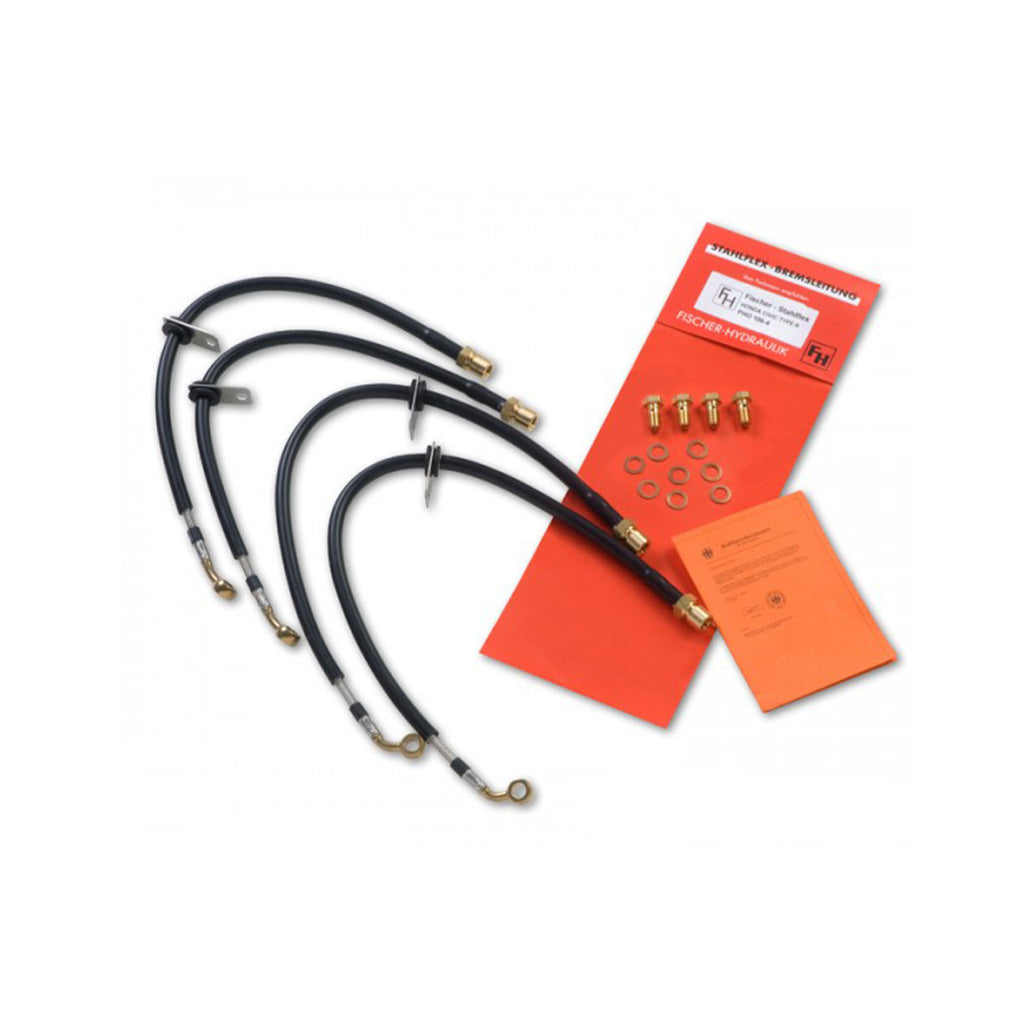
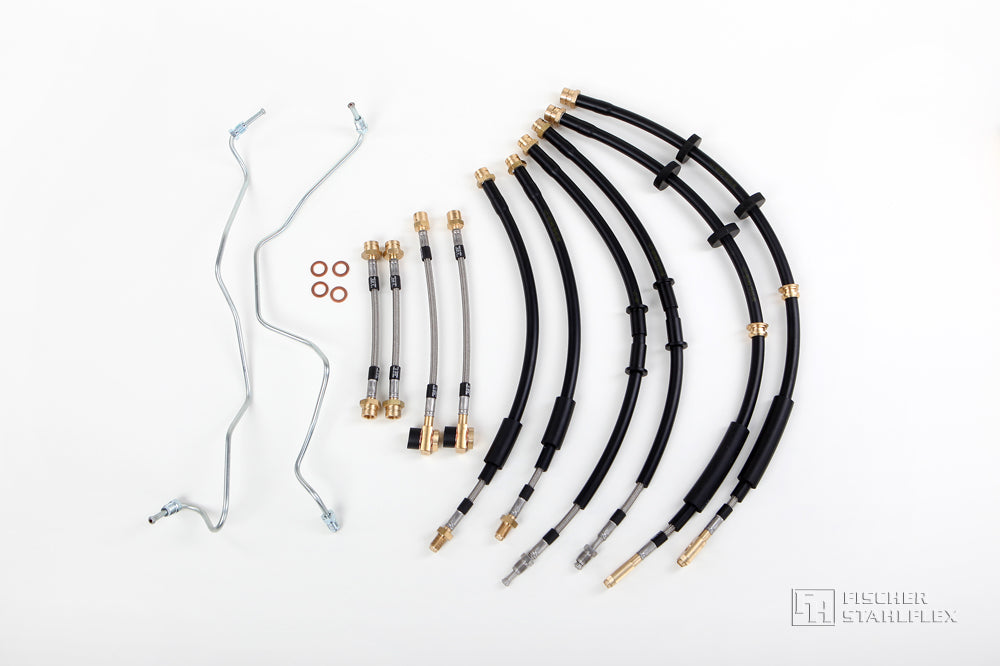
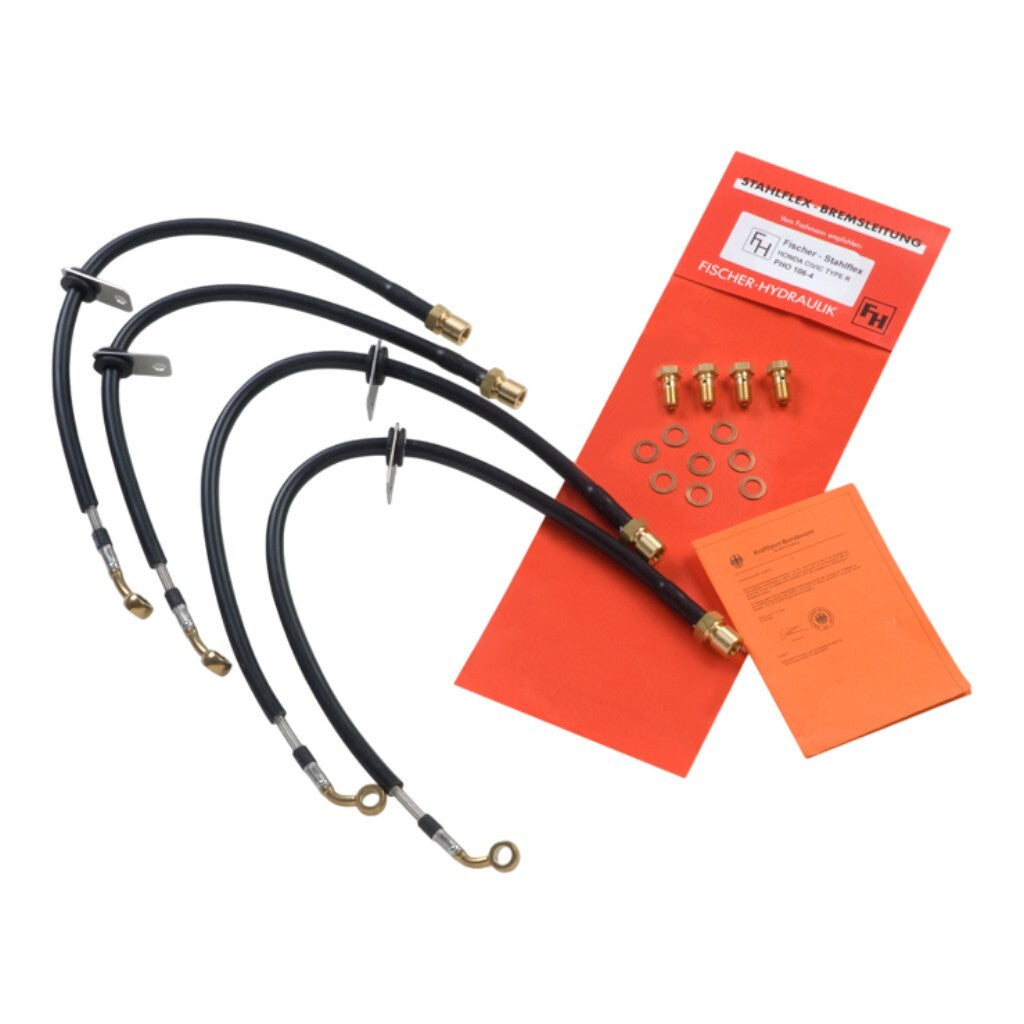
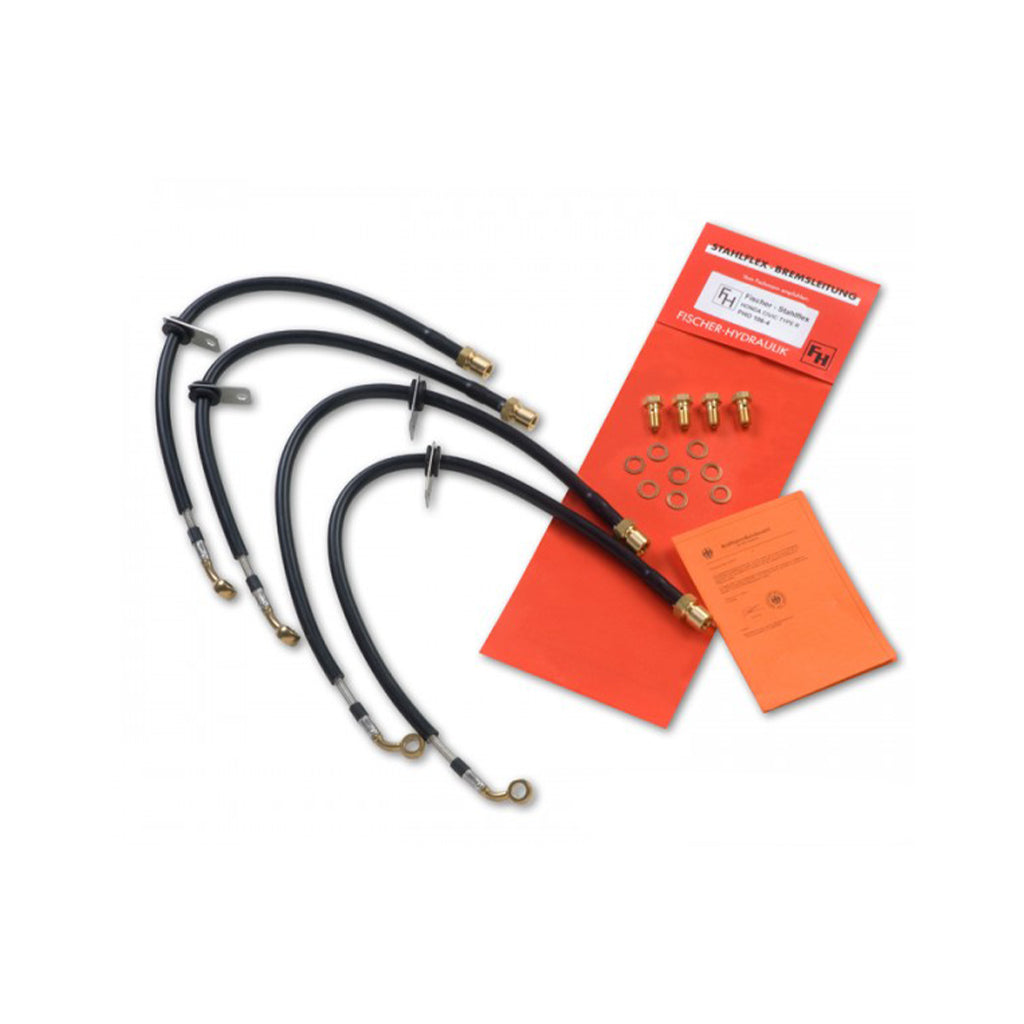
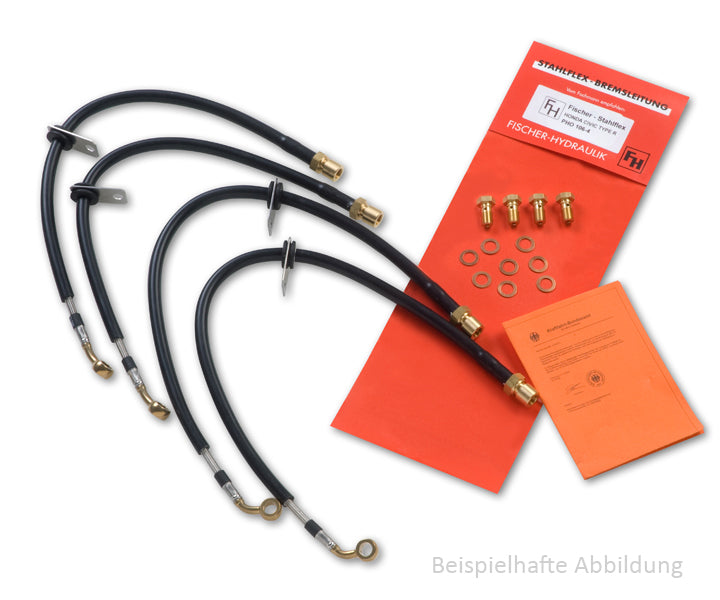
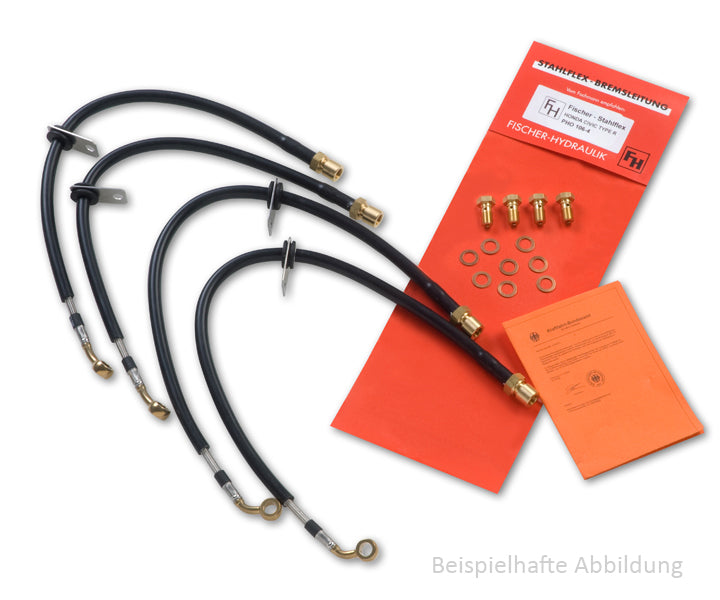
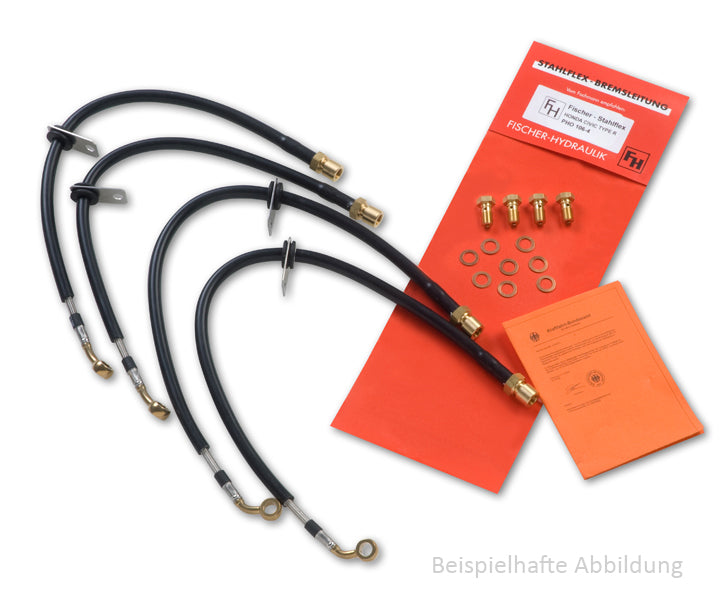
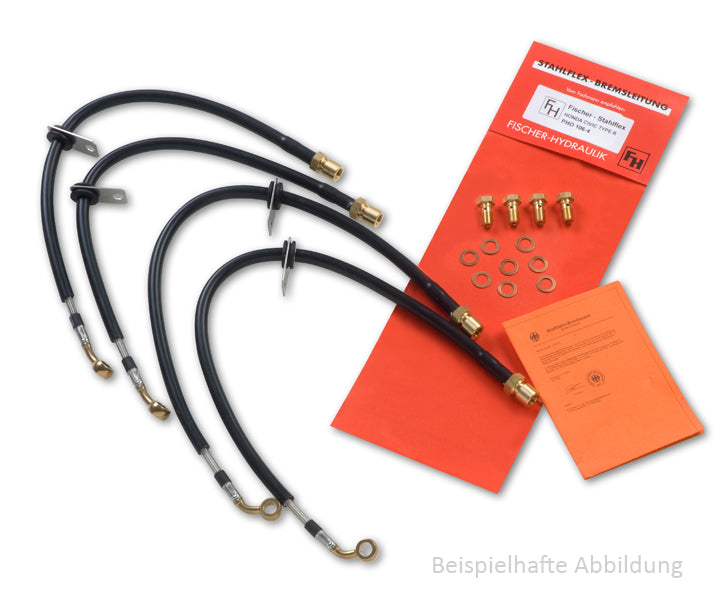
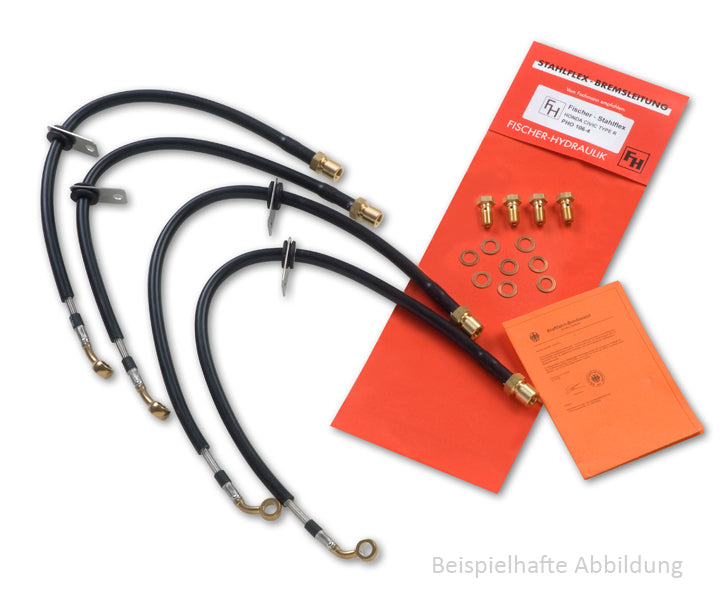
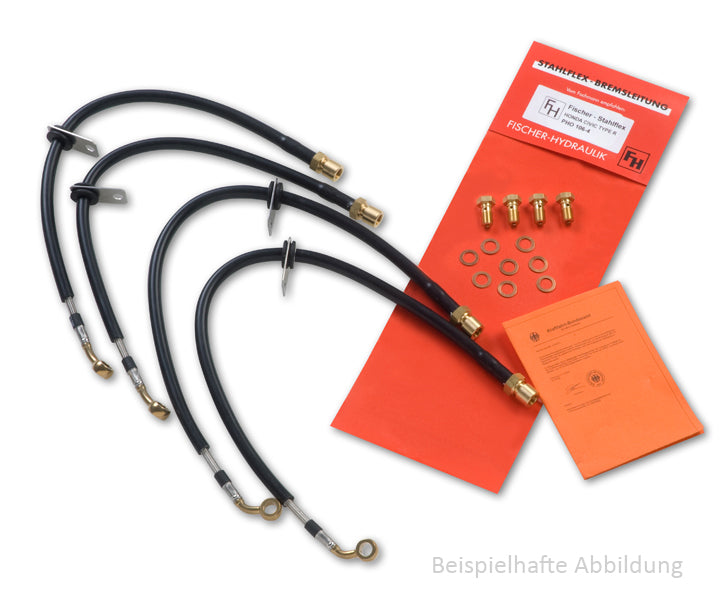
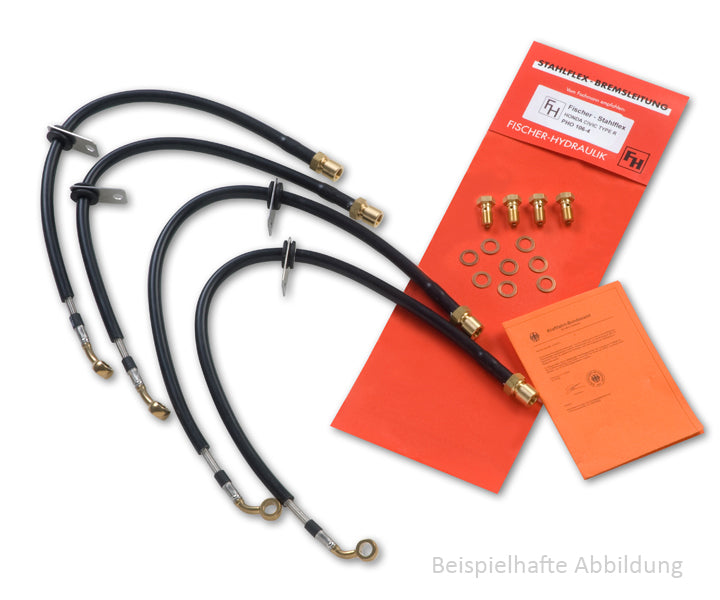
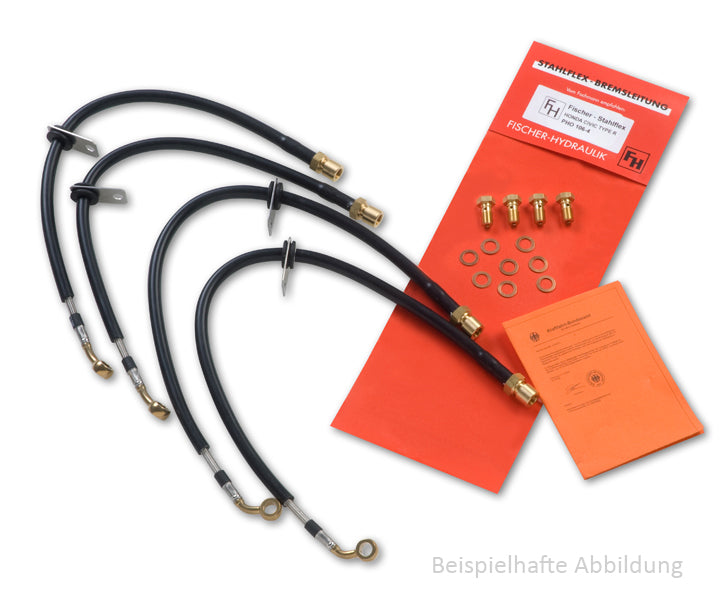
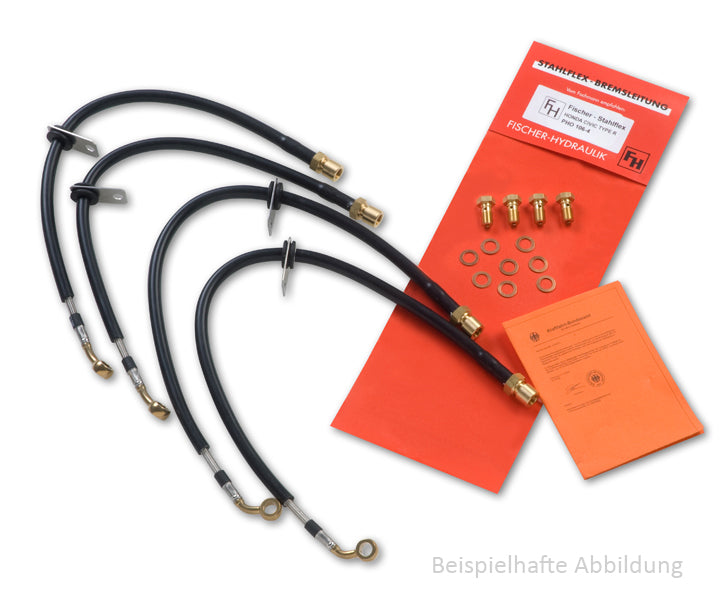
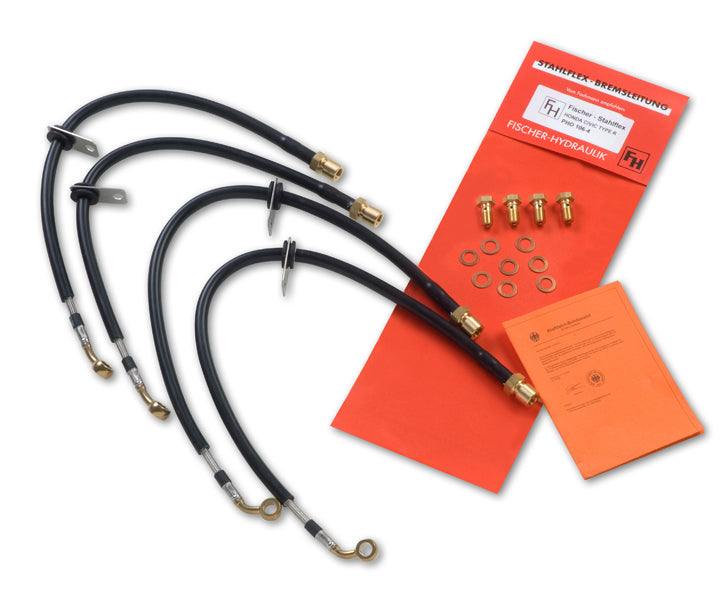
Braided brake lines are widely used in high-performance vehicles because they offer an effective balance between flexibility and strength. These brake lines are commonly installed during brake system upgrades and are often included in complete brake lines kit solutions designed for specific vehicle platforms. Their ability to maintain consistent pressure makes them particularly beneficial for vehicles equipped with upgraded brake pads, larger brake discs, and multi-piston calipers.
Hard Brake Lines and Structural Hydraulic Systems
In addition to flexible hoses, modern braking systems rely on rigid hard brake lines that run along the vehicle chassis. These hard brake lines form the main hydraulic pathways connecting the master cylinder to the braking components located near each wheel. Hard brake lines are typically manufactured from coated steel or specialized metal alloys engineered to resist corrosion, vibration, and mechanical stress over long periods of use.
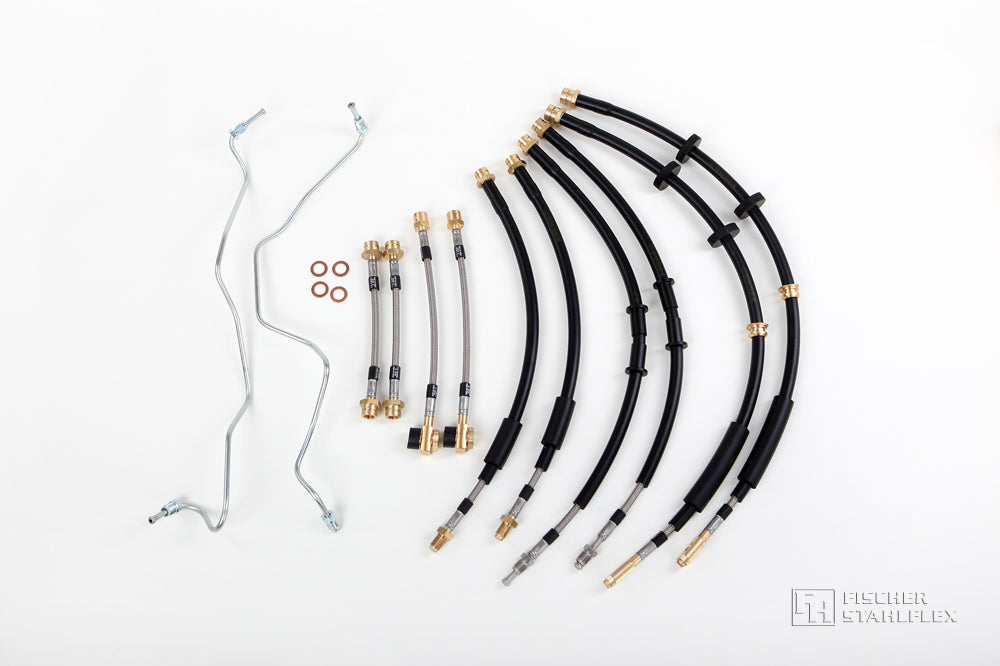
Hard brake lines provide structural integrity within the braking system and help maintain consistent hydraulic pressure throughout the vehicle. Because they are rigid, hard brake lines prevent pressure loss caused by expansion, ensuring reliable brake performance. In many vehicles, these metal brake lines are combined with flexible braided brake lines near the wheel assemblies where suspension movement requires a flexible connection.
Performance builds sometimes incorporate upgraded metal brake lines or aluminum brake lines in specific applications where corrosion resistance and durability are essential. Proper routing and installation of these brake lines are critical to maintaining stable brake fluid flow and long-term reliability of the entire braking system.
Material Engineering and Thermal Resistance
Brake lines must operate reliably in environments where temperatures can rise dramatically due to repeated braking. When vehicles undergo aggressive driving, braking systems generate significant heat that can transfer to surrounding components. Automotive brake lines must therefore be engineered with materials capable of maintaining structural integrity under these thermal conditions.
Stainless steel brake lines are widely used because they combine strength, corrosion resistance, and thermal stability. Braided stainless steel construction protects the internal hose while preventing expansion caused by hydraulic pressure. This design allows brake lines to maintain consistent pressure delivery even when the braking system experiences elevated temperatures.
In regions such as the Middle East, where high ambient temperatures are common, thermal resistance becomes even more important. Vehicles operating in desert climates face additional heat exposure from both the environment and the braking system itself. High quality brake lines designed for motorsport use help maintain reliable hydraulic pressure and prevent performance degradation in these conditions.
Brake Lines for Track Use and High-Temperature Conditions
Track driving places unique demands on braking systems. During repeated high-speed braking, brake temperatures can rise rapidly, and components must maintain consistent performance throughout the session. Racing brake lines are specifically designed to withstand these extreme conditions while preserving stable hydraulic pressure and braking response.
Track environments in the UAE, including circuits such as Dubai Autodrome and Yas Marina Circuit, expose braking systems to sustained high loads and elevated surface temperatures. Under these conditions, standard brake hoses may experience expansion that leads to inconsistent brake pedal feel. Upgrading to high performance brake lines helps ensure that braking systems maintain predictable behavior throughout demanding track sessions.
Drivers preparing vehicles for track use often prioritize brake system reliability and thermal stability. Upgraded racing brake lines support these goals by providing consistent pressure delivery and improved braking control during aggressive driving.
- Reduced brake line expansion under hydraulic pressure
- Improved brake pedal consistency during repeated braking
- Greater durability in high-temperature environments
- Enhanced braking precision for track-focused driving
Engineering Expertise from Leading Brake System Manufacturers
ATOMIC-SHOP supplies brake lines from manufacturers recognized for their engineering expertise in braking technology and motorsport development. Brands such as AP RACING and STOPTECH have long histories in high-performance braking systems, designing brake lines and braking components capable of withstanding the stresses of competitive motorsport as well as demanding street applications.
GOODRIDGE is widely known for its stainless steel braided brake lines, which are engineered to deliver consistent hydraulic performance and excellent durability. Manufacturers such as FORGE and RACINGLINE focus on performance upgrades for enthusiast vehicles, providing brake line solutions designed for precise braking feedback and reliable operation.
Additional manufacturers including AMS, CUSCO, MANTHEY RACING, STILLEN, and UNPLUGGED PERFORMANCE contribute specialized brake line solutions for high-performance vehicle platforms. These companies develop brake line systems that integrate seamlessly with modern braking hardware, supporting both street-driven performance cars and track-oriented builds.
Selecting the Right Brake Lines for Your Vehicle
Choosing the correct brake lines depends on the intended use of the vehicle and the configuration of the braking system. Street-driven vehicles often benefit from stainless steel braided brake lines that improve braking response while maintaining everyday durability. These upgrades are commonly installed during routine brake system maintenance or when replacing aging factory brake hoses.
Track-focused vehicles may require specialized brake lines kit solutions designed to withstand repeated high-load braking events. Racing brake lines provide increased structural strength and improved thermal stability, helping maintain consistent braking performance even during extended track sessions.
When selecting brake lines for a specific vehicle platform, it is important to ensure proper fitment and compatibility. Front brake lines, rear brake lines, and complete automotive brake lines kits are engineered for specific vehicle configurations. Choosing properly designed brake lines ensures safe installation and reliable braking performance across a wide range of driving conditions.
Performance Brake Lines Available at ATOMIC-SHOP
ATOMIC-SHOP offers a comprehensive range of brake lines for performance vehicles, including steel braided brake lines, stainless steel brake lines, hard brake lines, and complete brake lines kit solutions designed for modern performance platforms. Each brake line product in the catalog is selected based on durability, hydraulic reliability, and compatibility with upgraded braking systems.
Whether you are upgrading car brake lines to improve pedal response, installing braided brake lines for track driving, or replacing worn hydraulic components in a high-performance vehicle, ATOMIC-SHOP provides automotive brake lines from manufacturers trusted by professional tuners and enthusiasts. These brake lines help ensure reliable braking performance, precise pedal control, and long-term safety in both street-driven vehicles and motorsport applications.