
























Fuel Injection Precision and the Role of Injector Dynamics in Performance Engine Fuel Systems
Injector Dynamics develops fuel injectors and fuel system components designed for performance engines, turbocharged vehicles, and high-output motorsport applications. In modern internal combustion engines, fuel injectors are responsible for delivering precise quantities of fuel into the intake airflow or directly into the combustion chamber. Accurate fuel delivery is essential for maintaining proper air-fuel ratios, supporting stable combustion, and ensuring reliable engine performance under demanding operating conditions.
In performance engines, fuel delivery requirements are significantly higher than in standard production vehicles. Increased airflow from turbochargers or performance intake systems requires a proportional increase in fuel supply to maintain balanced combustion. If the fuel system cannot deliver sufficient fuel or maintain stable flow characteristics, the engine may experience reduced efficiency, unstable combustion, or mechanical stress. High-performance fuel injectors are therefore engineered to provide accurate fuel metering across a wide range of operating conditions.
Fuel injection systems operate by pressurizing fuel and delivering it through electronically controlled injectors. These injectors open and close rapidly in response to signals from the engine control unit, allowing carefully measured fuel quantities to enter the intake stream. The precision of this process directly influences combustion efficiency, power output, and engine durability.
For performance engine builds, maintaining stable air-fuel ratios during rapid throttle changes, high engine speeds, and increased boost pressure becomes critical. Fuel injectors capable of delivering accurate and repeatable fuel flow help ensure that combustion remains controlled even under aggressive driving conditions.
Engineering Principles Behind High-Performance Fuel Injectors
The performance of a fuel injector is determined by several engineering characteristics, including flow capacity, atomization efficiency, response time, and fuel delivery stability. These factors influence how accurately the injector can deliver fuel across different engine operating conditions. In high-performance engines, injectors must operate reliably while handling increased fuel flow and rapid cycling at high engine speeds.
Injector flow rate is one of the most important specifications in fuel injector design. Flow rate defines how much fuel an injector can deliver over a given period of time. Engines producing higher horsepower require injectors with larger flow capacity to supply sufficient fuel for combustion. However, high flow capacity must still be balanced with precise control at lower engine loads to maintain stable engine operation during everyday driving conditions.
Fuel atomization is another critical factor in fuel injection performance. When fuel exits the injector nozzle, it is broken into fine droplets that mix with incoming air. Proper atomization improves the mixing process between fuel and air, which contributes to efficient combustion within the cylinder. Injectors engineered with optimized spray patterns help distribute fuel evenly throughout the intake airflow, improving combustion stability.
Injector response time also plays an important role in maintaining accurate fuel delivery. The injector must open and close quickly in response to commands from the engine control unit. Rapid response allows the fuel system to adjust fuel delivery instantly when engine load, throttle position, or boost pressure changes. This responsiveness helps maintain stable air-fuel ratios during dynamic driving conditions.
Maintaining stable fuel delivery becomes especially important in engines operating under high boost pressure or elevated engine speeds. As turbocharged engines generate increased airflow and combustion pressure, the fuel system must respond with precise and consistent fuel supply. Fuel injectors designed for performance environments are engineered to maintain consistent flow behavior across varying pressure levels and operating conditions.
Injector Dynamics Components Available in This Section
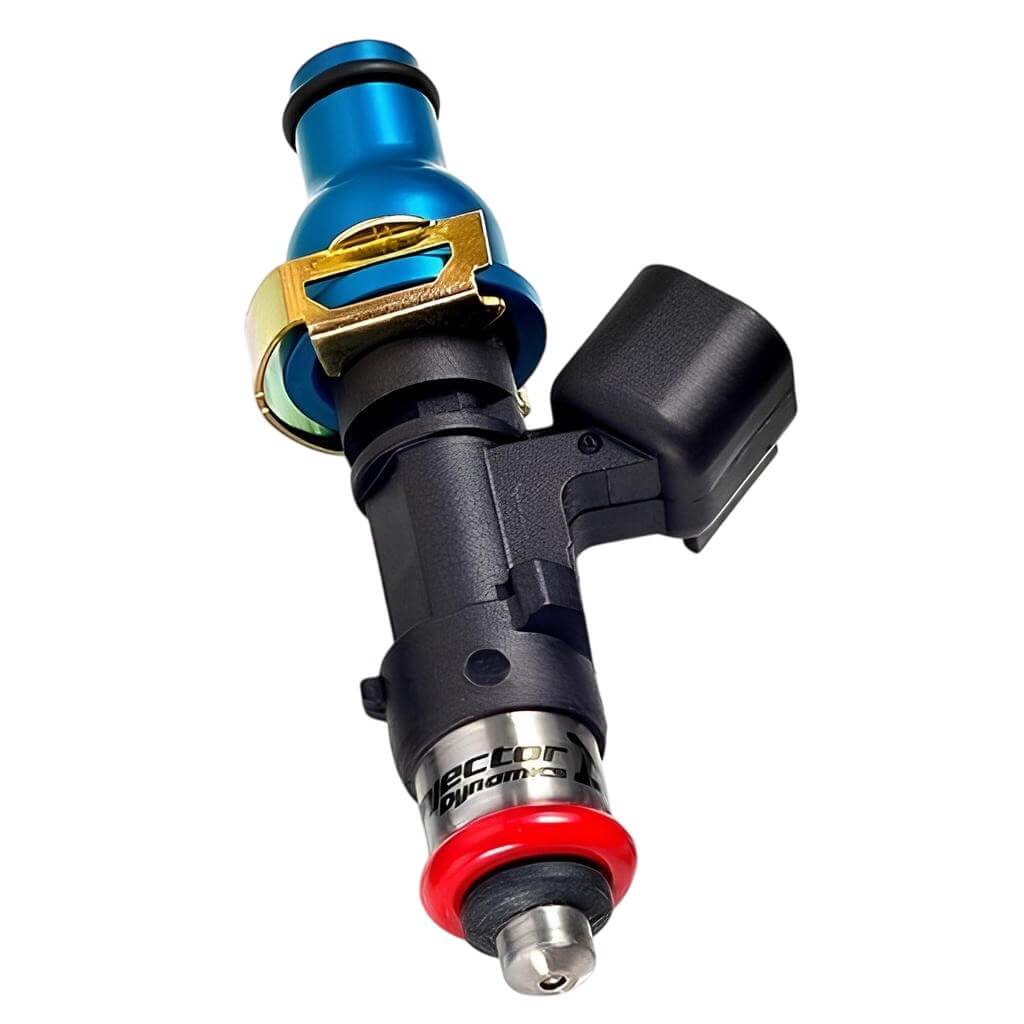
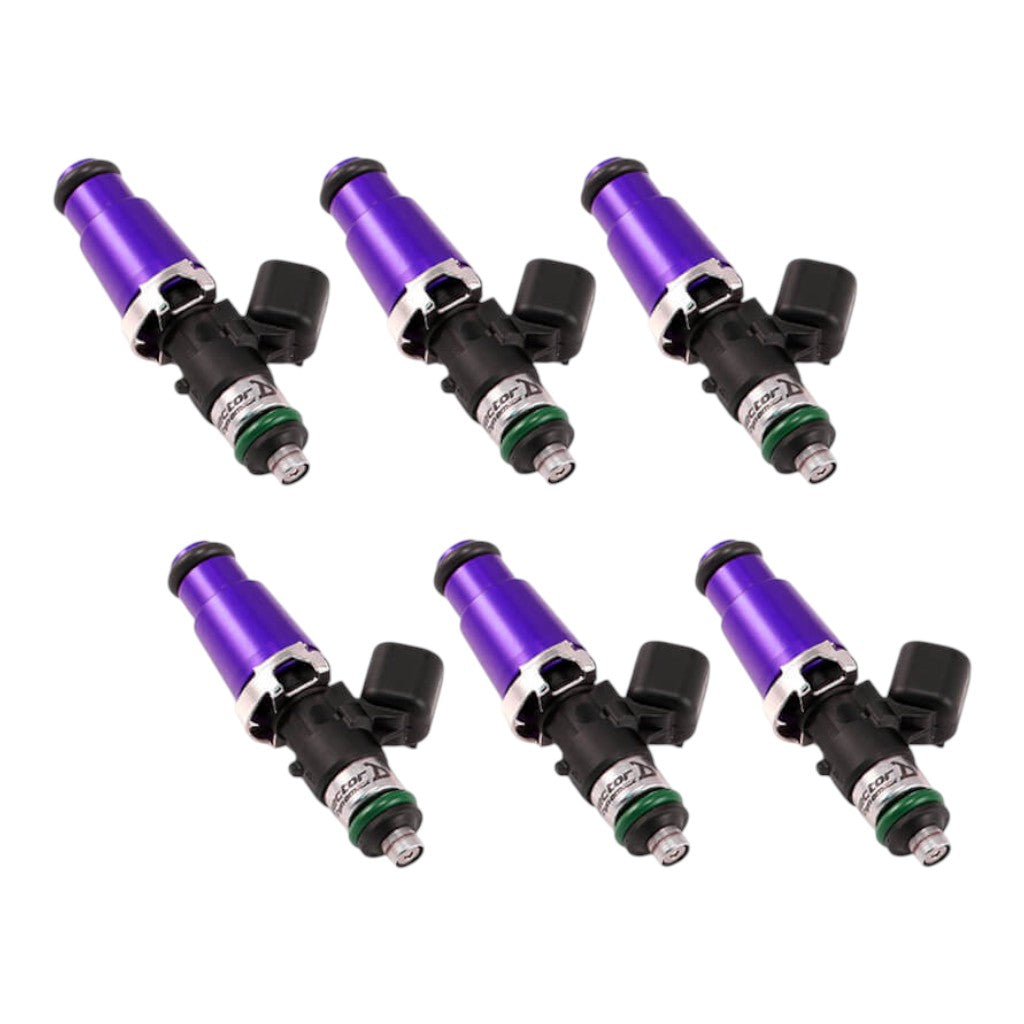
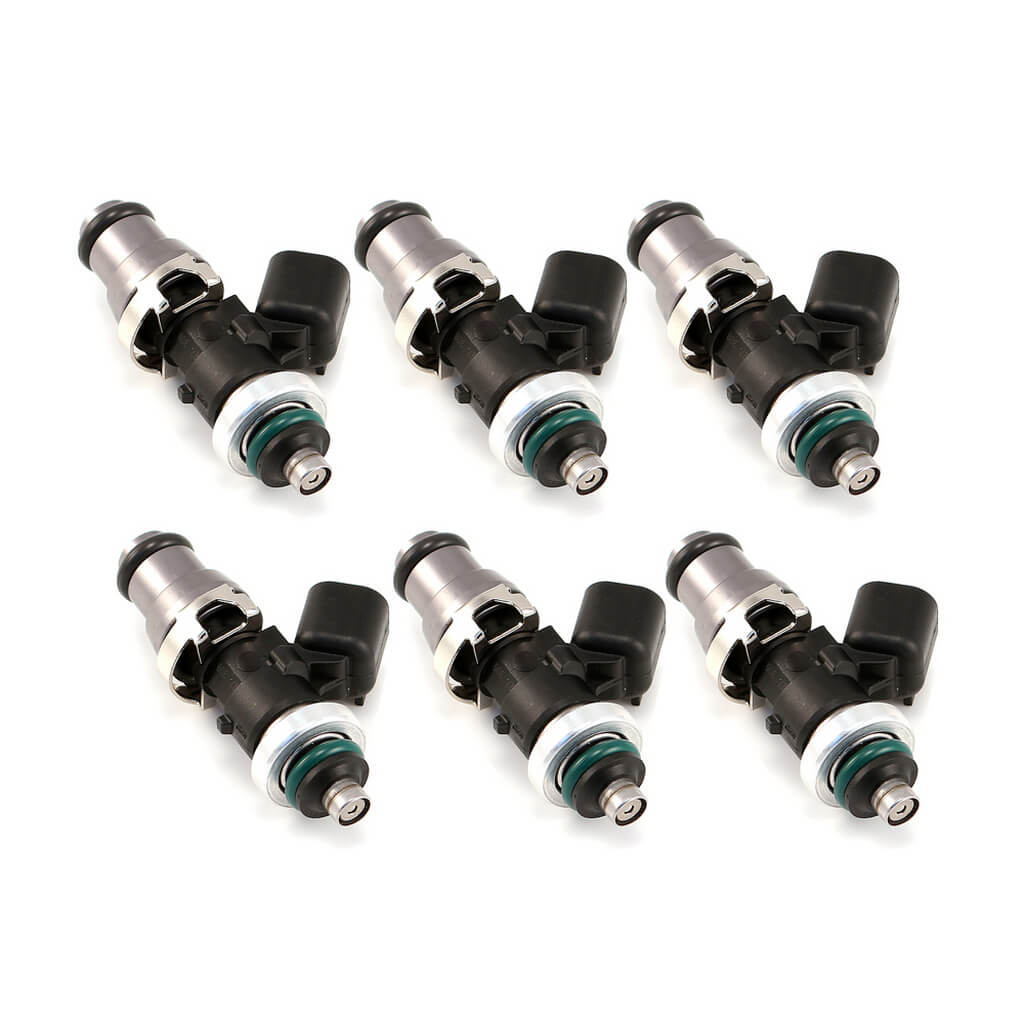
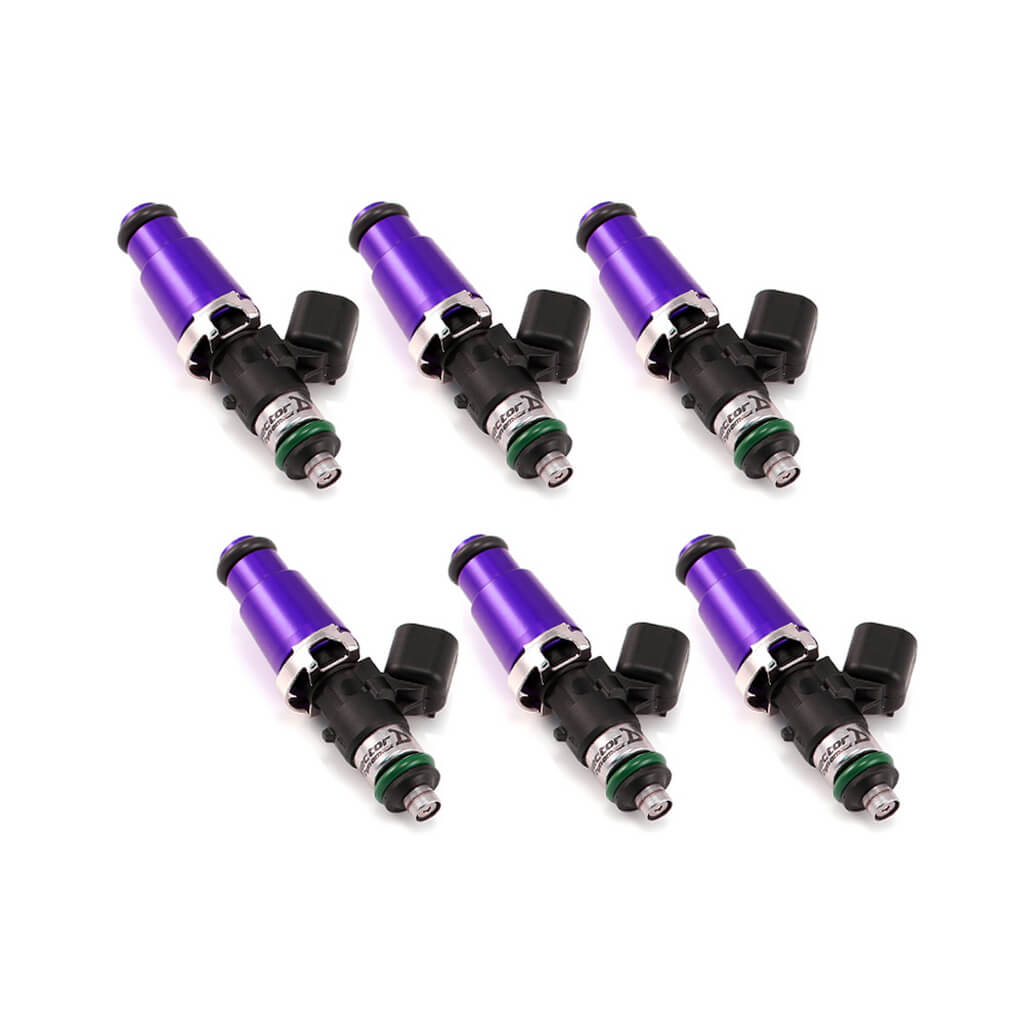
The Injector Dynamics collection available in this section includes several fuel system components designed for performance engine applications. These components are engineered to support stable fuel delivery and accurate air-fuel ratio control in high-output engine configurations.
High-performance fuel injectors form the core of many upgraded fuel systems because they determine how accurately fuel can be delivered to the engine. Fuel system accessories and filtration components complement these injectors by helping maintain clean fuel flow and protecting sensitive injection components from contamination.
- high-flow fuel injectors engineered for performance engines
- injectors designed for precise fuel atomization
- fuel system components used in performance engine builds
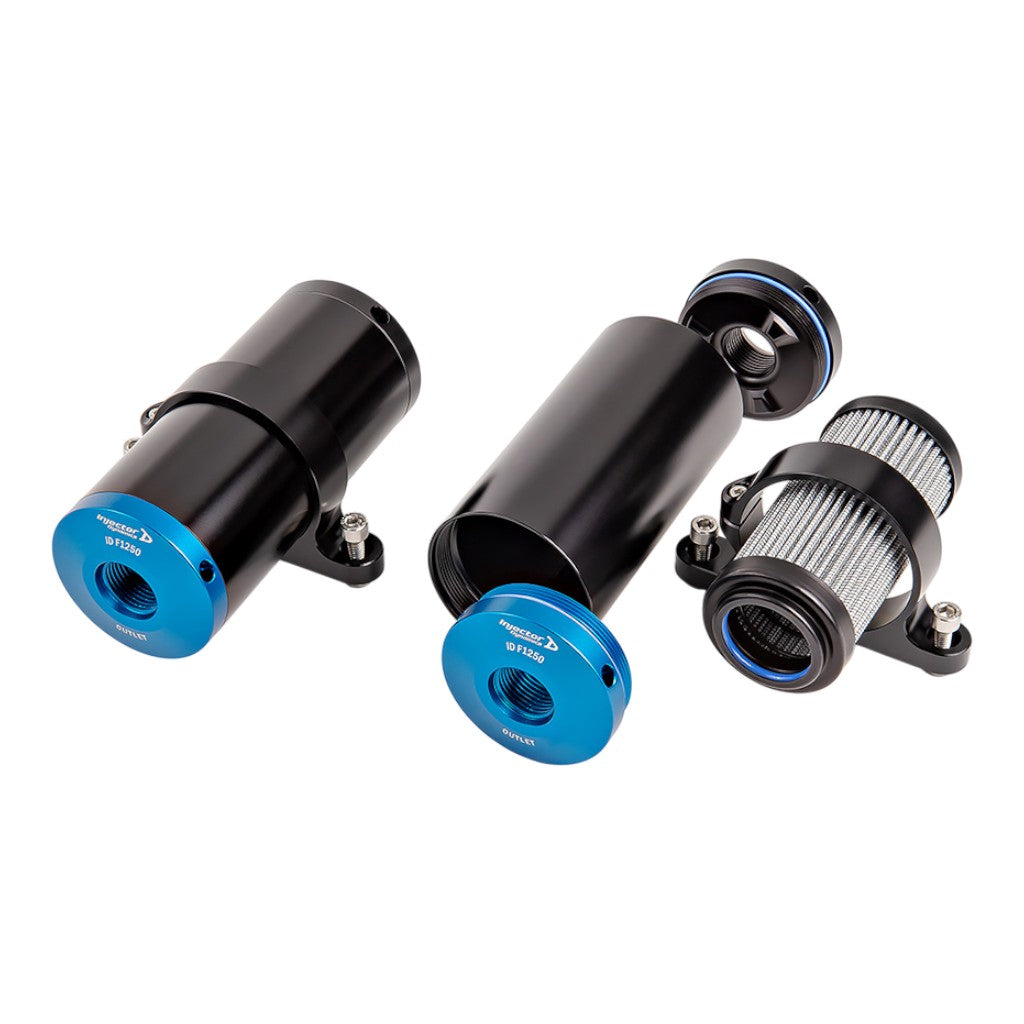
- fuel filters designed to protect fuel injection systems
These components are commonly used in fuel systems configured for increased airflow and higher engine power levels. When integrated into a properly designed fuel system, they help maintain stable fuel delivery across a wide range of engine operating conditions.
Applications of Injector Dynamics Injectors in Performance Engine Builds
Performance fuel injectors are widely used in modified vehicles and motorsport engines where increased horsepower and boost pressure require greater fuel delivery capacity. Turbocharged engines, in particular, rely heavily on high-capacity fuel injectors to maintain balanced combustion as airflow increases.
Many performance platforms utilize upgraded fuel injectors as part of comprehensive engine modifications. Vehicles such as the Nissan GT-R, Toyota Supra performance builds, Subaru WRX and STI models, and modern turbocharged BMW engines often incorporate higher-flow injectors to support increased engine output. As these engines produce more power through improved airflow and turbocharging, the fuel system must deliver additional fuel with precise timing and consistency.
Upgraded injectors allow engine builders to maintain proper air-fuel ratios even when engine output increases significantly. Stable fuel delivery helps preserve combustion efficiency and reduces the risk of lean conditions that could damage engine components. When injectors provide consistent flow and atomization, the engine can maintain predictable performance across varying loads and speeds.
Engines operating in hot climates may experience additional thermal stress within the fuel system. Elevated ambient temperatures can influence fuel density and system pressures, making consistent injector performance particularly important. Fuel injectors designed for performance environments help maintain stable fuel delivery even when operating conditions become more demanding.
Reliable injector operation contributes to stable combustion, improved throttle response, and consistent engine performance. These factors become increasingly important as engines operate closer to their mechanical limits during performance driving.
Selecting Fuel Injectors for High-Performance Engine Configurations
Choosing appropriate fuel injectors for a performance engine requires evaluating several factors related to engine configuration and power goals. One of the primary considerations is injector flow capacity. Engine builders calculate required injector flow rates based on expected horsepower levels and fuel system pressure. Selecting injectors with sufficient capacity ensures that the engine can receive adequate fuel during peak power output.
Fuel pressure compatibility is another key factor in injector selection. Fuel injectors operate within a specific pressure range determined by the fuel pump and fuel pressure regulator. Ensuring that injectors function correctly within the intended fuel pressure range helps maintain stable fuel flow and predictable engine operation.
Engine power goals and airflow characteristics must also be considered. Engines equipped with larger turbochargers, high-performance intake systems, or aggressive engine tuning require injectors capable of supplying increased fuel quantities. Proper injector sizing helps prevent fuel delivery limitations that could restrict engine performance.
Compatibility with engine tuning software and electronic control systems is equally important. Modern engine management systems rely on precise injector calibration data to control fuel delivery accurately. When injectors are properly characterized and integrated into the engine control system, the engine can maintain balanced combustion across varying operating conditions.
Balancing airflow, fuel delivery, and engine calibration is essential for maintaining reliable engine performance. When the fuel system is configured correctly, the engine can operate efficiently while producing increased power output.
Injector Dynamics Fuel System Components Available at ATOMIC-SHOP
ATOMIC-SHOP offers a selection of Injector Dynamics fuel system components designed for performance engines and high-output engine builds. The available range includes high-performance fuel injectors, fuel system accessories, fuel filters, and related hardware used in performance fuel system installations.
These components are commonly used in engines that require precise fuel delivery and stable air-fuel ratio control under demanding operating conditions. By supporting accurate fuel atomization and reliable fuel flow, performance fuel injectors contribute to the efficiency, durability, and stability of modern high-performance engines.