












Performance Suspension Systems and Vehicle Dynamics from Eibach
Eibach is known in the automotive industry for developing suspension components designed to improve vehicle handling, stability, and overall driving dynamics. The company manufactures performance springs, sway bars, and suspension systems used in both road vehicles and motorsport applications. These components are engineered to influence how a vehicle responds to steering input, acceleration, braking, and changes in road surface conditions. By carefully tuning suspension characteristics, engineers can significantly improve the balance and control of performance vehicles.
In modern performance vehicles, suspension systems play a central role in maintaining stability while allowing the tires to maintain consistent contact with the road surface. The suspension connects the vehicle chassis to the wheels and helps control how forces generated during driving are transferred through the vehicle structure. Proper suspension tuning allows the vehicle to remain stable during rapid direction changes, high-speed cornering, and aggressive braking. Components such as performance springs and anti-roll bars influence how the suspension reacts to these forces and how the vehicle distributes weight during dynamic driving situations.
Vehicle balance and driving dynamics depend heavily on suspension geometry and spring characteristics. Performance-oriented suspension systems are designed to reduce unnecessary body movement while maintaining sufficient suspension travel for road irregularities. This balance between stiffness and compliance allows the driver to maintain better control over the vehicle, especially during demanding driving conditions.
Engineering Principles Behind Performance Suspension Design
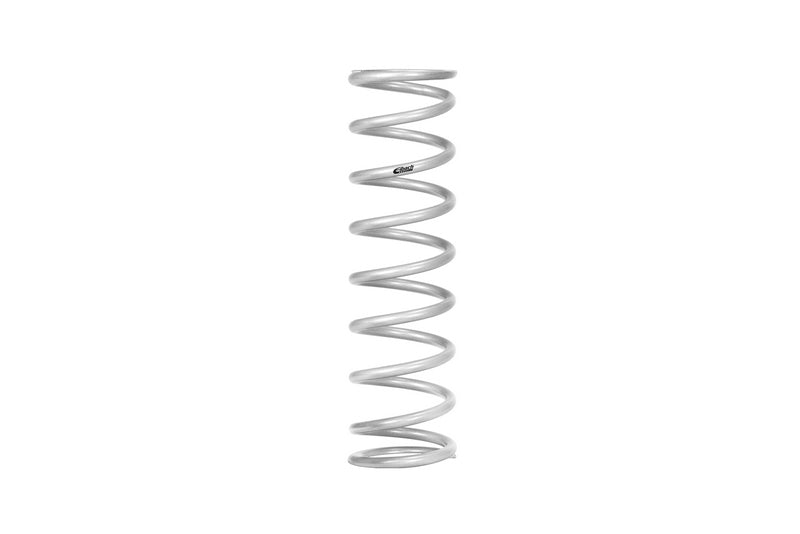
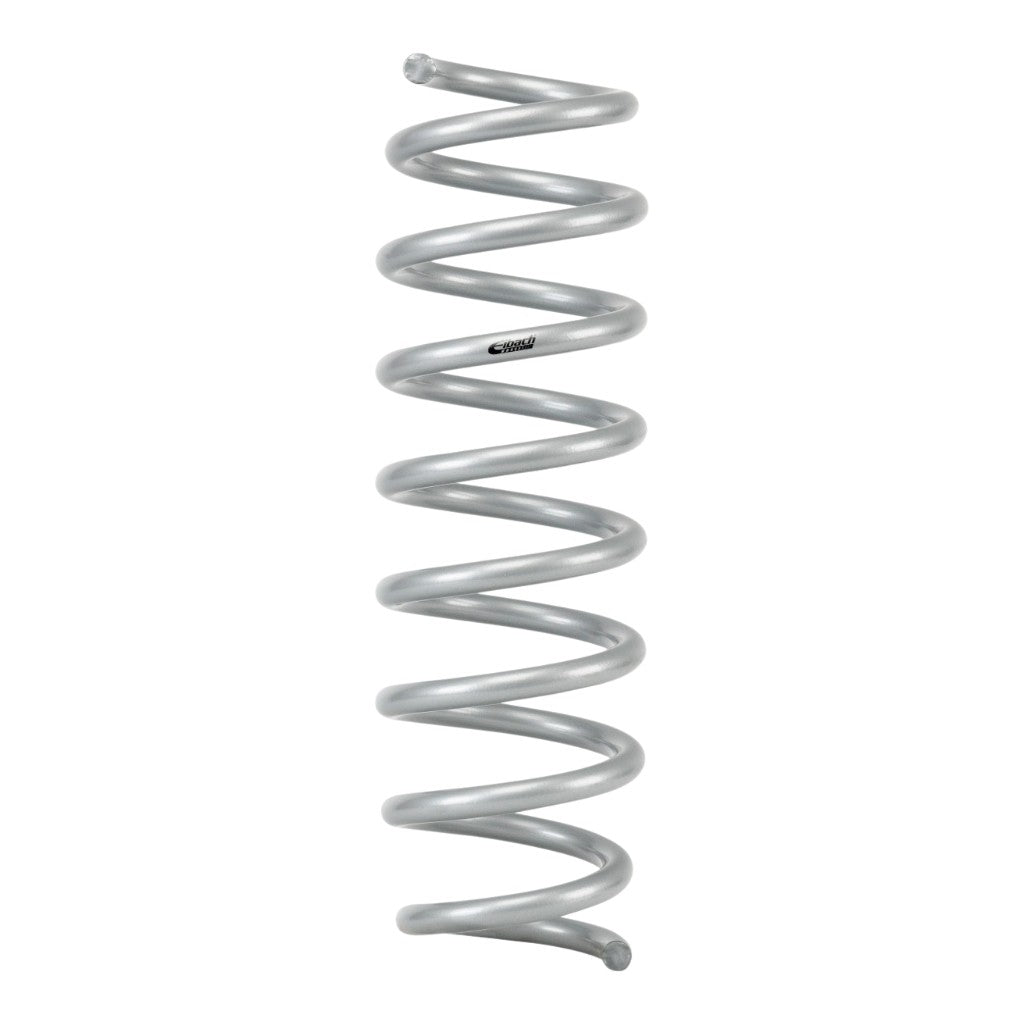
Suspension engineering involves careful control of several mechanical parameters, including spring rate, damping behavior, suspension travel, and vehicle weight distribution. Springs support the weight of the vehicle while allowing controlled movement of the wheels relative to the chassis. The spring rate determines how much force is required to compress the spring and therefore influences how the vehicle reacts to road inputs and weight transfer during acceleration or braking.
In performance driving situations, controlling body roll becomes particularly important. When a vehicle enters a corner, centrifugal forces shift weight toward the outside wheels. Excessive body roll can reduce the effectiveness of tire contact and alter suspension geometry, which may decrease vehicle stability. Anti-roll bars, also known as sway bars, are designed to limit this lateral body movement by connecting the left and right suspension components and resisting excessive chassis roll during cornering.
Maintaining consistent tire contact with the road surface is one of the most important goals of suspension design. Tires generate the forces required for steering, braking, and acceleration, and these forces can only be transmitted effectively when the tire maintains proper contact with the road. Performance suspension components help control vertical wheel movement and limit unwanted chassis motion, allowing the tires to operate within their optimal grip range.
High-speed cornering and aggressive driving conditions place significant loads on suspension components. Springs and sway bars must be strong enough to maintain suspension geometry under load while still allowing controlled suspension travel. Engineers must also consider how suspension changes affect vehicle balance between the front and rear axles. Proper tuning of suspension components helps achieve predictable handling behavior and stable vehicle response during dynamic driving.
Eibach Suspension Components Included in This Category
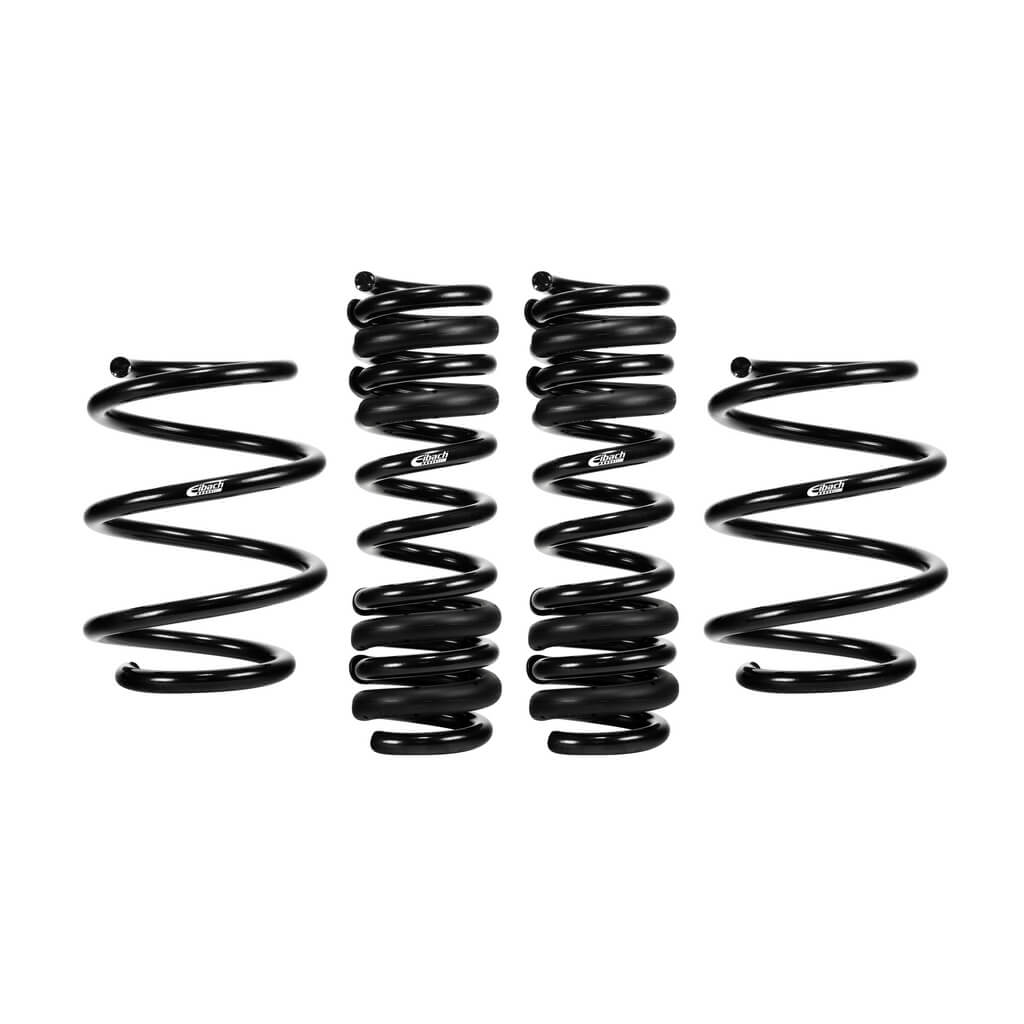
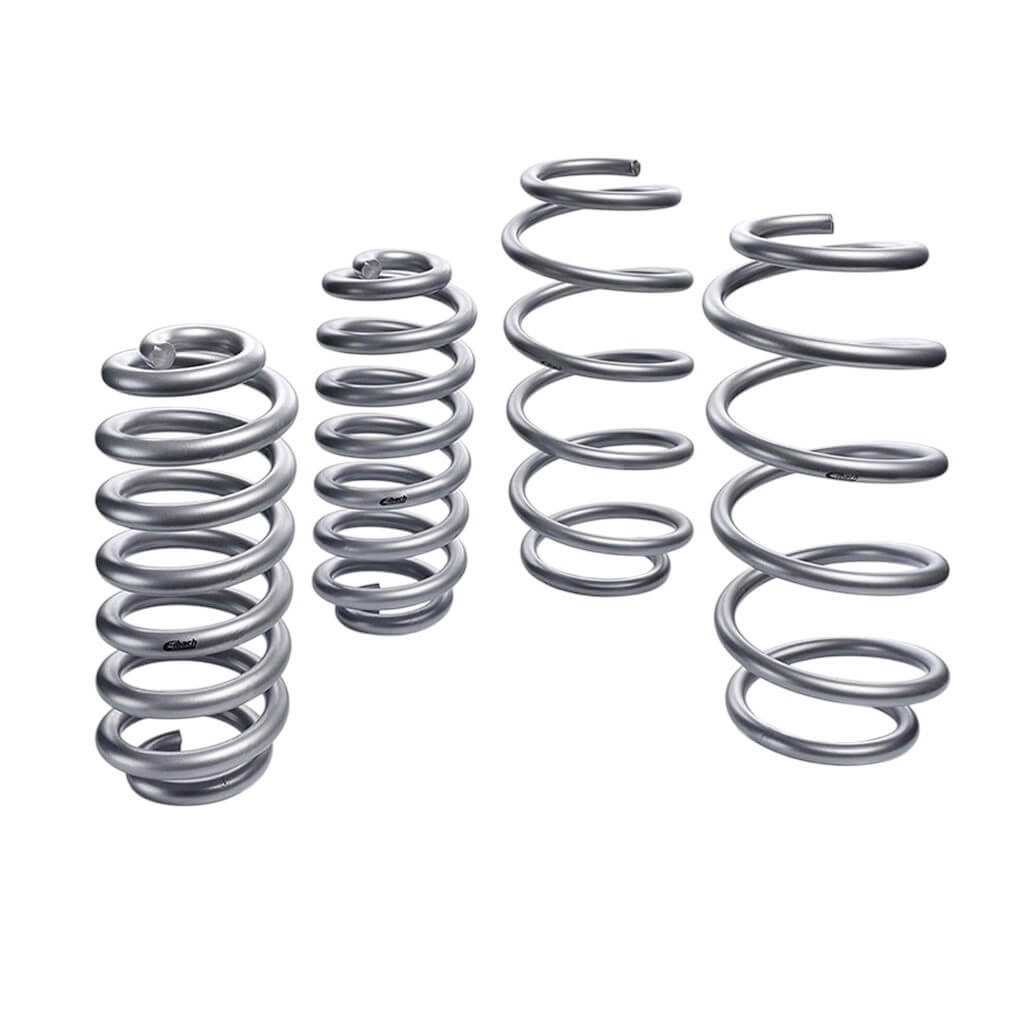
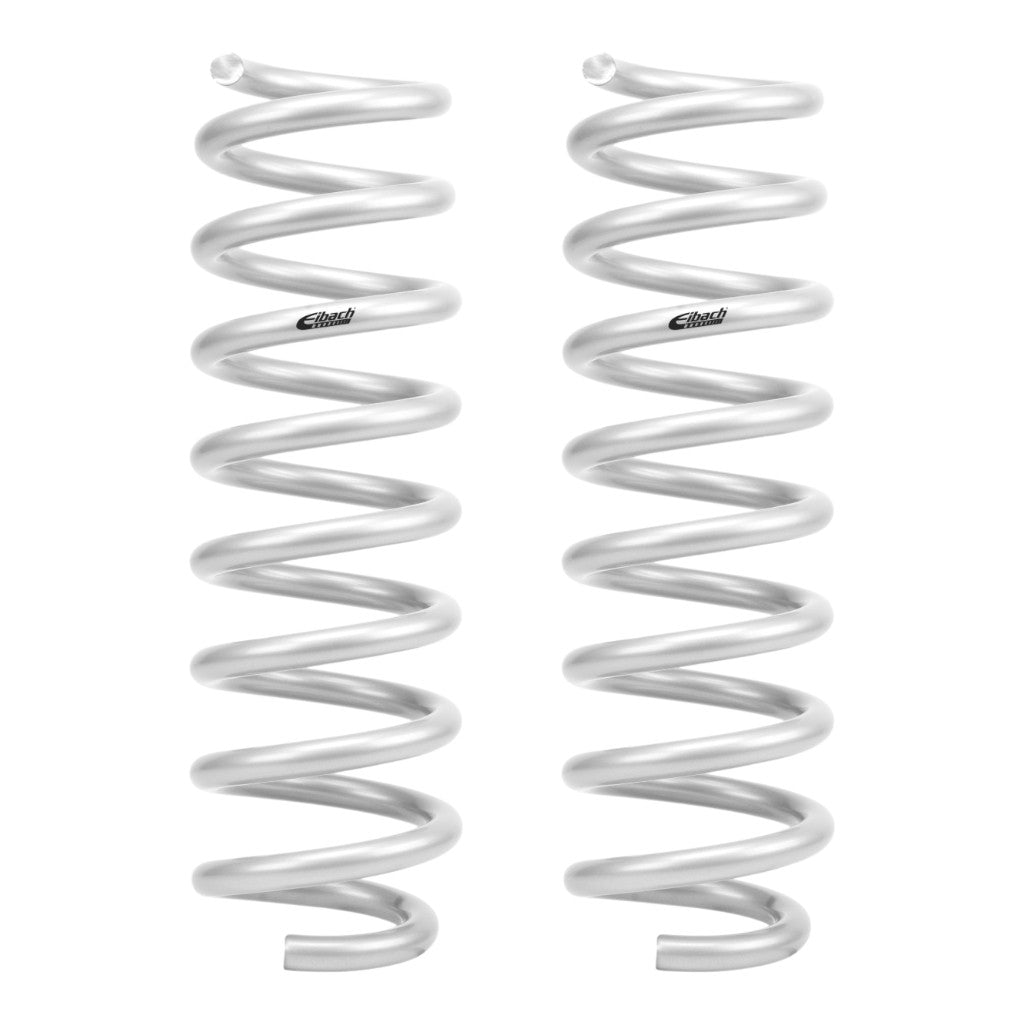
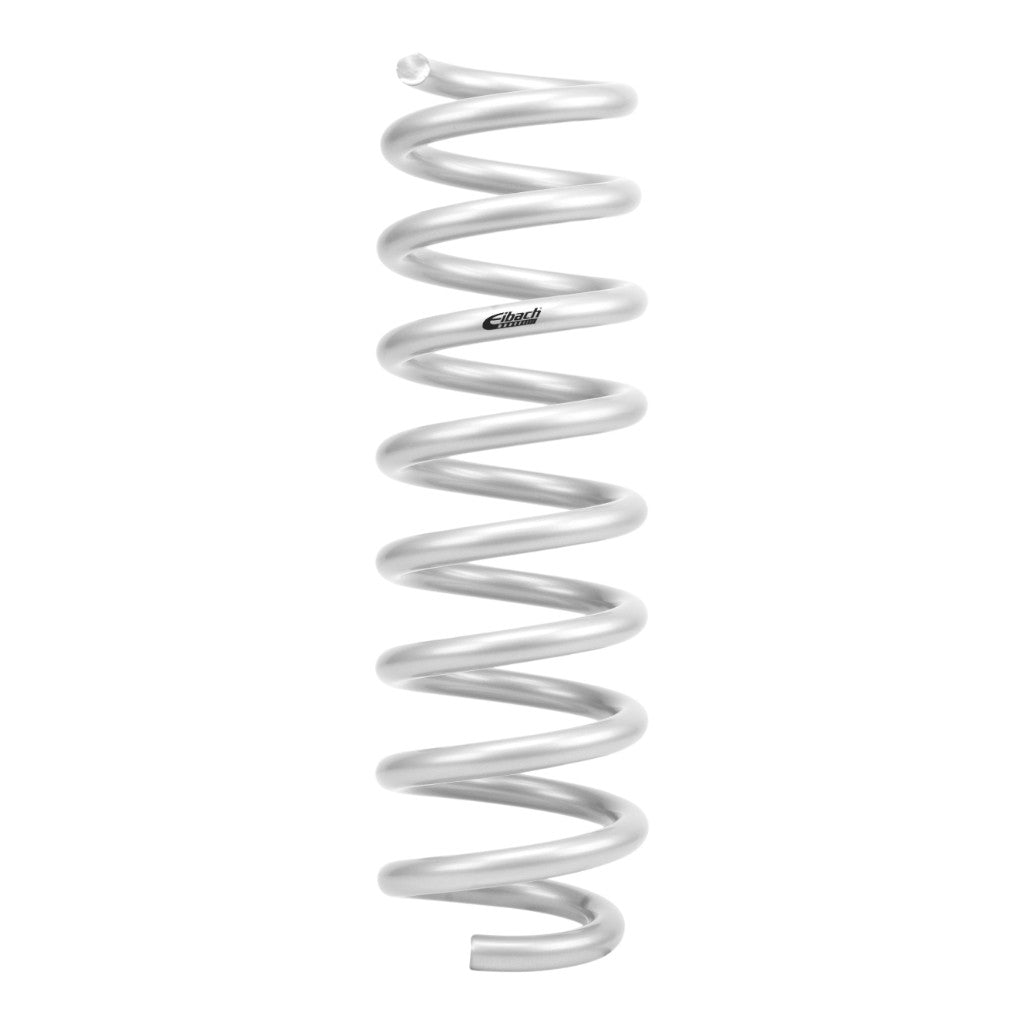
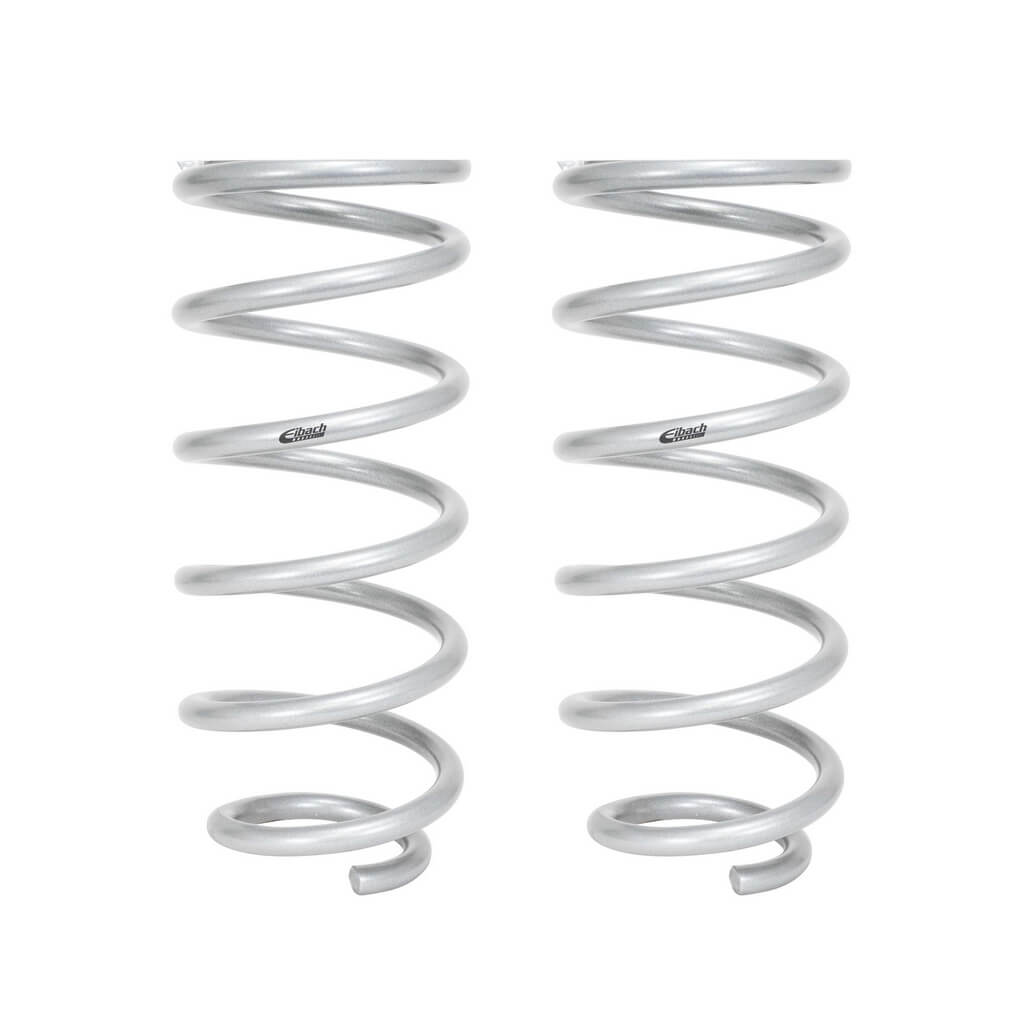
The Eibach suspension components available in this category include several products designed to improve the handling characteristics of performance vehicles. These parts are typically installed as part of suspension upgrades intended to enhance vehicle stability, reduce body movement, and improve steering response. Performance springs and sway bars are among the most common upgrades used to refine suspension behavior without requiring a complete redesign of the vehicle chassis.
Suspension upgrades often involve replacing factory springs with sport-oriented springs that provide a more controlled spring rate and reduced ride height. Lower ride heights can improve the vehicle's center of gravity and reduce weight transfer during cornering. Anti-roll bars further enhance suspension performance by limiting body roll and improving lateral stability.
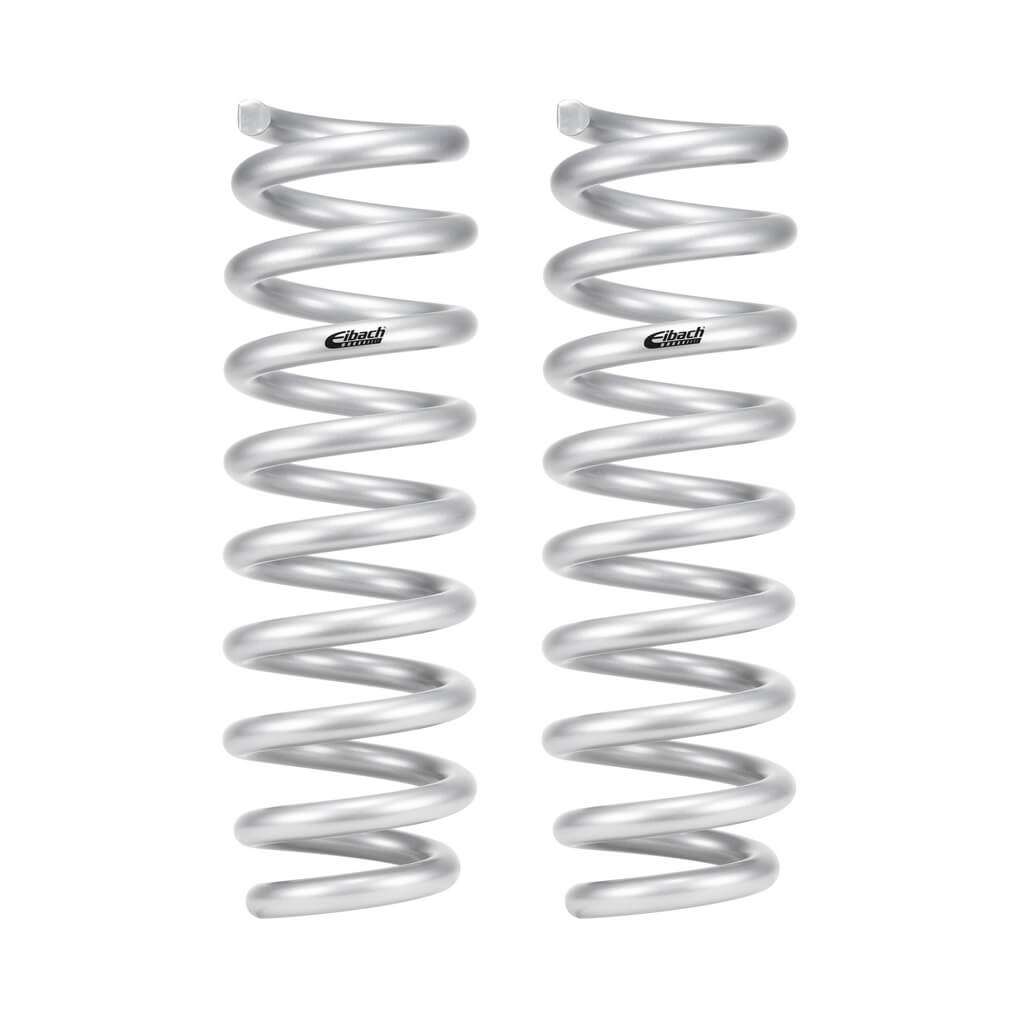
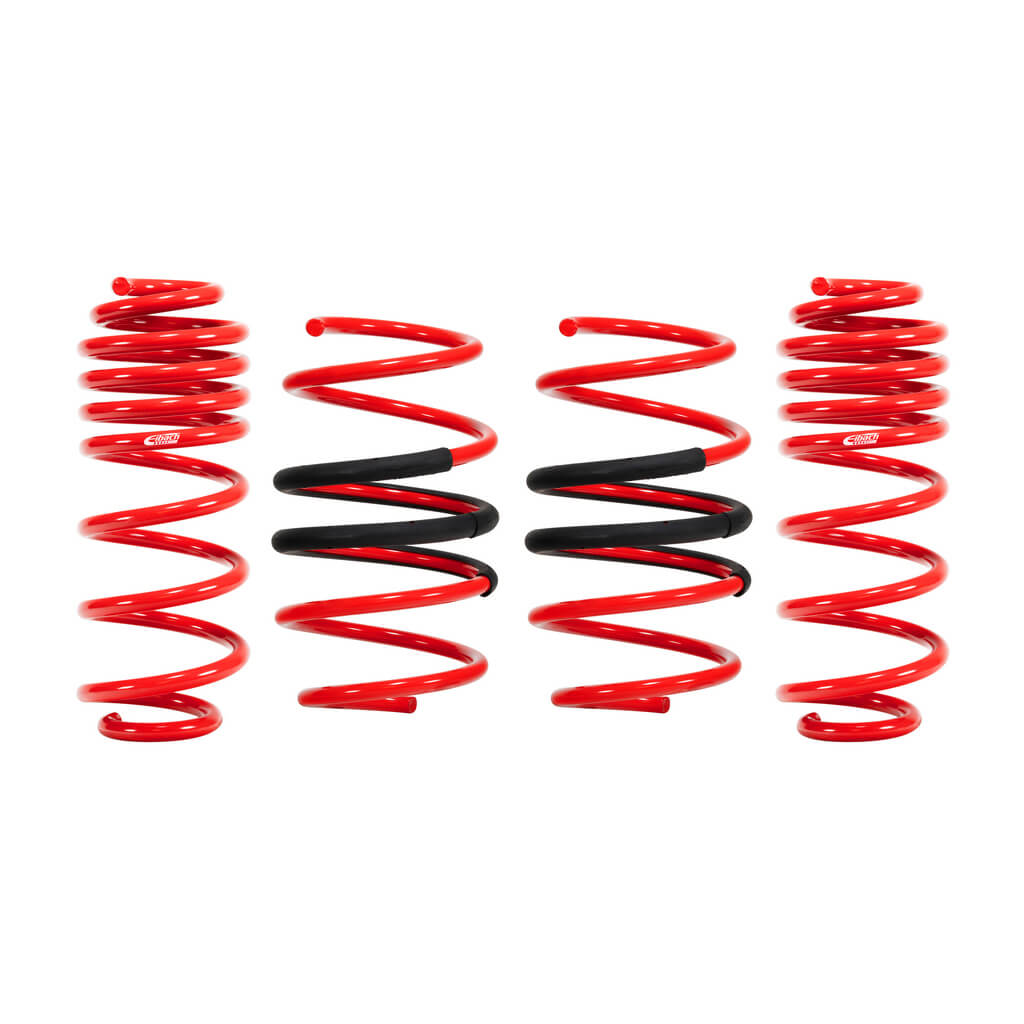
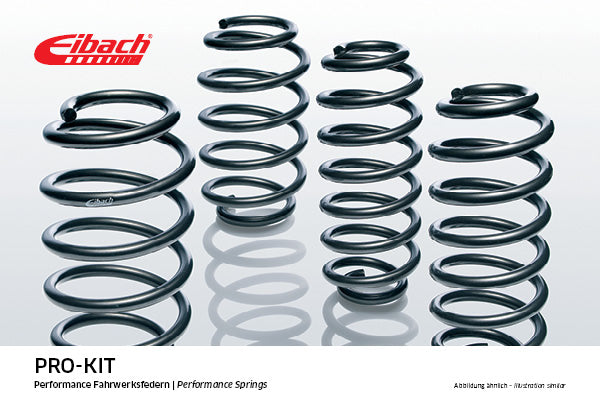
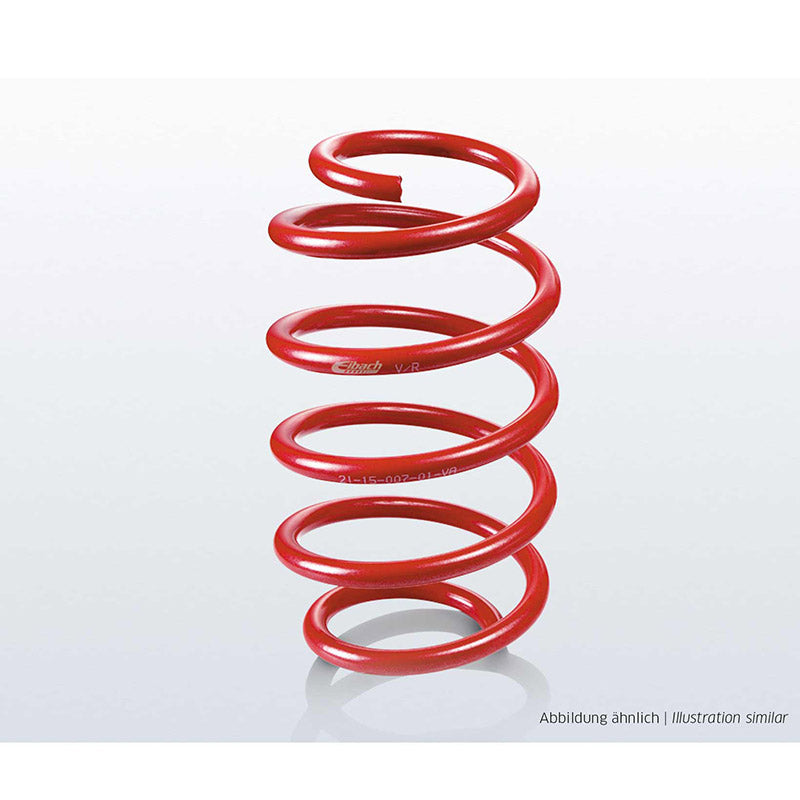
- performance lowering springs designed to improve vehicle handling
- sport suspension springs engineered for balanced ride and control
- sway bars developed to reduce body roll during cornering
- suspension components used in performance suspension setups
These suspension components are frequently combined with compatible shock absorbers and other chassis upgrades to create a complete suspension system designed for performance driving. When installed and tuned correctly, these upgrades can significantly improve the responsiveness and stability of a vehicle.
Performance Vehicles Commonly Using Upgraded Suspension Systems
Performance suspension upgrades are widely used in sport-oriented road cars and modified vehicles where improved handling characteristics are desired. Platforms such as BMW performance models, Porsche sports cars, and Volkswagen performance vehicles often benefit from suspension tuning that enhances cornering behavior and steering precision. In these vehicles, upgraded springs and sway bars can help reduce body movement and improve driver feedback.
Track-oriented street vehicles frequently incorporate suspension modifications to achieve a more balanced chassis setup. During aggressive driving, suspension components must control rapid weight transfer and maintain stable tire contact across all four wheels. By adjusting spring rates and roll stiffness, engineers and vehicle builders can influence how the vehicle responds during cornering and braking.
Suspension upgrades can also improve driver confidence by making the vehicle's handling behavior more predictable. When body roll and weight transfer are properly managed, the driver can better anticipate how the vehicle will react to steering inputs and changes in throttle position. This predictability becomes especially valuable during high-speed driving or when navigating complex road conditions.
Vehicles operating in hot climates place additional stress on suspension components and tires because elevated temperatures can affect material behavior and tire grip characteristics. Maintaining stable suspension geometry and consistent load control helps ensure that the suspension system continues to function reliably under these conditions.
Factors to Consider When Selecting Suspension Components
Selecting suspension components for performance driving requires consideration of several mechanical and dynamic factors. One of the most important is spring rate, which determines how stiff or compliant the suspension will be under load. Higher spring rates can reduce body movement and improve handling response, but excessively stiff springs may reduce ride comfort and suspension travel on uneven roads.
Ride height changes are another common consideration when installing performance suspension components. Lowering springs reduce the distance between the vehicle body and the road surface, which lowers the center of gravity and can improve cornering stability. However, ride height changes must be carefully balanced to ensure that suspension geometry and wheel alignment remain within optimal operating ranges.
Compatibility with shock absorbers is also essential when upgrading suspension components. Springs and dampers must work together to control suspension movement effectively. If spring stiffness increases without appropriate damping control, the suspension may oscillate excessively or become unstable during rapid weight transfer.
Suspension tuning ultimately influences how the vehicle distributes weight during acceleration, braking, and cornering. Properly selected components help maintain balance between the front and rear axles while allowing the driver to maintain precise control over the vehicle. This balance is essential for achieving predictable handling behavior in both road and performance driving conditions.
Eibach Suspension Components Available at ATOMIC-SHOP
ATOMIC-SHOP offers a selection of Eibach suspension components designed for performance vehicles and sport-oriented road cars. The available range includes performance lowering springs, sport suspension springs, sway bars, and related suspension upgrades used to improve vehicle stability and driving dynamics.
These suspension components are commonly used in performance builds where improved chassis balance and more responsive handling are required. By refining suspension behavior and controlling body movement, these upgrades help drivers maintain better vehicle control while supporting the demands of dynamic driving conditions.