















Why Karting Helmets Are Essential for Driver Safety
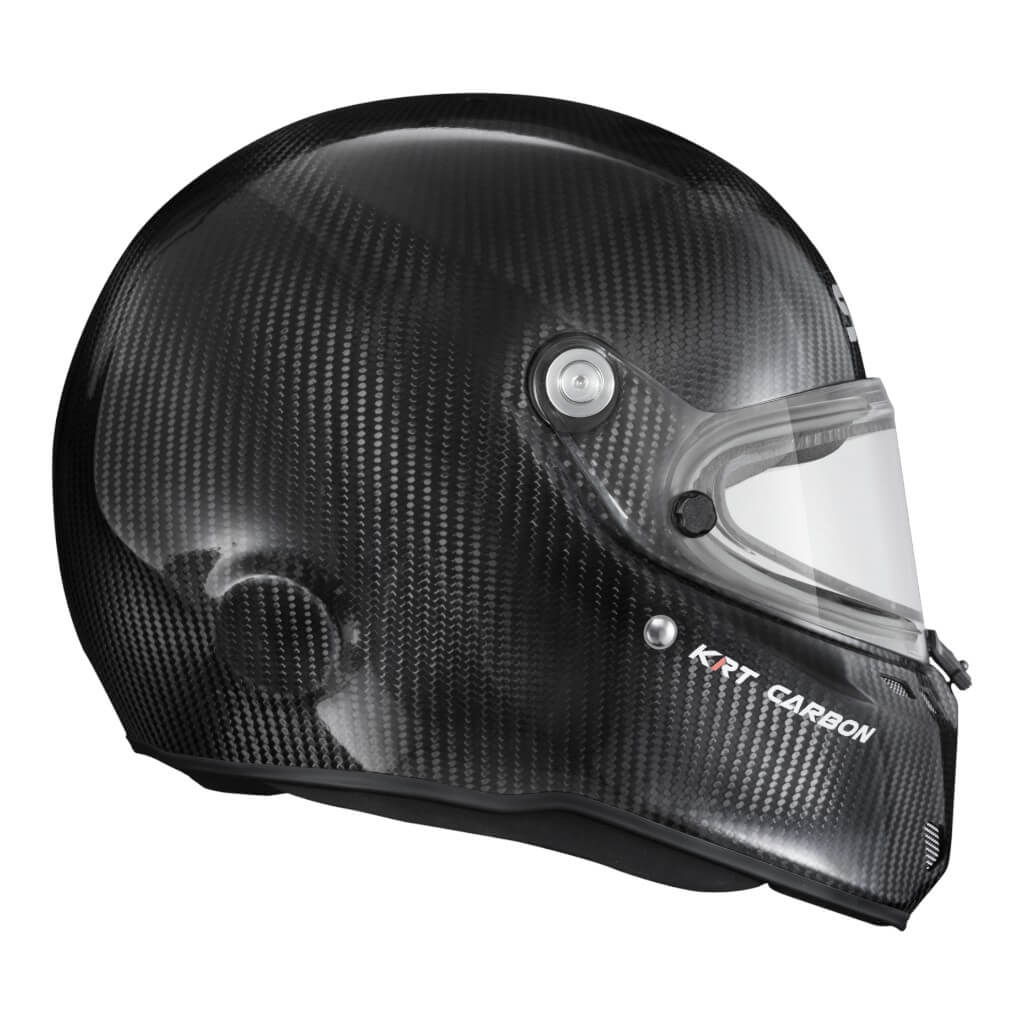
Karting helmets are one of the most important pieces of safety equipment used in kart racing and driver development environments. Unlike standard motorcycle helmets, these motorsport kart helmets are engineered specifically for the conditions encountered in karting, where drivers sit closer to the ground and are exposed to debris, tire rubber, and turbulent airflow from nearby karts. The primary function of a racing kart helmet is to protect the head and neck area during impacts while maintaining stable fitment and clear driver visibility.
Modern kart racing helmets combine structural impact protection with lightweight construction and aerodynamic stability. During competitive driving, helmets must absorb impact energy while remaining comfortable enough to prevent neck fatigue during extended sessions. Whether used in amateur racing, driver training programs, or professional kart championships, properly engineered karting helmets allow drivers to focus on vehicle control and consistent lap performance without compromising safety.
How Karting Helmets Protect Drivers During Racing
During kart competition, drivers experience significant physical forces generated by high-speed cornering, sudden braking, and frequent close contact with other competitors. Go-kart racing helmets protect drivers by absorbing and distributing impact energy through multi-layer shell construction and advanced internal foam structures. These materials are designed to dissipate energy efficiently while preventing concentrated impact forces from reaching the skull.
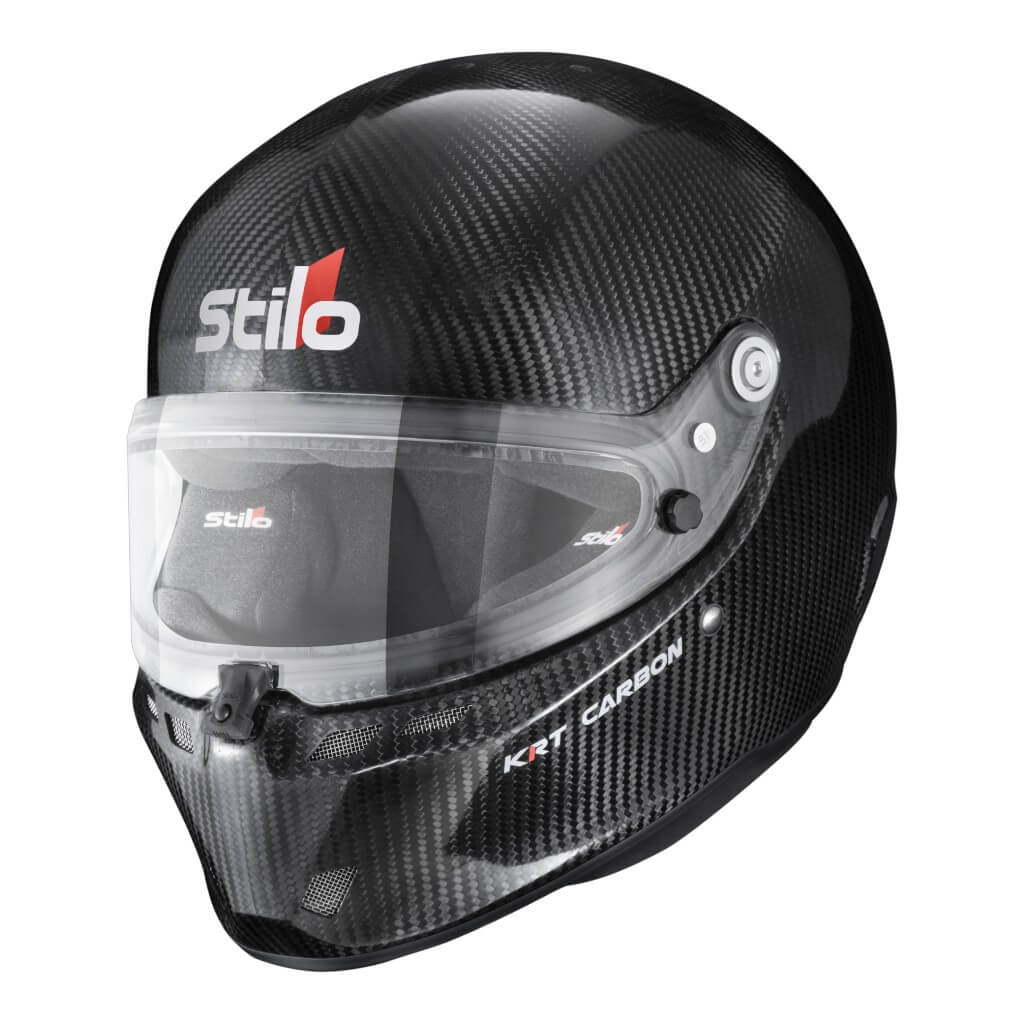
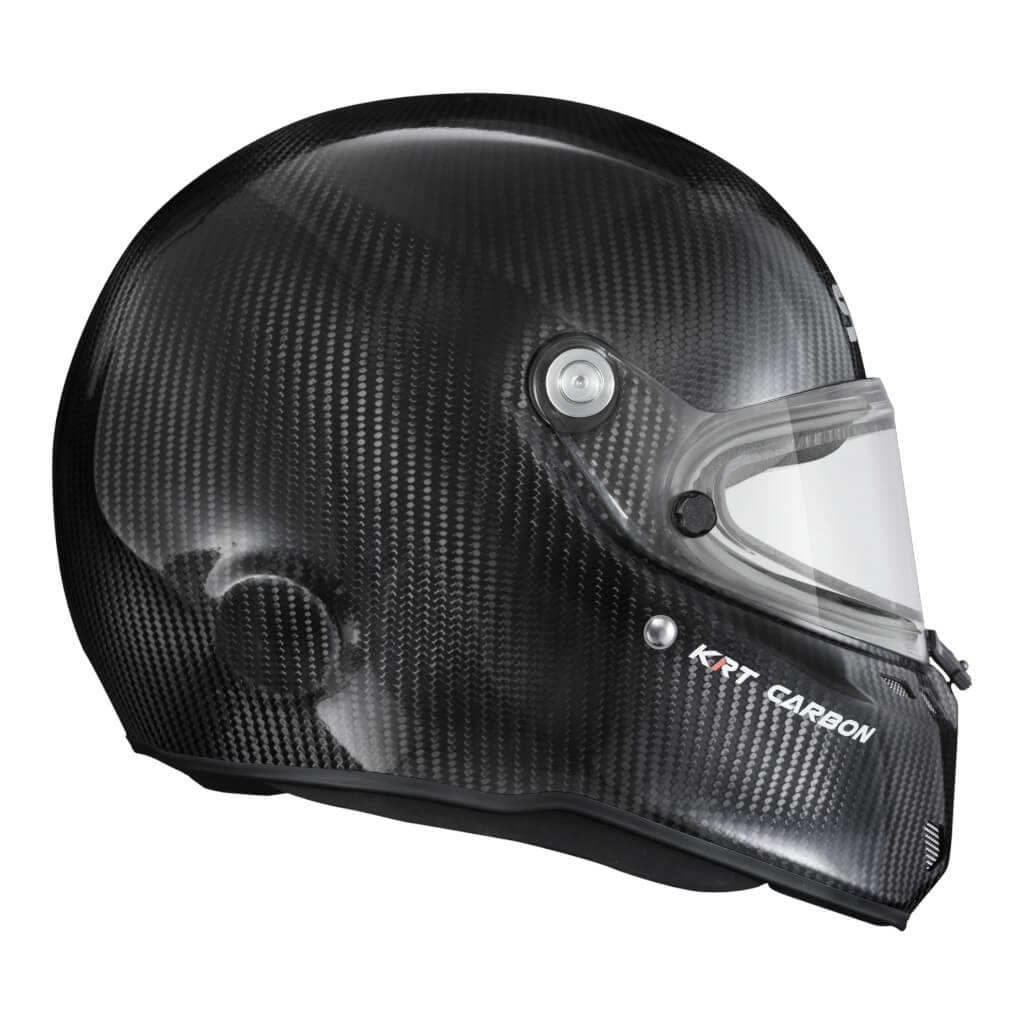
Most motorsport kart helmets incorporate multi-density EPS liners that compress progressively during impact to reduce acceleration forces transmitted to the head. The outer shell is typically produced from composite materials such as fiberglass, carbon fiber, or hybrid laminates designed to combine structural strength with low weight. This construction allows the helmet to deliver effective protection while remaining comfortable during intense racing sessions.
Visibility is another critical design consideration. Racing kart helmets feature wide visor openings that provide strong peripheral vision, allowing drivers to monitor nearby competitors and maintain awareness during close racing situations.
Types of Karting Helmets Used in Competitive Racing
Racing kart helmets can generally be divided into two categories depending on their intended use: recreational kart helmets and motorsport-grade helmets developed for competitive racing. Entry-level models are often used in rental kart facilities or beginner environments where durability and affordability are primary considerations.
Competitive kart racing typically requires helmets that comply with motorsport safety standards. These motorsport kart helmets are manufactured using higher-grade materials and must meet strict certification requirements. Well-known products such as Bell karting helmets and Arai karting helmets are commonly used by professional drivers due to their advanced shell construction and consistent safety performance.
Professional kart racing helmets also incorporate additional features including tear-off compatible visors, advanced ventilation systems, and optimized shell geometry. These design elements help drivers maintain clear vision and comfort during extended racing sessions.
Key Design Features in High Performance Karting Helmets
High-performance kart racing helmets include a range of engineering features intended to improve safety, stability, and driver comfort. Ventilation management is particularly important, as drivers often compete in physically demanding environments where internal heat buildup can quickly affect concentration and endurance.
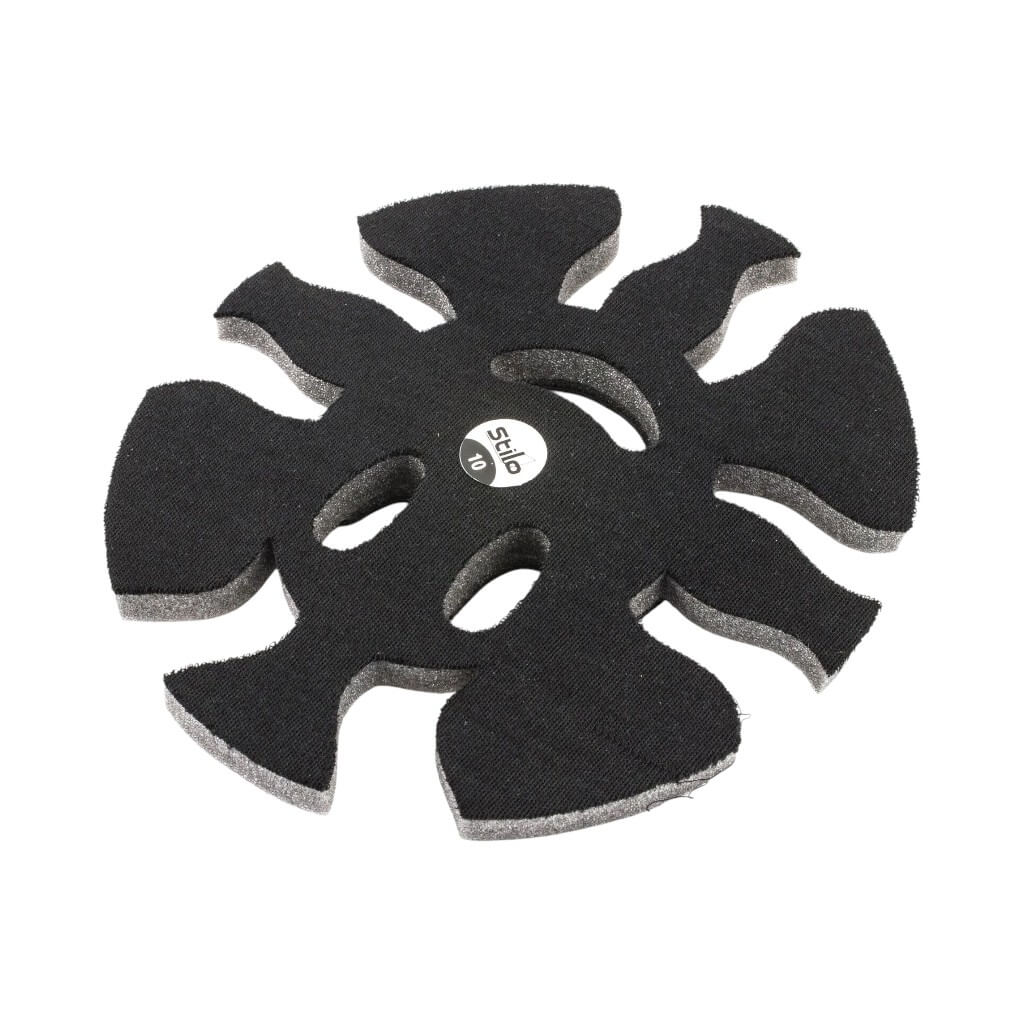
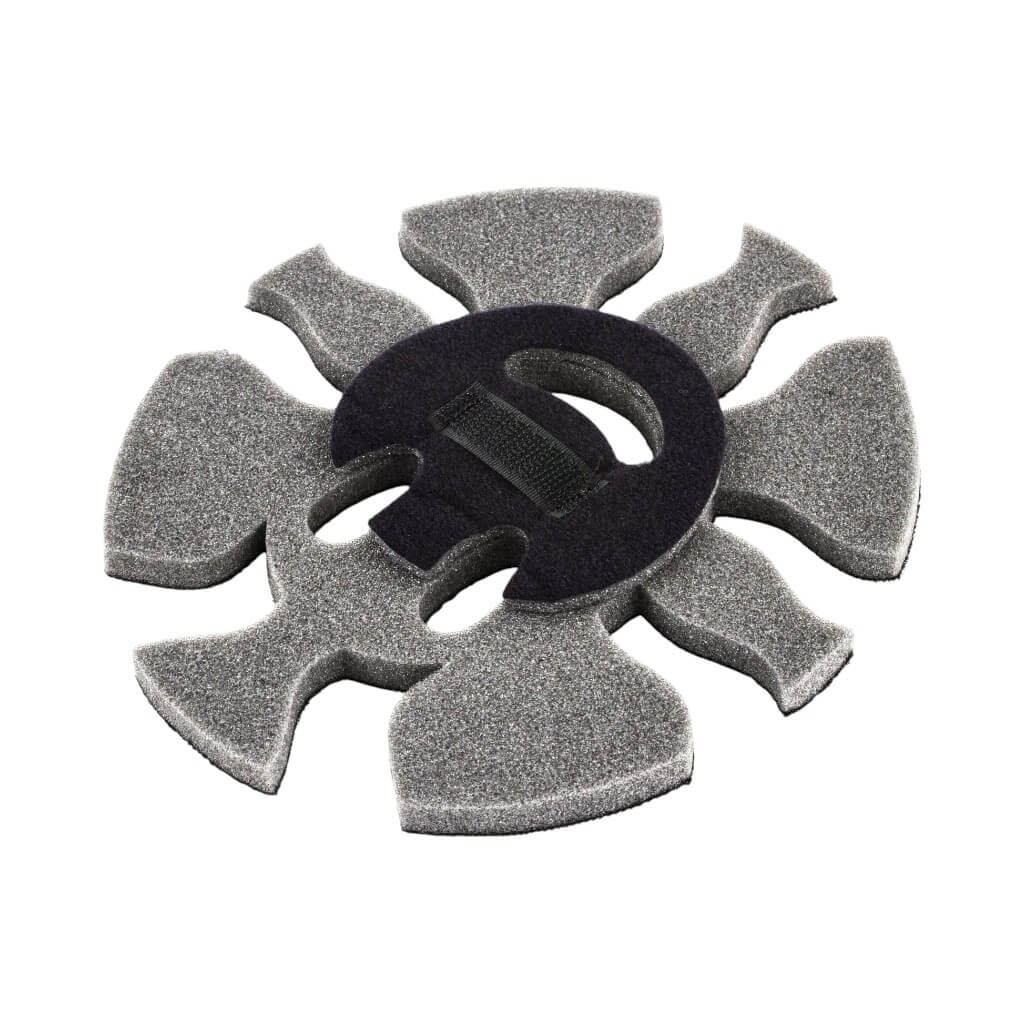
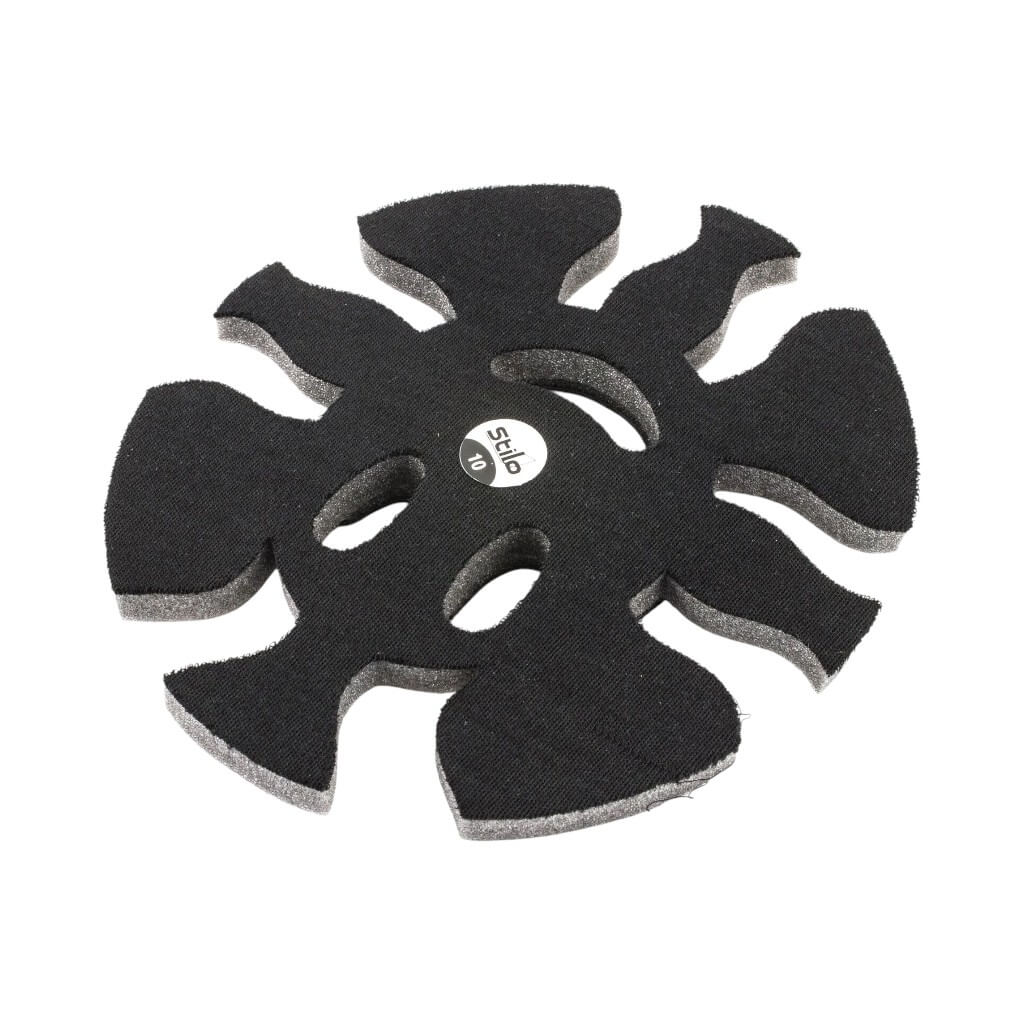
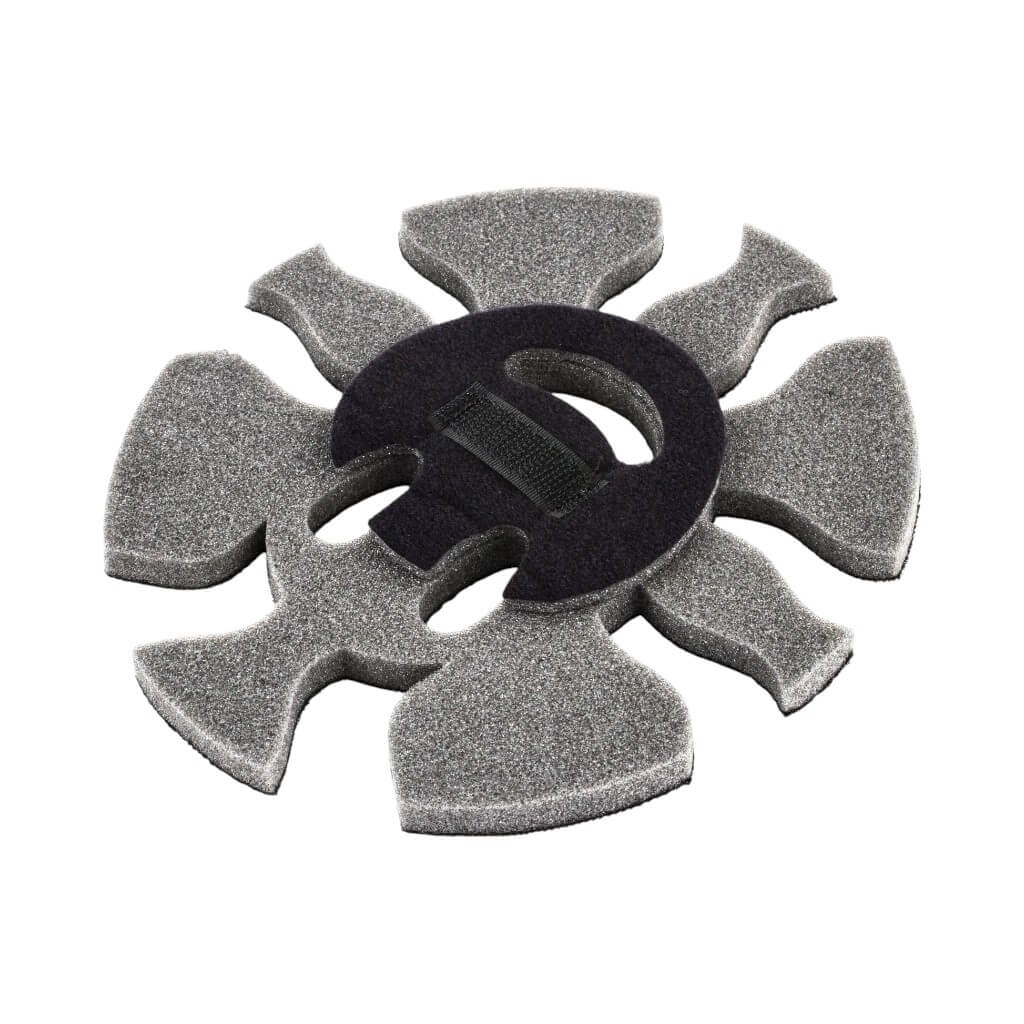
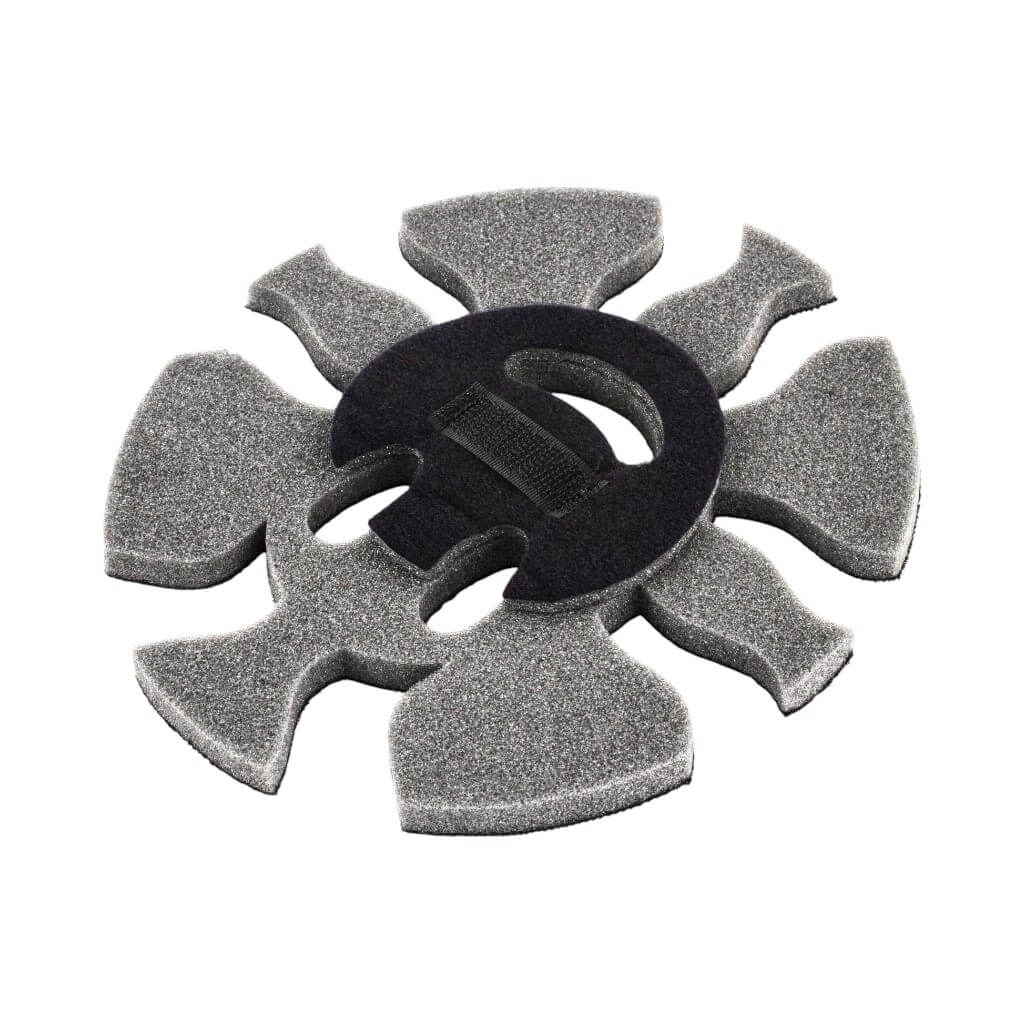
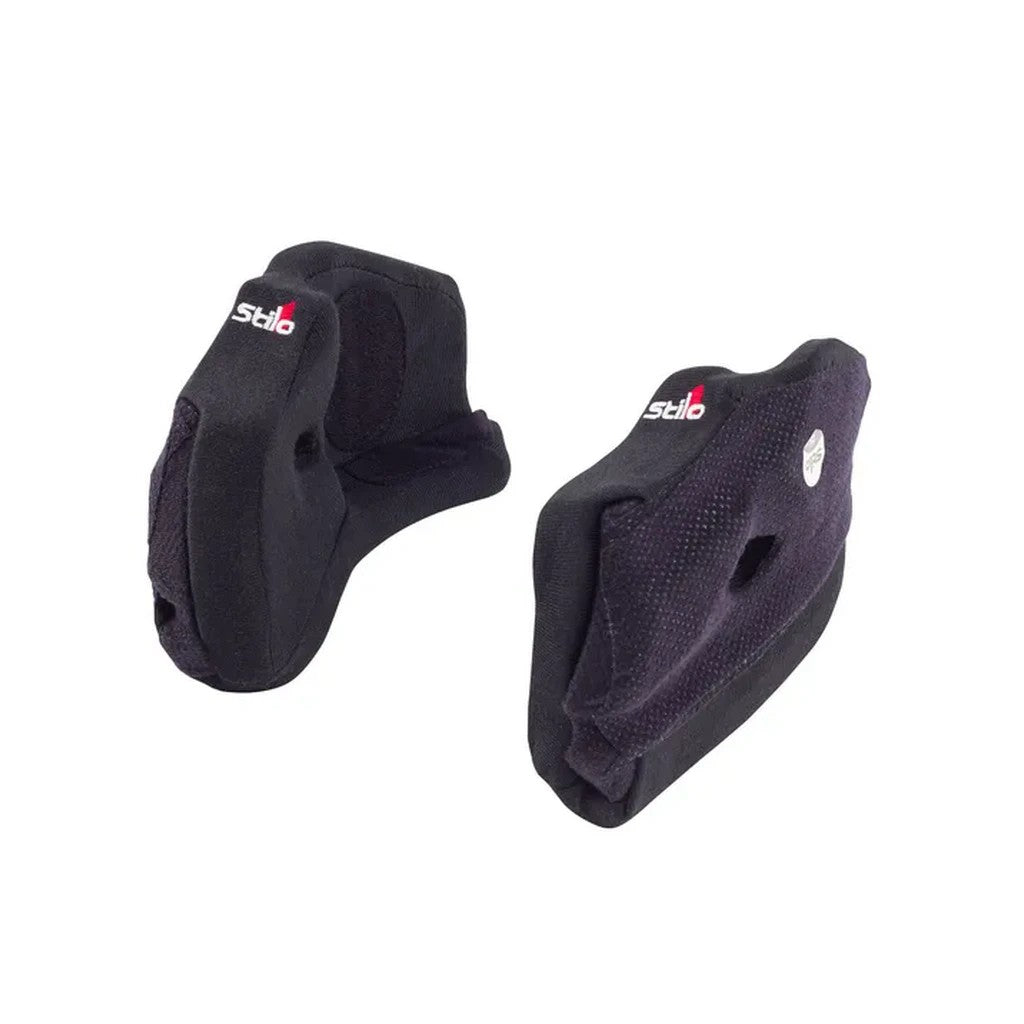
Interior padding systems are designed to create a secure and stable fit while maintaining comfort during long sessions. Removable and washable liners allow drivers to maintain hygiene while adjusting the helmet interior for personalized fitment. These systems also help stabilize the helmet during rapid head movements experienced in high-speed cornering.
- Multi-layer composite shells designed for impact protection
- Wide visor openings for improved peripheral vision
- Ventilation systems supporting airflow and driver cooling
- Removable interior liners for adjustable fit and maintenance
Materials and Engineering Behind Modern Karting Helmets
Modern kart racing helmets rely on advanced composite materials to achieve an optimal balance between strength and weight. Fiberglass composite shells remain widely used due to their reliable impact absorption characteristics and relatively low weight. Premium motorsport kart helmets may incorporate carbon fiber or hybrid composite structures that further enhance structural strength while reducing overall mass.
The internal energy management structure of a helmet is equally important. Multi-density EPS foam liners are engineered to compress in stages during an impact event, gradually dissipating energy before it reaches the driver’s head. This layered energy absorption approach improves protection across a wide range of collision scenarios.
Manufacturers continuously refine helmet shell geometry and material composition in order to improve aerodynamic stability and safety performance. These engineering improvements help drivers maintain comfort and protection even during long and physically demanding race sessions.
Karting Helmets for Racing in Hot Climate Conditions
Kart racing in hot climates presents additional challenges for driver comfort and safety. Elevated ambient temperatures can lead to heat buildup inside the helmet, which may reduce driver concentration and increase fatigue. Modern karting helmets incorporate carefully designed ventilation channels that improve airflow and help regulate internal temperature.
Karting circuits in regions such as the UAE frequently host competitive events and driver training programs throughout much of the year. In these environments, lightweight construction and efficient airflow systems become especially important for maintaining driver focus and comfort during long track sessions.
Well-designed ventilation systems allow air to circulate through the helmet interior while maintaining aerodynamic stability. This balance ensures that drivers can remain comfortable without sacrificing the protective performance of their racing equipment.
Engineering Expertise from Leading Karting Helmet Manufacturers
Bell and Arai are widely recognized for their long-standing contributions to motorsport helmet engineering. Bell karting helmets are commonly used across international kart racing championships and are known for their advanced composite shell technology and aerodynamic development. Arai karting helmets, on the other hand, are highly respected for their precision manufacturing approach and consistent attention to safety design details.
European manufacturers such as Sparco and OMP bring extensive motorsport experience to their kart racing helmet development programs. Their products are engineered to meet international safety certifications while maintaining lightweight construction and driver comfort.
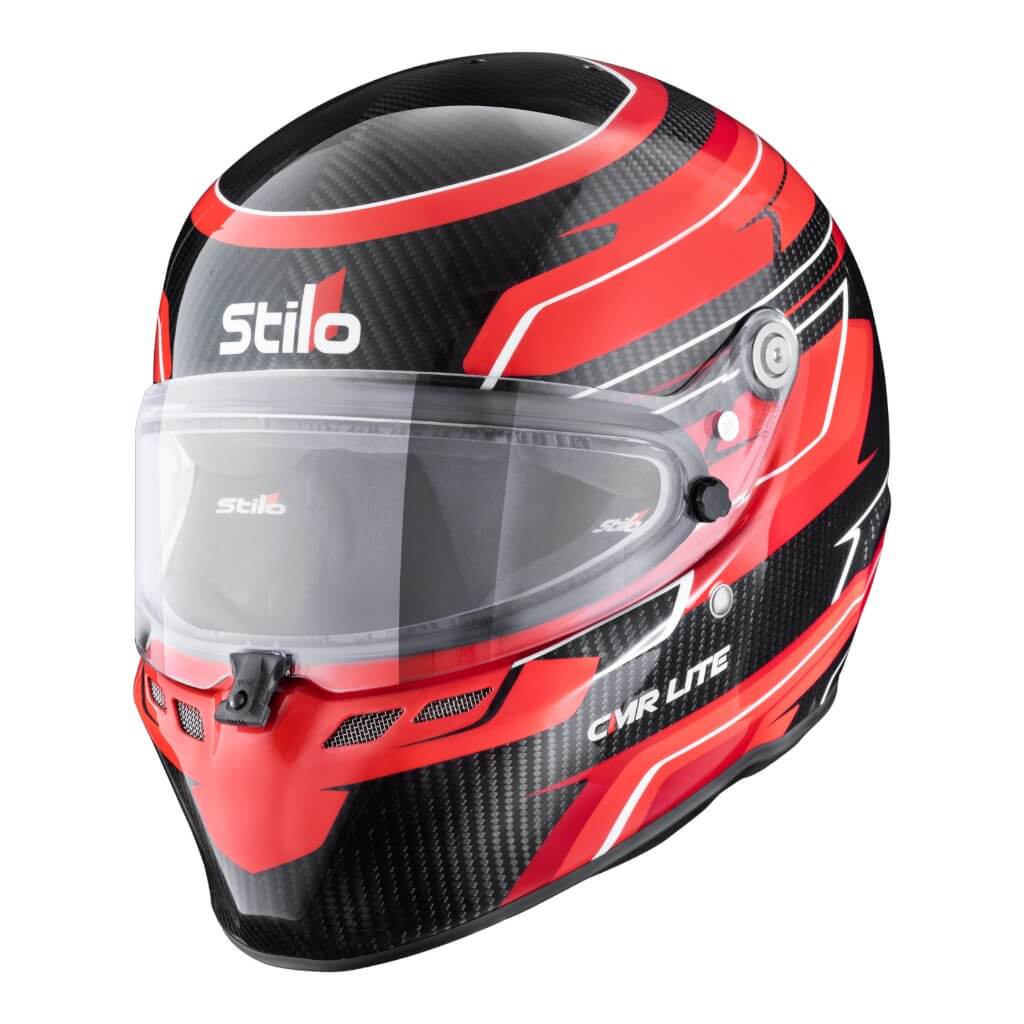
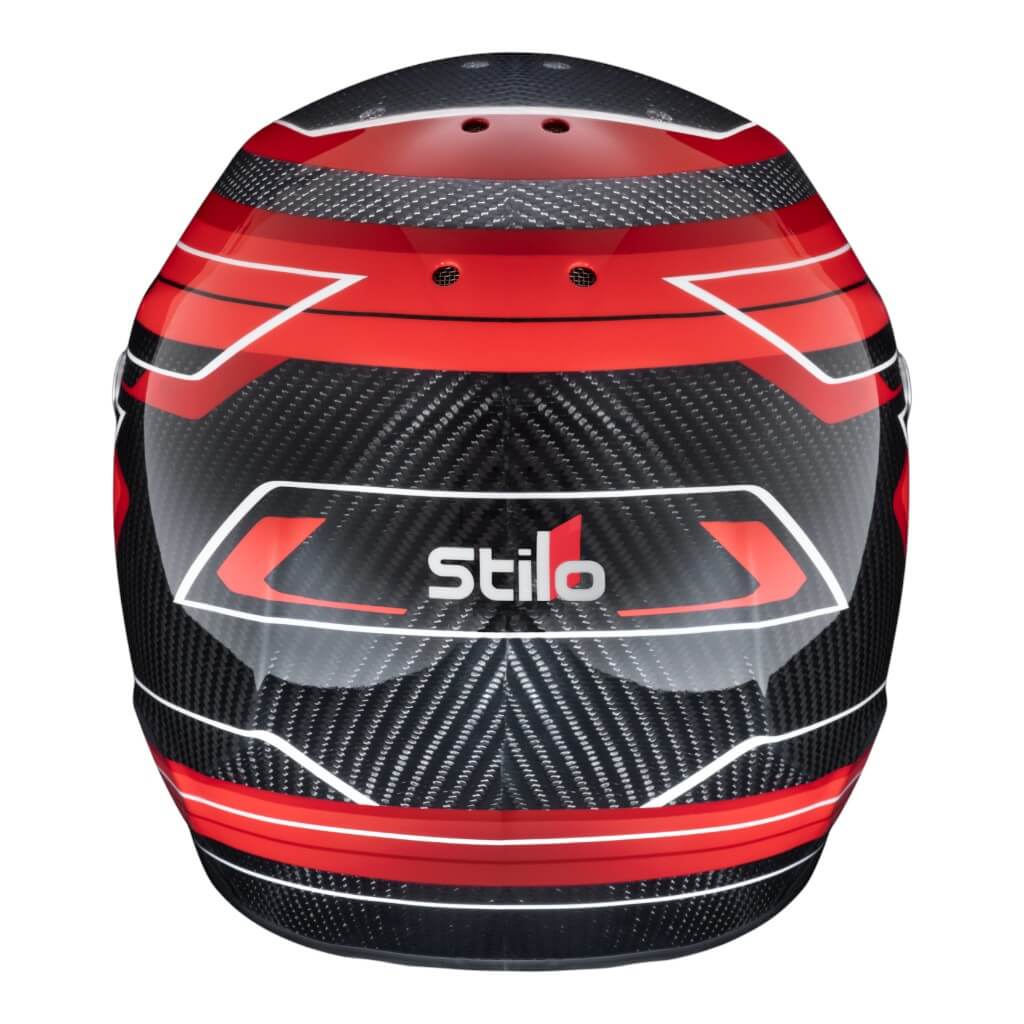
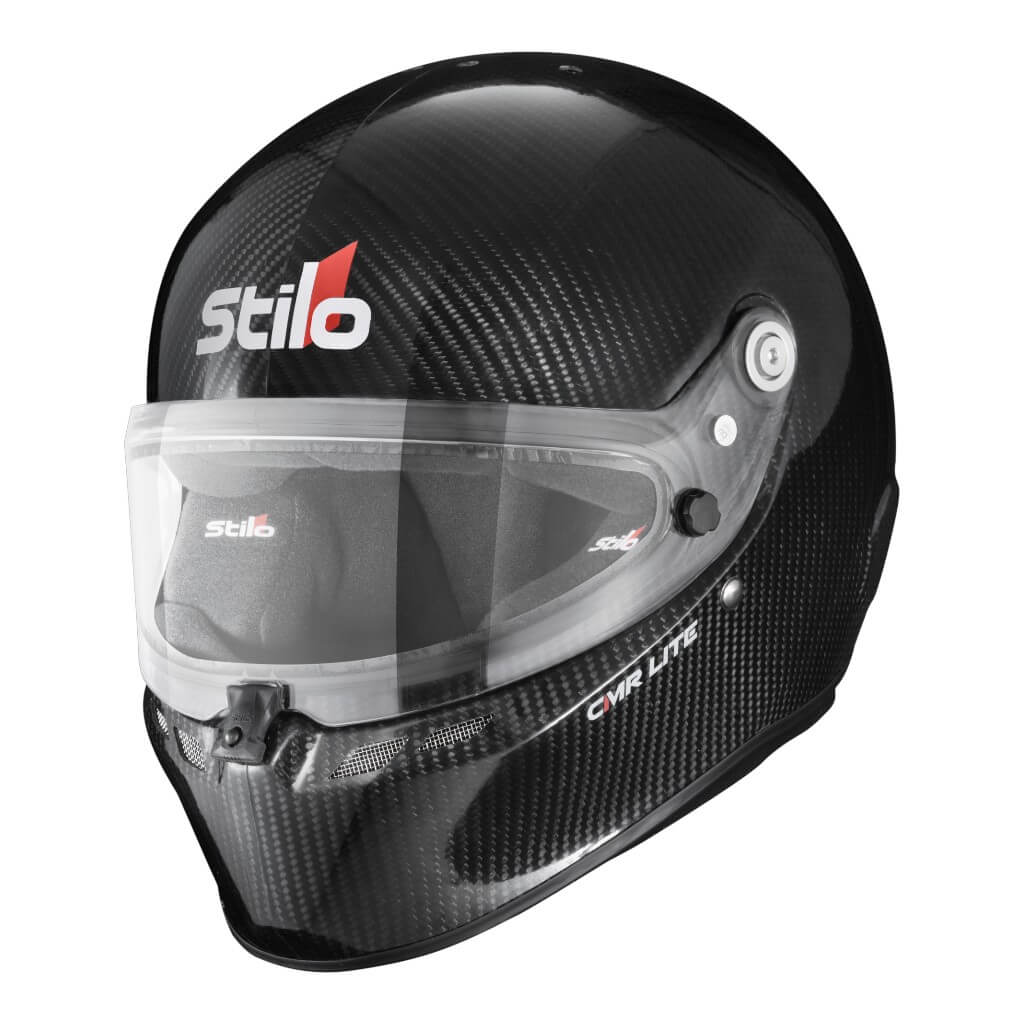
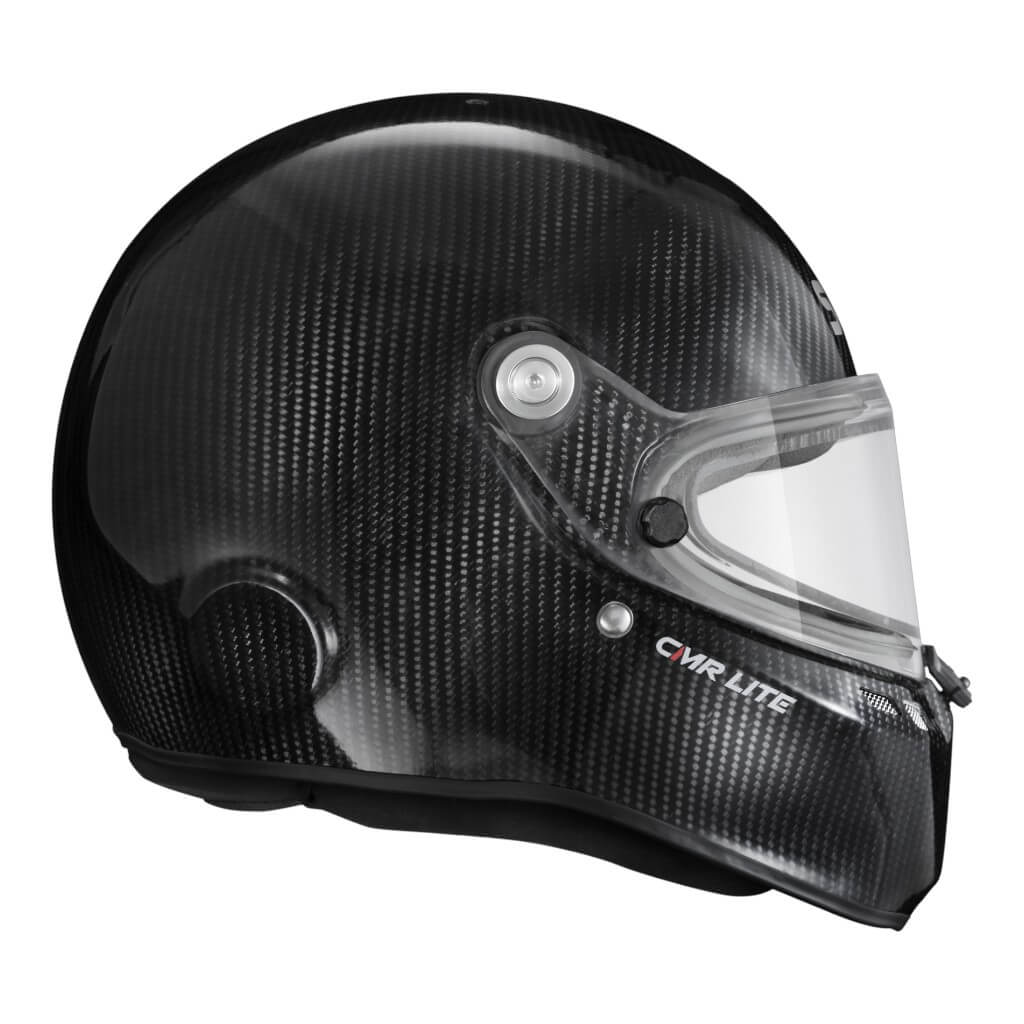
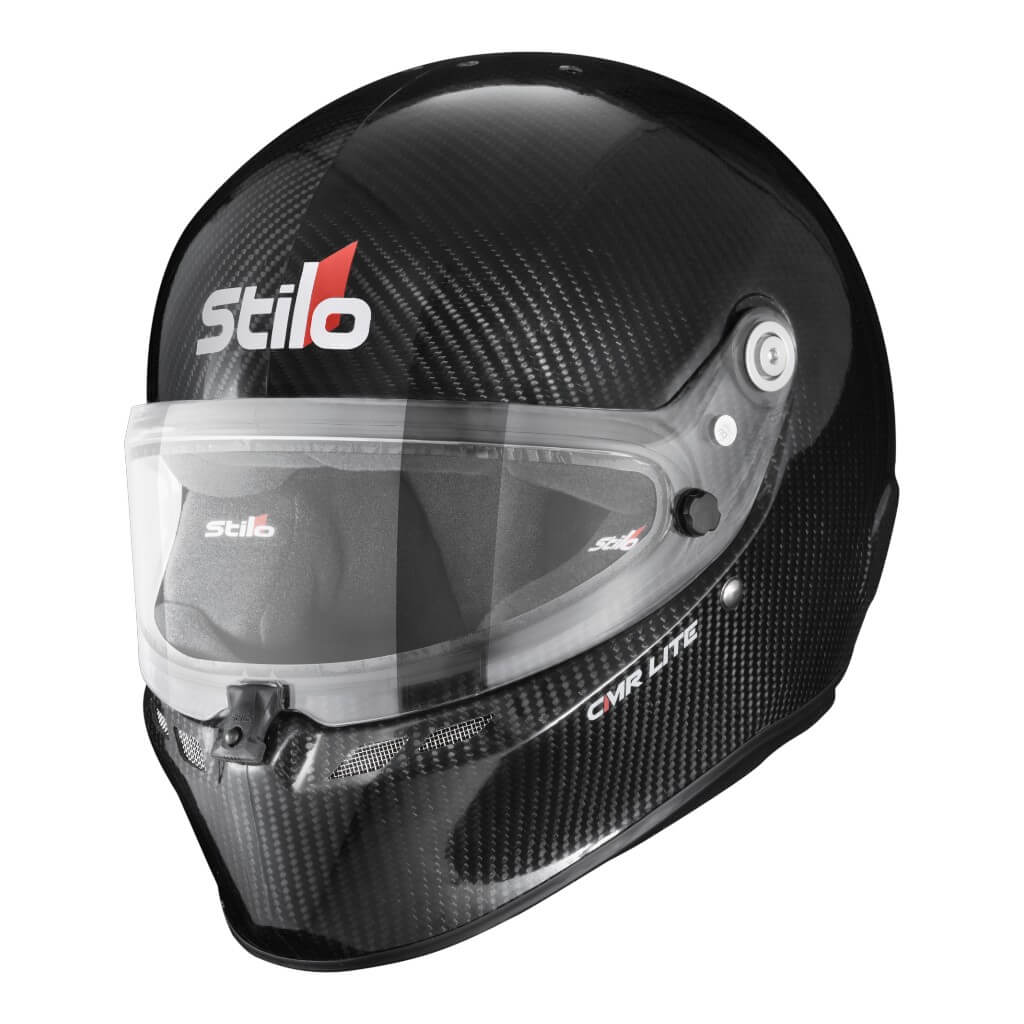
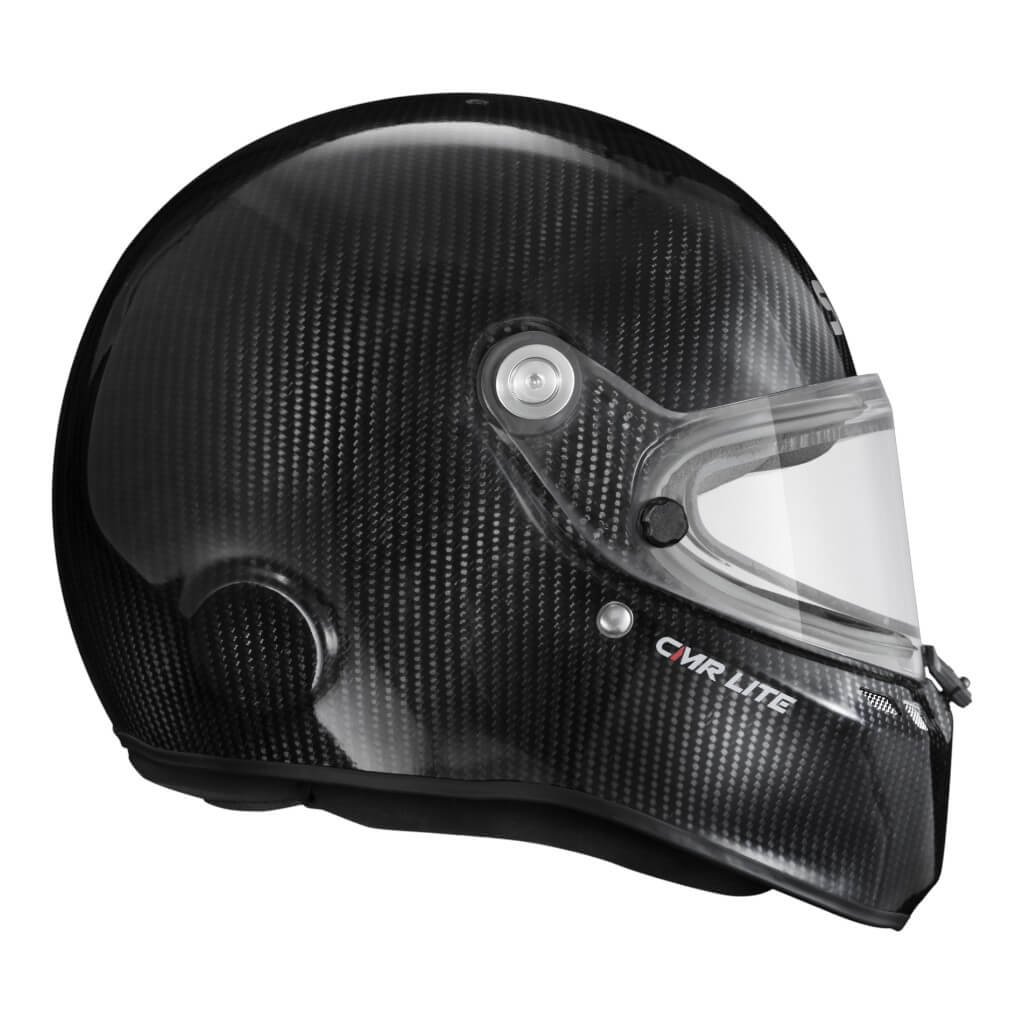
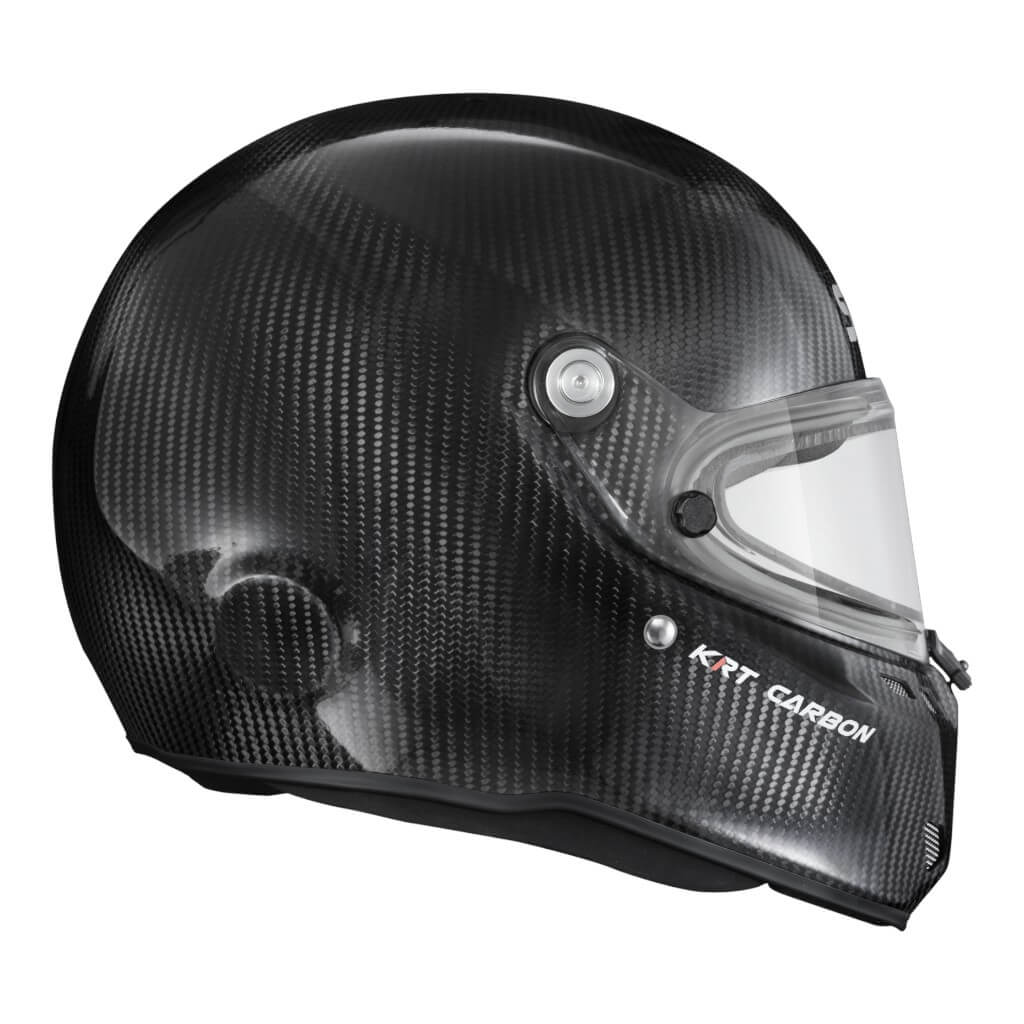
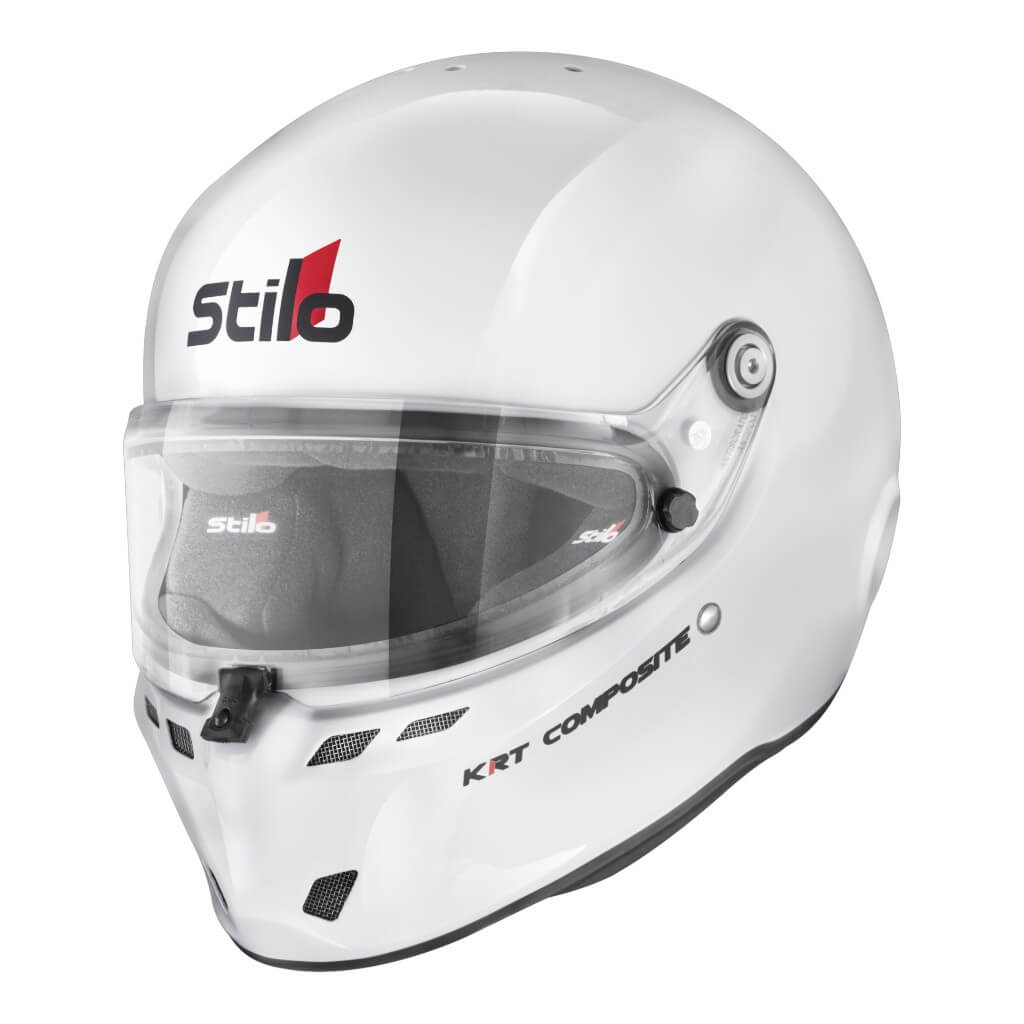
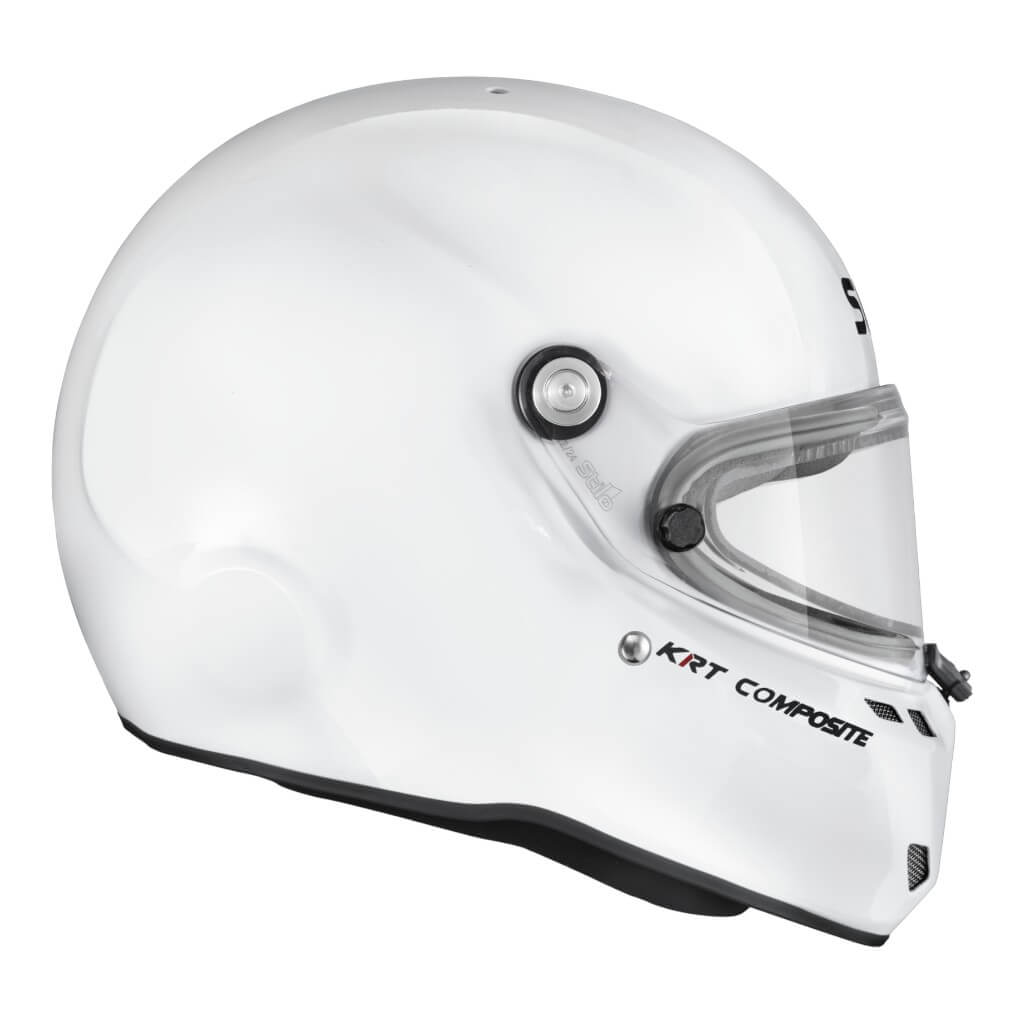
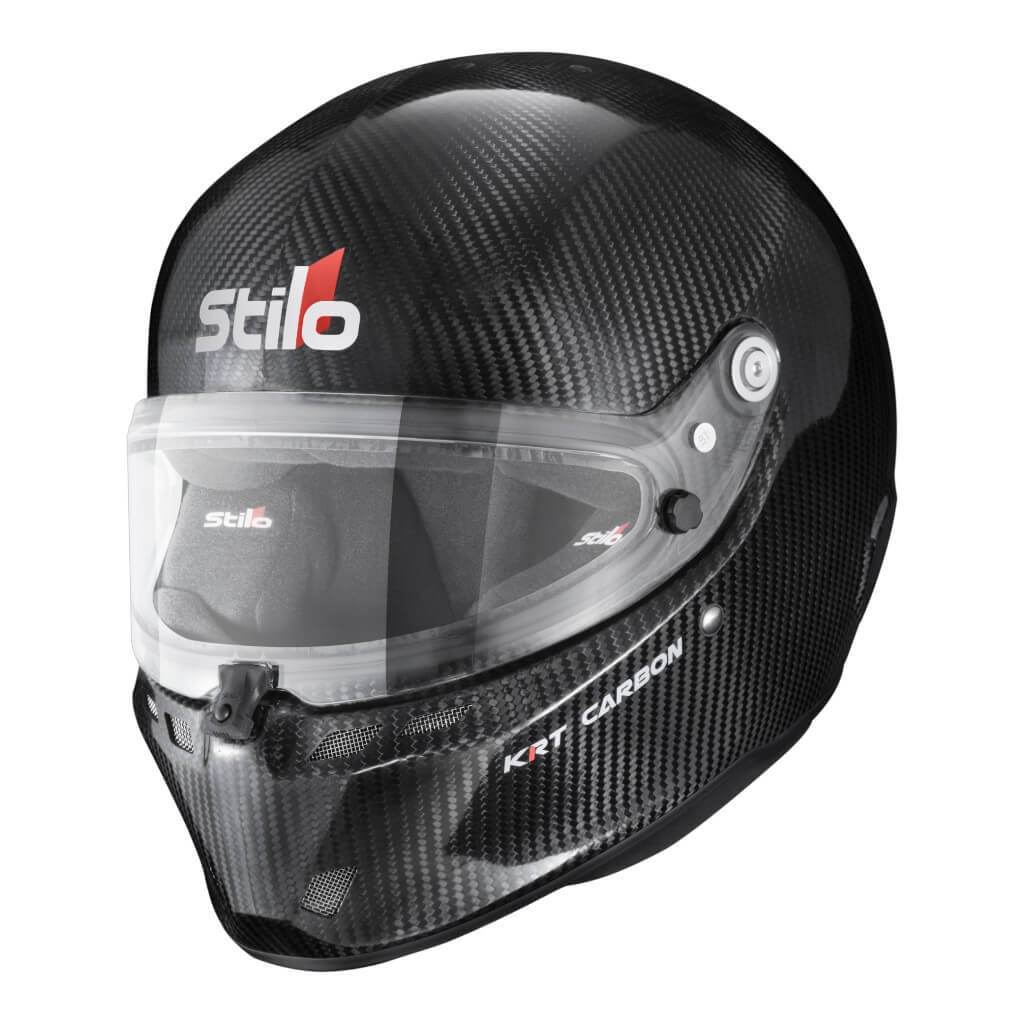
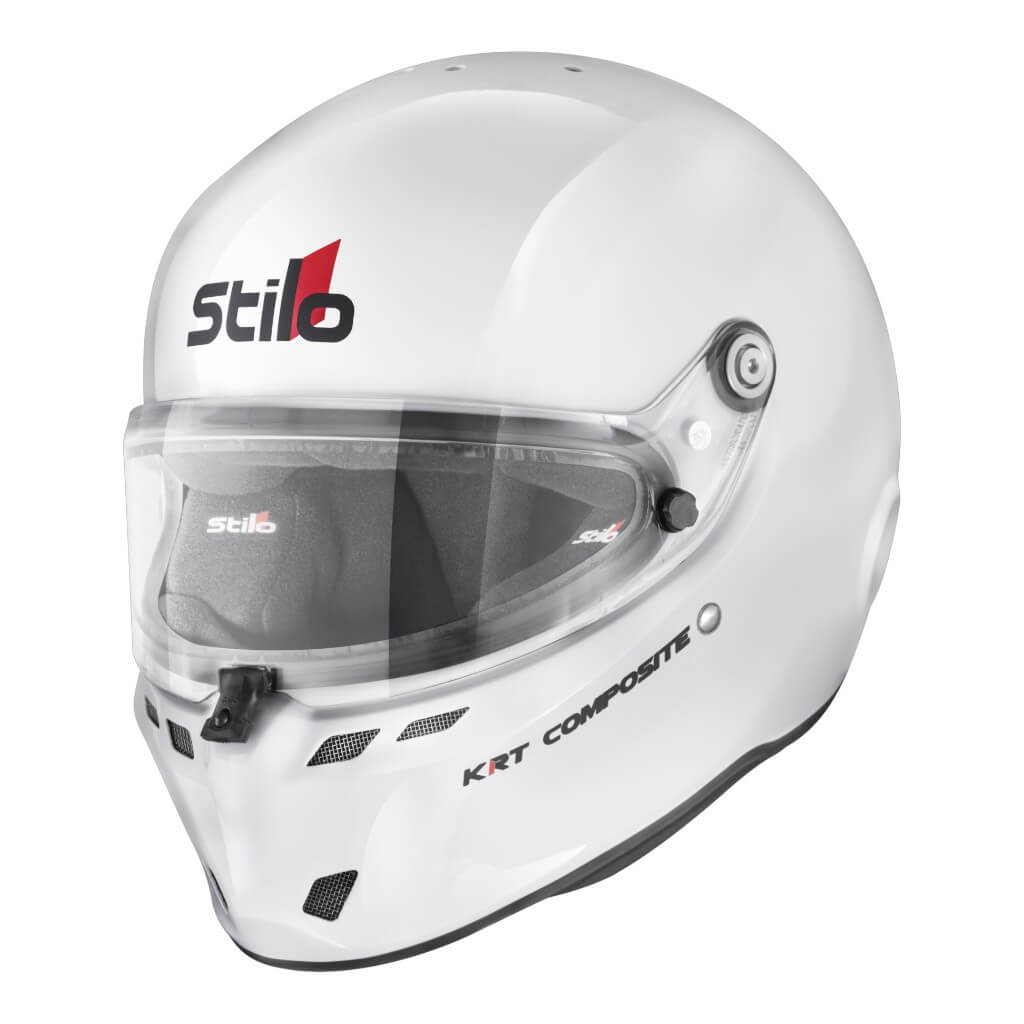
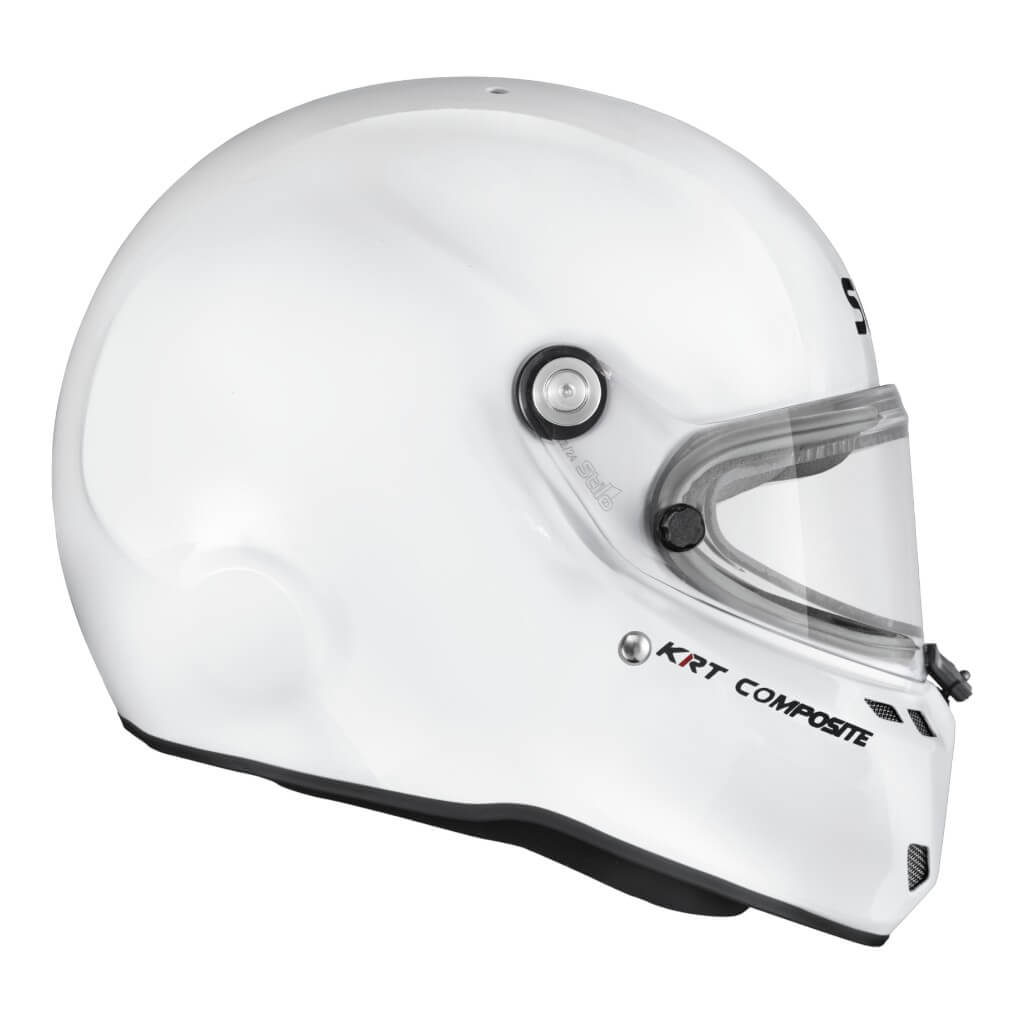
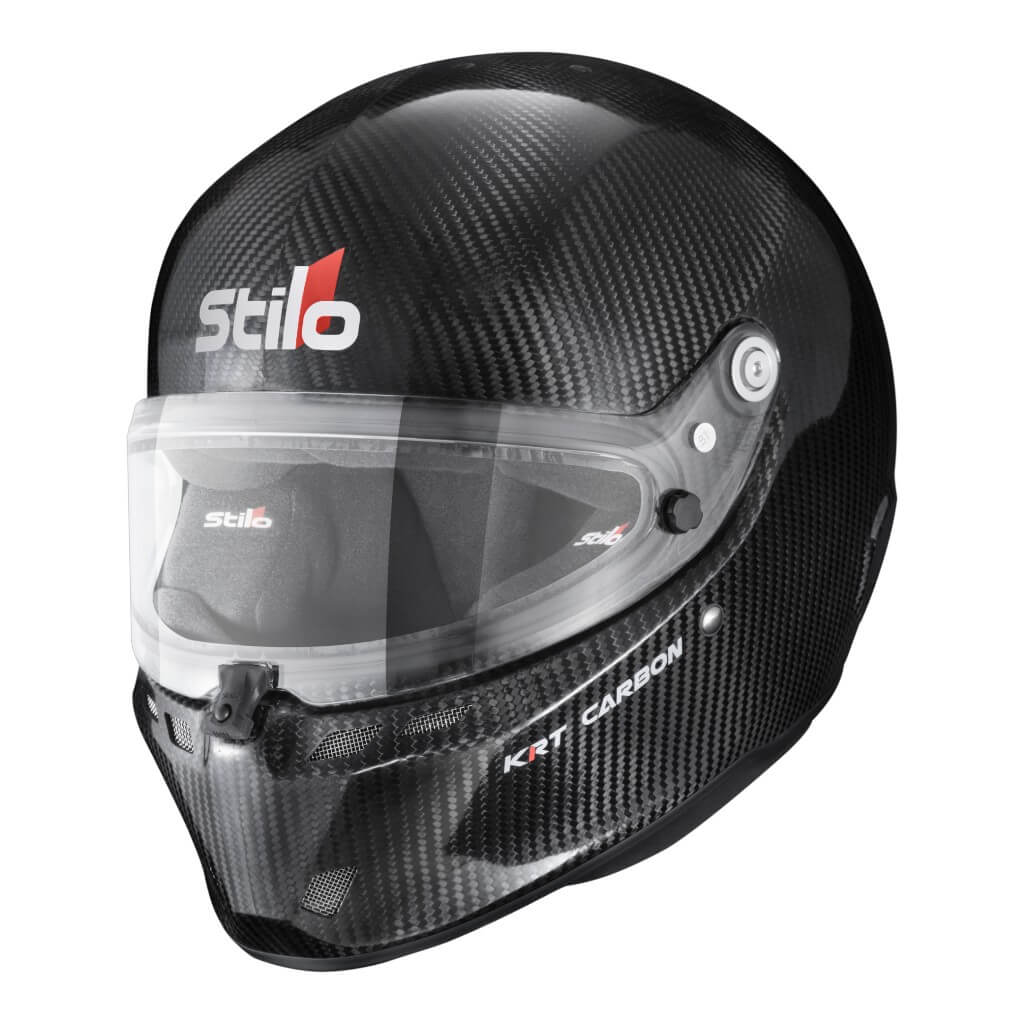
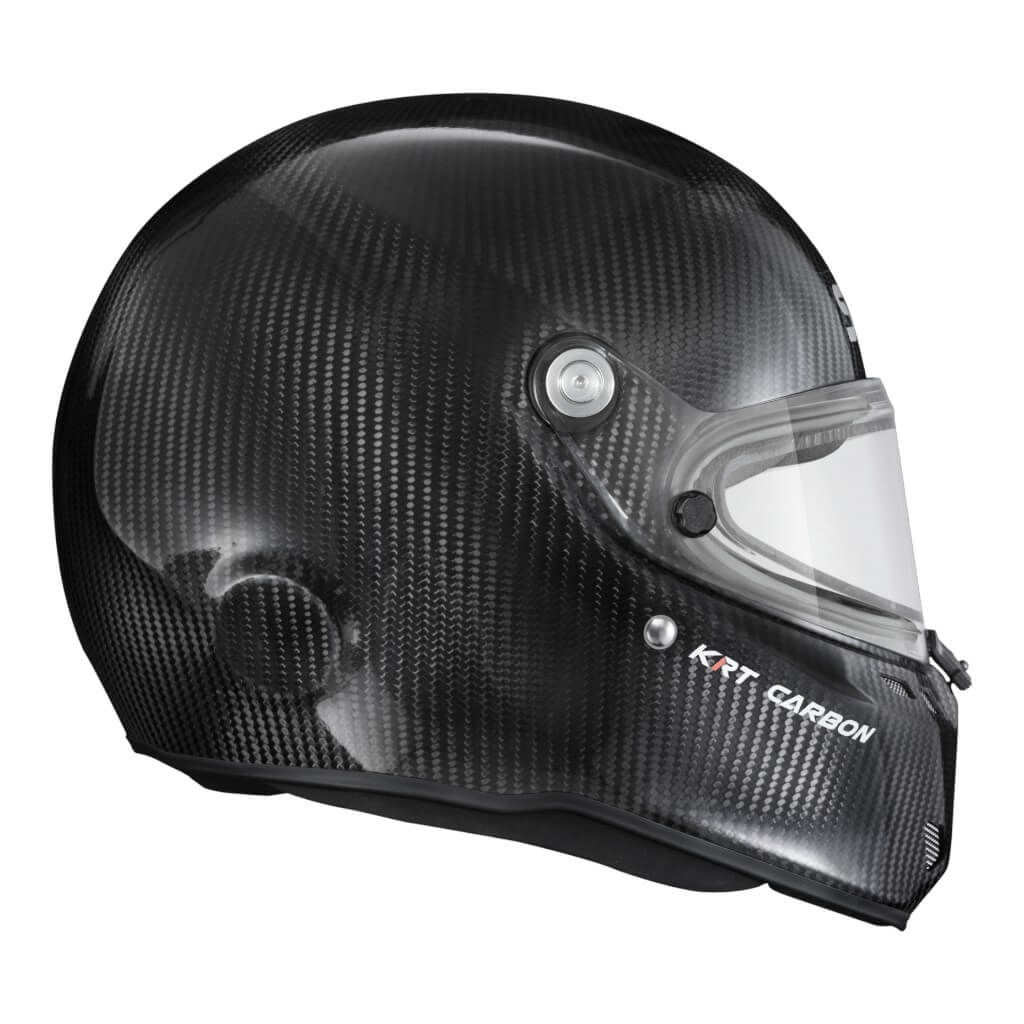
Stilo is another manufacturer recognized for producing high-performance racing helmets used across multiple motorsport disciplines. Their motorsport kart helmets incorporate advanced materials and aerodynamic research developed through professional racing programs.
Choosing the Right Karting Helmet for Your Racing Needs
Selecting the correct kart racing helmet requires consideration of several factors including helmet fit, shell material, ventilation efficiency, and compliance with motorsport safety certifications. A properly fitted helmet should feel secure without causing pressure points that could lead to discomfort during extended driving sessions.
Drivers competing in organized kart racing events often select motorsport-grade helmets designed specifically for competitive use. These helmets provide improved impact protection and aerodynamic stability while offering features such as tear-off visor compatibility and optimized airflow.
Some racers also choose custom karting helmets to reflect team identity or personal style. Custom paint schemes and personalized designs are common in kart racing, while the underlying helmet structure remains built according to the same strict safety standards used in professional motorsport.
Karting Helmets Available at ATOMIC-SHOP
ATOMIC-SHOP offers a wide selection of karting helmets designed for both amateur drivers and professional racers. The catalog includes racing kart helmets from leading motorsport manufacturers known for engineering precision, durability, and reliable safety performance.
Whether you are preparing for competitive kart racing or looking for dependable go-kart racing helmets for regular track use, ATOMIC-SHOP provides equipment designed to meet demanding motorsport requirements. These helmets are engineered to deliver dependable protection, consistent comfort, and reliable performance for drivers at every level of karting competition.