


















Piston Design and Combustion Pressure Management in High-Performance Engines
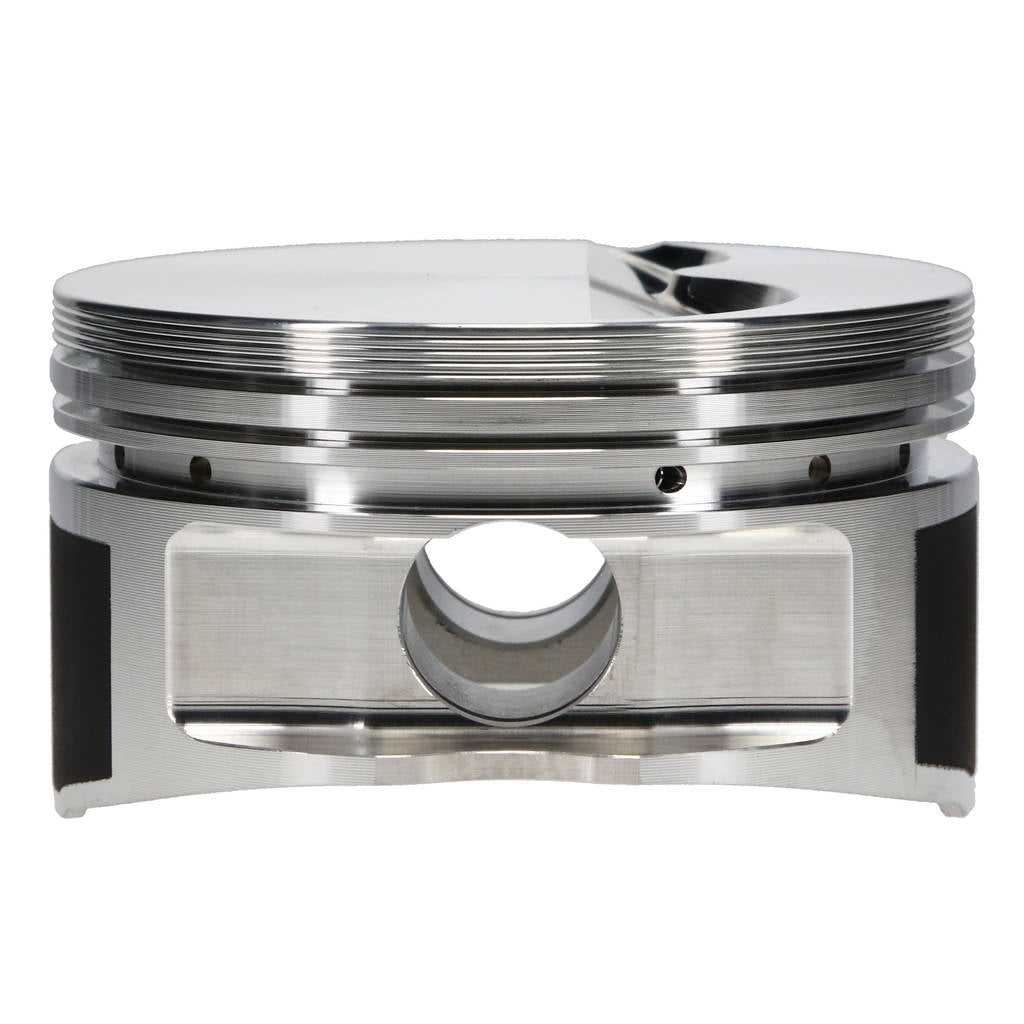
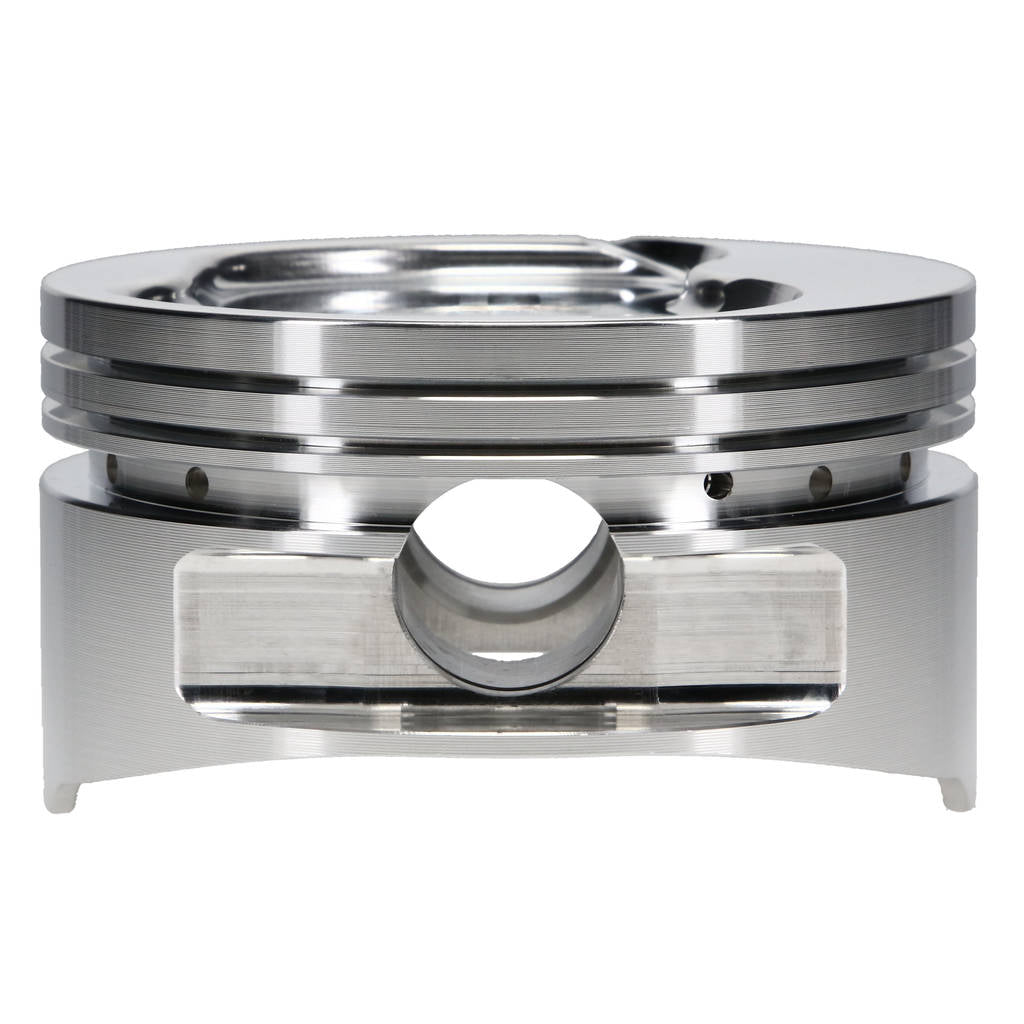
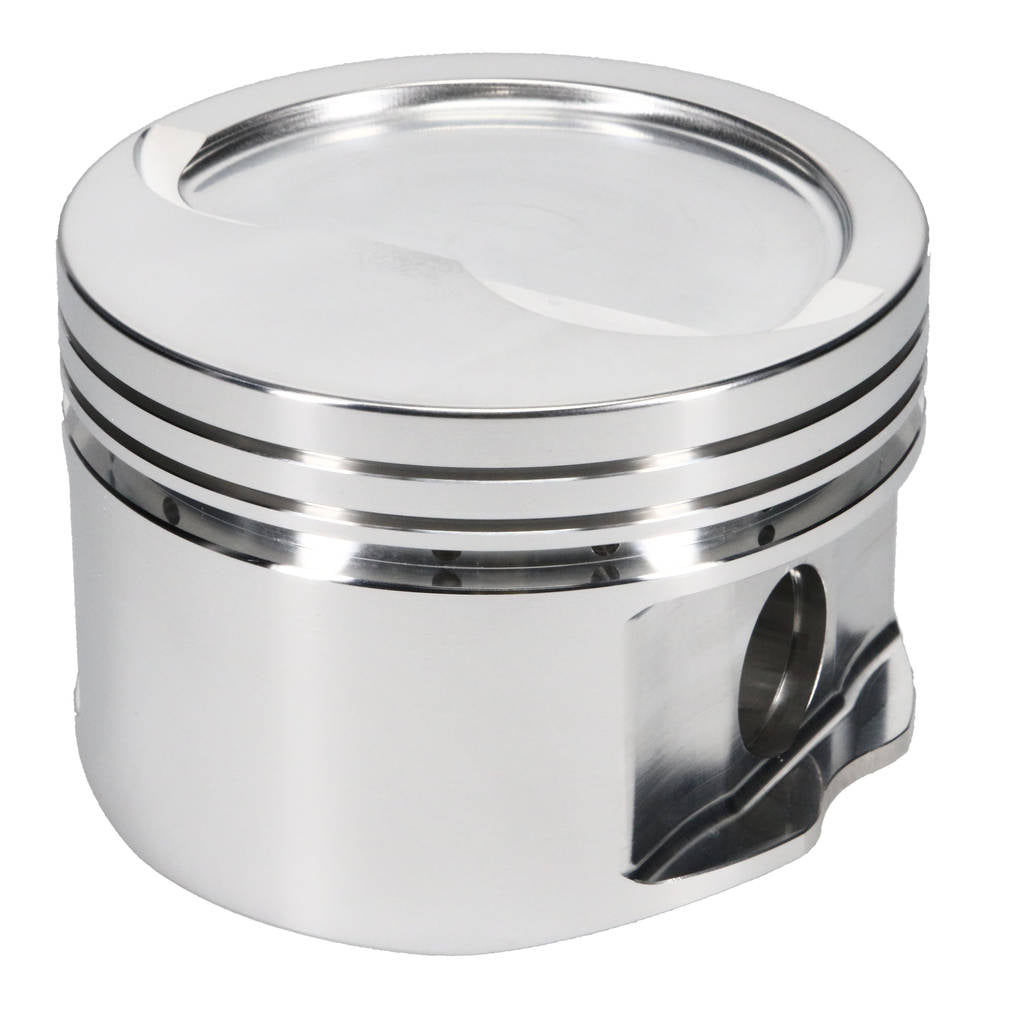
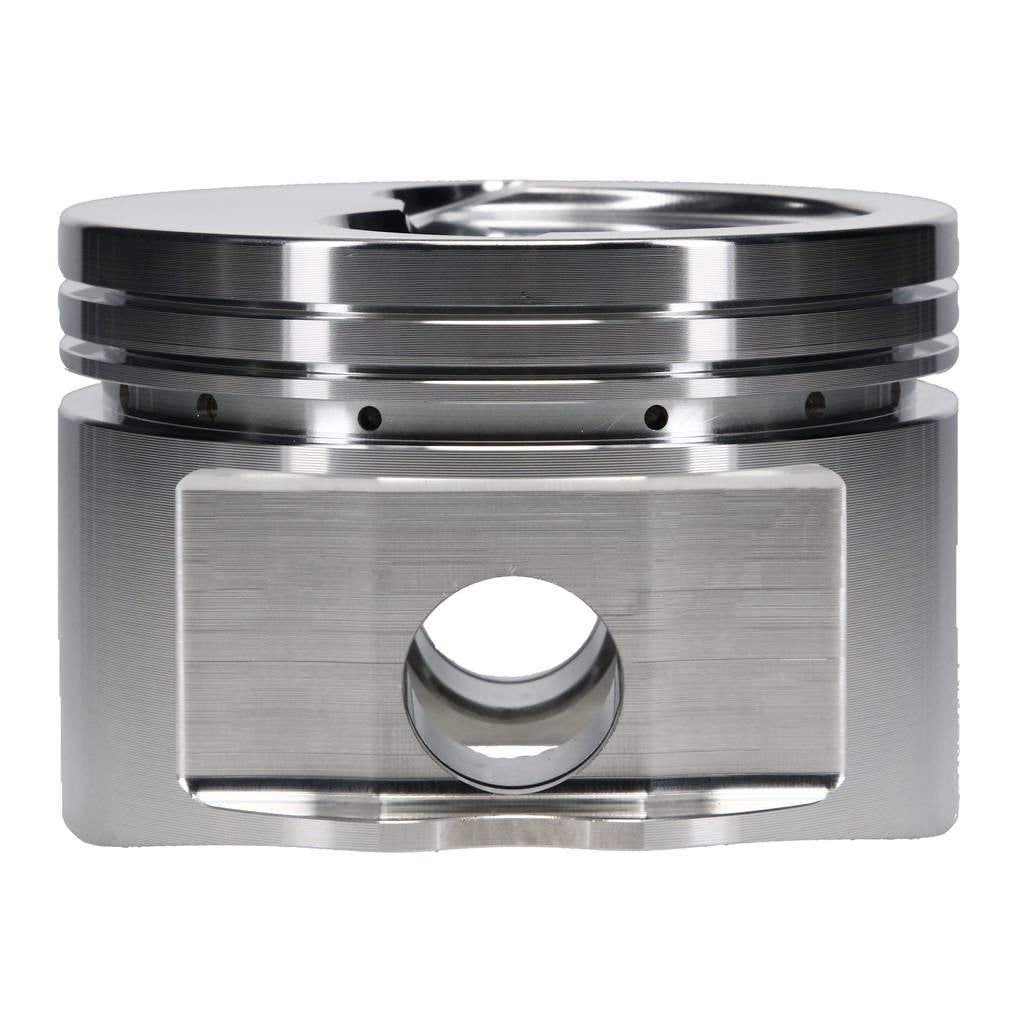
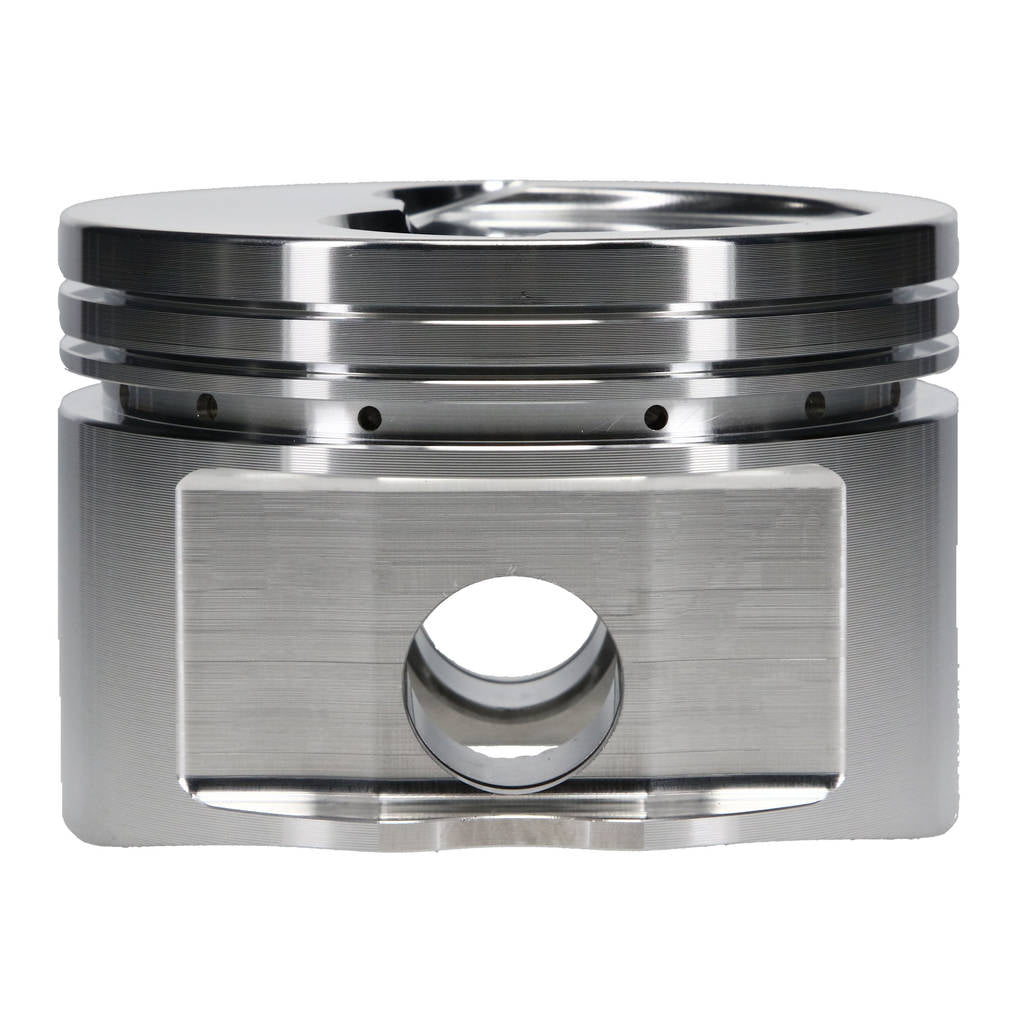
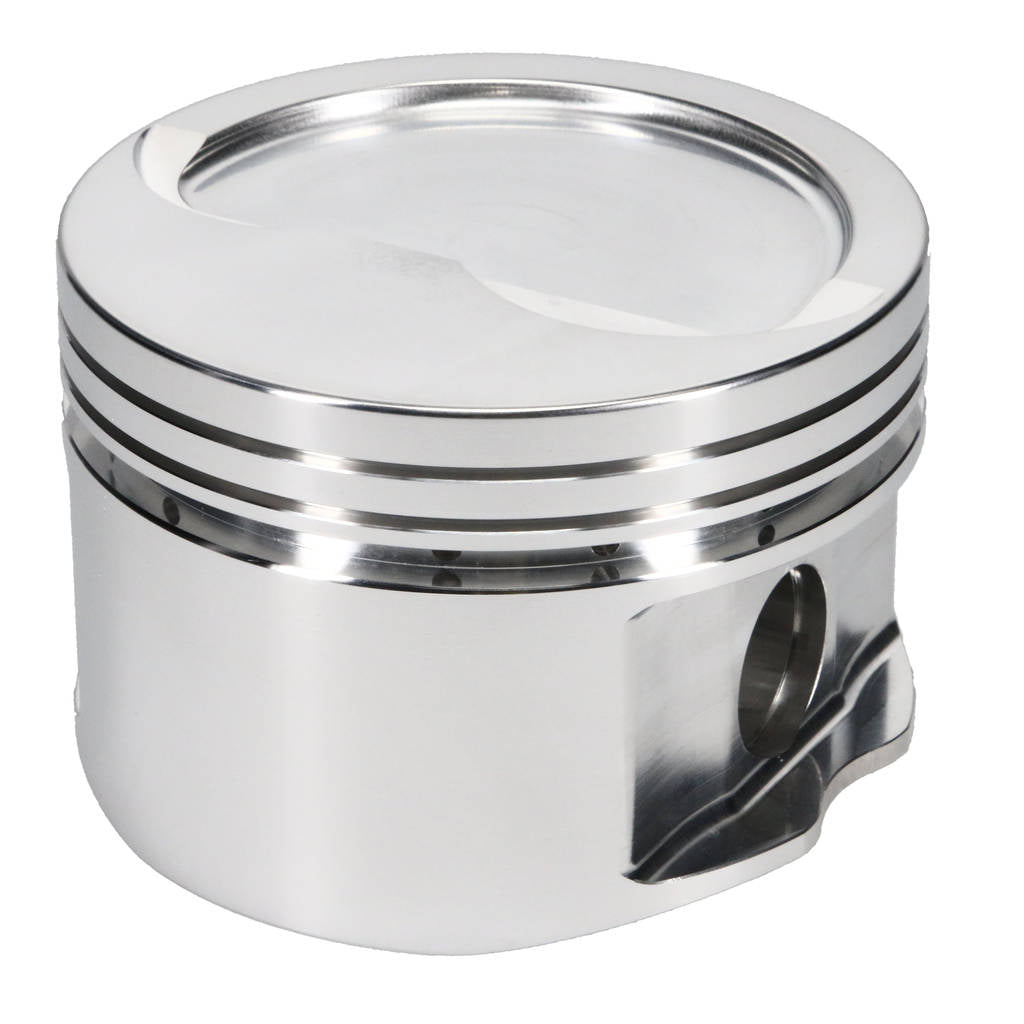
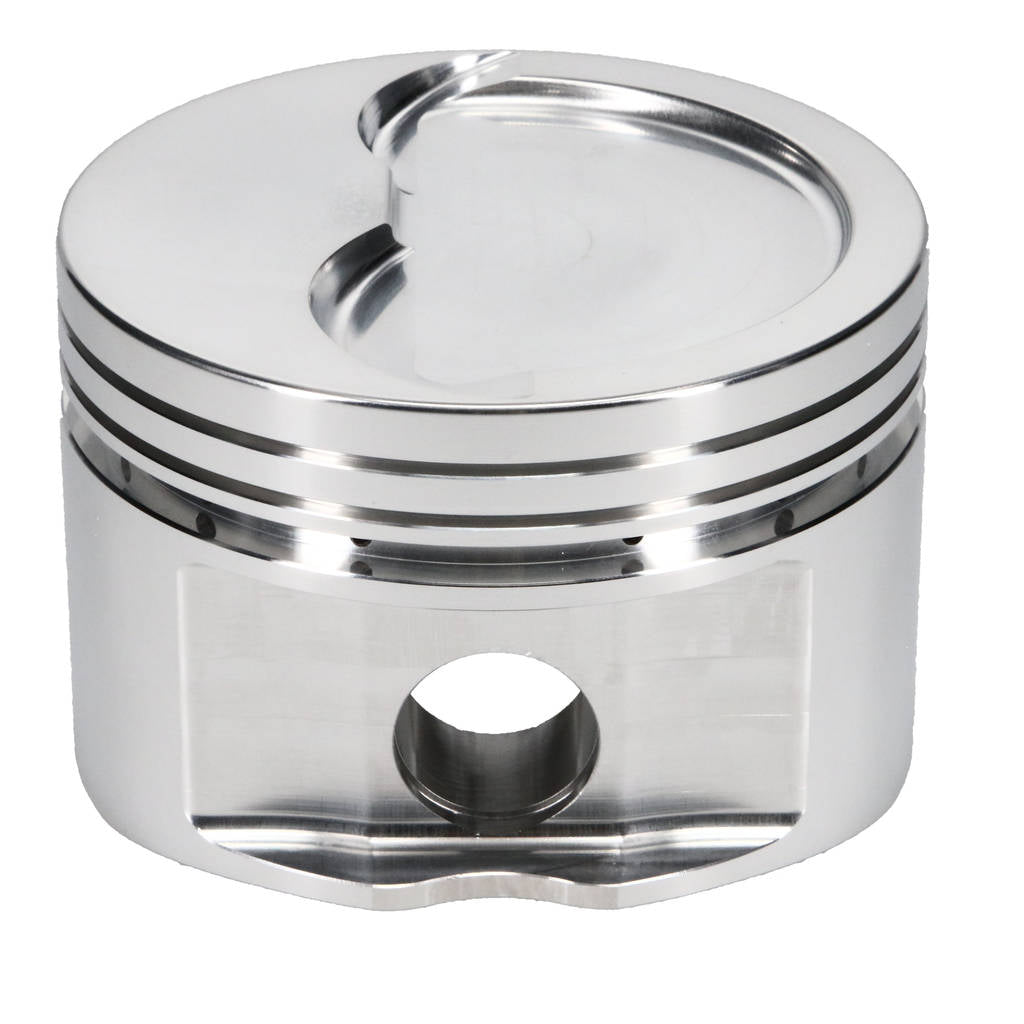
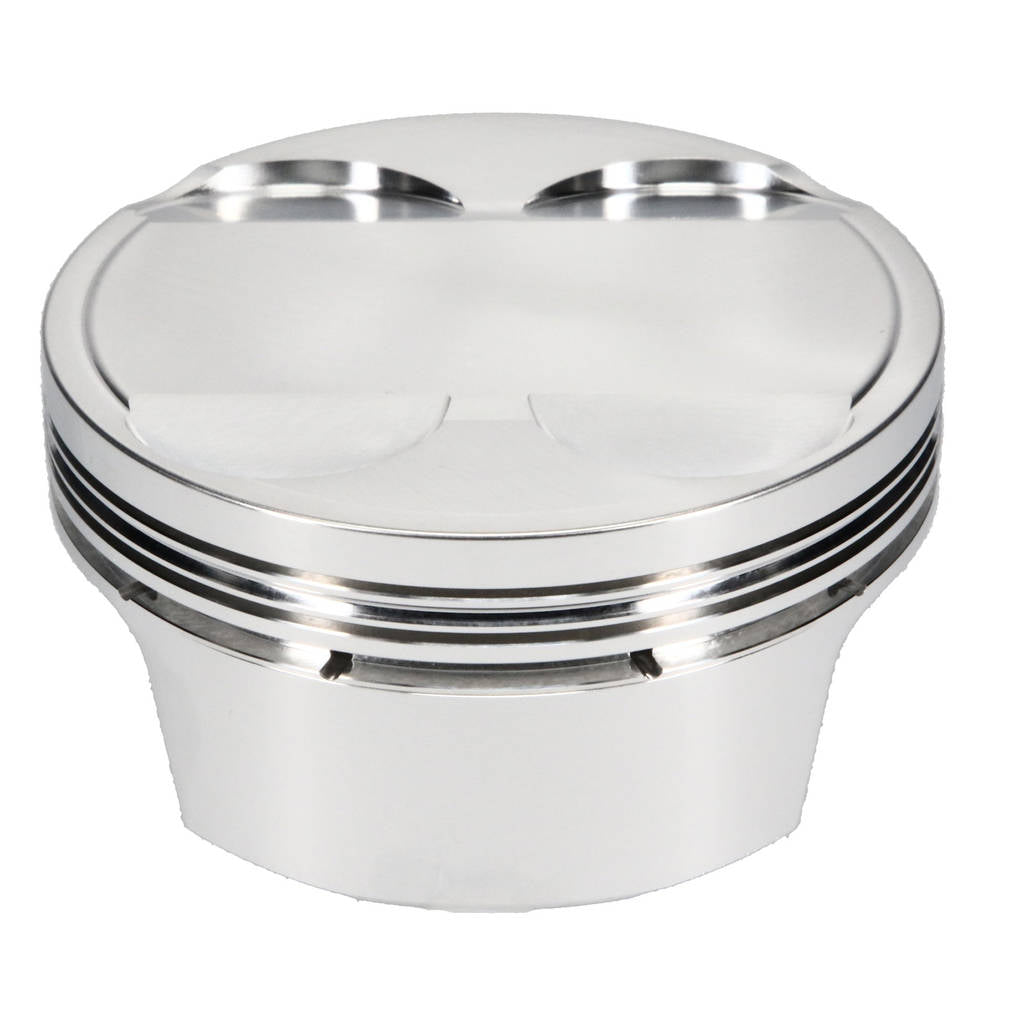
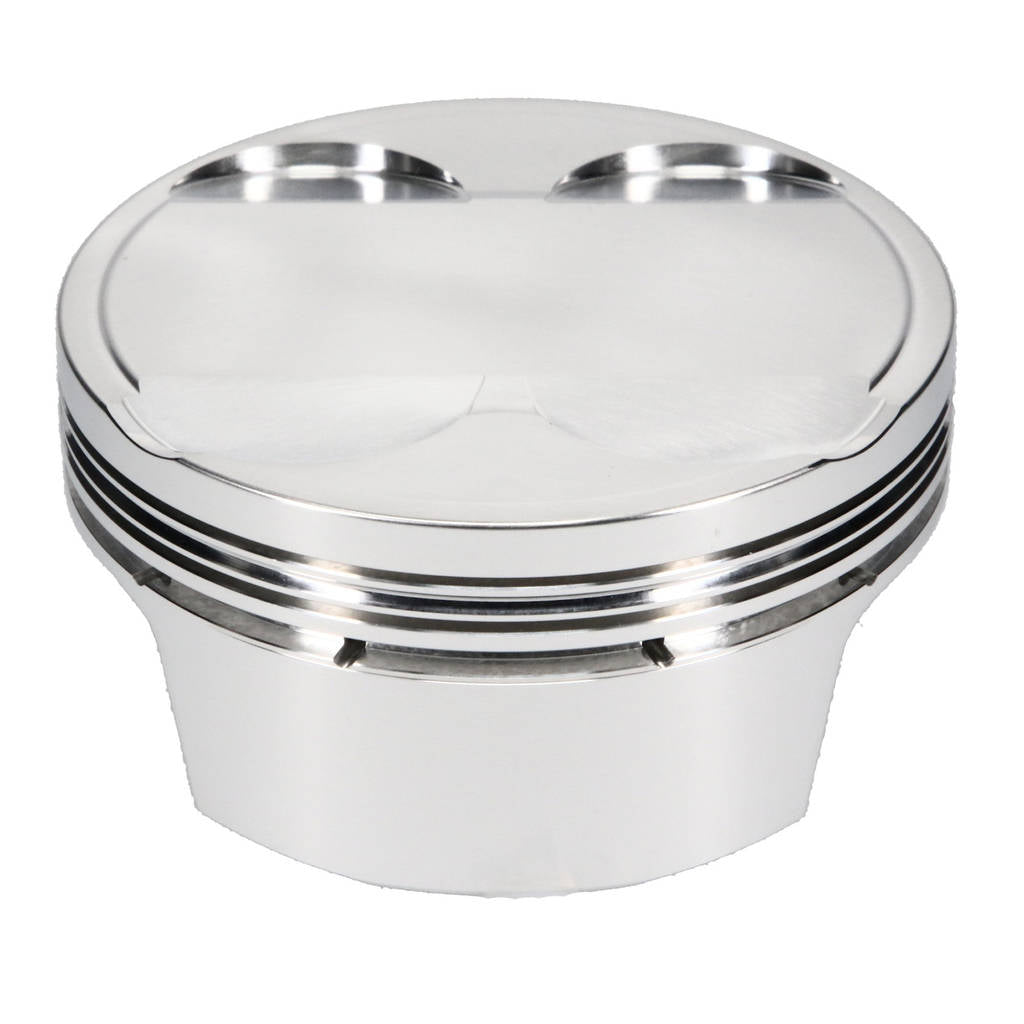
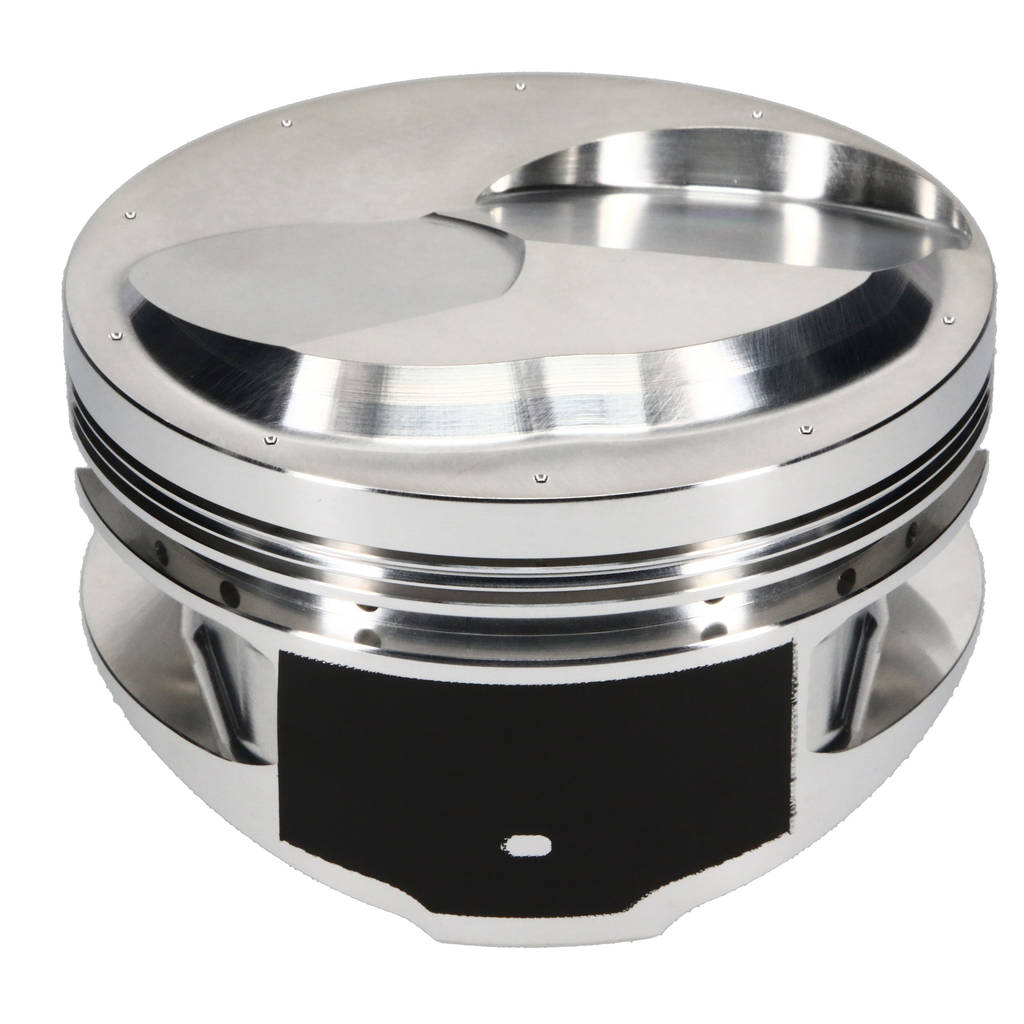
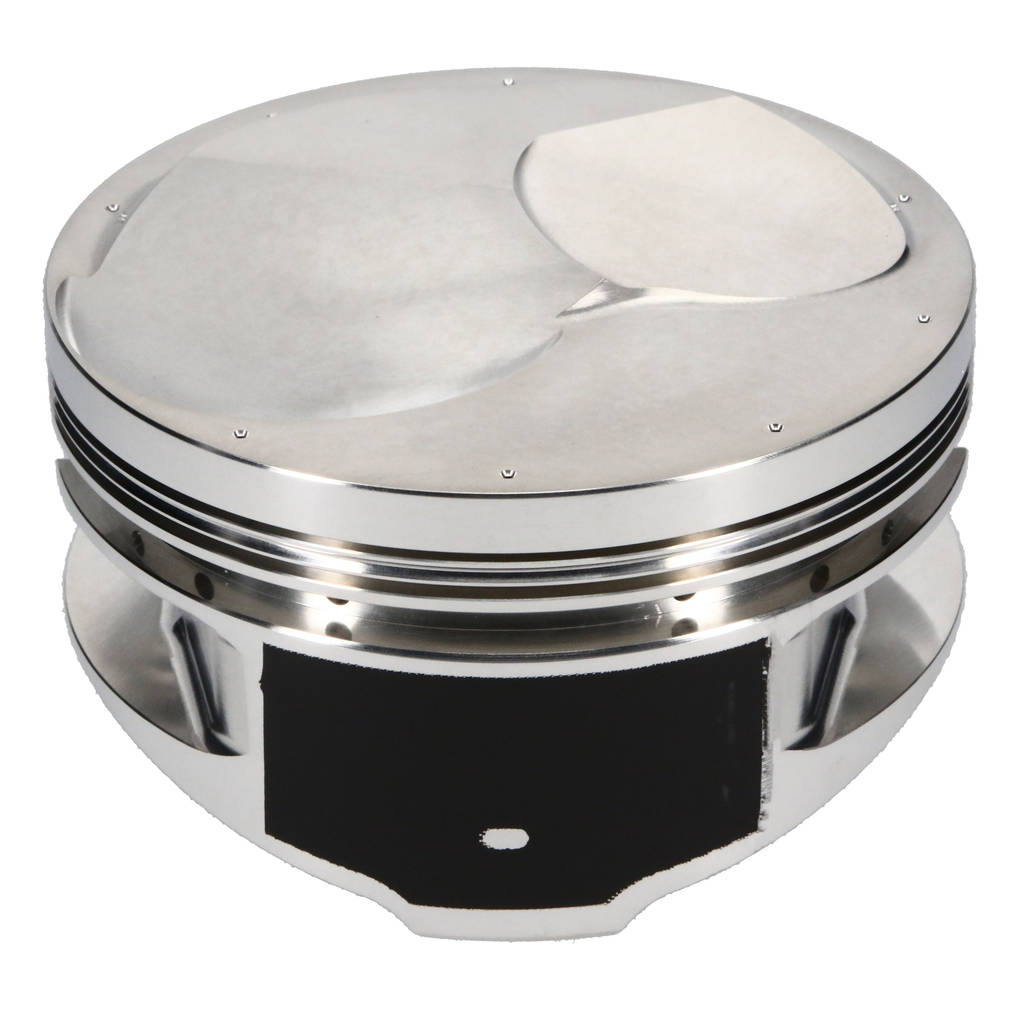
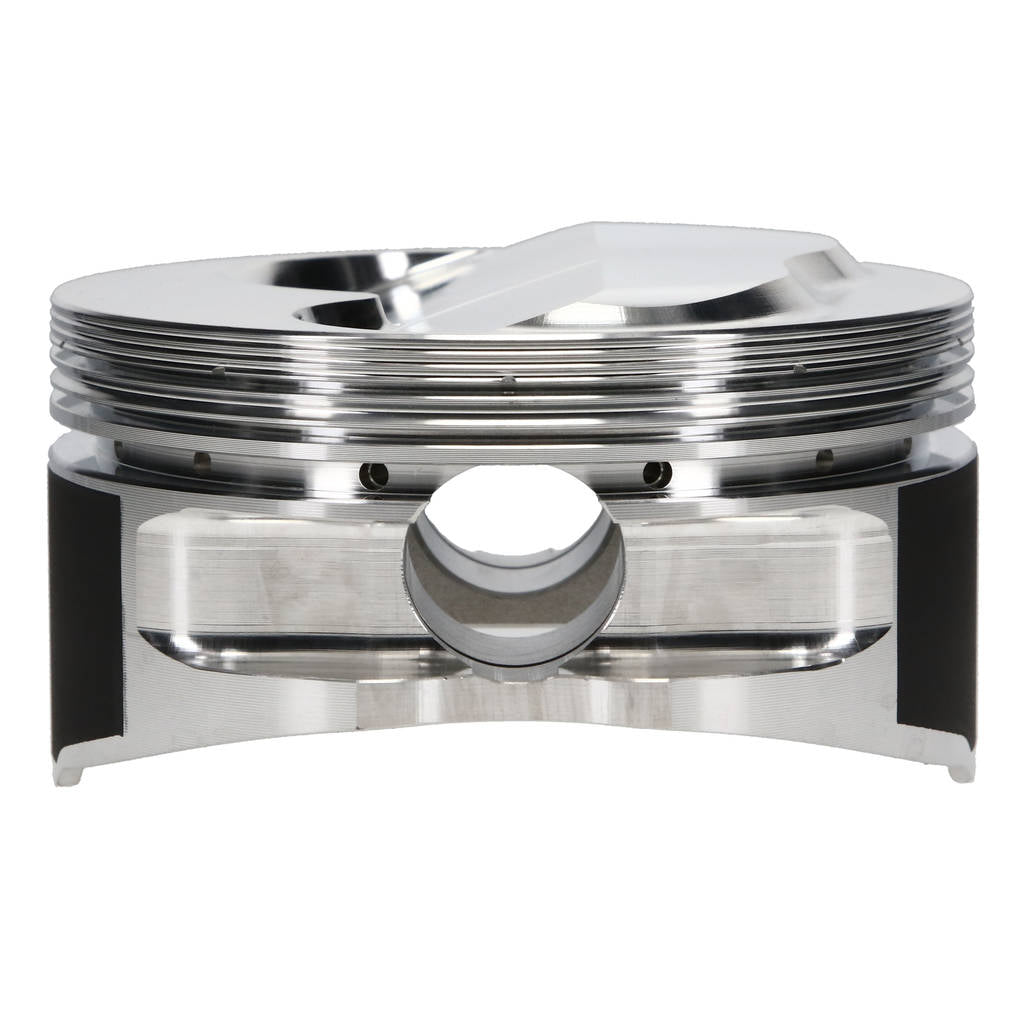
JE Pistons develops forged piston components and piston ring solutions used in performance engines, turbocharged builds, and motorsport applications. Within an internal combustion engine, pistons are responsible for converting the expanding energy of combustion gases into mechanical motion that drives the crankshaft. Because they operate directly inside the combustion chamber, pistons must withstand extreme pressure, temperature, and mechanical loads during every engine cycle.
In modern performance engines, these demands become significantly greater than in standard production engines. Increased compression ratios, higher engine speeds, and the addition of forced induction systems all place greater stress on internal engine components. Pistons must therefore maintain structural integrity while operating under conditions that include elevated combustion pressure, rapid acceleration of reciprocating components, and significant thermal exposure.
The piston is one of the central components influencing combustion chamber dynamics. Its shape, weight, and material properties determine how efficiently the engine can manage combustion forces and maintain stable mechanical operation. When engines are modified for higher output, factory pistons may no longer provide the necessary strength or durability. Forged piston designs are therefore commonly used in performance engine assemblies where reliability and mechanical stability are essential.
Proper piston engineering contributes directly to engine durability. When piston structures remain stable under high load, the engine can maintain consistent compression, reliable power delivery, and predictable operation during aggressive driving conditions.
Forged Piston Construction and Mechanical Requirements in Performance Engines
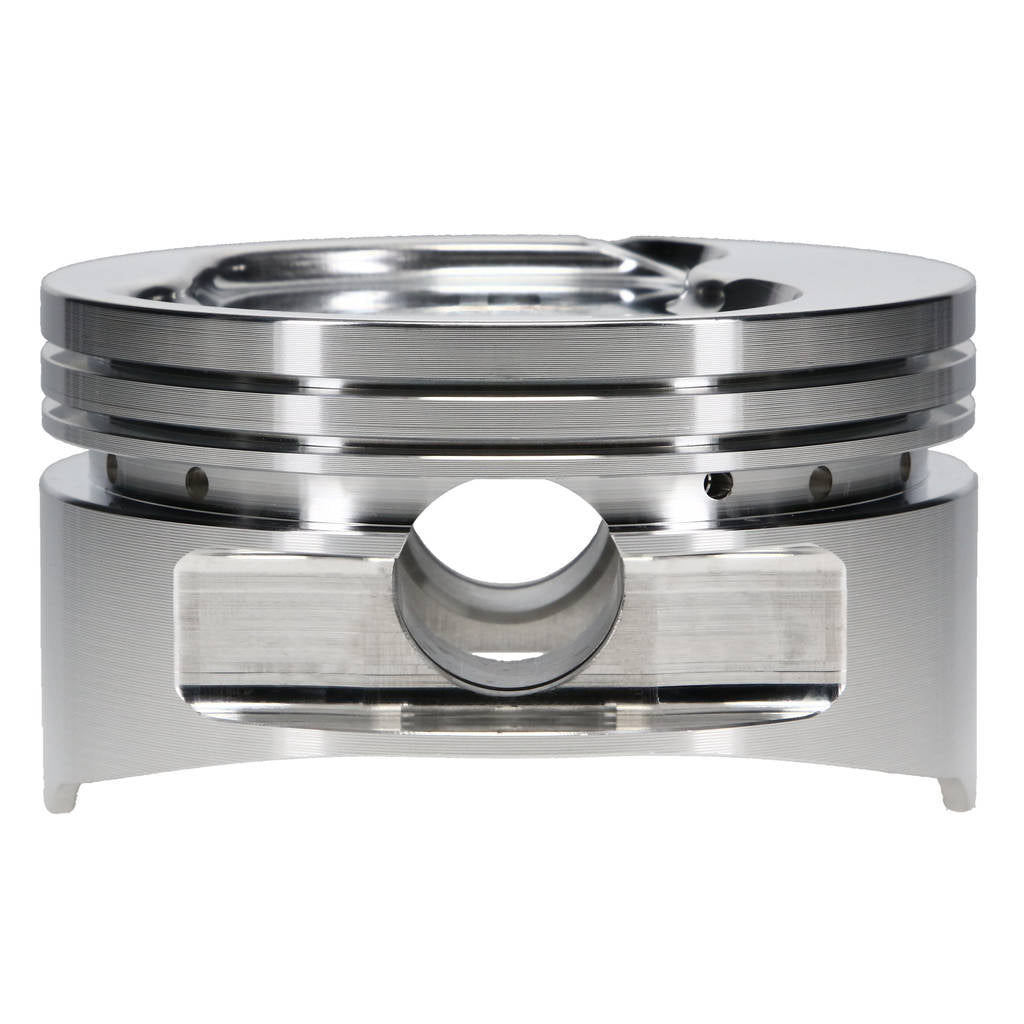
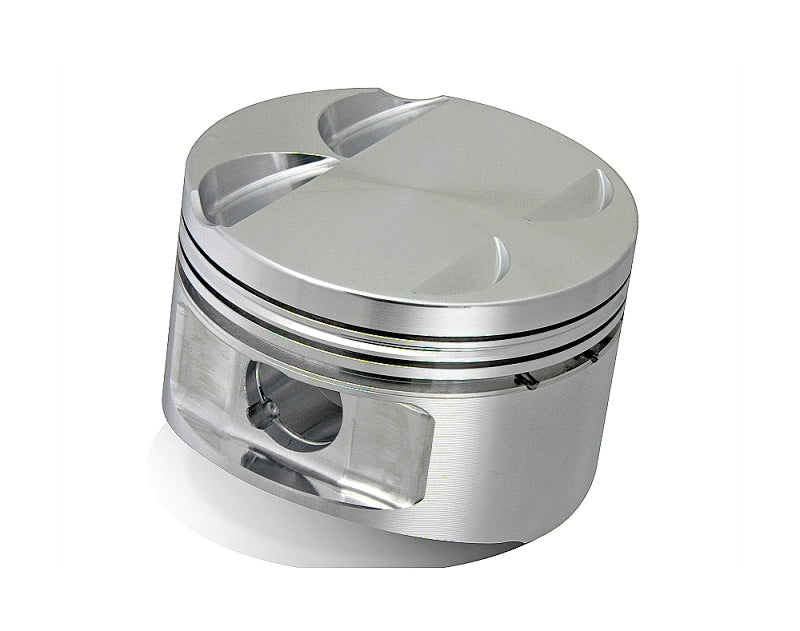
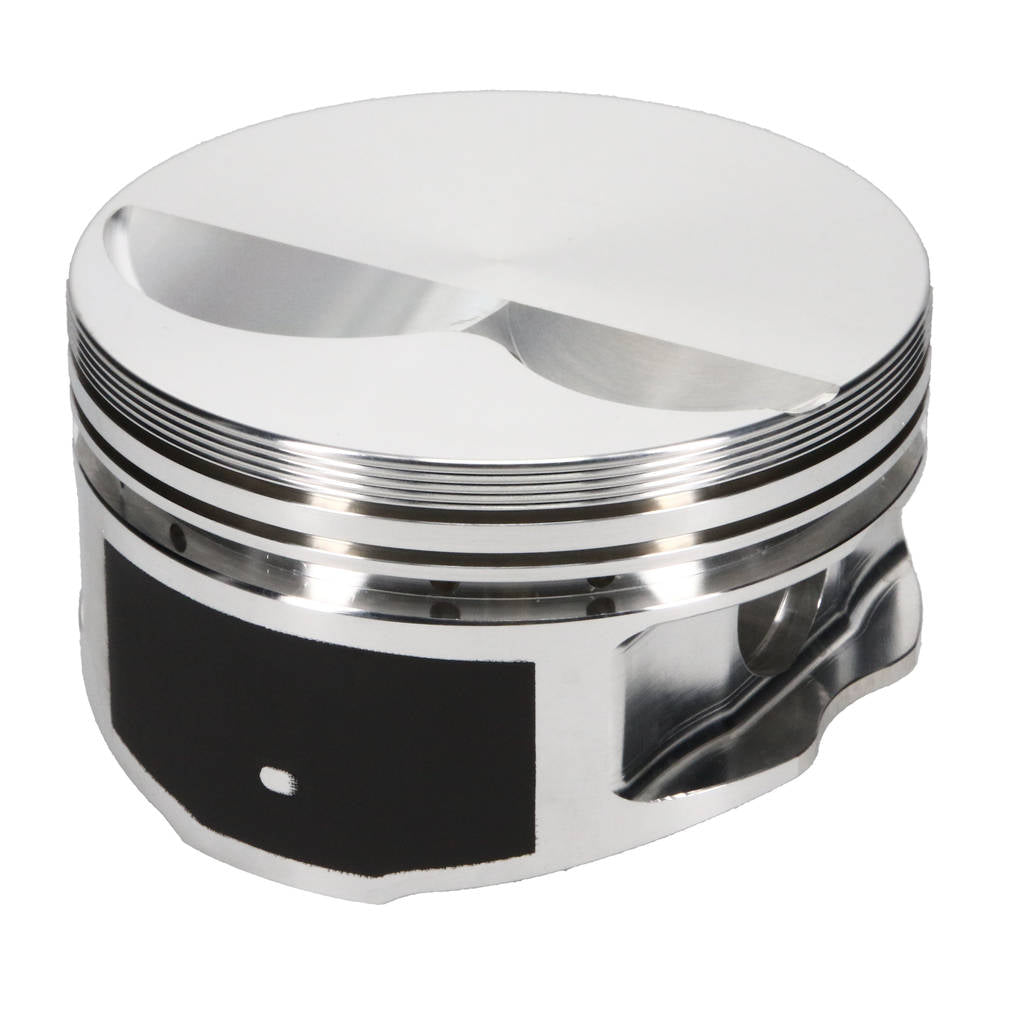
Forged piston manufacturing begins with high-strength aluminum alloy materials that are compressed under extreme pressure during the forging process. This process alters the internal grain structure of the metal, increasing its strength and resistance to fatigue compared with conventional cast pistons. The resulting piston structure is better suited for engines experiencing high cylinder pressure and elevated thermal loads.
One of the primary advantages of forged piston construction is its ability to withstand high combustion pressure. In turbocharged engines or engines operating with increased compression ratios, the combustion forces exerted on the piston crown can be significantly higher than those in naturally aspirated engines. A forged piston structure provides improved resistance to deformation under these conditions, helping maintain combustion chamber integrity.
Piston weight and balance are also critical engineering considerations. Pistons form part of the engine’s reciprocating assembly, which includes connecting rods and the crankshaft. This assembly moves rapidly during engine operation, particularly at high engine speeds. Maintaining a carefully balanced rotating and reciprocating mass helps minimize vibration, reduce mechanical stress, and improve overall engine stability.
Thermal expansion must also be considered in piston design. During engine operation, combustion temperatures can exceed several hundred degrees Celsius. Pistons must expand at predictable rates as they heat up while still maintaining proper clearance within the cylinder walls. Aluminum alloys used in forged pistons are engineered to provide an optimal balance between strength, weight, and thermal expansion characteristics.
Engines operating under high boost pressure, elevated compression ratios, and high RPM conditions require pistons capable of maintaining structural stability throughout the combustion cycle. These pistons must repeatedly absorb and transfer the forces generated during combustion without experiencing structural fatigue or deformation.
JE Pistons Components Available in This Section
The JE Pistons collection available in this section includes internal engine components designed for performance engine assemblies. These components are commonly used in engines where increased power output and aggressive operating conditions require stronger piston structures and reliable combustion sealing.
Forged pistons represent the primary component within these engine assemblies. These pistons are engineered to provide structural durability while supporting combustion chamber pressures associated with turbocharged and high-compression engine configurations. Piston ring components complement these pistons by sealing the combustion chamber and managing oil control within the cylinder.
- forged pistons designed for high-performance engines
- pistons engineered for turbocharged engine applications
- piston rings developed for reliable combustion sealing
- internal engine components used in performance engine assemblies
When integrated into an engine build, these components contribute to maintaining compression stability, controlling combustion pressure, and supporting the durability of the reciprocating assembly.
Applications of JE Pistons in Performance Engine Builds
Forged pistons are widely used in performance engine builds where factory internal components may not provide sufficient strength for increased power levels. Engines modified for higher boost pressure or increased compression ratios typically require stronger pistons capable of handling elevated combustion forces.
Performance platforms such as Toyota Supra engine builds, Nissan RB-series engines, Subaru WRX and STI engines, and modern turbocharged BMW performance engines often incorporate forged pistons as part of comprehensive engine upgrades. In these configurations, the piston must withstand higher cylinder pressures generated by turbocharging or advanced engine tuning strategies.
Upgraded pistons allow engines to operate reliably at higher horsepower levels by maintaining stable combustion chamber conditions. Strong piston structures help prevent deformation under pressure while preserving the precise geometry required for efficient combustion.
High-performance engines may also operate at elevated engine speeds for extended periods. Under these conditions, the reciprocating assembly experiences repeated acceleration and deceleration forces. Pistons engineered for performance environments help maintain mechanical stability while minimizing stress on connecting rods and crankshaft components.
Performance engines operating in hot climates may experience additional thermal stress due to elevated ambient temperatures. Under these conditions, piston materials must maintain structural strength and predictable thermal expansion characteristics in order to preserve reliable engine operation.
Considerations When Selecting Pistons for Performance Engines
Selecting appropriate pistons for a performance engine build requires evaluating several factors related to engine design and intended power output. One of the primary considerations is the piston compression ratio. Compression ratio influences combustion efficiency and engine performance characteristics, particularly in turbocharged or high-performance naturally aspirated engines.
Piston weight also plays an important role in the stability of the rotating assembly. Lighter pistons can reduce reciprocating mass, which may help engines operate more smoothly at high RPM levels. However, the piston must still maintain sufficient structural strength to withstand combustion pressure and mechanical loads.
Compatibility with connecting rods and crankshaft components is another critical factor in piston selection. The piston must integrate correctly within the rotating assembly to maintain proper clearances and mechanical balance. Engine builders often evaluate the entire rotating assembly as a system to ensure reliable operation under performance conditions.
Engine power targets and tuning strategies also influence piston selection. Engines designed for high boost pressure or aggressive tuning may require pistons with reinforced structures and specialized crown designs to manage combustion forces effectively.
Balancing combustion pressure, rotating assembly stability, and long-term engine durability is essential when configuring performance engine internals. When pistons are properly matched to the engine’s operating conditions, they help maintain consistent power delivery and mechanical reliability.
JE Pistons Components Available at ATOMIC-SHOP
ATOMIC-SHOP offers a range of JE Pistons components designed for performance engine builds and motorsport applications. The available selection includes forged pistons, piston rings, and internal engine components used in high-performance engine assemblies.
These components are commonly used in engines that require increased durability, precise combustion chamber control, and reliable operation under demanding conditions. By supporting stable combustion pressure and maintaining structural integrity within the rotating assembly, forged piston components contribute to the durability and performance potential of modern high-output engines.