





























Brake Friction Control and the Role of Hawk Performance Components in High-Load Braking Systems
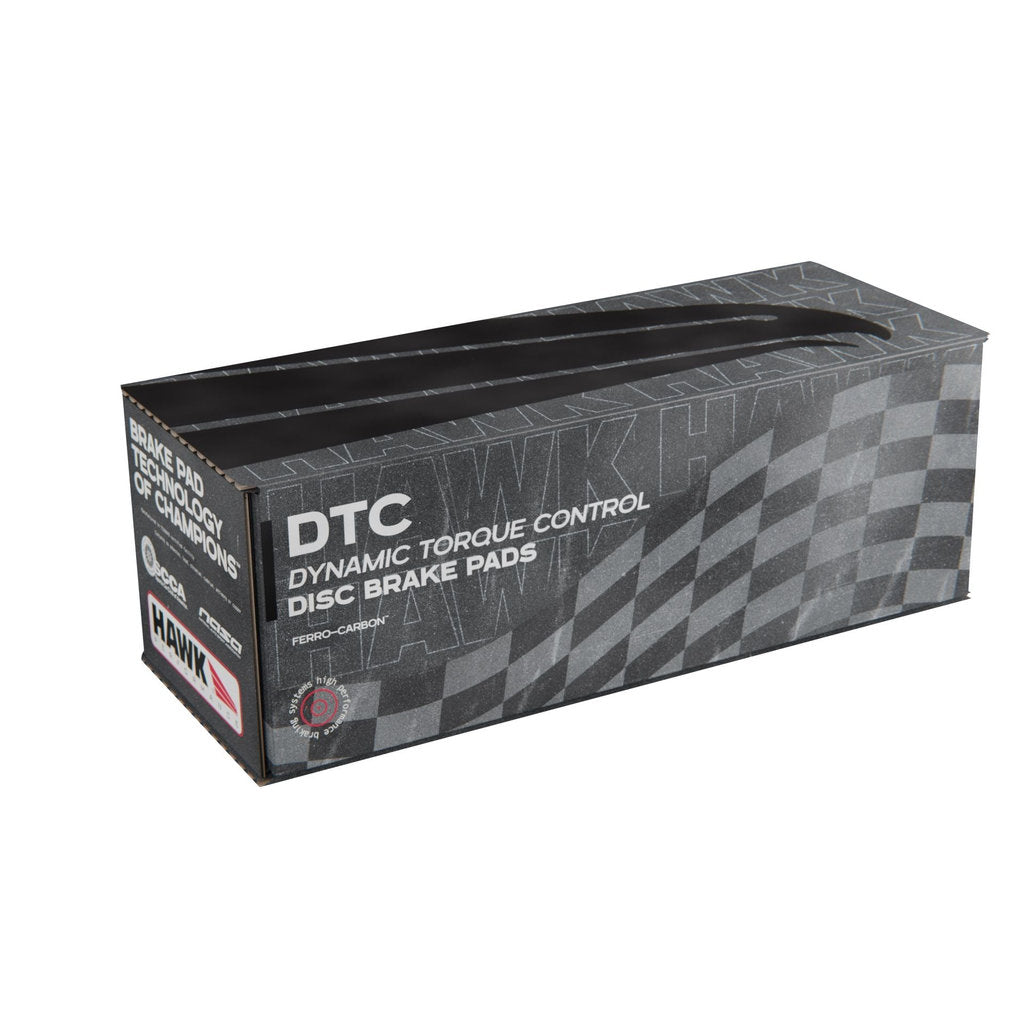
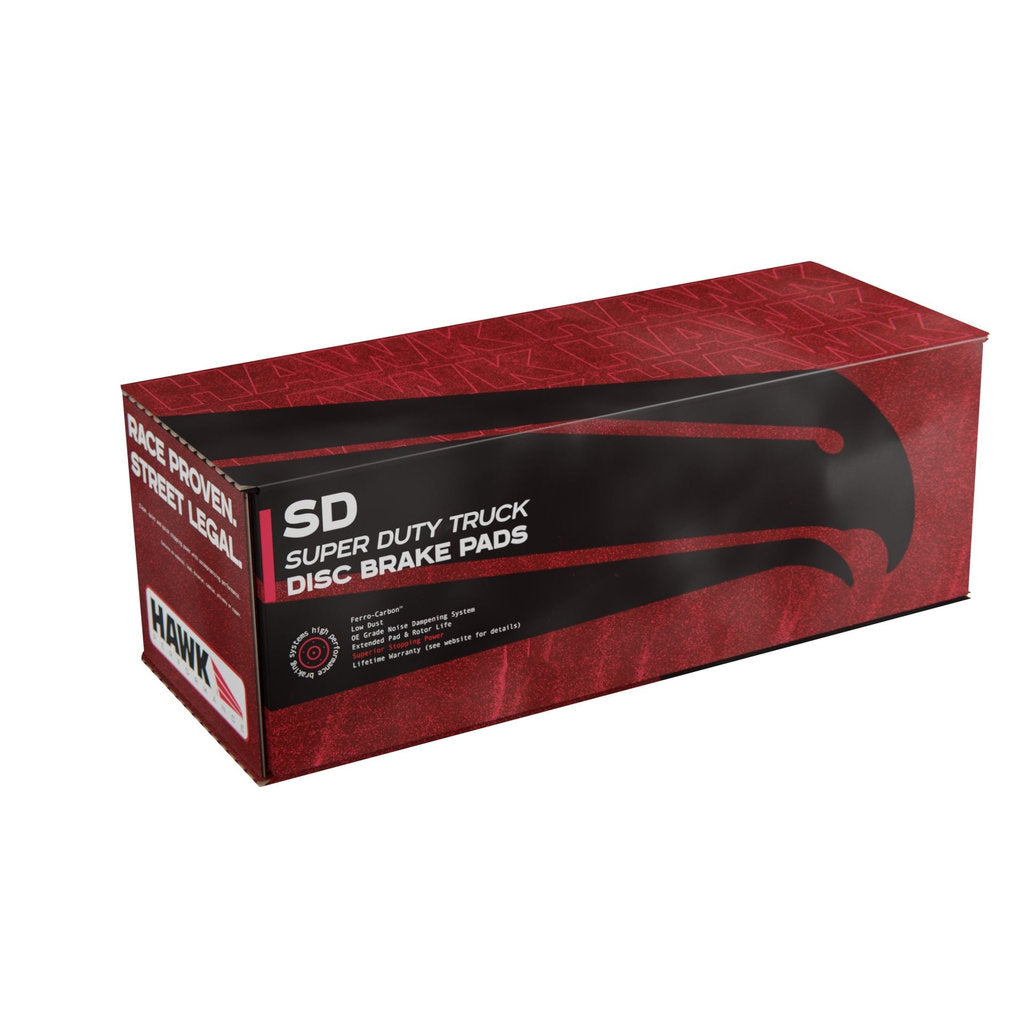
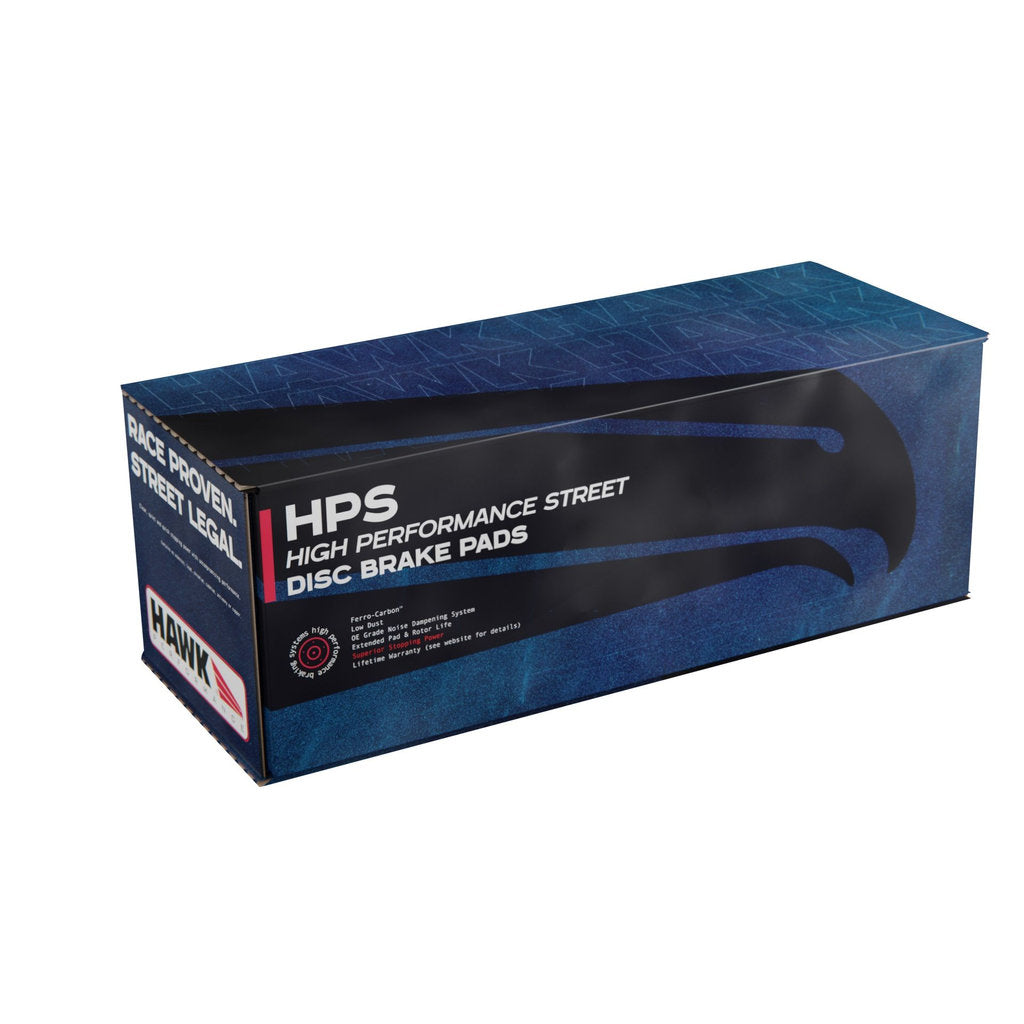
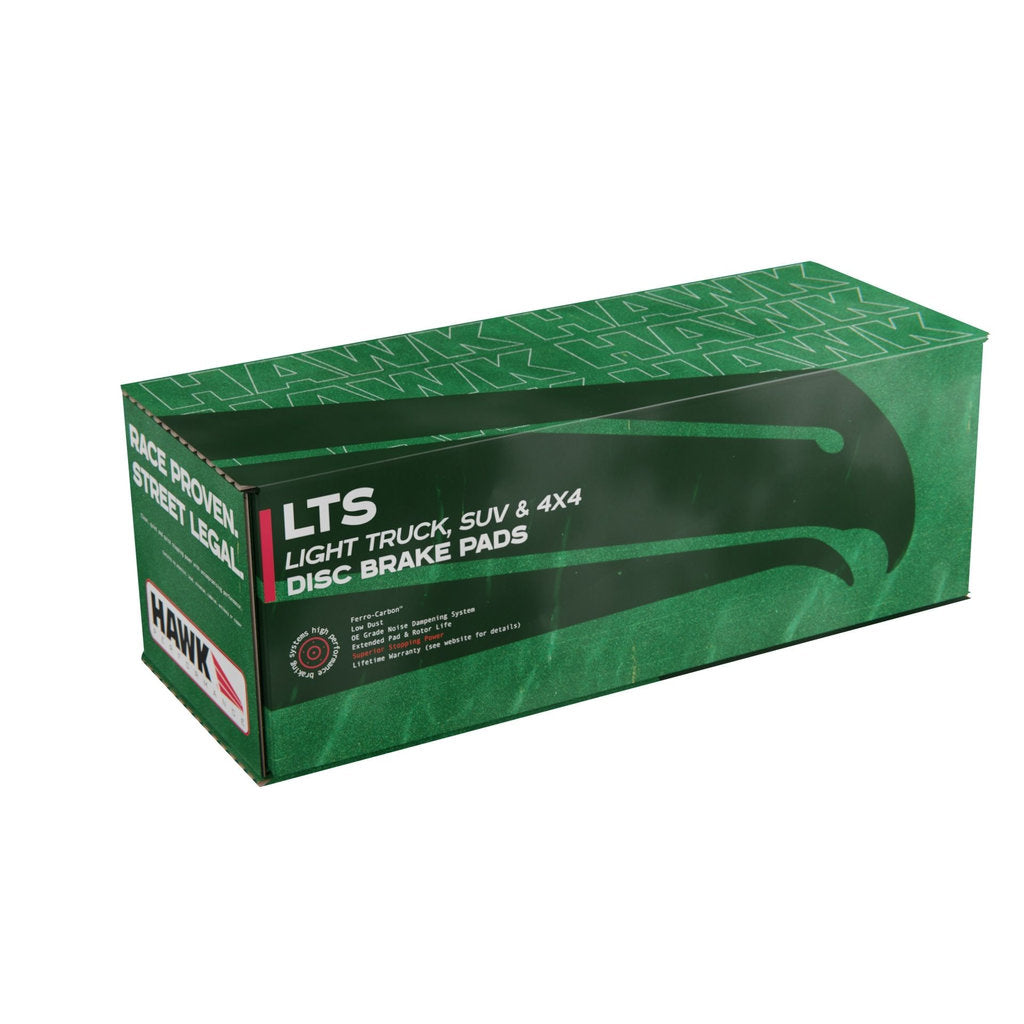
Hawk Performance develops braking components used in performance vehicles, motorsport applications, and aggressive driving environments. The brand manufactures brake pads, brake rotors, and related braking system components designed to maintain consistent braking behavior under demanding operating conditions. In modern performance vehicles, braking systems must convert large amounts of kinetic energy into thermal energy while preserving stable friction characteristics and predictable driver control.
Braking systems play a central role in overall vehicle dynamics because they directly influence how a vehicle decelerates, enters corners, and maintains stability during rapid speed changes. When a driver applies the brake pedal, hydraulic pressure forces the brake pads against the rotating brake discs. The friction generated at this interface slows the vehicle while transferring energy in the form of heat. Maintaining stable friction behavior throughout this process is essential for reliable braking performance.
In high-performance driving environments, braking systems experience significantly greater loads than those encountered during everyday driving. Vehicles may undergo repeated high-speed braking events, rapid deceleration before corners, and prolonged periods of elevated brake temperatures. Performance braking components are engineered to maintain friction stability and thermal resistance during these demanding conditions.
Reliable braking performance contributes directly to vehicle control. When braking force remains predictable, drivers can apply precise inputs and maintain balance during dynamic driving maneuvers. This predictability becomes especially important when vehicles operate near their performance limits.
Engineering Principles of Brake Pad Friction Materials and Rotor Design
Performance braking systems rely heavily on the design and composition of brake pad friction materials. Brake pads generate friction by pressing against the brake rotor surface, converting the vehicle’s kinetic energy into heat. The effectiveness of this process depends on the stability of the friction material across a wide range of temperatures and operating conditions.
Performance brake pad compounds are typically engineered to maintain consistent friction coefficients even as temperatures rise during aggressive driving. These compounds often contain a combination of fibers, metallic elements, and bonding materials designed to withstand repeated thermal cycling. Maintaining stable friction characteristics ensures that braking force remains predictable even during extended periods of heavy braking.
Thermal stability is one of the most important factors in brake pad engineering. During repeated braking cycles, brake temperatures can rise significantly due to the large amount of energy converted during deceleration. If friction materials degrade or lose effectiveness at high temperatures, braking performance may decline. This condition, commonly referred to as brake fade, can reduce braking efficiency and driver control.
Brake rotors work together with brake pads to manage the heat generated during braking. Rotors act as heat sinks that absorb thermal energy and dissipate it through airflow and conduction. Rotor design, including ventilation channels and structural geometry, plays an important role in controlling brake temperatures and preventing overheating during repeated braking events.
The interaction between brake pads and rotors determines how effectively the braking system can maintain consistent performance. Properly matched components allow the friction interface to remain stable while managing heat buildup. This balance is essential for braking systems that operate under high mechanical and thermal loads.
Hawk Performance Braking Components Available in This Section
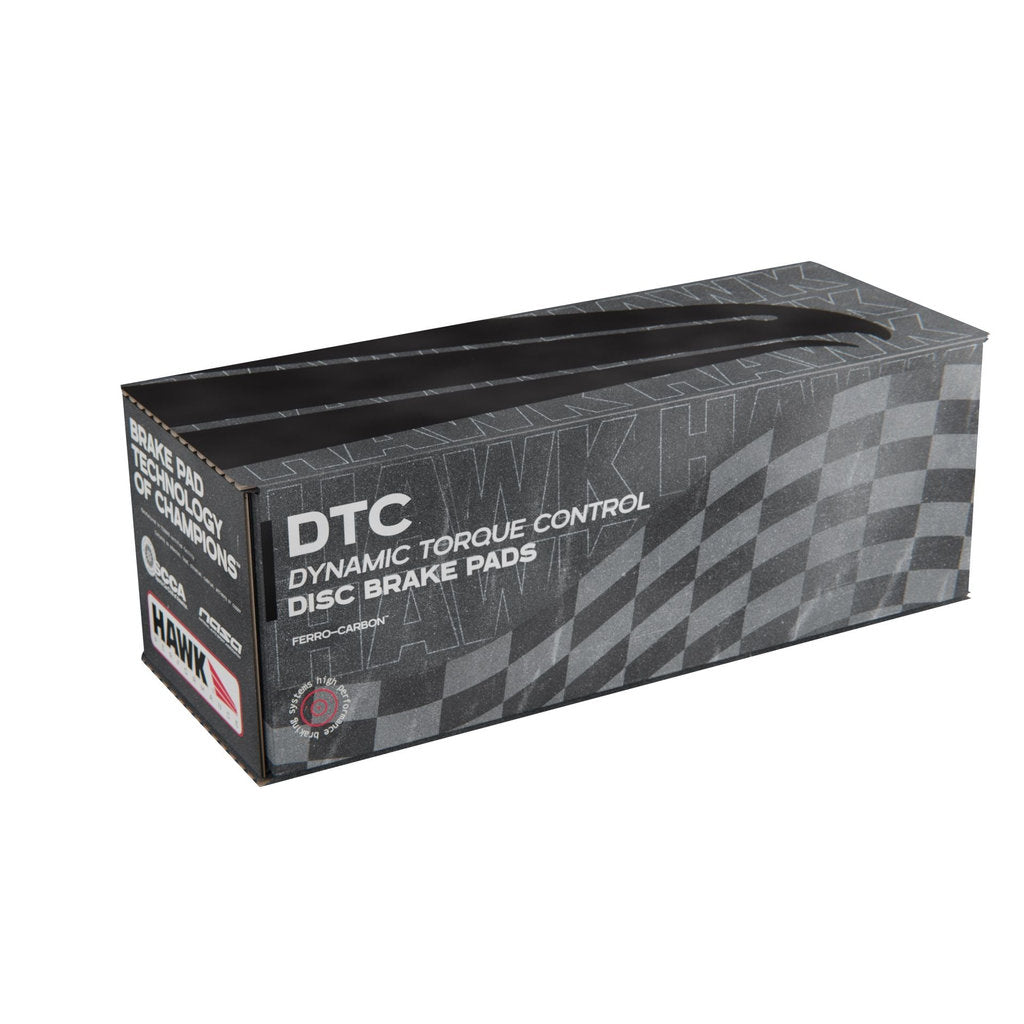
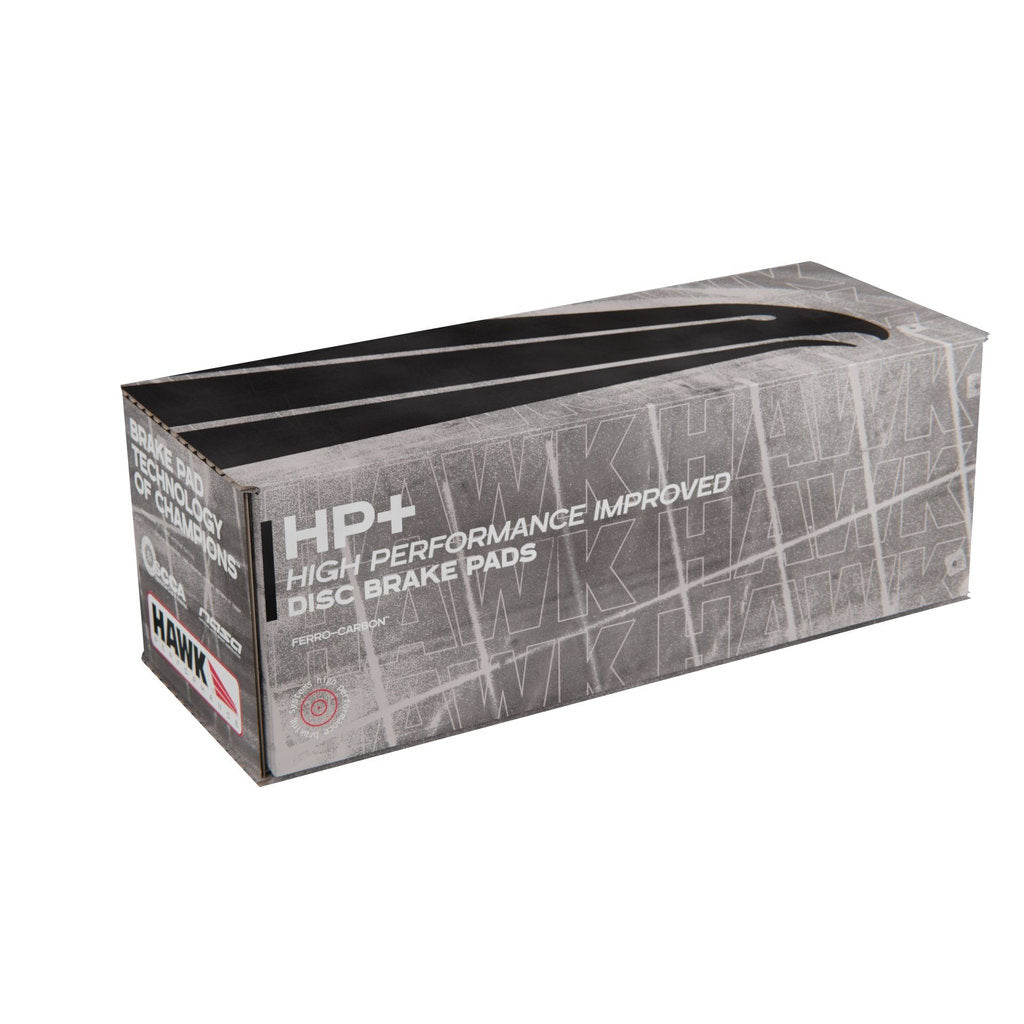
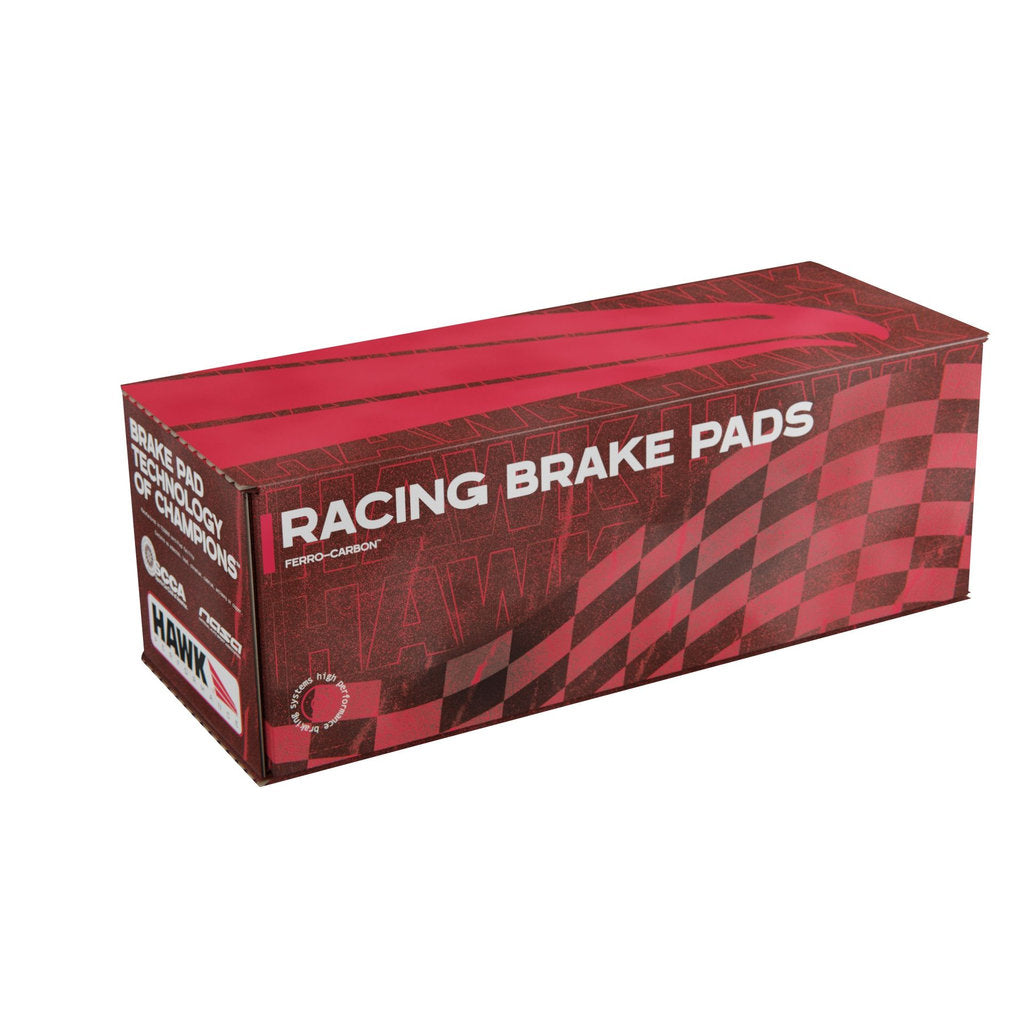
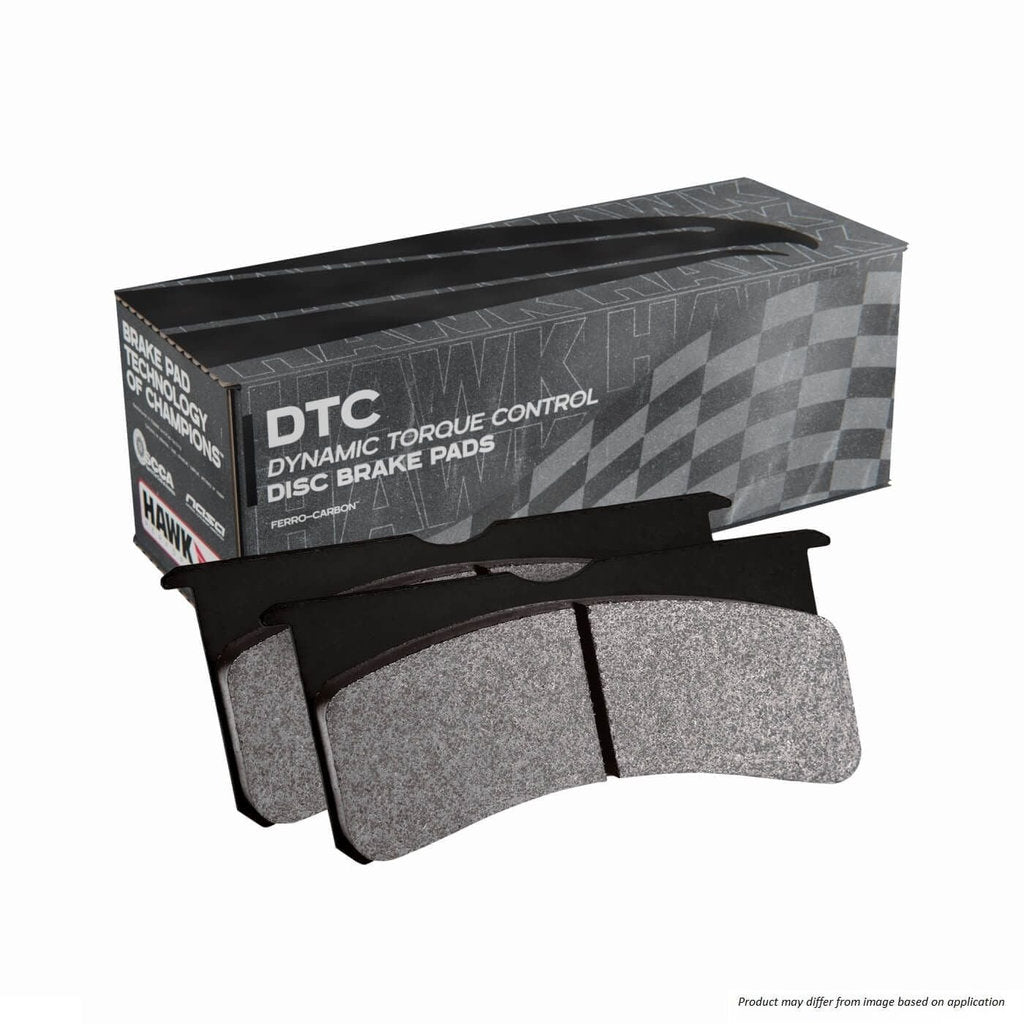
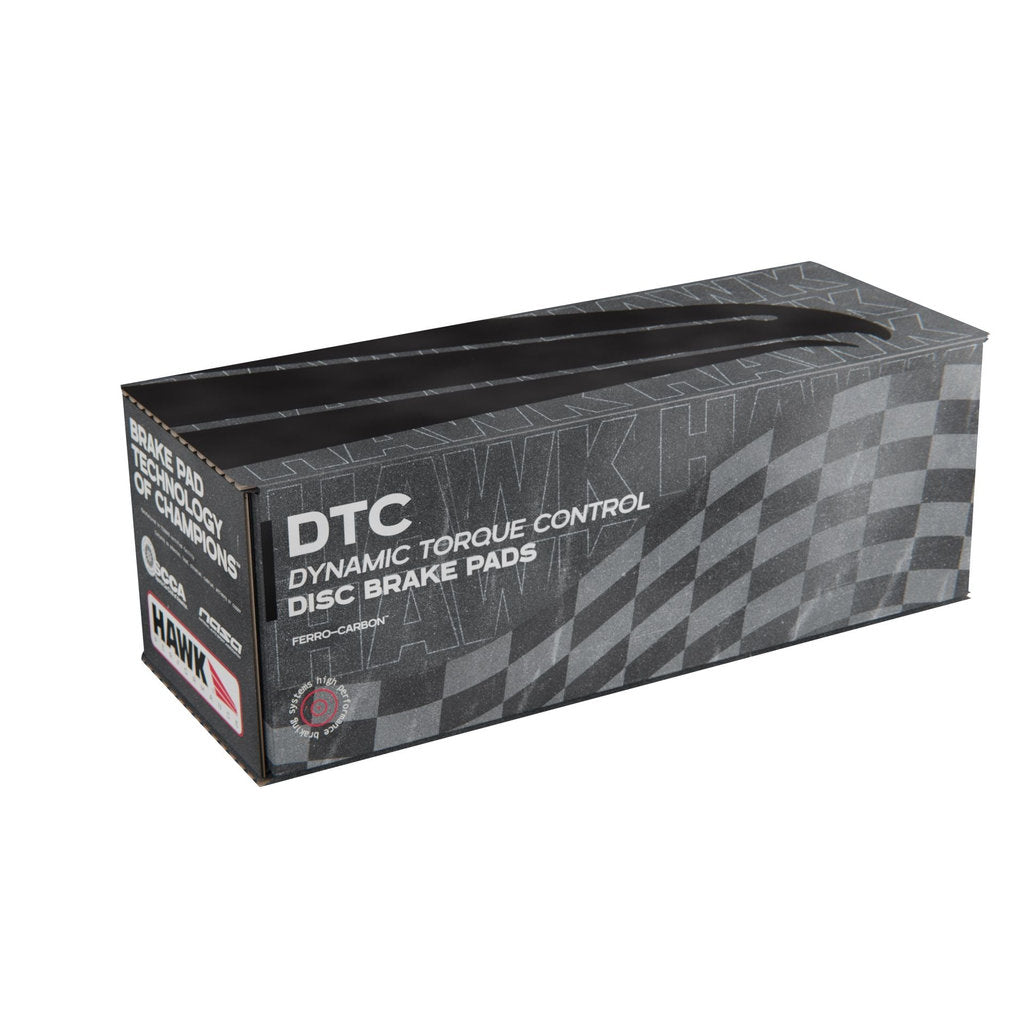
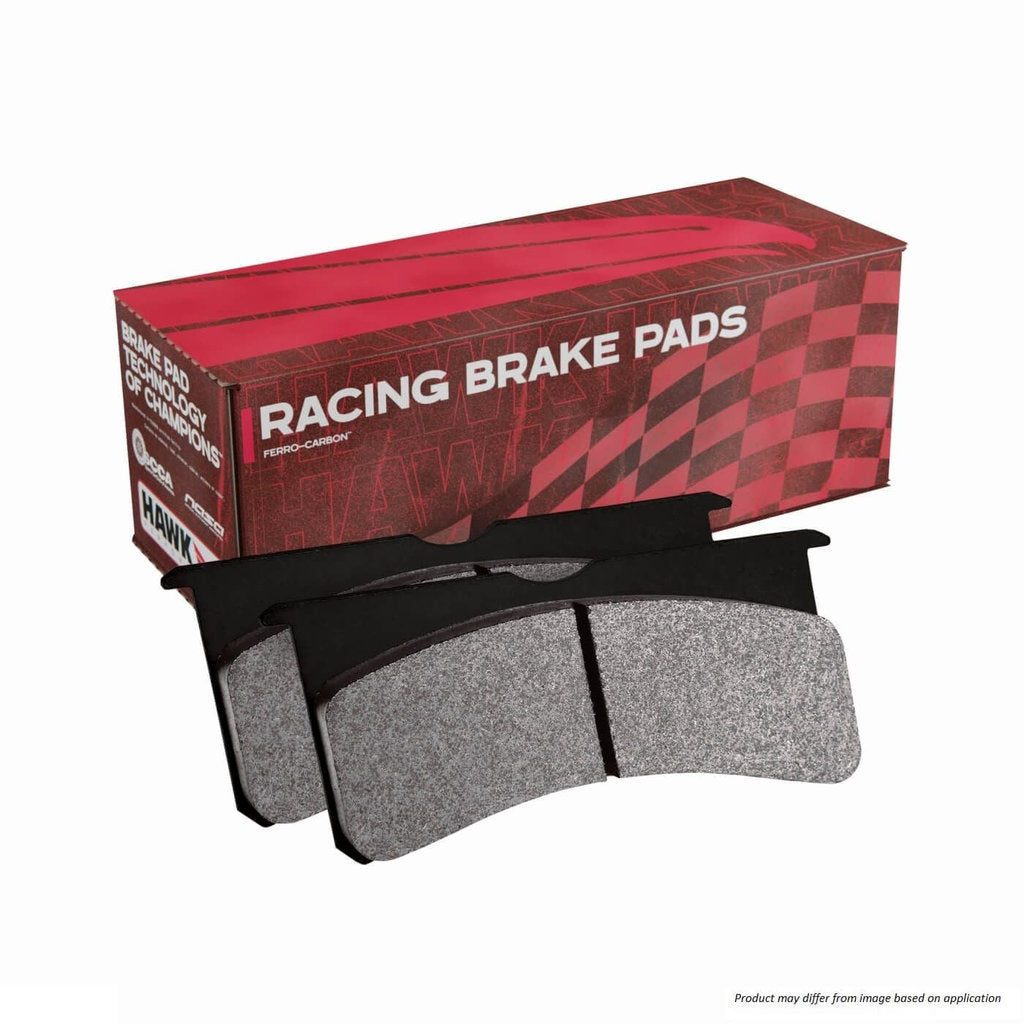
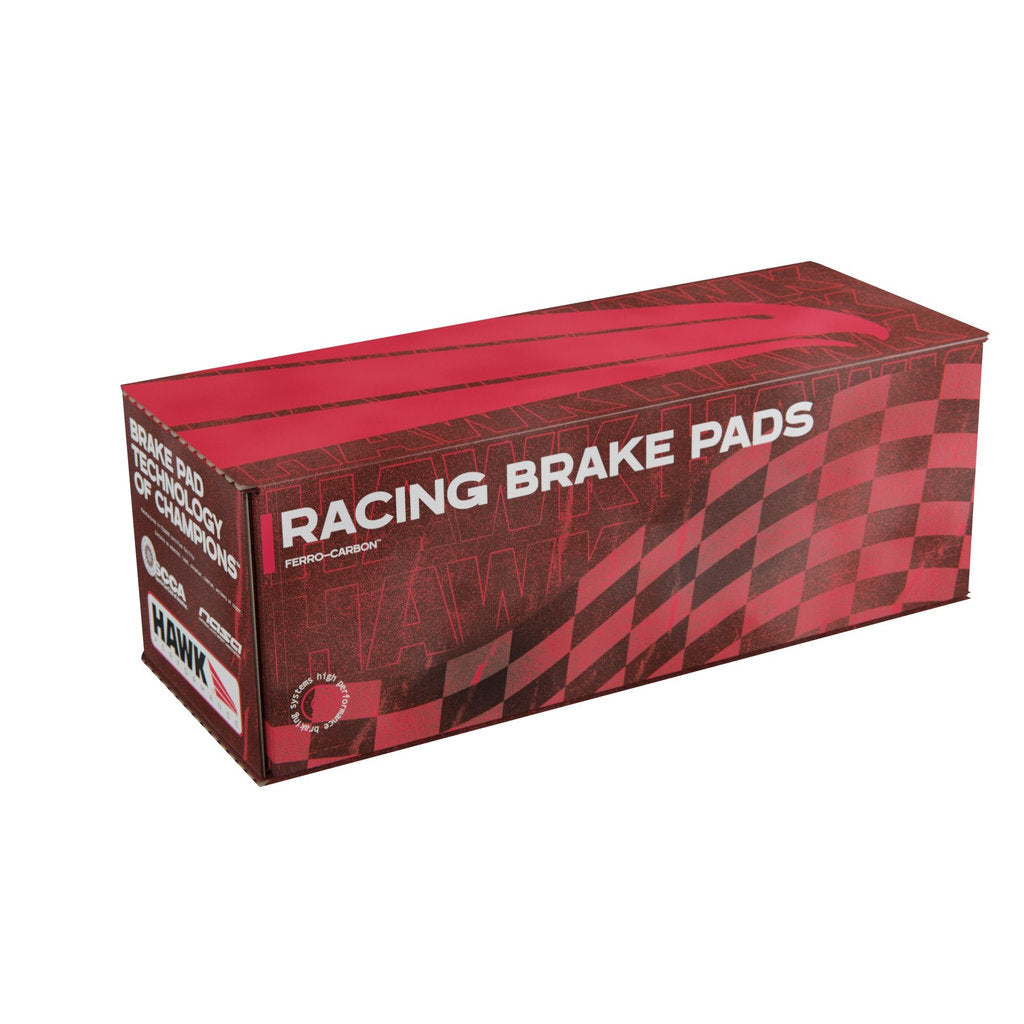
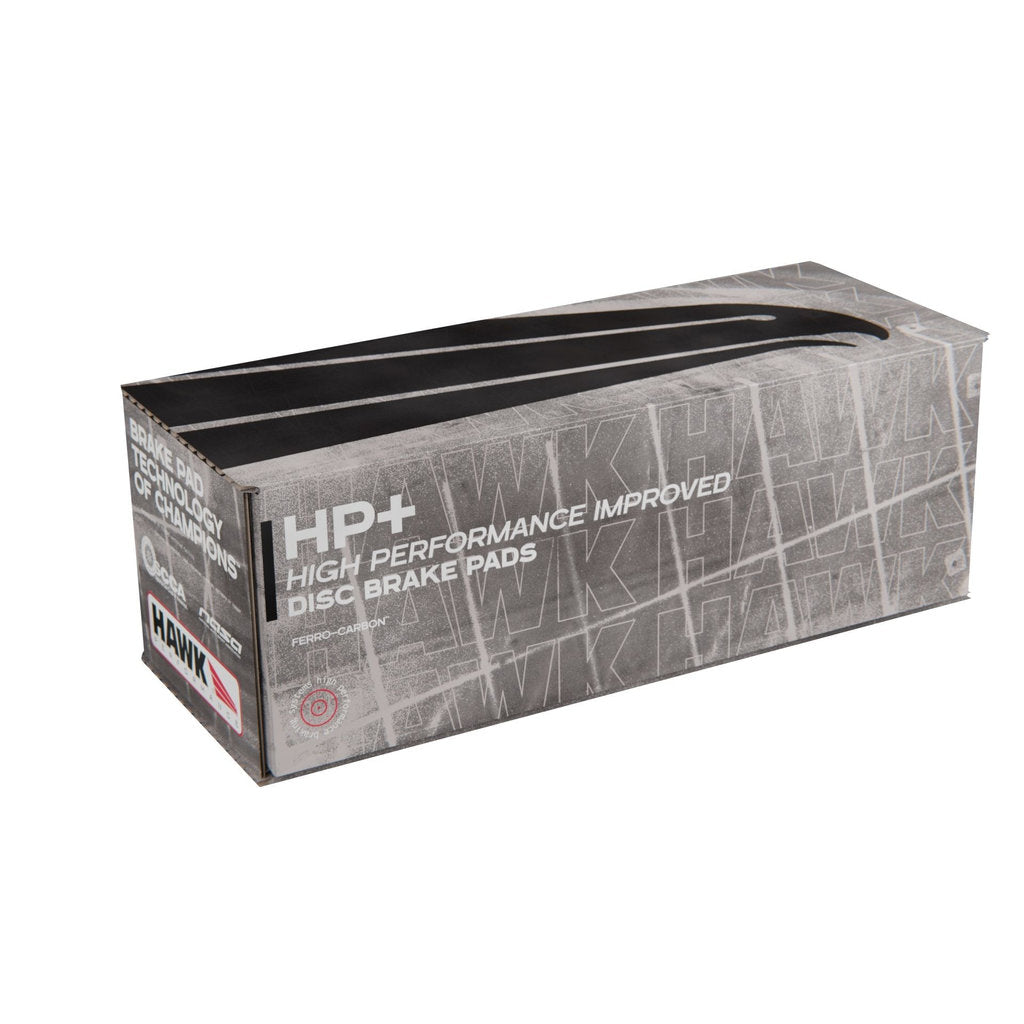
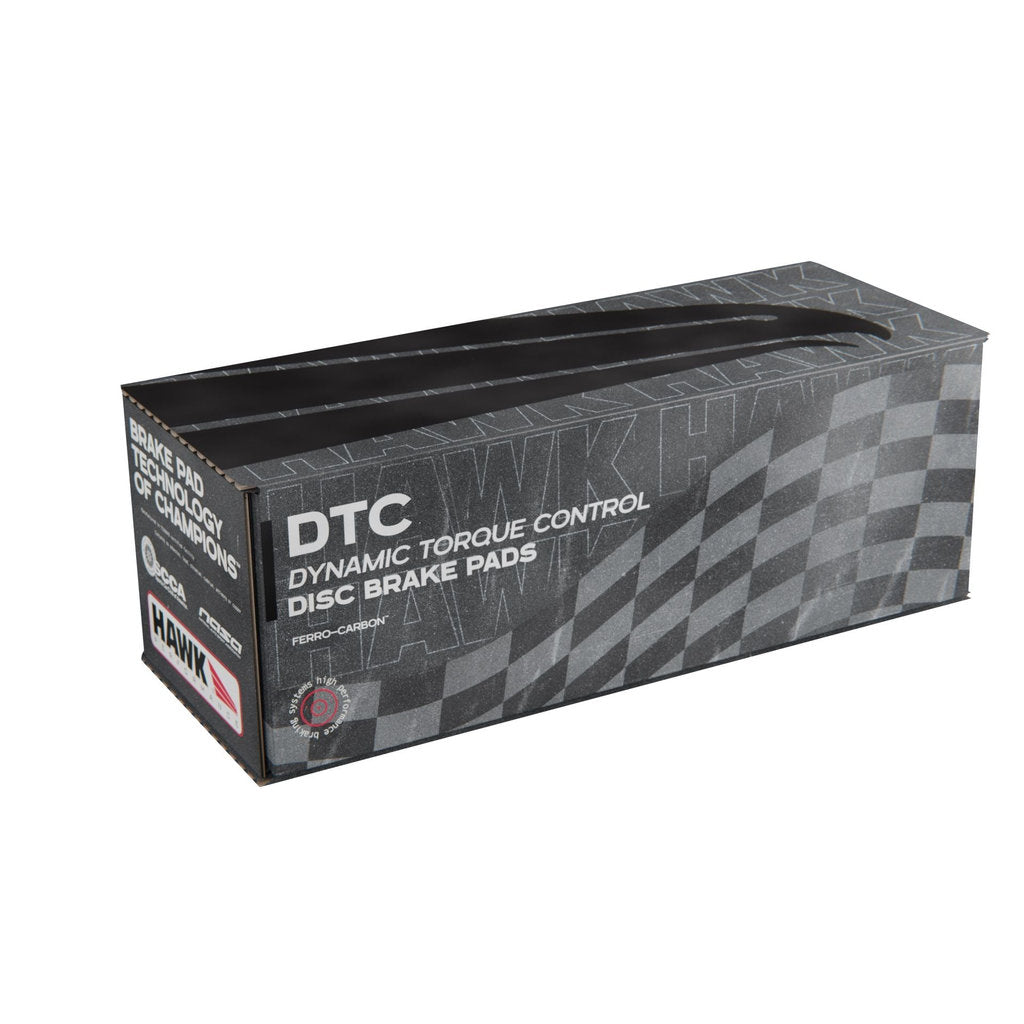
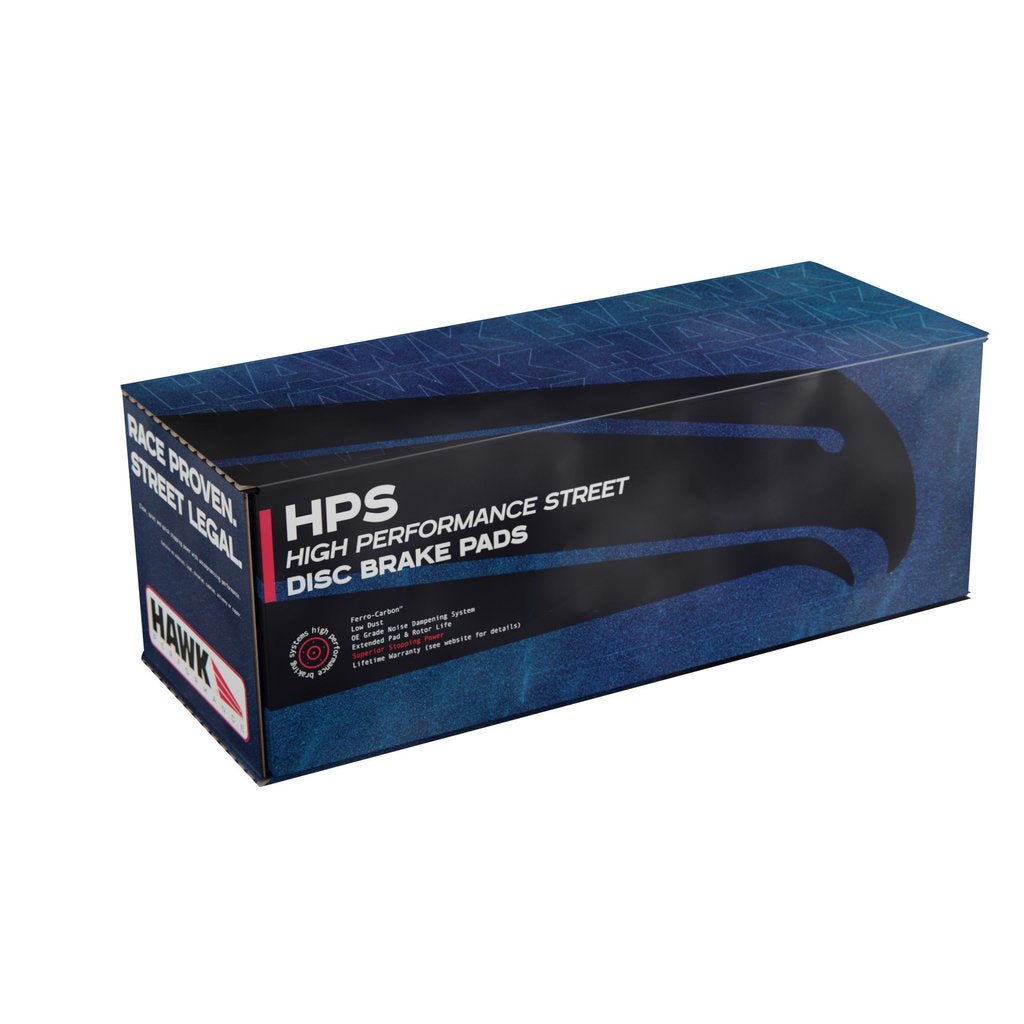
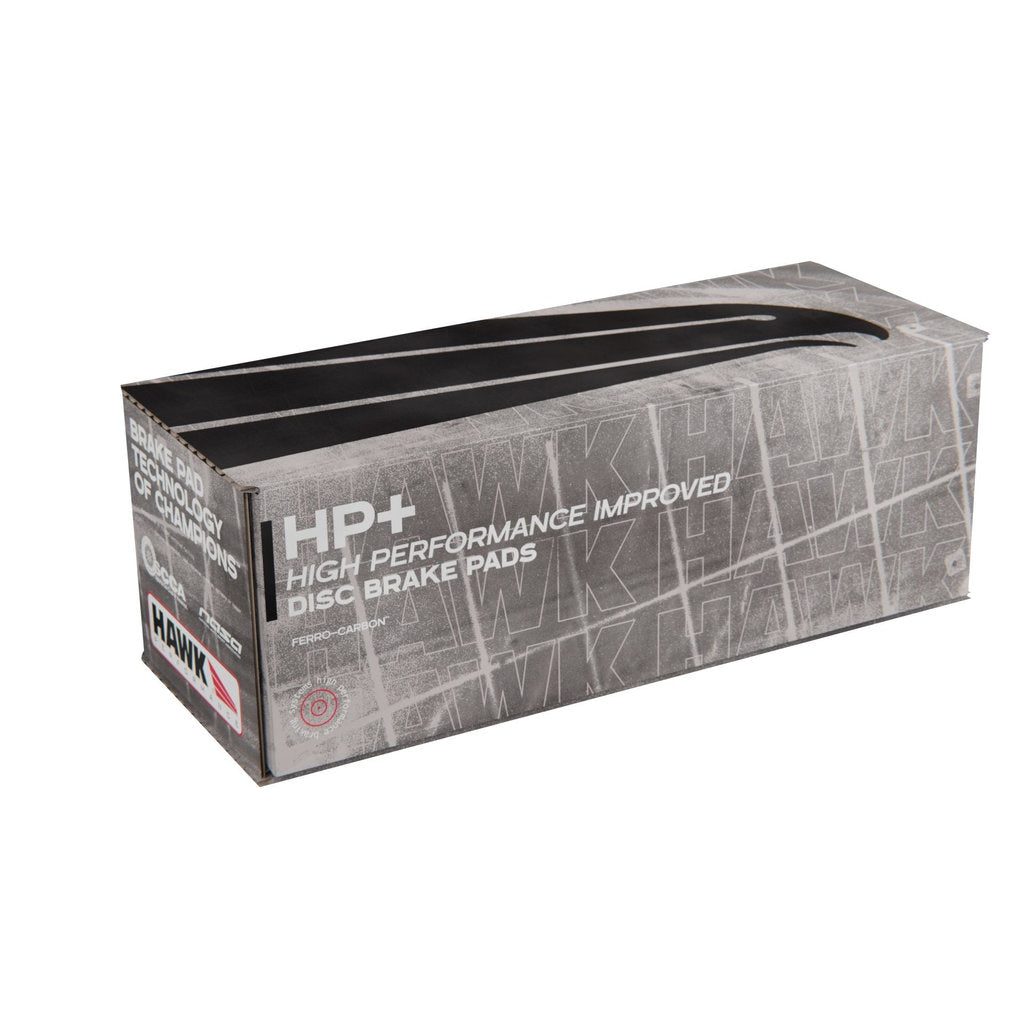
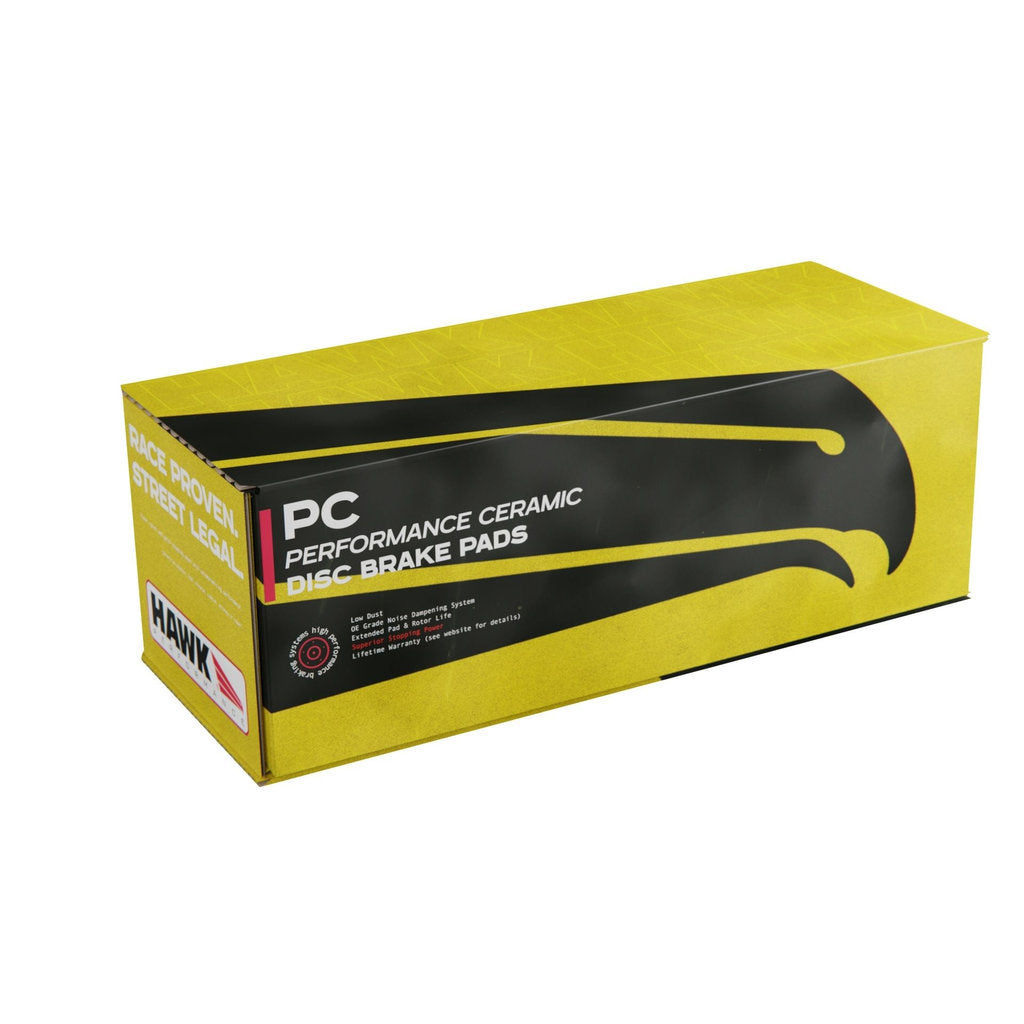
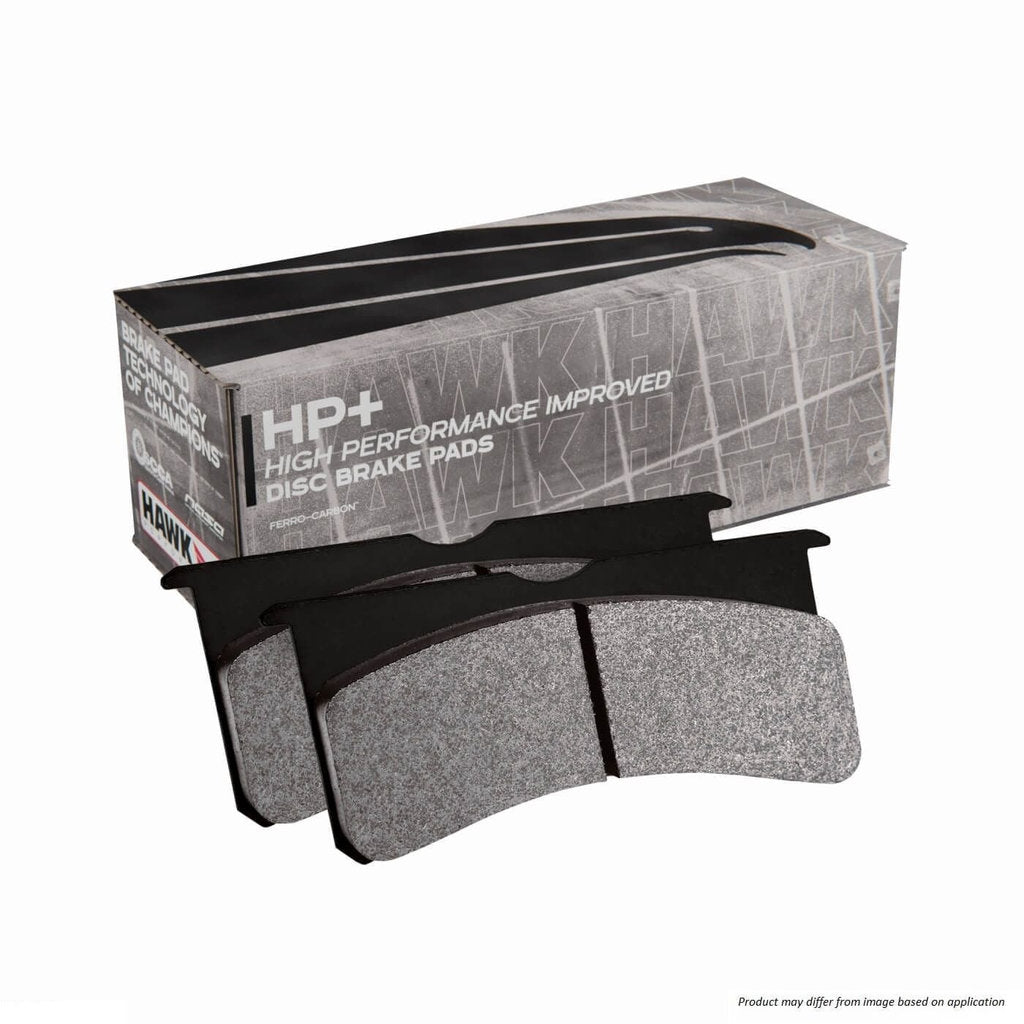
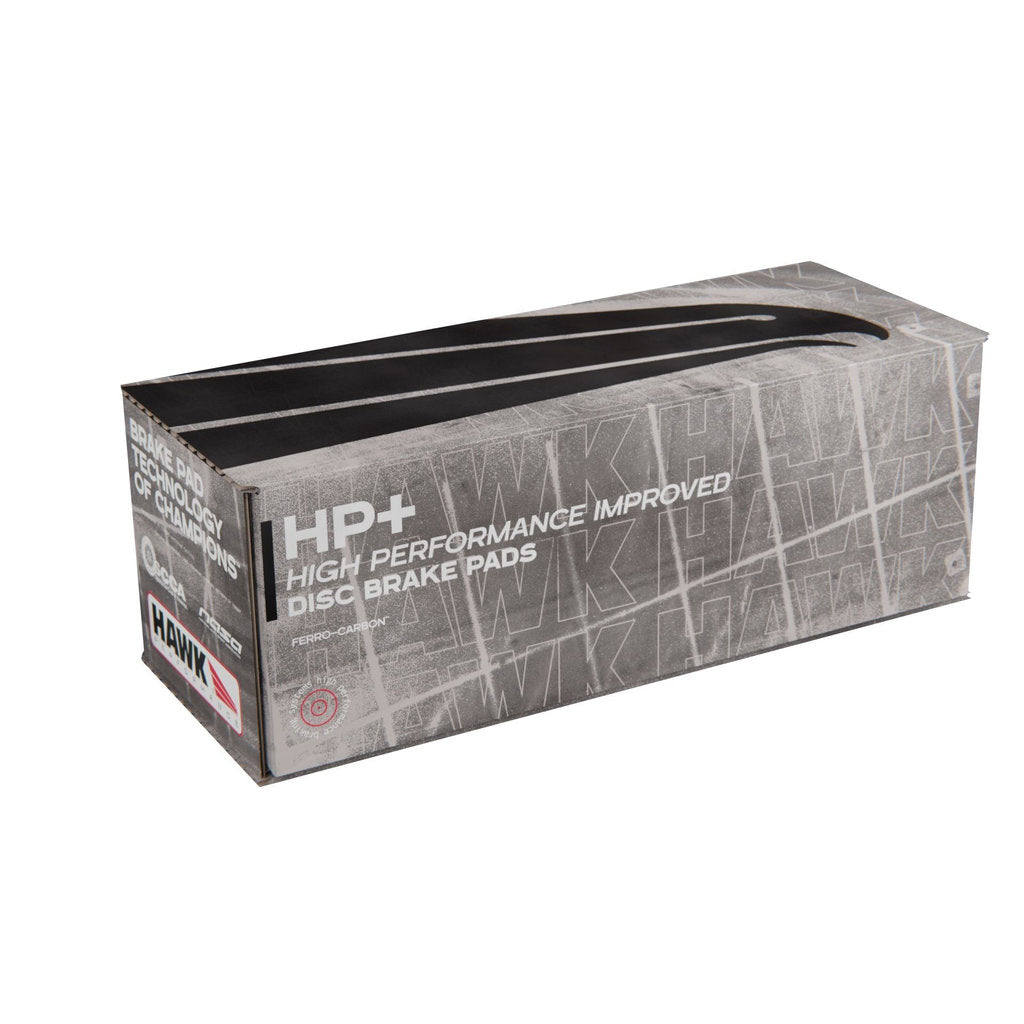
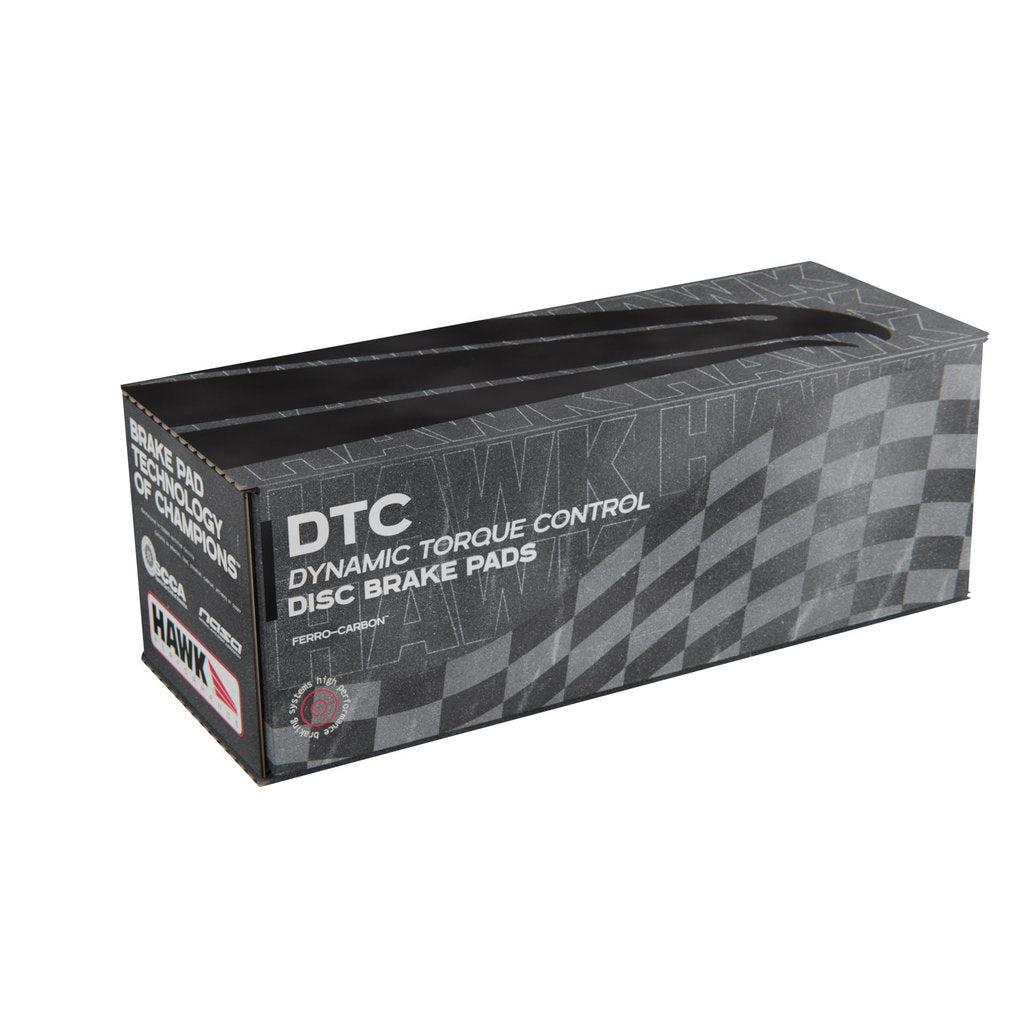
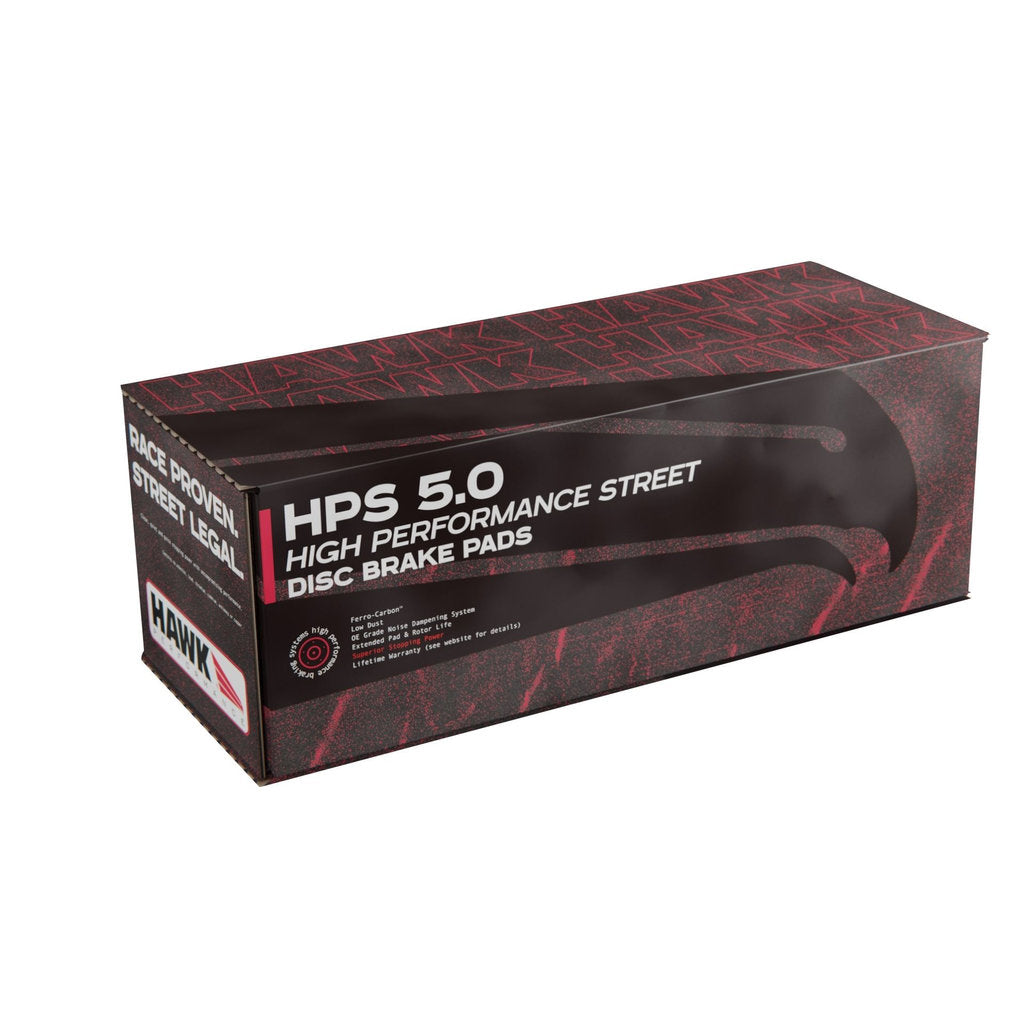
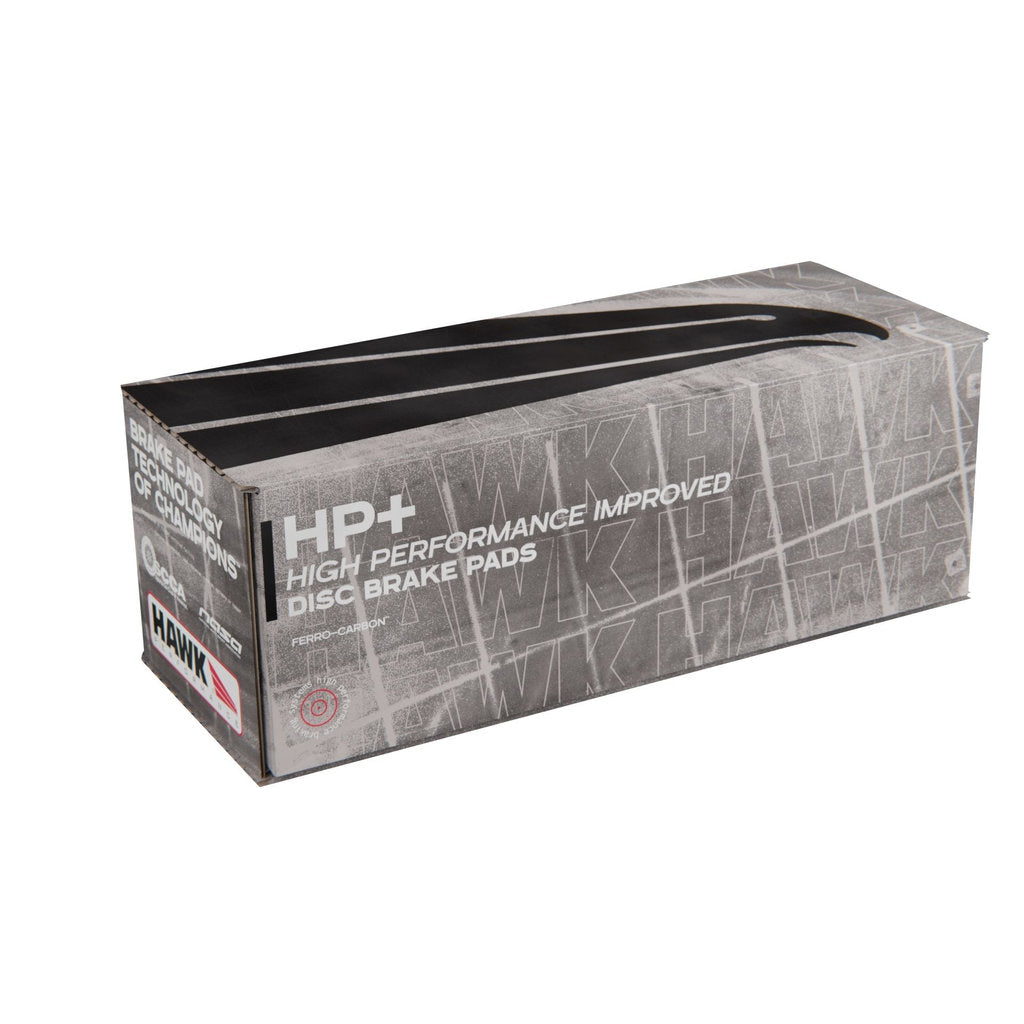
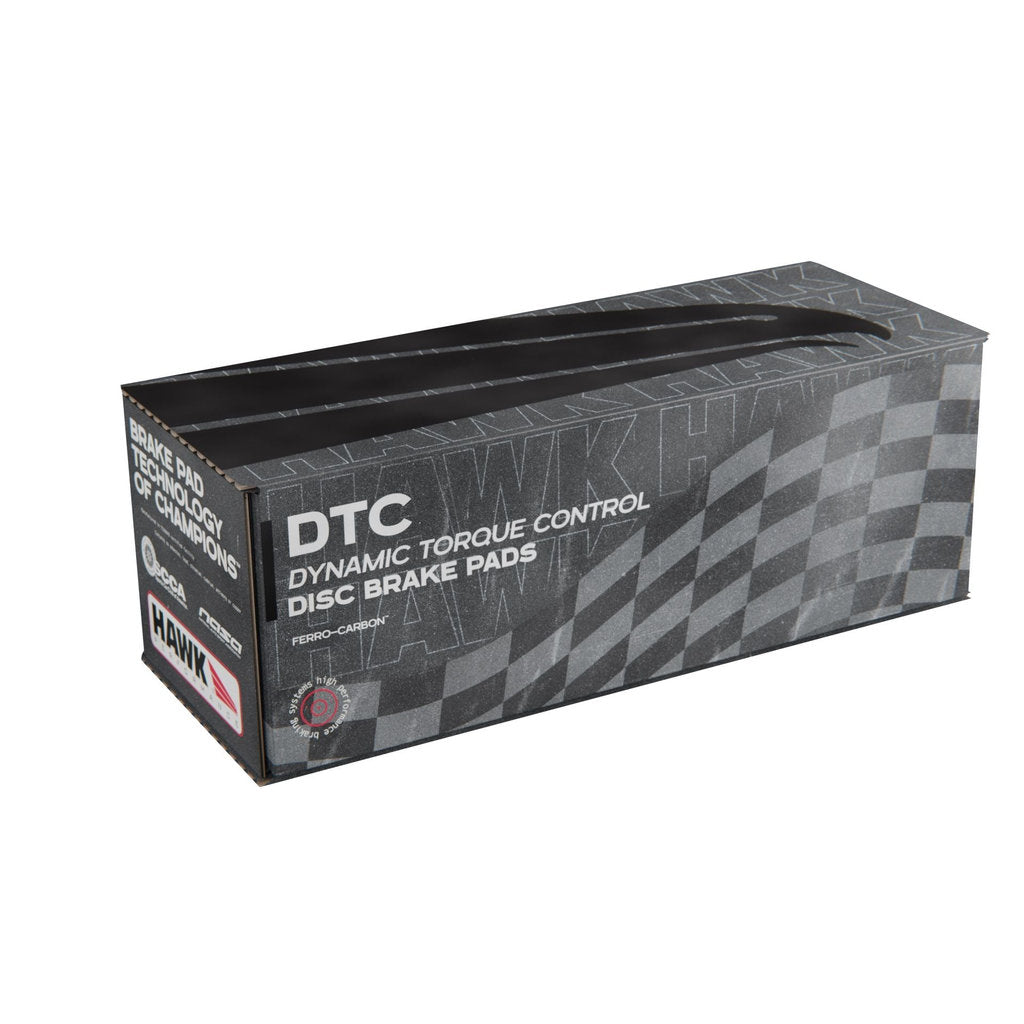
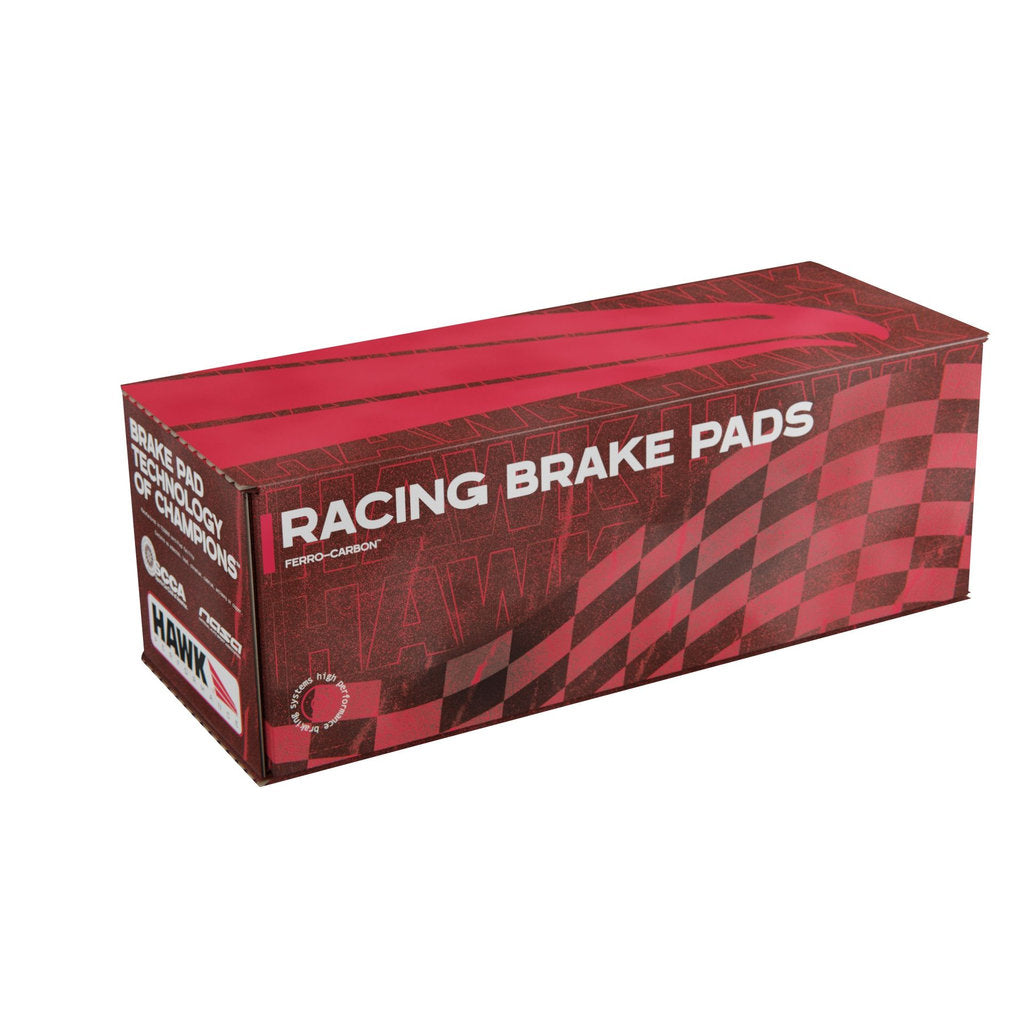
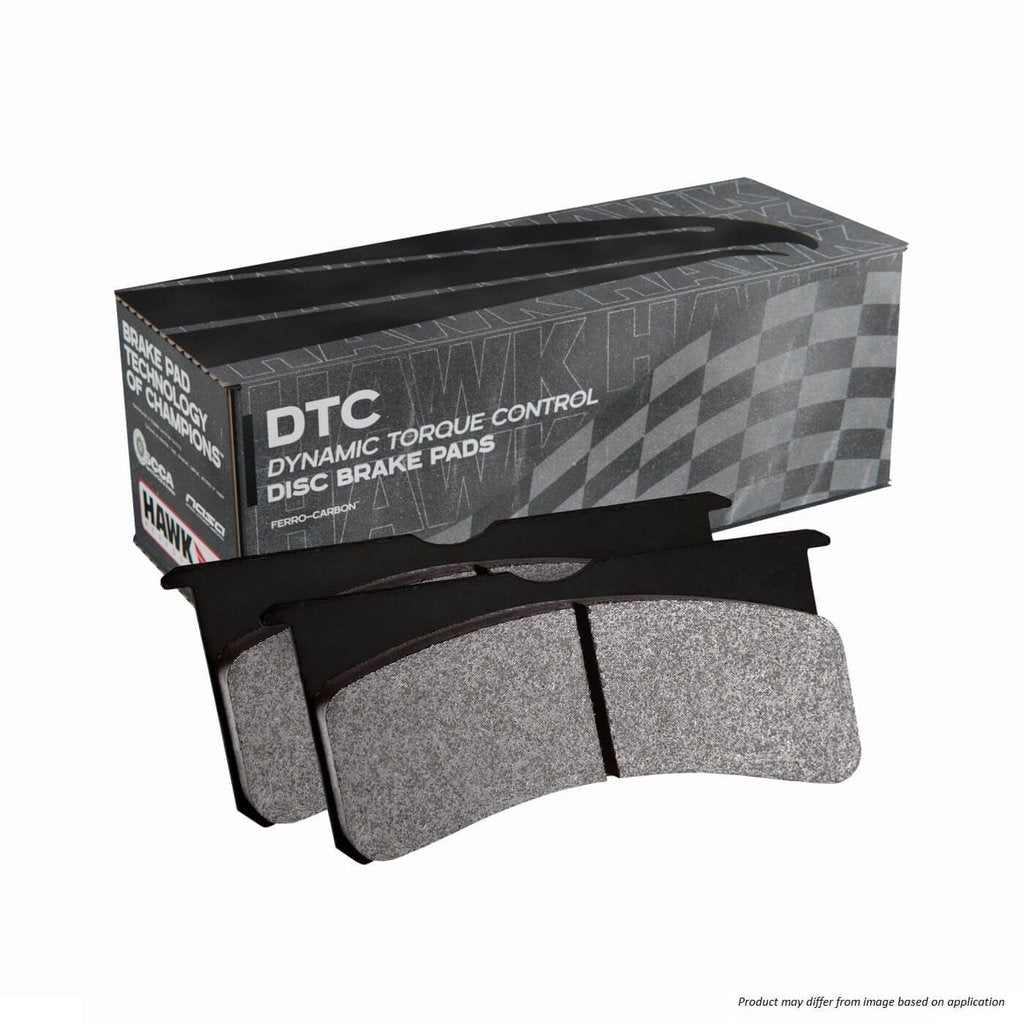
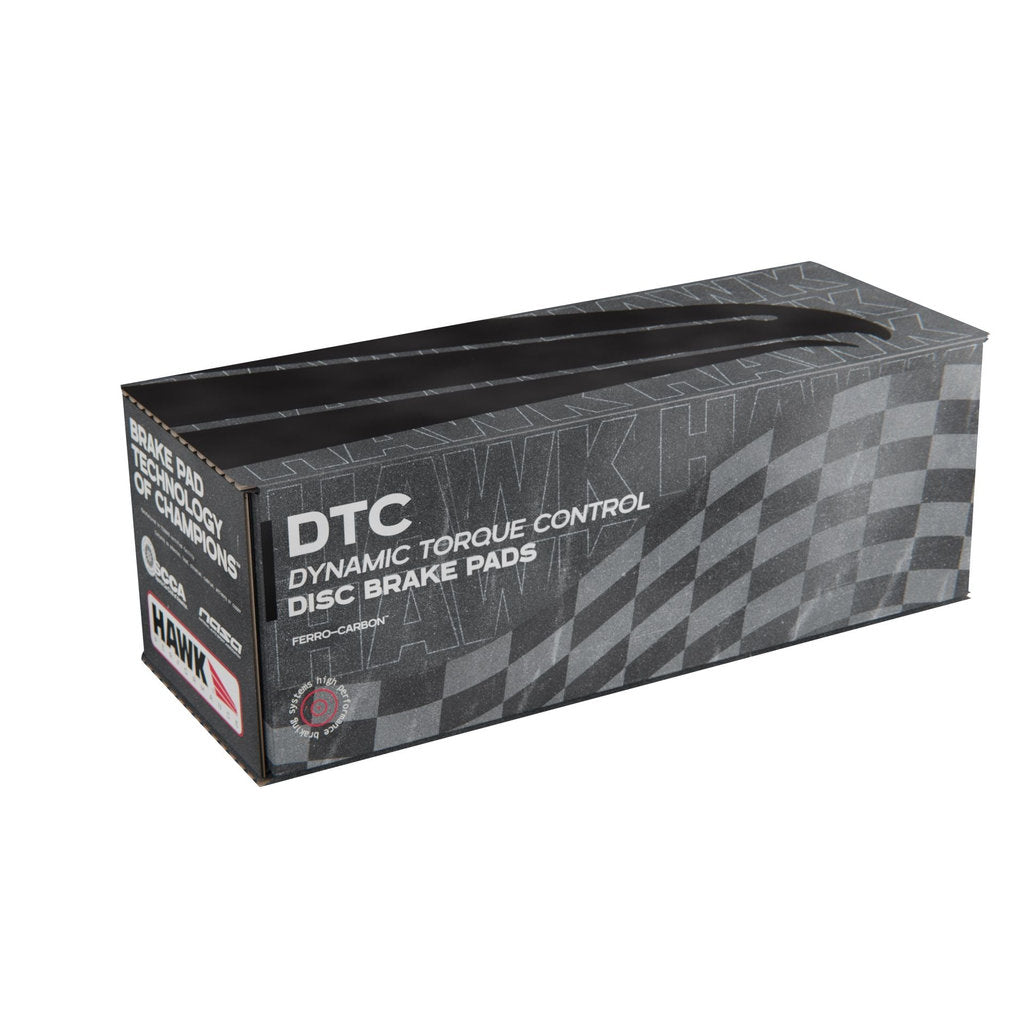
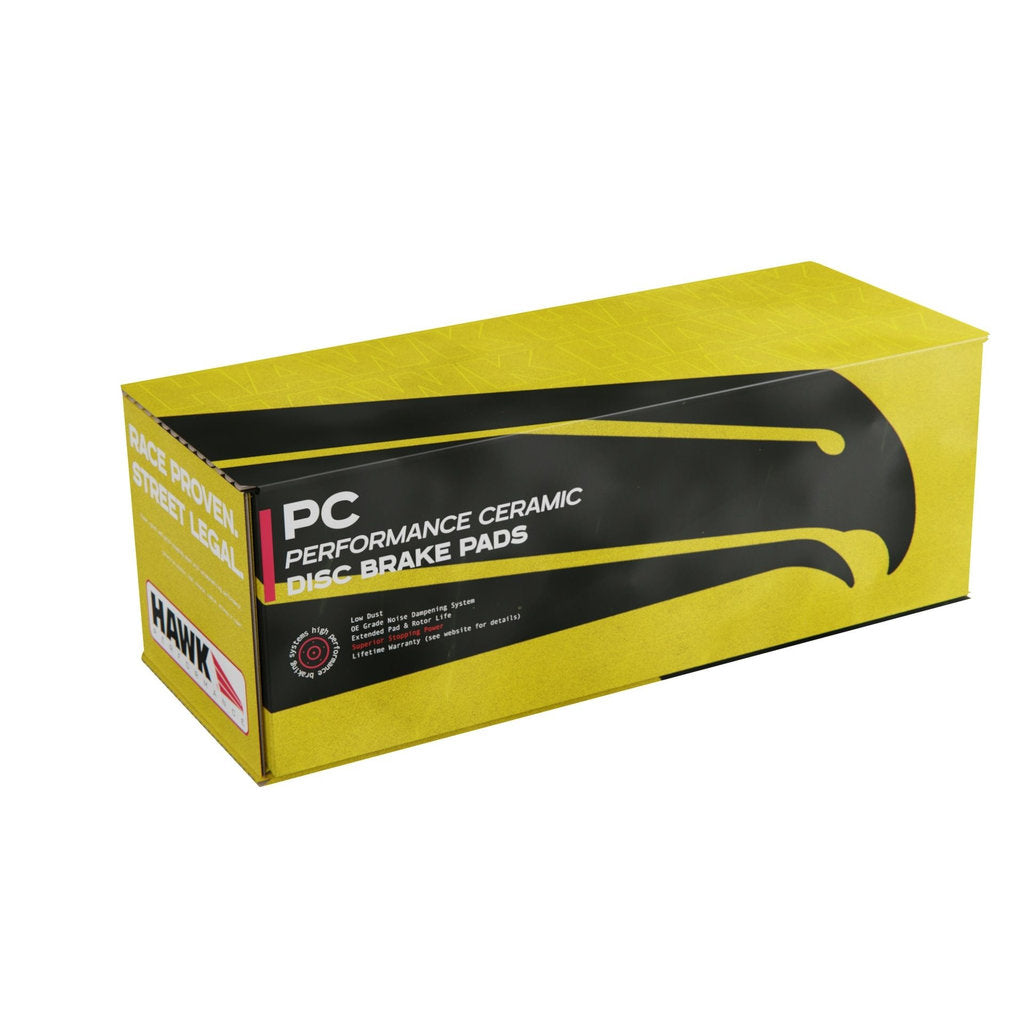
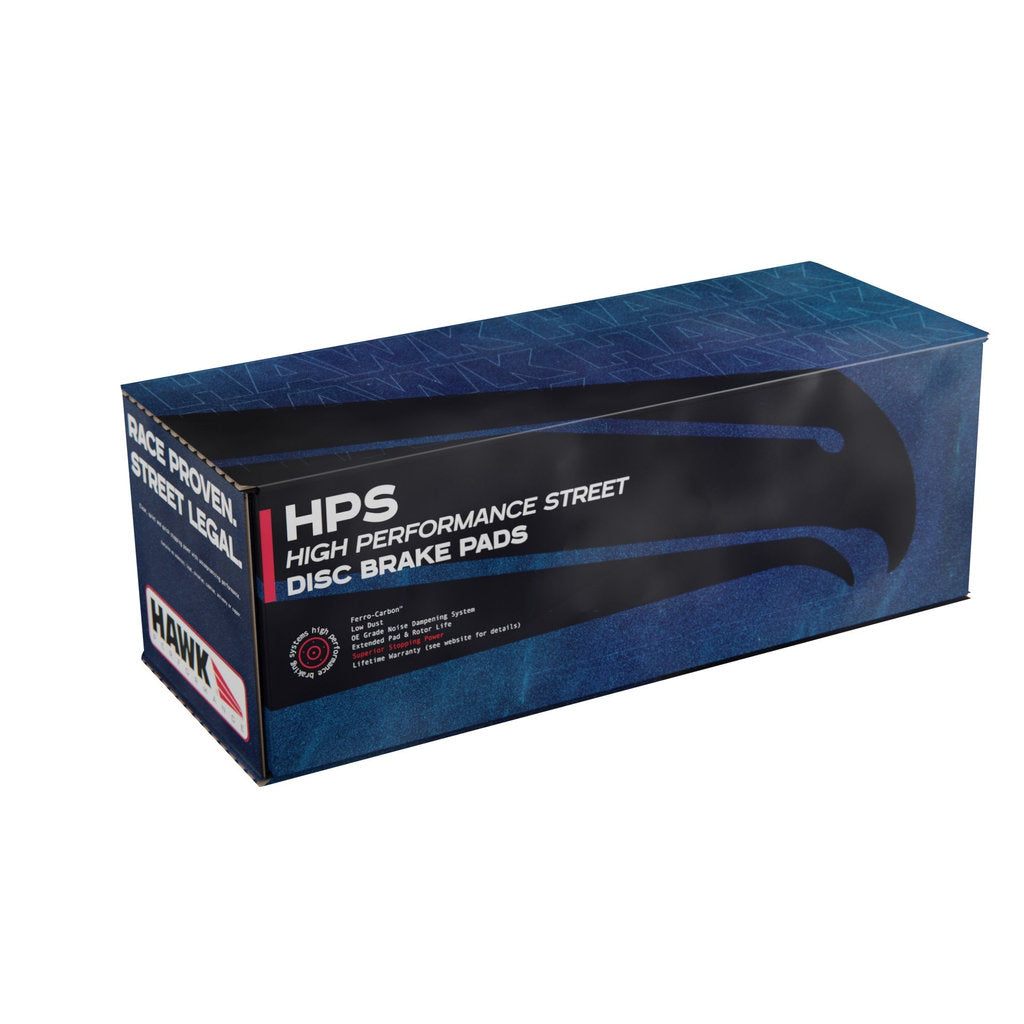
The Hawk Performance collection available in this section includes several braking components designed for vehicles operating in performance driving environments. These parts are engineered to maintain friction stability and thermal durability during demanding braking conditions.
Brake pads represent one of the most commonly upgraded components in performance braking systems because they directly influence friction characteristics. Brake rotors complement these components by providing a stable surface for friction interaction while absorbing and dissipating heat generated during braking. Together, these components contribute to maintaining consistent braking behavior under repeated load.
- brake pads engineered for stable friction characteristics
- brake rotors designed to manage high braking temperatures
- braking components developed for performance driving environments
- braking system parts used in performance vehicle upgrades
These components may be used individually or combined as part of a comprehensive braking system upgrade. When properly selected, they help maintain predictable braking performance across a wide range of driving conditions.
Applications of Hawk Braking Components in Performance Vehicles
Performance braking components are commonly used in vehicles that experience high braking loads. Track-prepared sports cars, motorsport vehicles, and modified performance street vehicles often require braking systems capable of maintaining stable friction characteristics during aggressive driving conditions.
In performance driving environments, vehicles frequently decelerate from high speeds before entering corners or navigating technical driving sections. These braking events generate large amounts of heat within the braking system. Components designed for high-temperature operation help ensure that braking performance remains consistent throughout repeated braking cycles.
High-performance street vehicles can also benefit from upgraded braking components when drivers seek improved braking consistency and responsiveness. Stable friction behavior allows drivers to apply braking inputs more precisely, improving control during spirited driving and emergency braking situations.
Vehicles operating in hot climates may experience additional thermal stress on braking systems due to elevated ambient temperatures. When surrounding air temperatures are higher, brake components may retain more heat during repeated braking cycles. Under these conditions, brake pads and rotors with strong thermal resistance help maintain stable braking performance.
Resistance to brake fade is particularly important in vehicles used for aggressive driving. When braking systems maintain consistent friction behavior, drivers can rely on predictable deceleration performance even during prolonged high-load operation.
Selecting Braking Components for Performance Driving Applications
Selecting appropriate braking components for a performance vehicle involves evaluating several factors related to vehicle configuration and driving conditions. One of the most important considerations is brake pad compound selection. Different friction materials are engineered to operate effectively within specific temperature ranges and driving environments.
Brake pad compounds designed for performance driving often operate effectively at higher temperatures than those used in standard road vehicles. These materials provide stable friction characteristics when exposed to repeated braking cycles and elevated thermal loads. Choosing the correct compound helps ensure consistent braking response during demanding driving conditions.
Rotor design also plays an important role in braking system performance. Ventilated rotors and other specialized rotor configurations can improve heat dissipation, allowing the braking system to manage thermal loads more effectively. Efficient heat management helps prevent brake fade and contributes to long-term braking reliability.
Compatibility between brake pads, rotors, and calipers must also be considered when configuring a braking system. Components must work together to maintain balanced braking forces across the vehicle. Properly matched components help preserve consistent braking behavior and reduce uneven wear within the system.
Drivers and vehicle builders often evaluate braking system requirements based on vehicle weight, engine performance, and intended driving style. A well-balanced braking system allows the vehicle to maintain stability while delivering predictable deceleration performance.
Hawk Performance Braking Components Available at ATOMIC-SHOP
ATOMIC-SHOP offers a selection of Hawk Performance braking components designed for performance vehicles and aggressive driving environments. The available range includes performance brake pads, brake rotors, and braking system components used in high-performance vehicle builds.
These braking components are commonly used in applications where maintaining consistent friction behavior, reliable thermal stability, and predictable braking response is essential. By supporting stable braking performance under demanding conditions, performance braking systems contribute to the overall control and safety of modern high-performance vehicles.