




Suspension Geometry Control and Chassis Stability in Performance Vehicles
Hardrace manufactures suspension and chassis components designed to improve vehicle stability, suspension geometry control, and structural rigidity in performance-oriented vehicles. These components include control arms, sway bars, suspension bushings, strut braces, engine mounts, and various chassis reinforcement parts used in performance builds and motorsport applications. In modern performance vehicles, the ability to maintain precise suspension alignment and stable chassis behavior plays a critical role in vehicle handling and driver control.
The suspension system of a vehicle is responsible for managing the interaction between the tires and the road surface. Suspension components control wheel movement, maintain tire contact with the ground, and manage forces generated during acceleration, braking, and cornering. When vehicles are driven aggressively or modified for higher performance levels, the loads applied to suspension components increase significantly. In these conditions, upgraded suspension hardware helps maintain alignment accuracy and structural stability.
Chassis stiffness is another important factor in performance vehicle dynamics. A flexible chassis can allow unwanted movement between suspension mounting points, which may alter suspension geometry under load. When the chassis structure is reinforced and suspension components are engineered for higher loads, the vehicle can maintain more predictable handling behavior. This contributes to stable steering response and consistent cornering performance.
Performance suspension systems are therefore designed to maintain precise geometry while controlling body movement during dynamic driving conditions. Components that manage suspension articulation and chassis rigidity work together to preserve vehicle balance and driver feedback during performance driving.
Engineering Principles Behind Suspension Geometry and Chassis Control
Suspension geometry refers to the arrangement and motion of the suspension components that connect the wheels to the vehicle chassis. Control arms and suspension linkages guide wheel movement while maintaining alignment angles such as camber, caster, and toe. These angles influence how the tire contacts the road surface during cornering, braking, and acceleration.
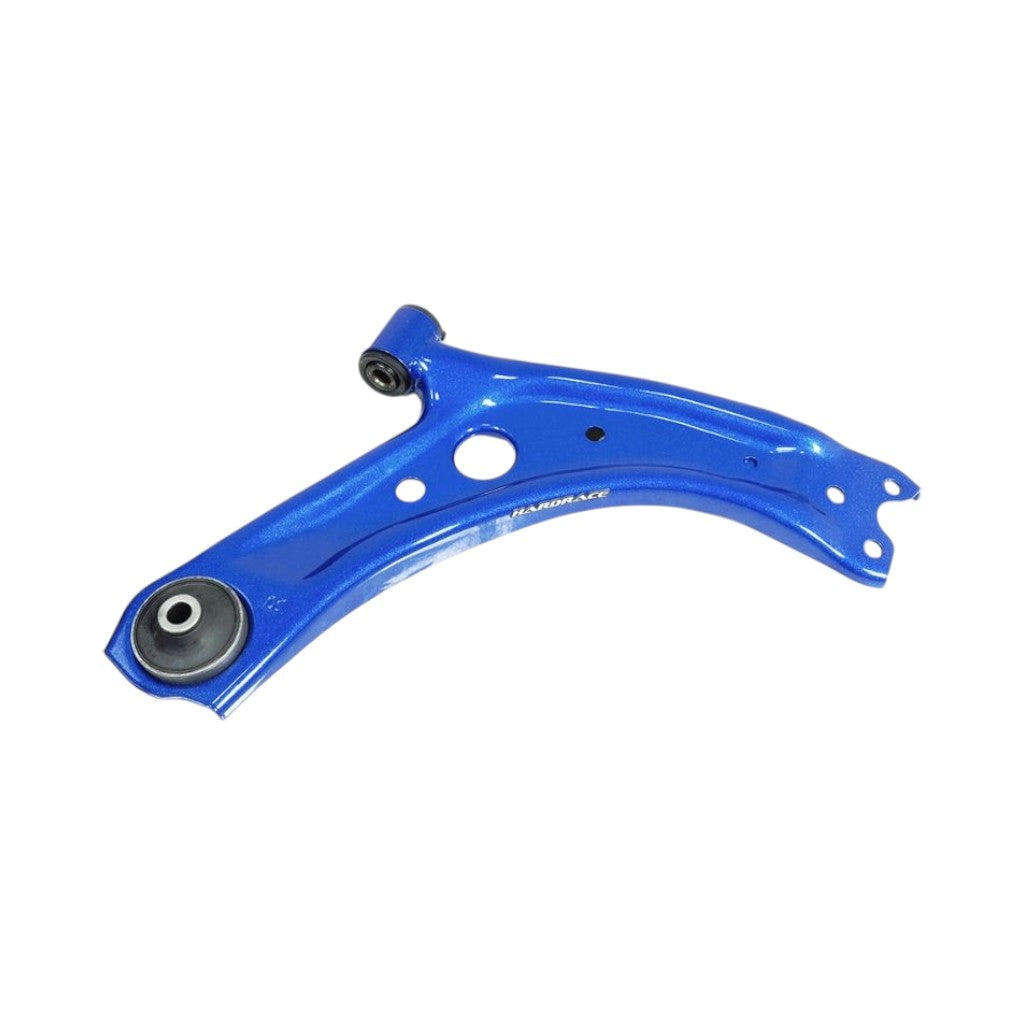
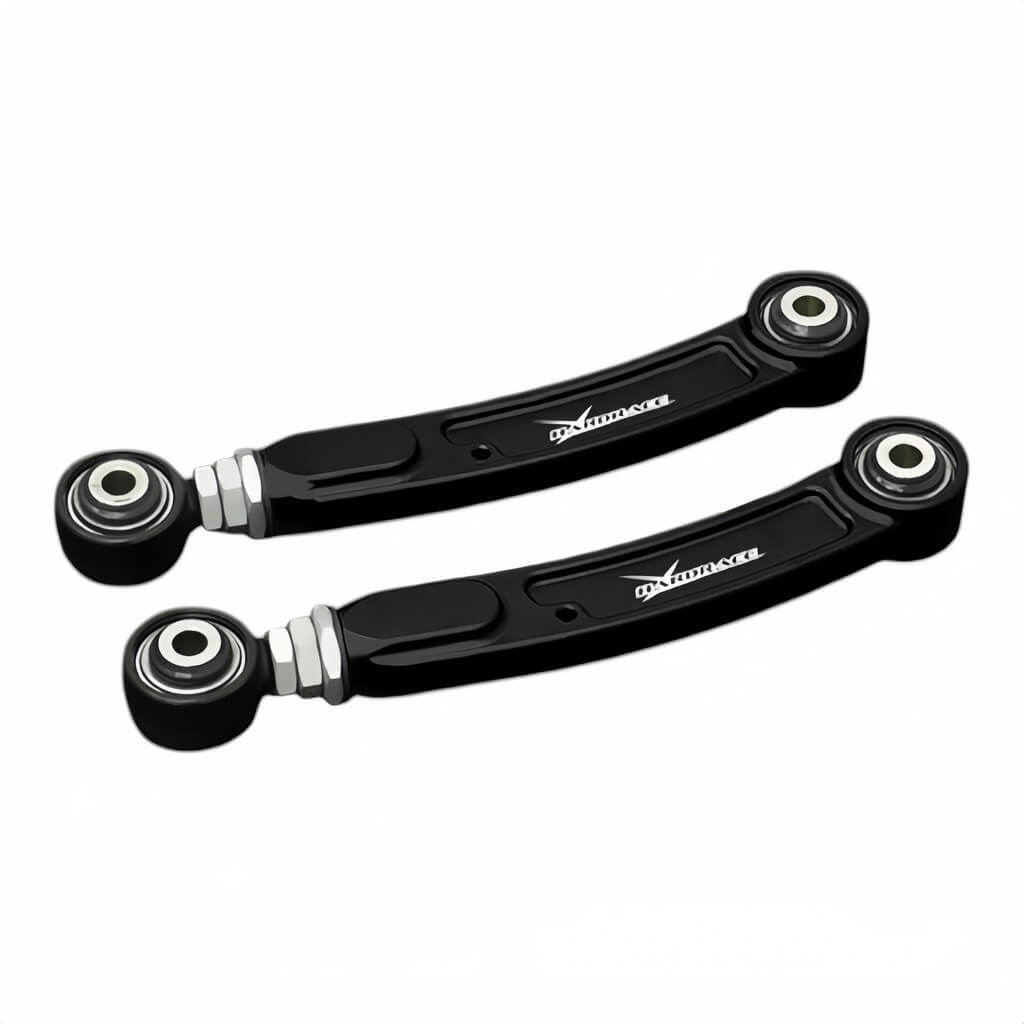
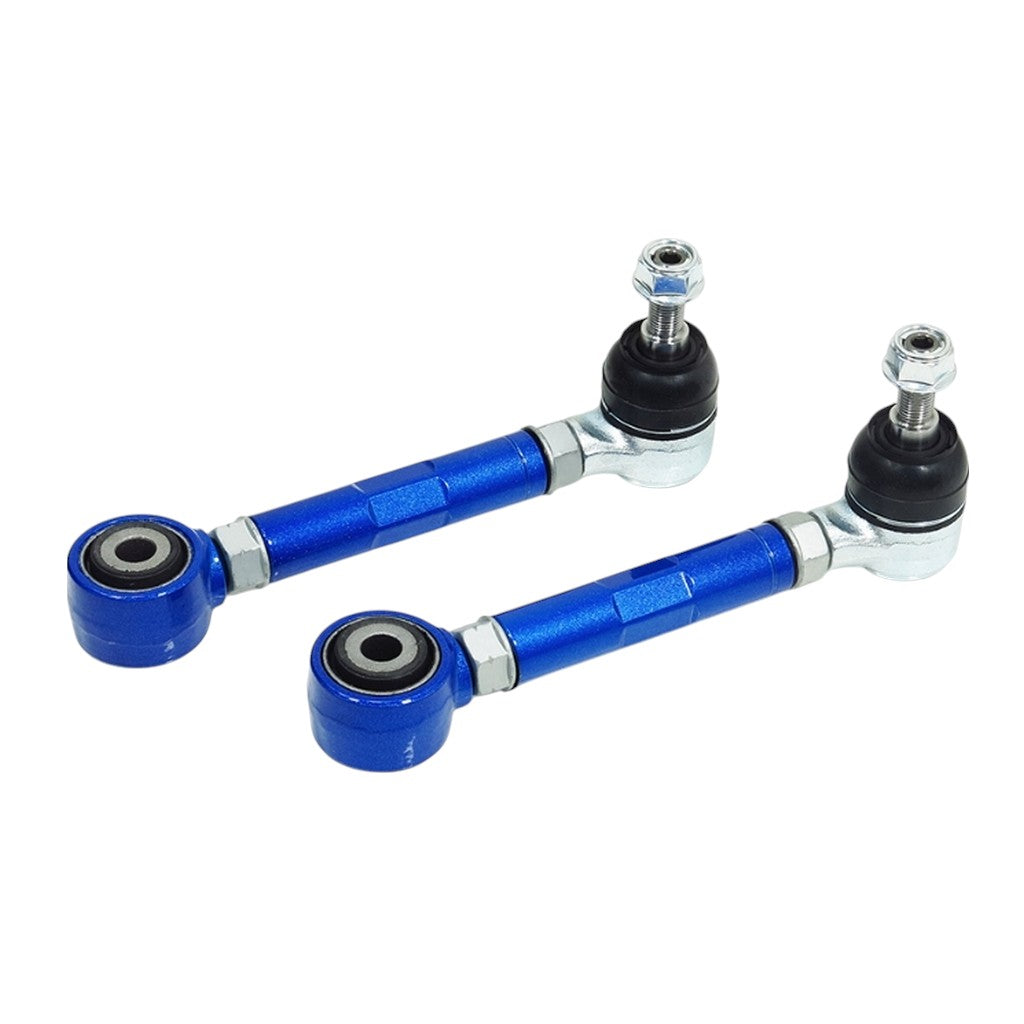
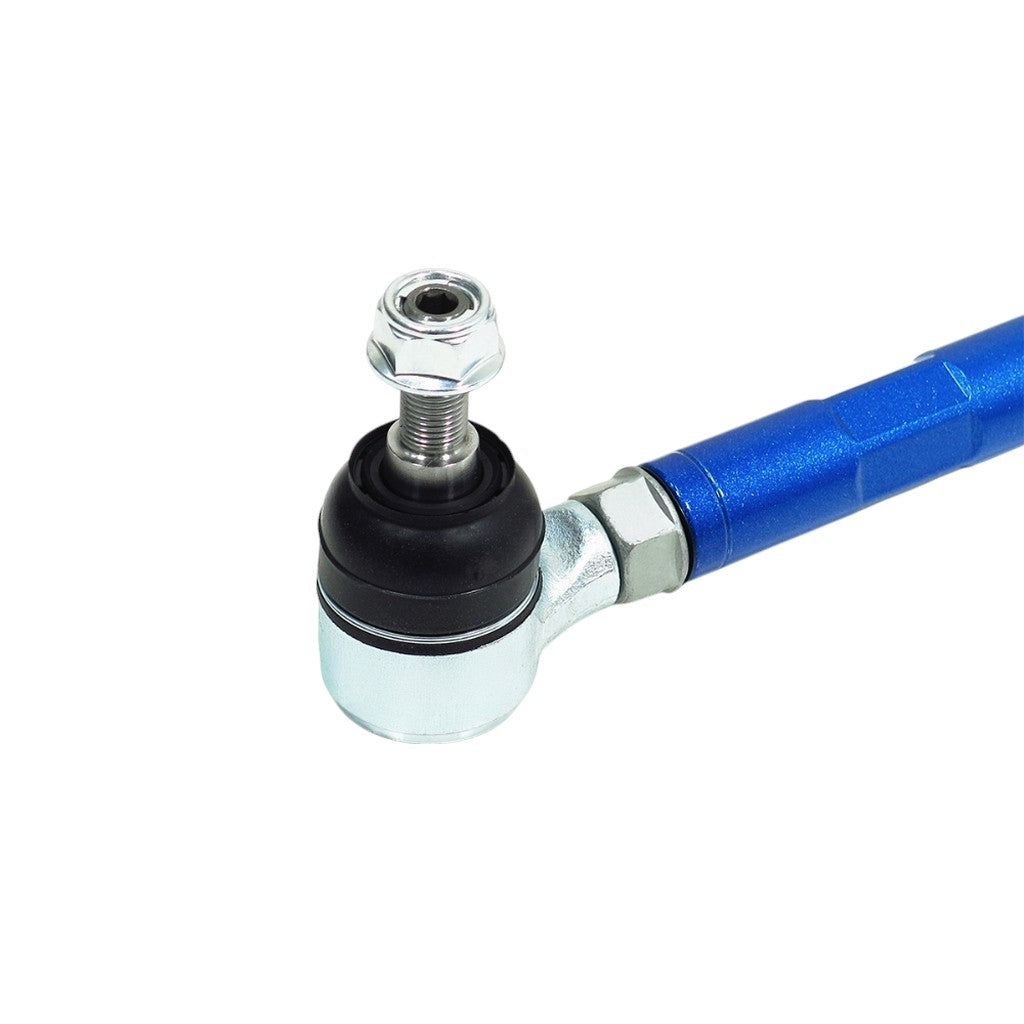
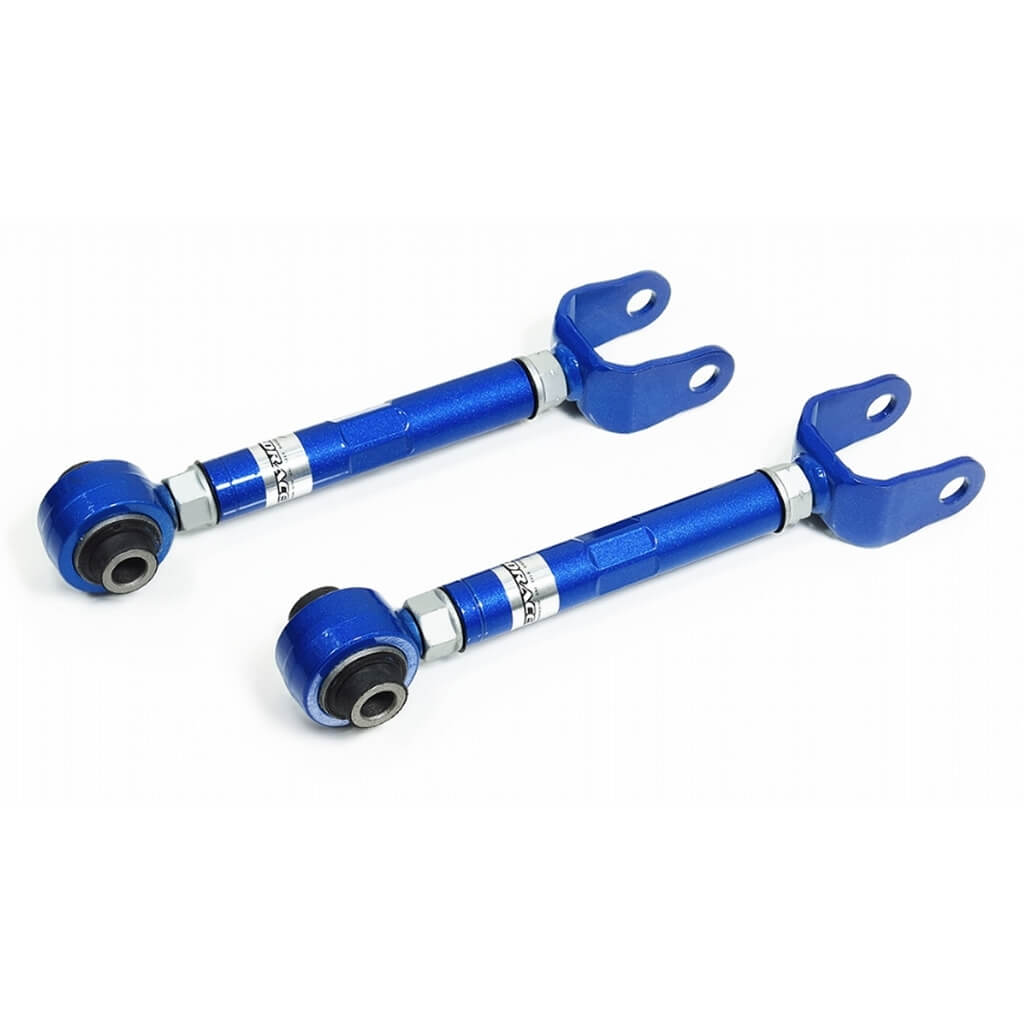
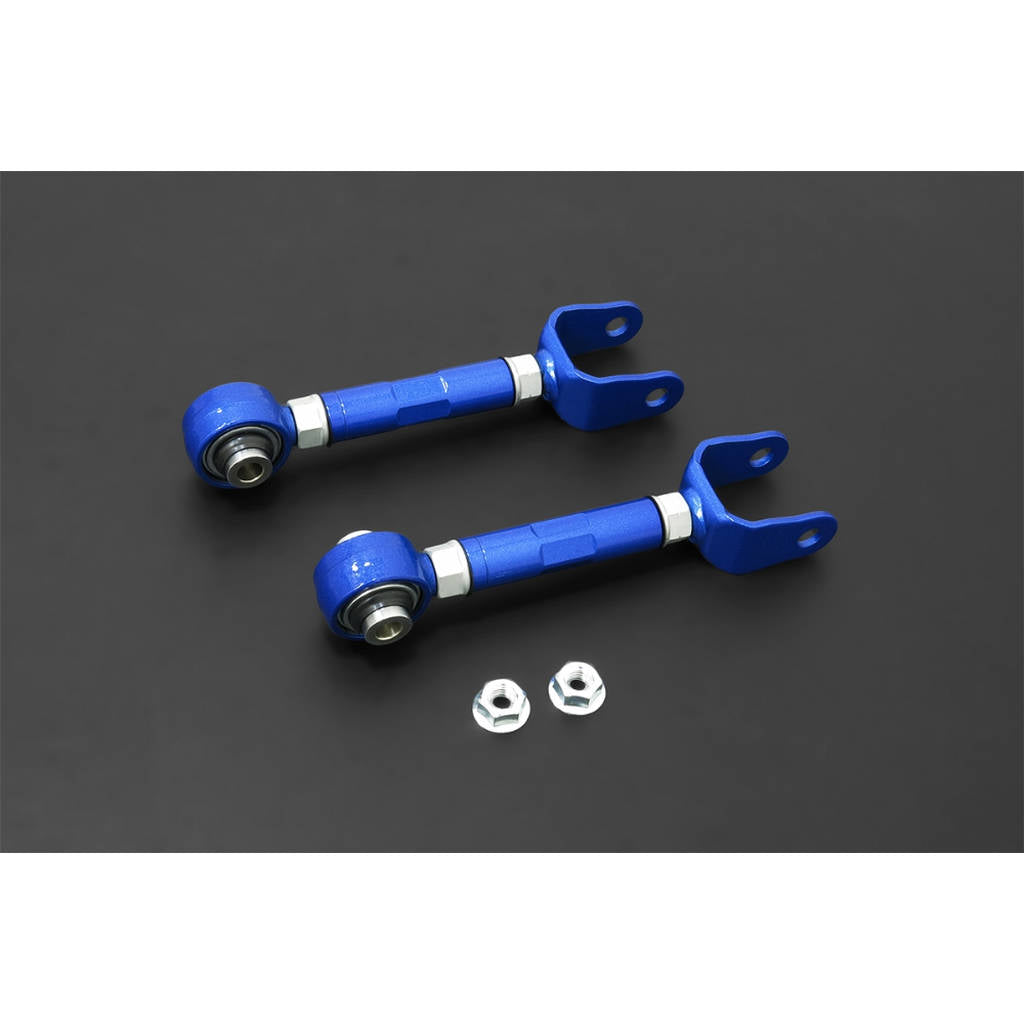
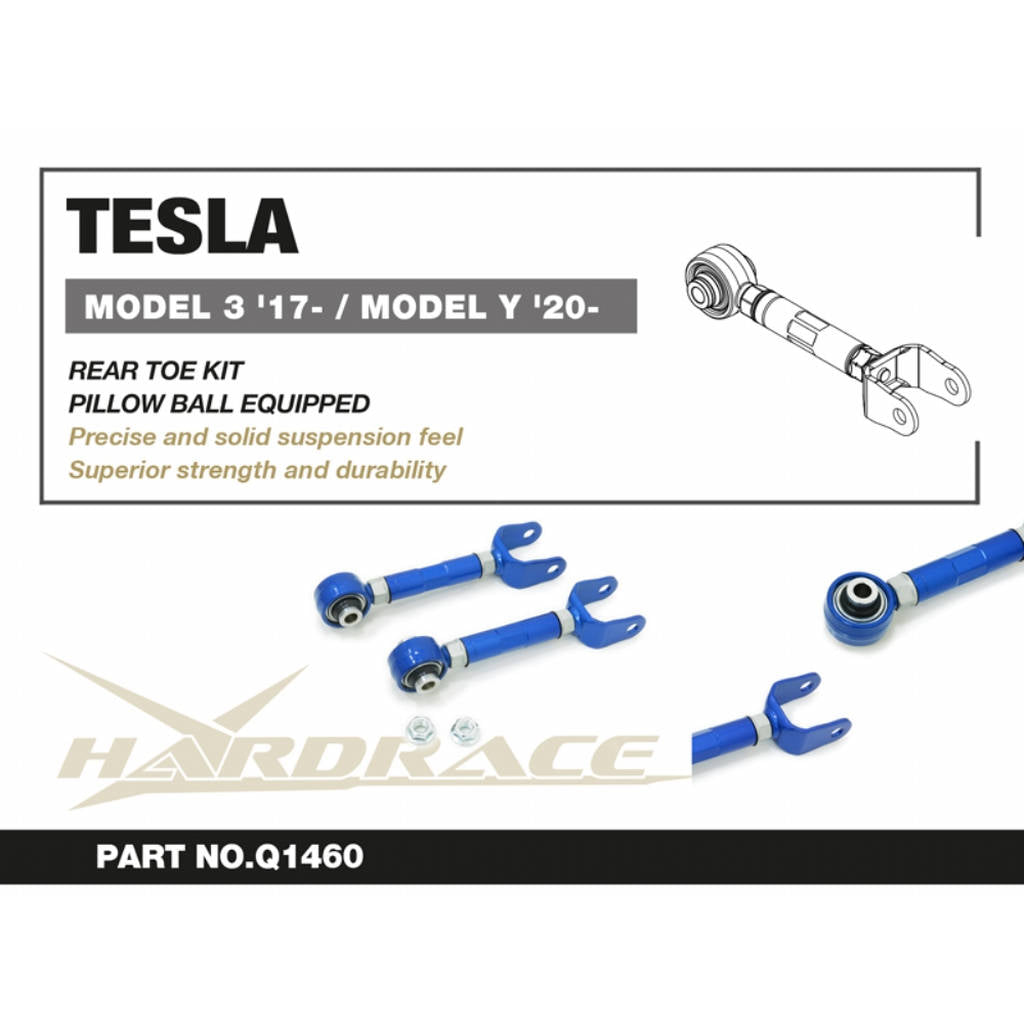
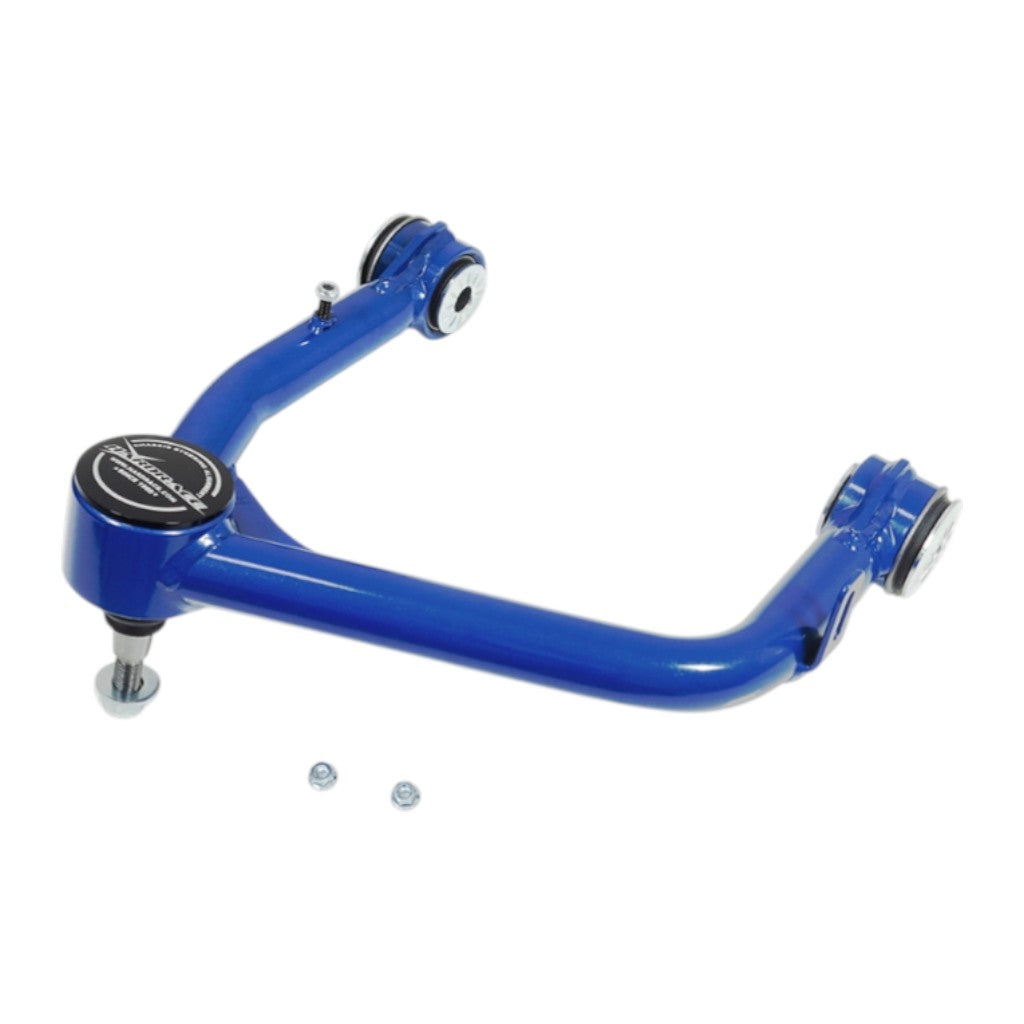
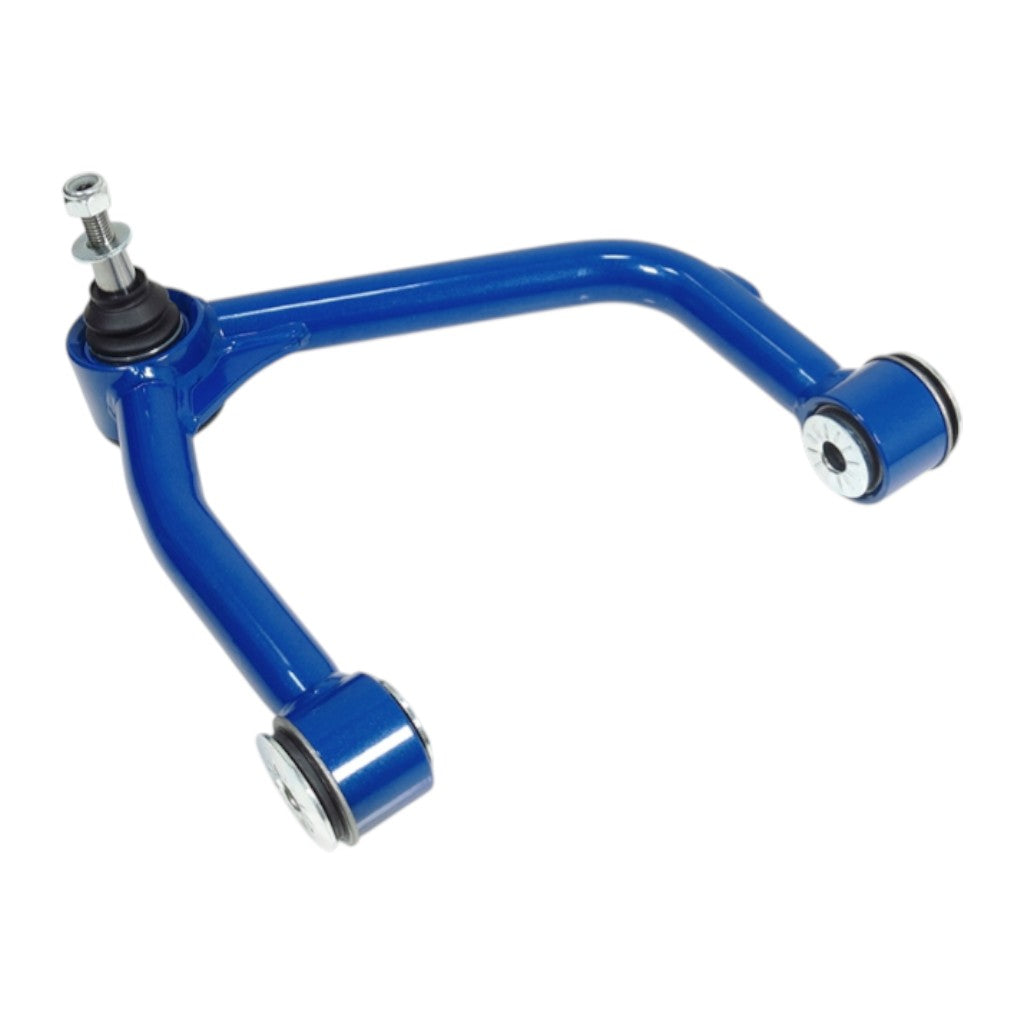
Control arms play a central role in defining suspension movement. These components connect the wheel hub assembly to the chassis and determine the path that the wheel follows as the suspension compresses and rebounds. In performance applications, stronger and more precisely engineered control arms help maintain consistent wheel alignment even when the suspension is subjected to high loads.
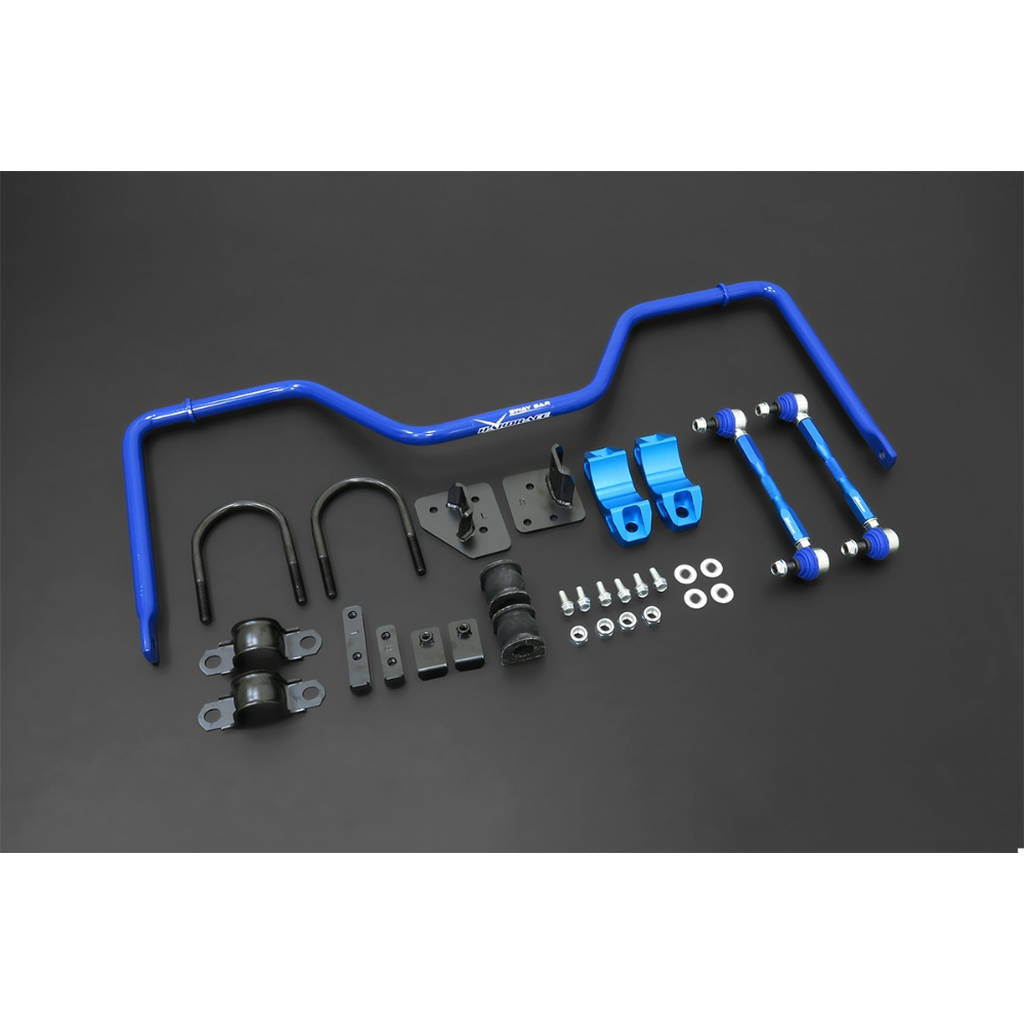
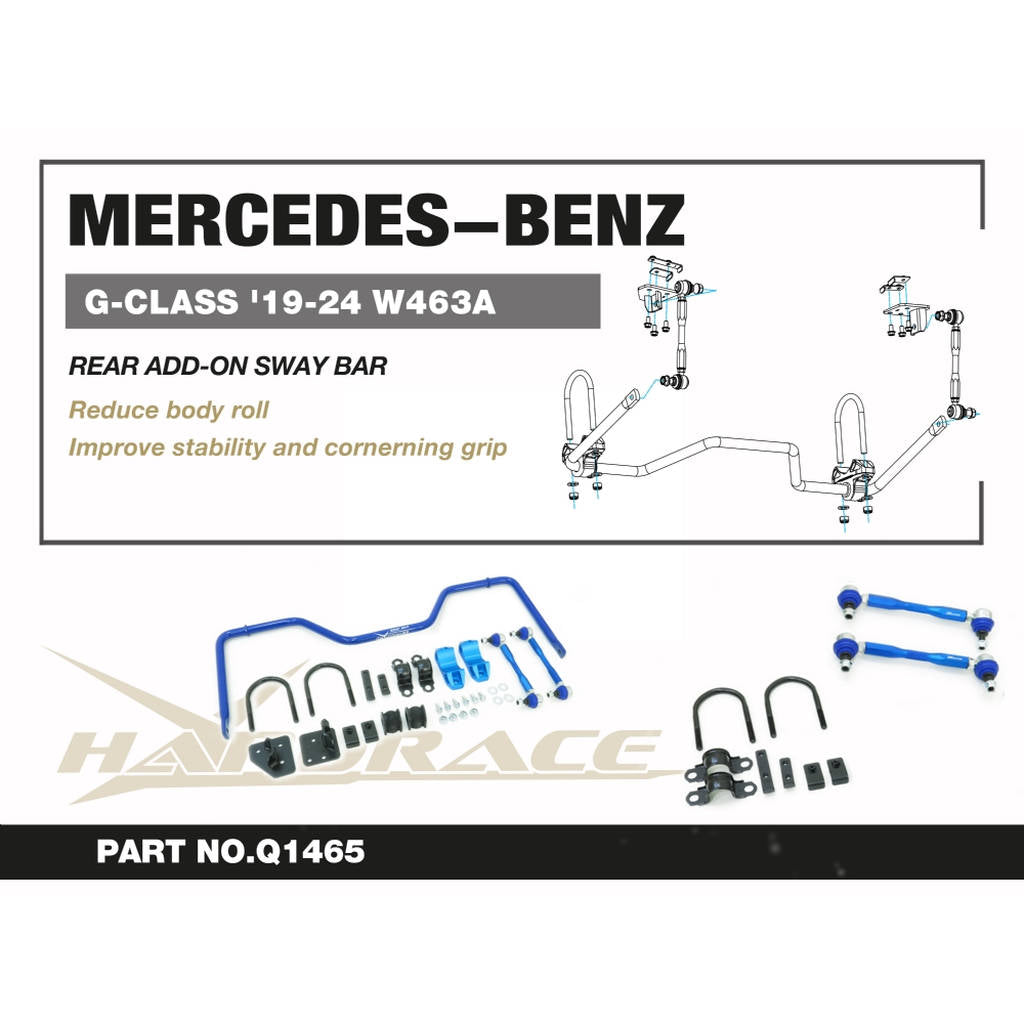
Sway bars, also known as stabilizer bars, contribute to body roll control during cornering. When a vehicle enters a turn, weight transfers toward the outside wheels. Without adequate roll control, the vehicle body may lean excessively, which can alter suspension geometry and reduce tire contact efficiency. Sway bars connect the suspension on opposite sides of the vehicle, helping distribute load and reduce excessive body roll.
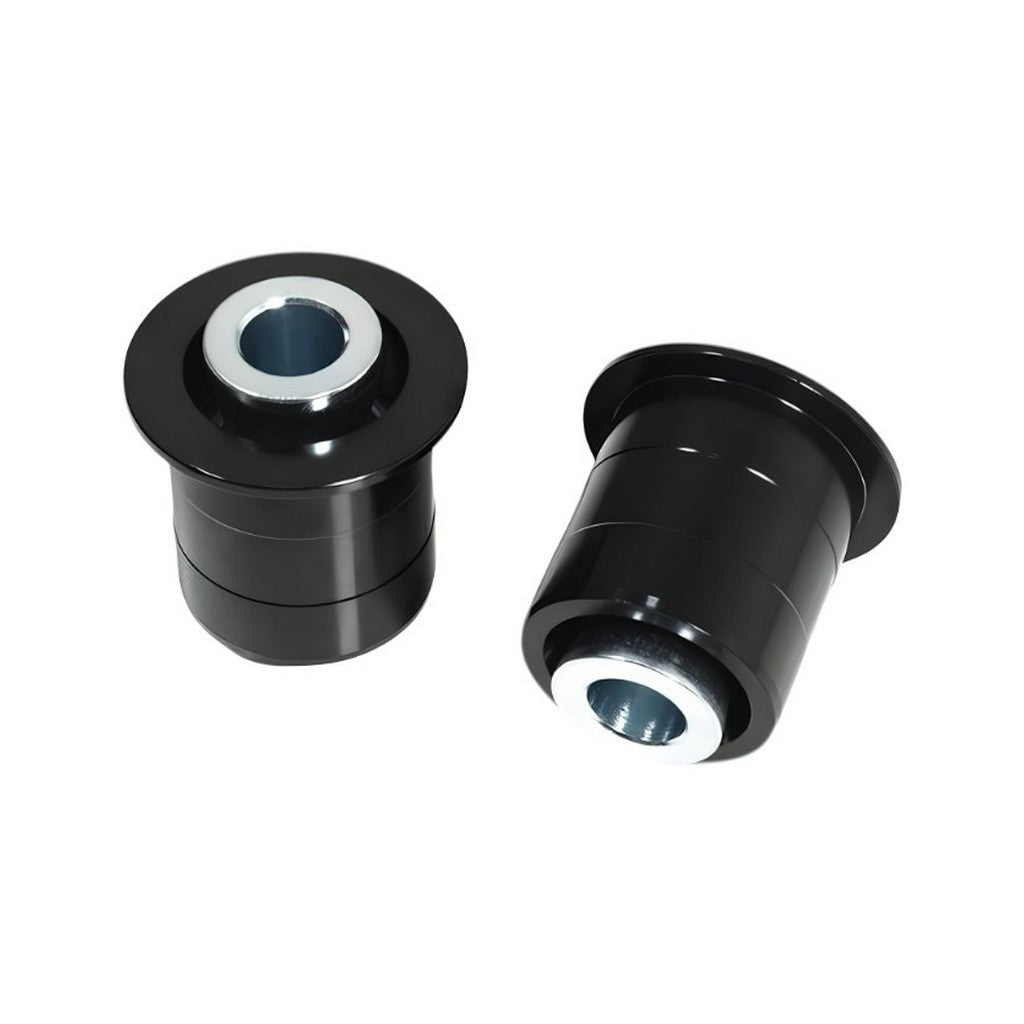
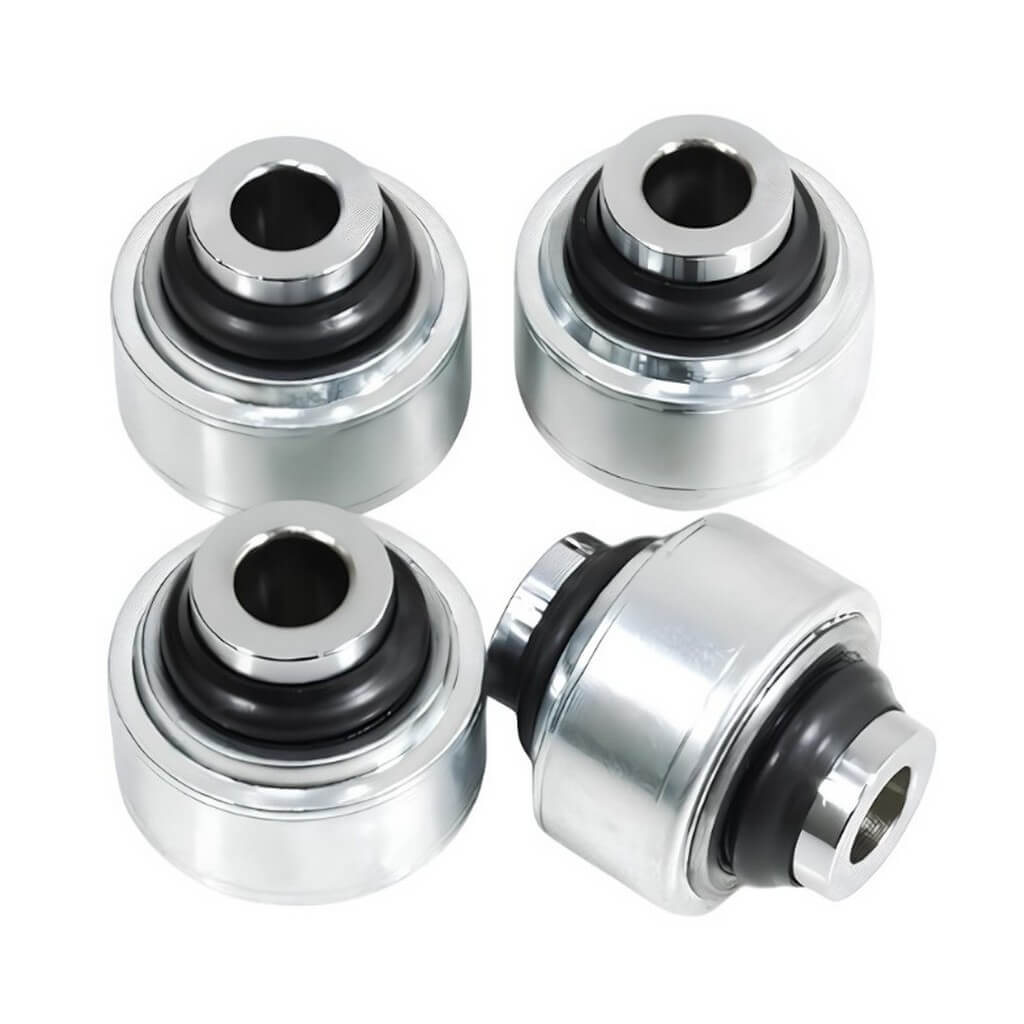
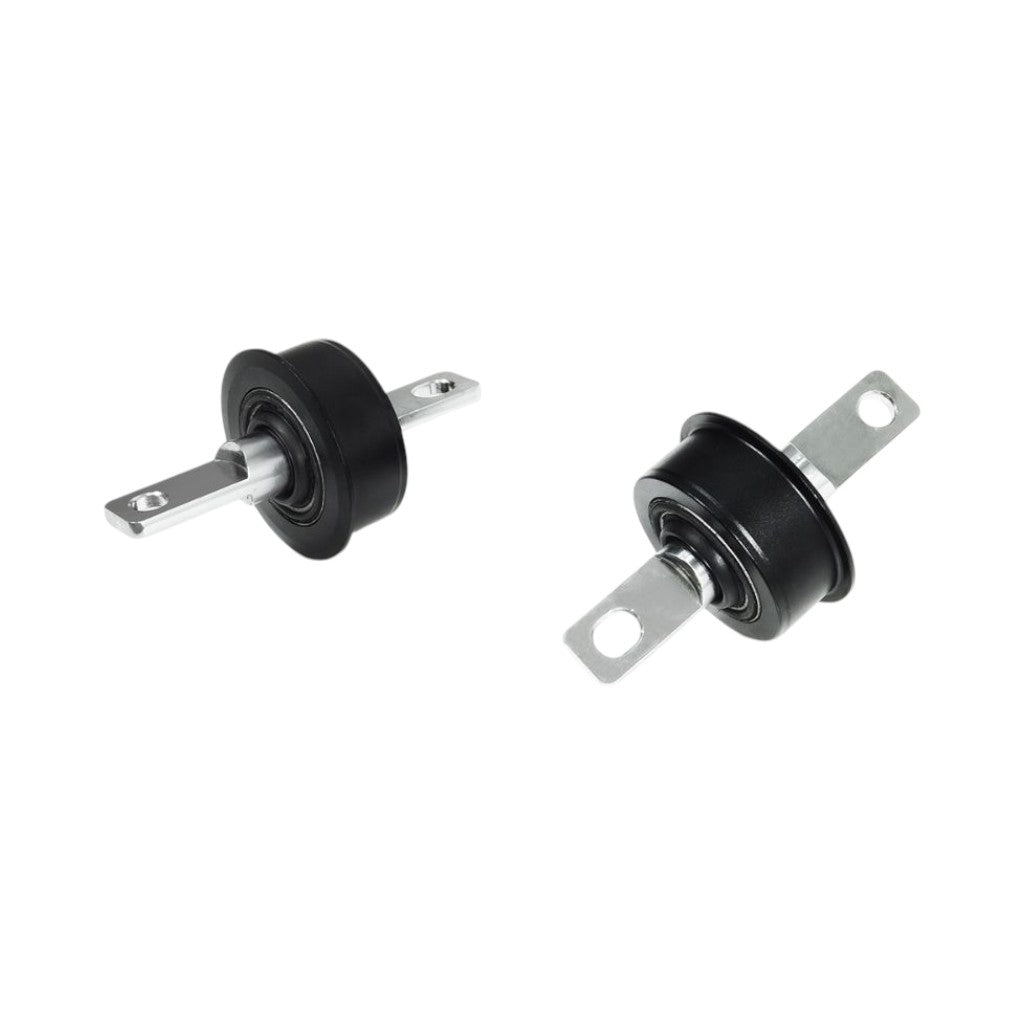
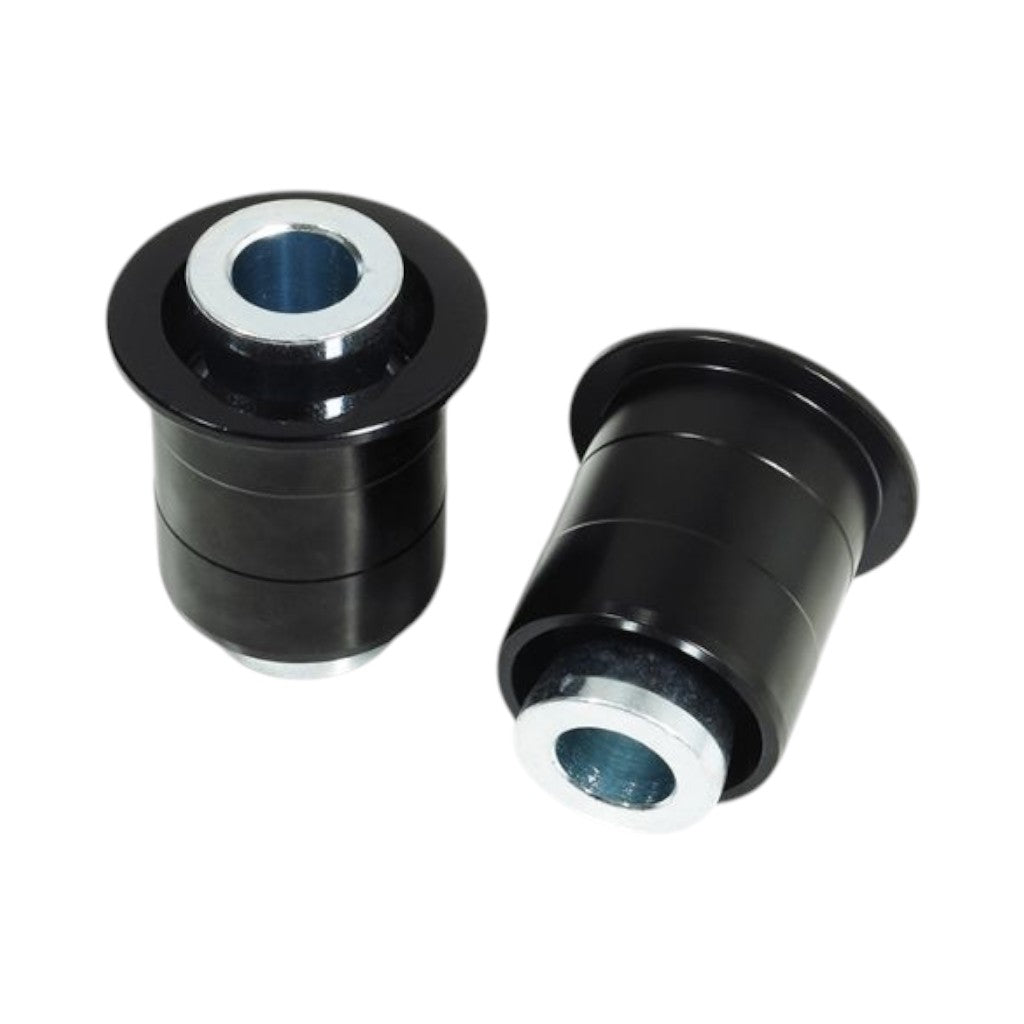
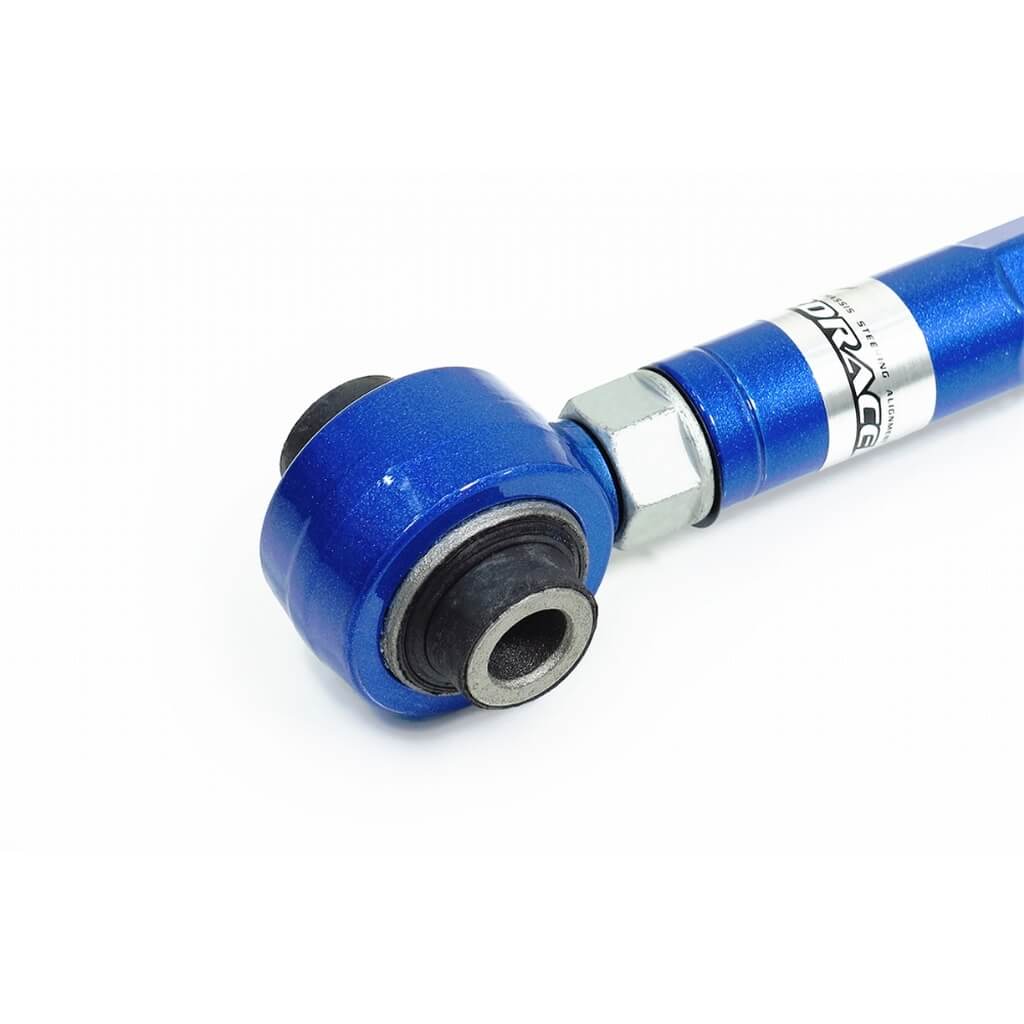
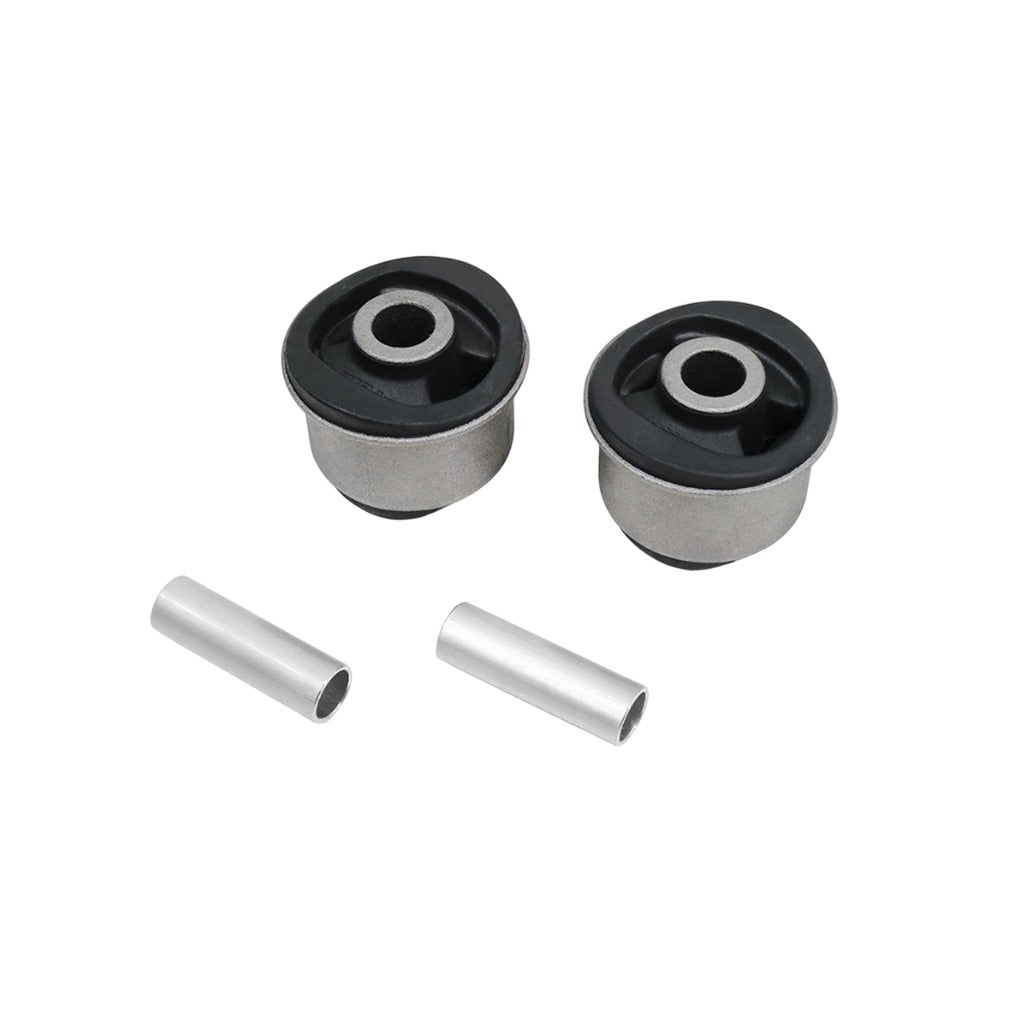
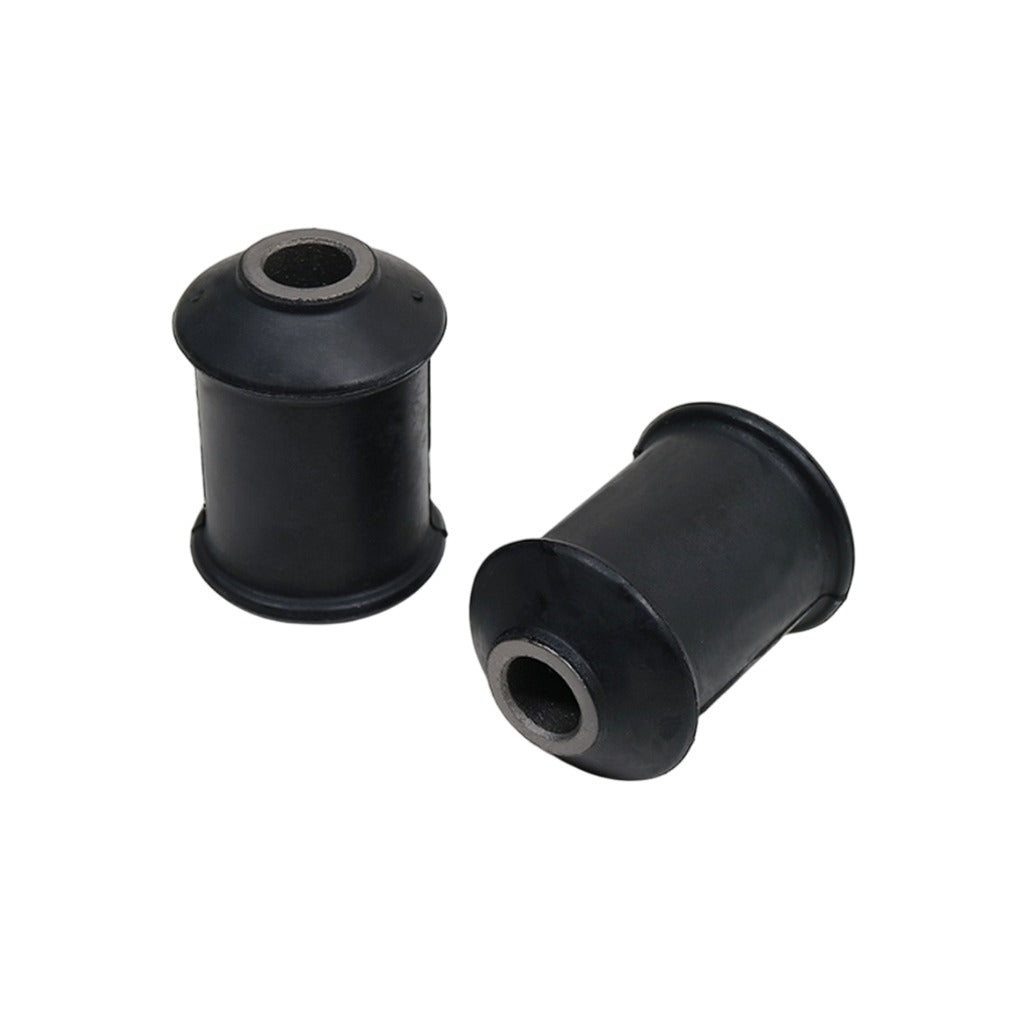
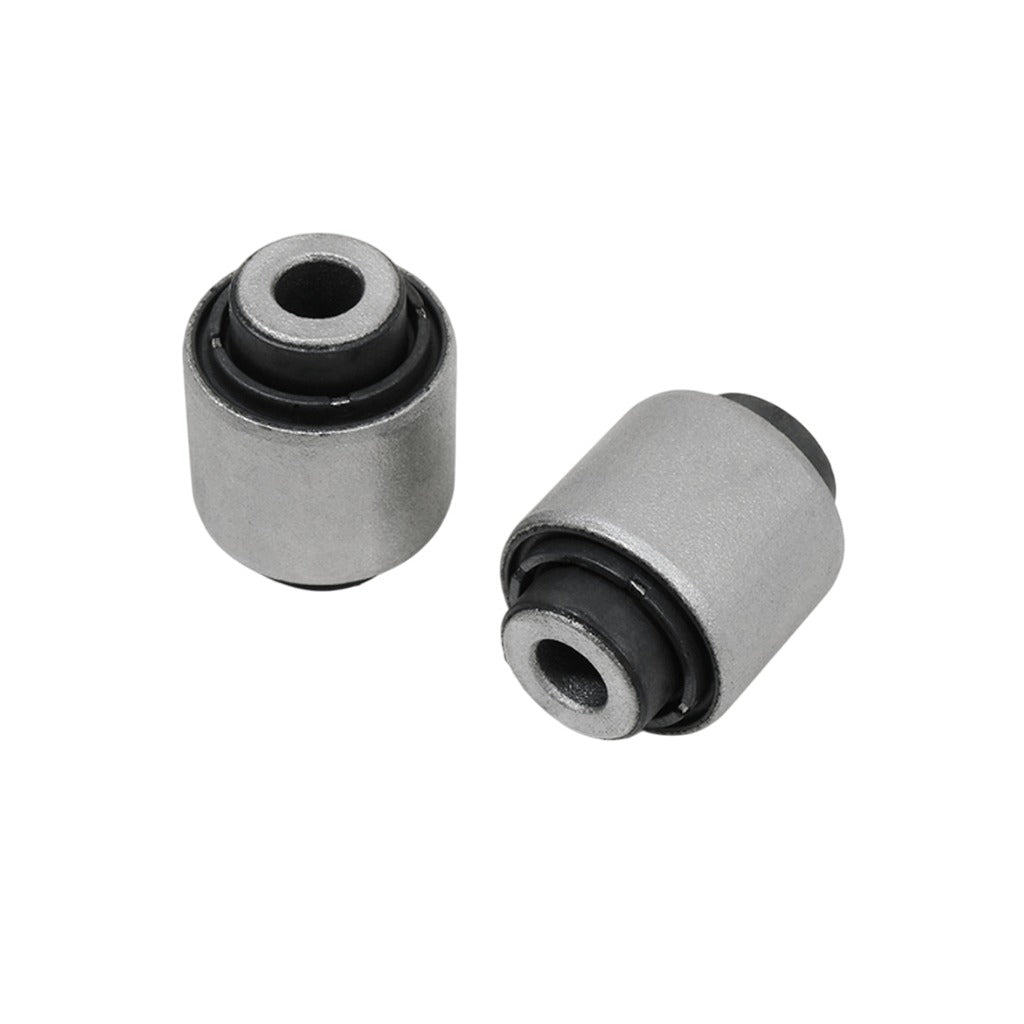
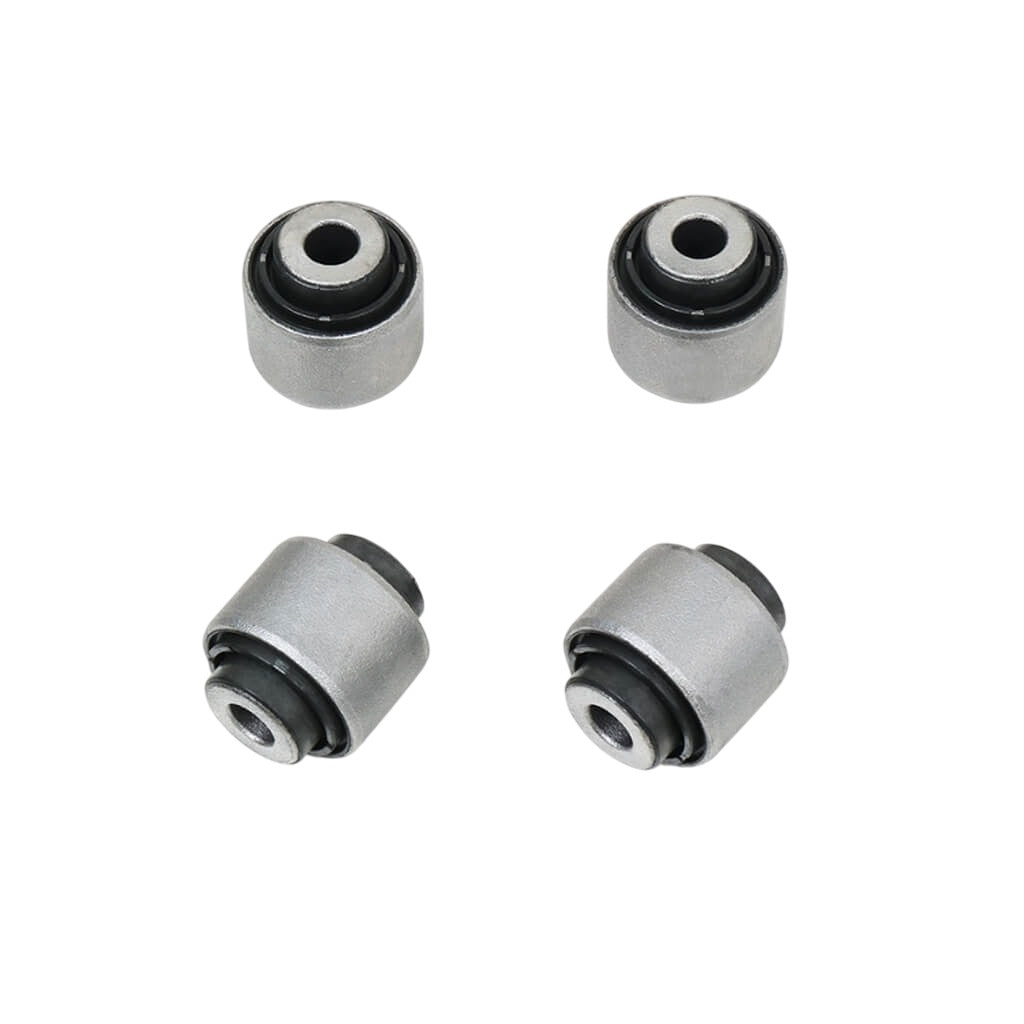
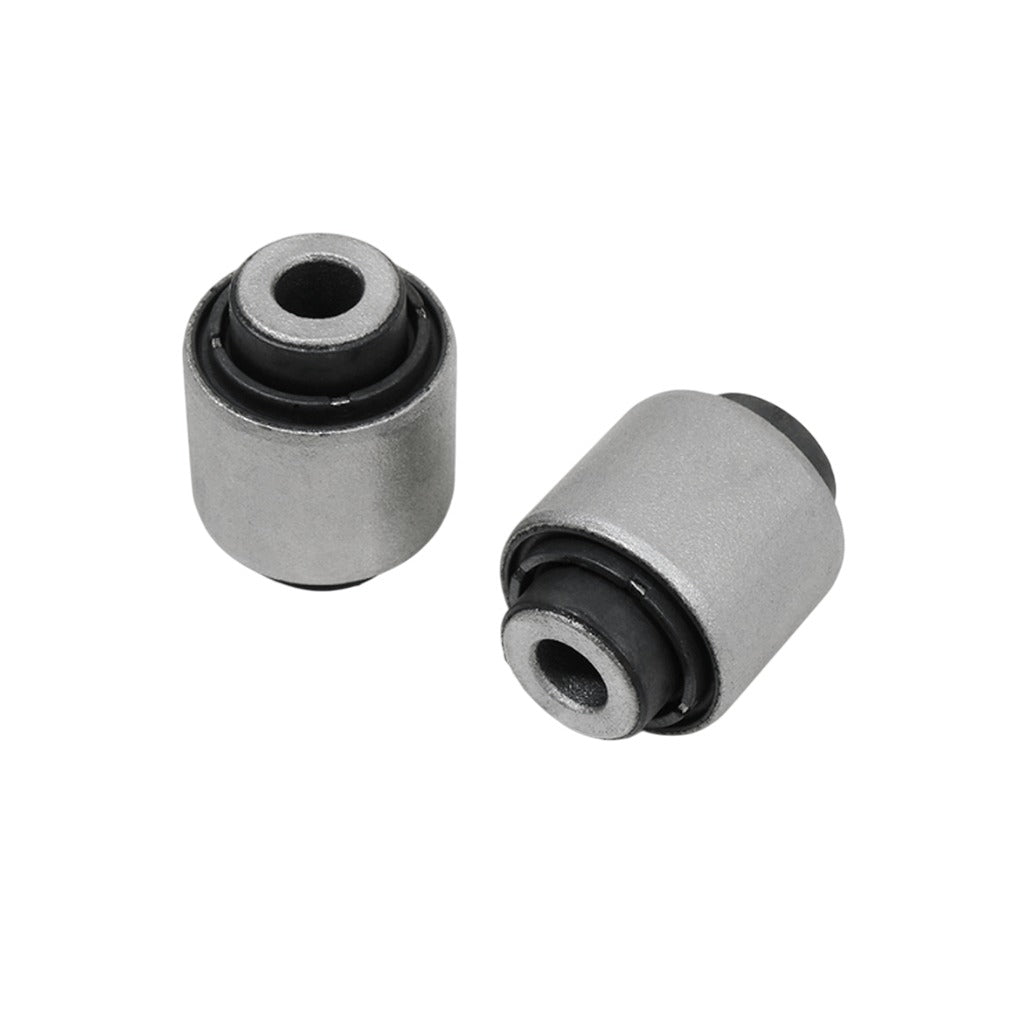
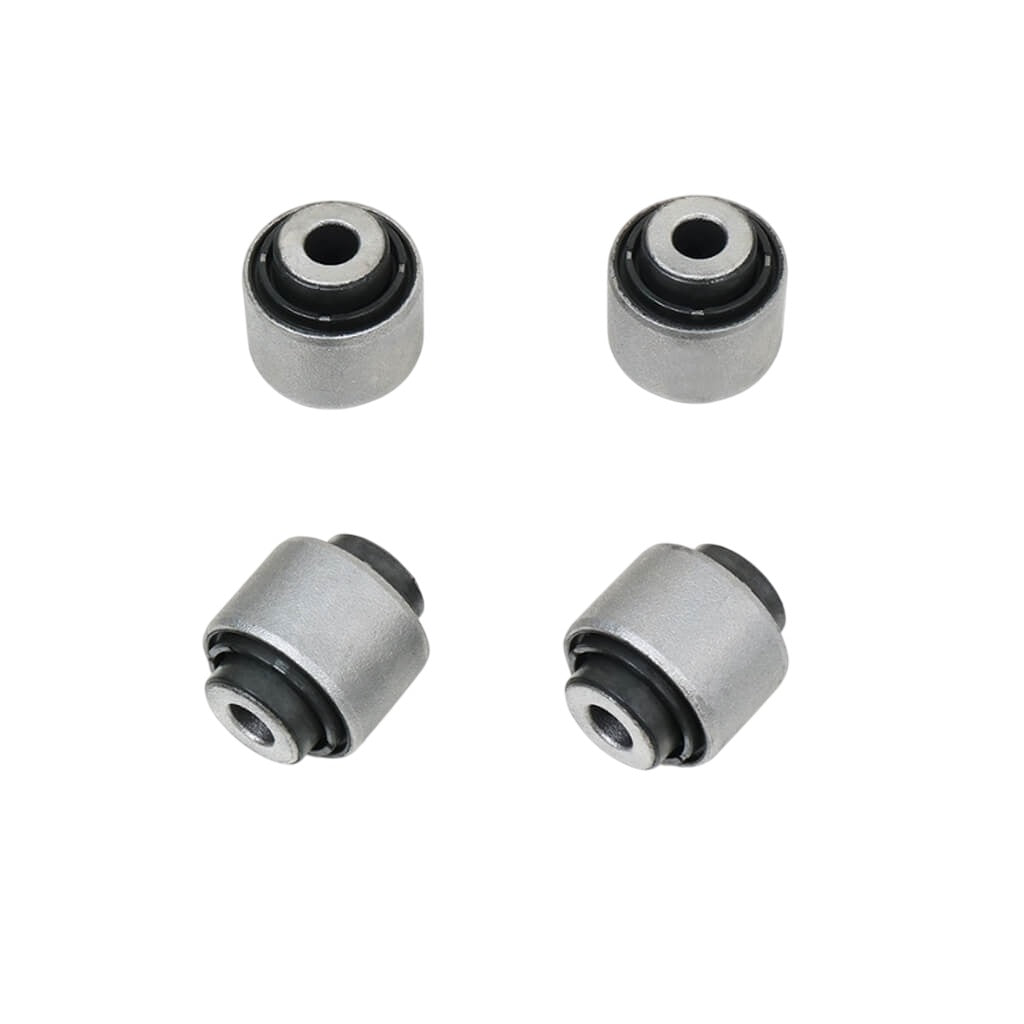
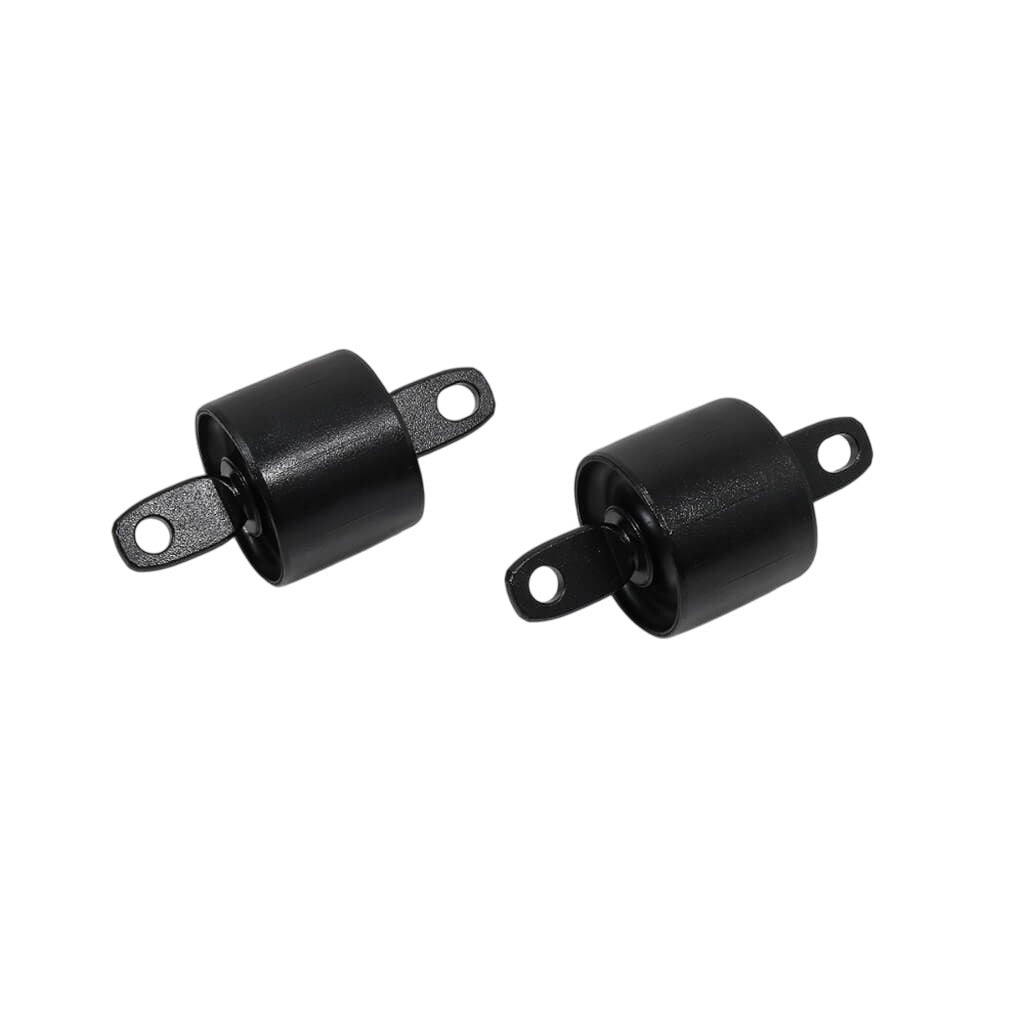
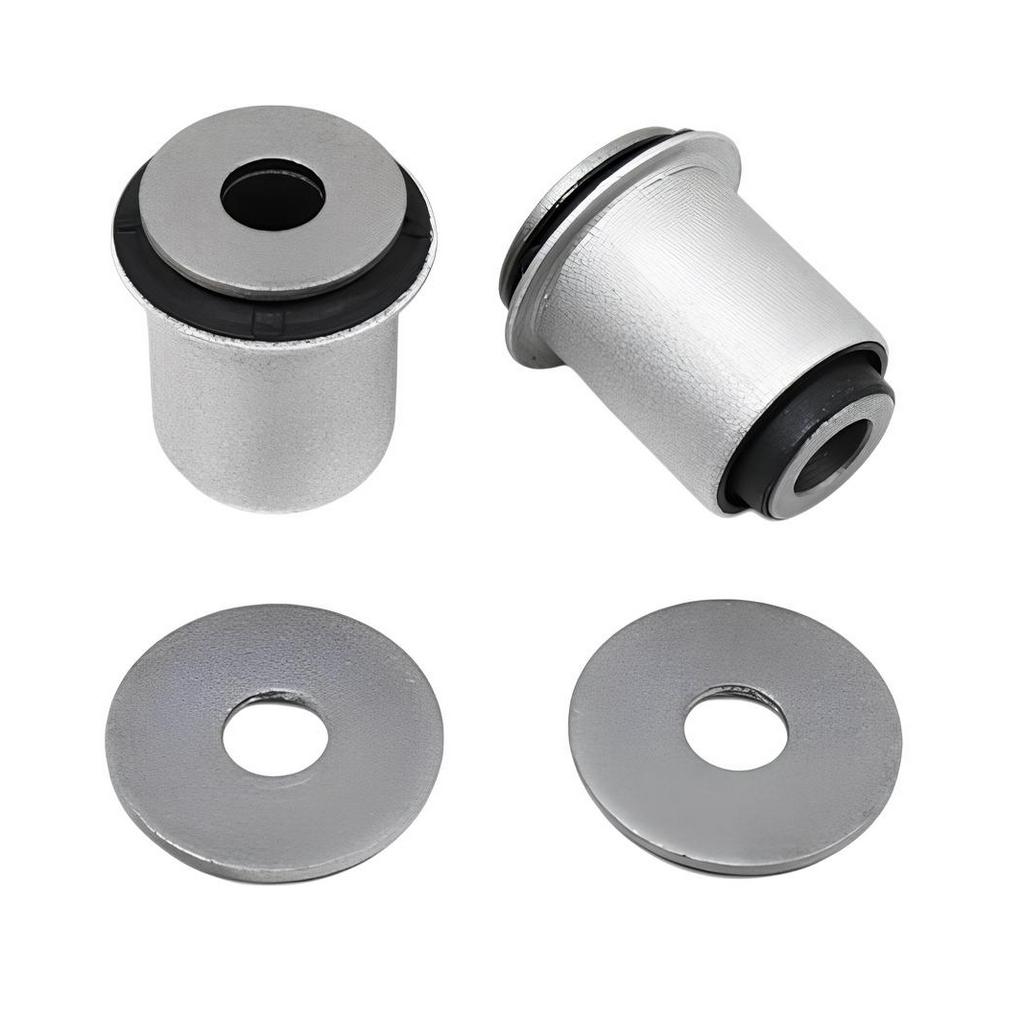
Suspension bushings also influence suspension behavior. These components act as flexible joints between suspension arms and the chassis. While some flexibility is necessary to absorb vibration and road irregularities, excessive bushing deformation can lead to changes in suspension alignment under load. Performance bushings are often engineered to maintain stable alignment while still providing controlled vibration isolation.
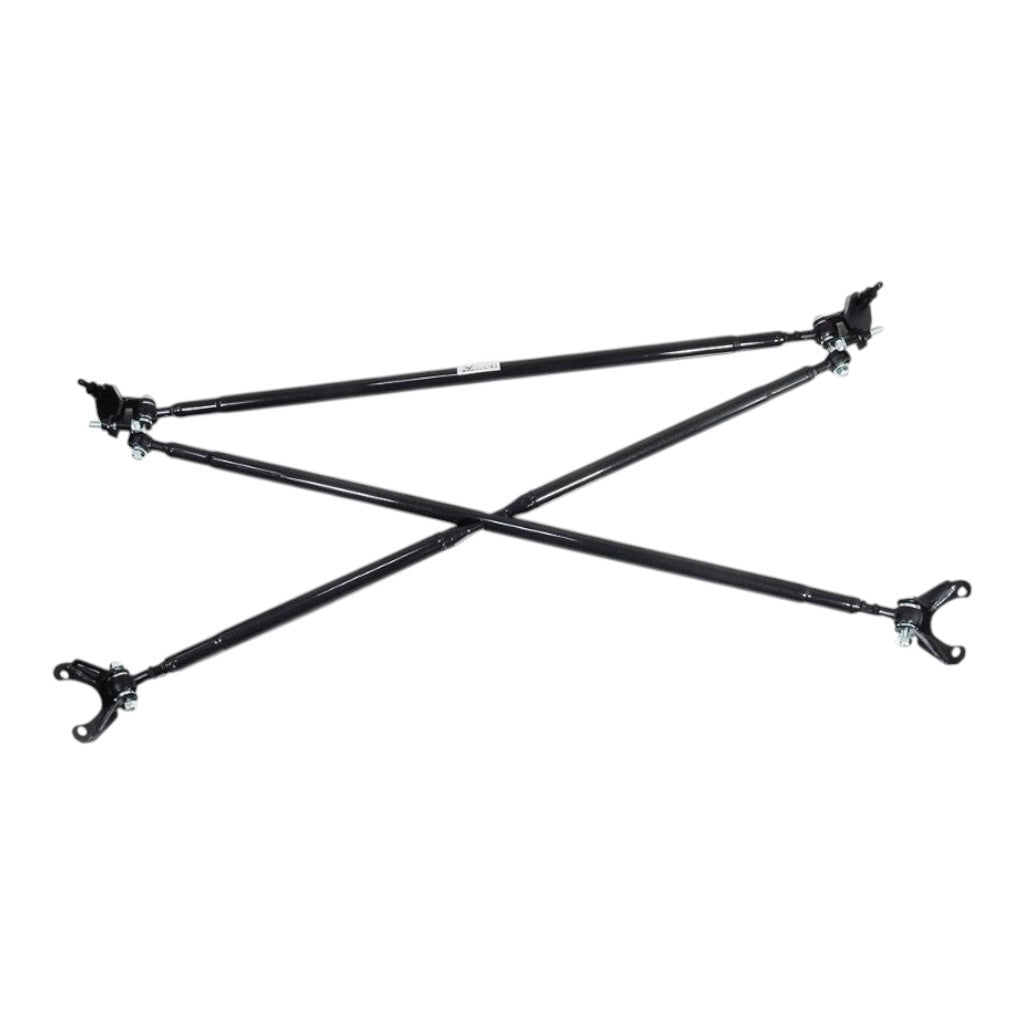
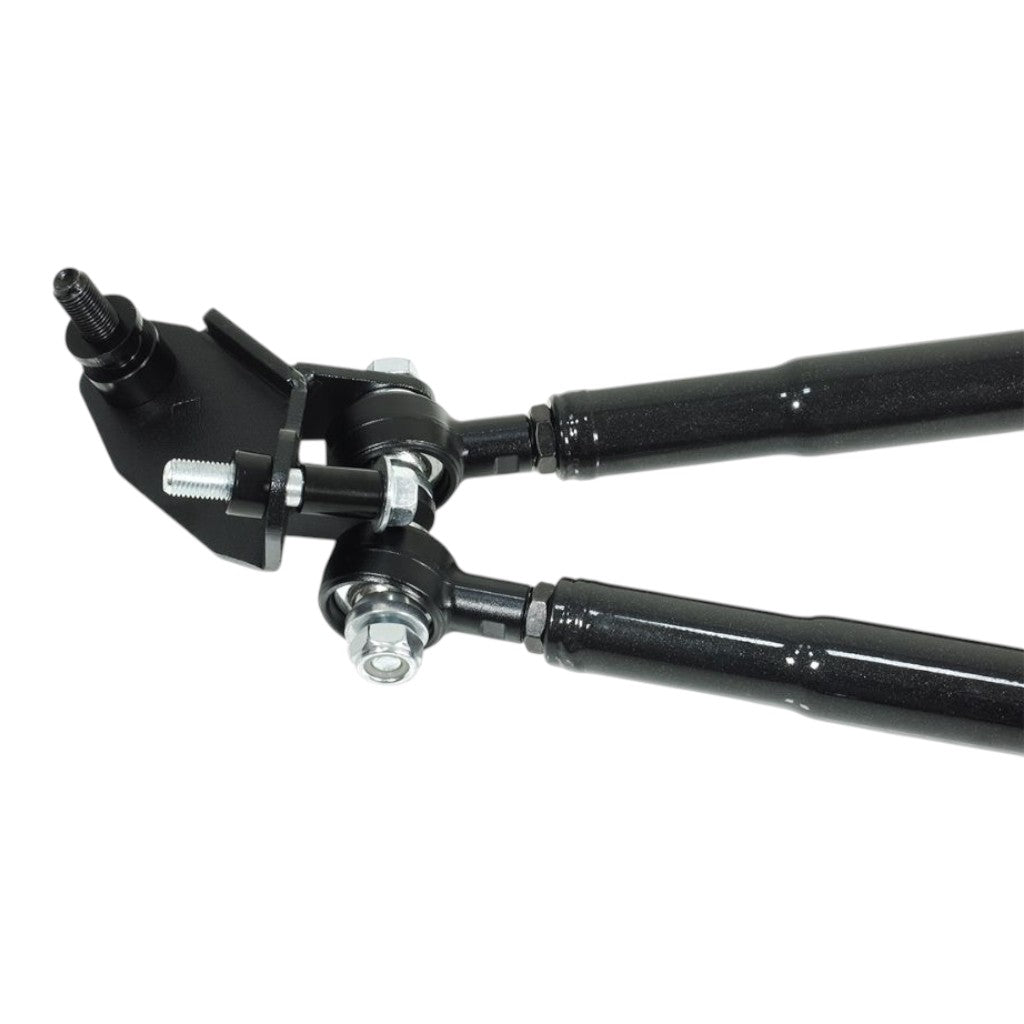
Chassis reinforcement components such as strut braces contribute to overall vehicle rigidity. By connecting key structural points in the chassis, these components help prevent unwanted flex during cornering and braking. Increased structural rigidity allows the suspension system to function more predictably, preserving the intended suspension geometry.
These engineering principles become particularly important during high-speed cornering and aggressive driving conditions. When suspension components and chassis structures maintain stability under load, the vehicle can deliver more consistent handling characteristics and improved driver control.
Hardrace Suspension and Chassis Components Available in This Section
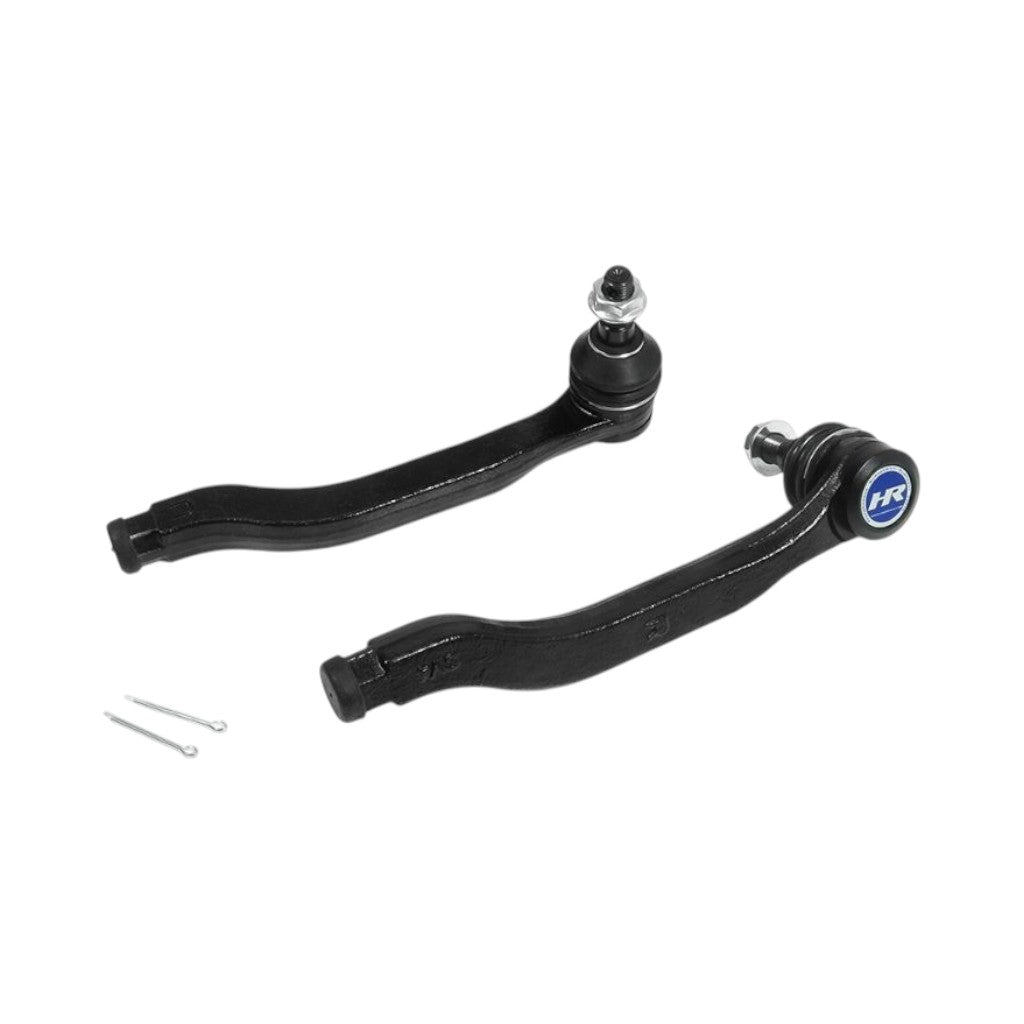
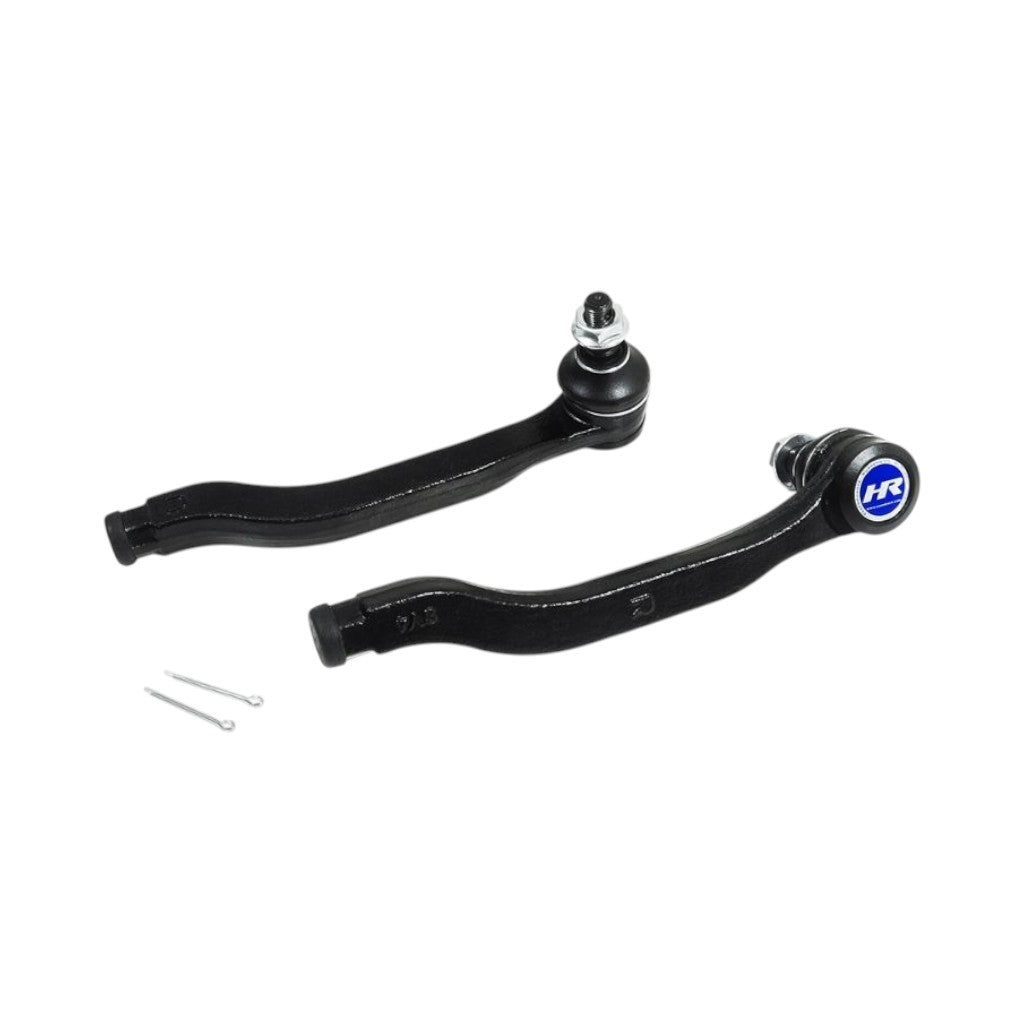
The Hardrace collection available in this section includes a range of suspension and chassis components used in performance vehicle setups. These parts are designed to support stable suspension geometry and structural rigidity in vehicles that experience increased dynamic loads.
Performance suspension components often work together as part of a complete chassis system. Control arms guide wheel movement, sway bars manage body roll, bushings maintain alignment stability, and chassis reinforcement parts improve the structural integrity of the vehicle. Together, these components help maintain predictable suspension behavior during dynamic driving.
- control arms designed for precise suspension geometry control
- sway bars engineered to reduce body roll during cornering
- suspension bushings used to maintain stable suspension alignment
- chassis reinforcement components designed to improve structural rigidity
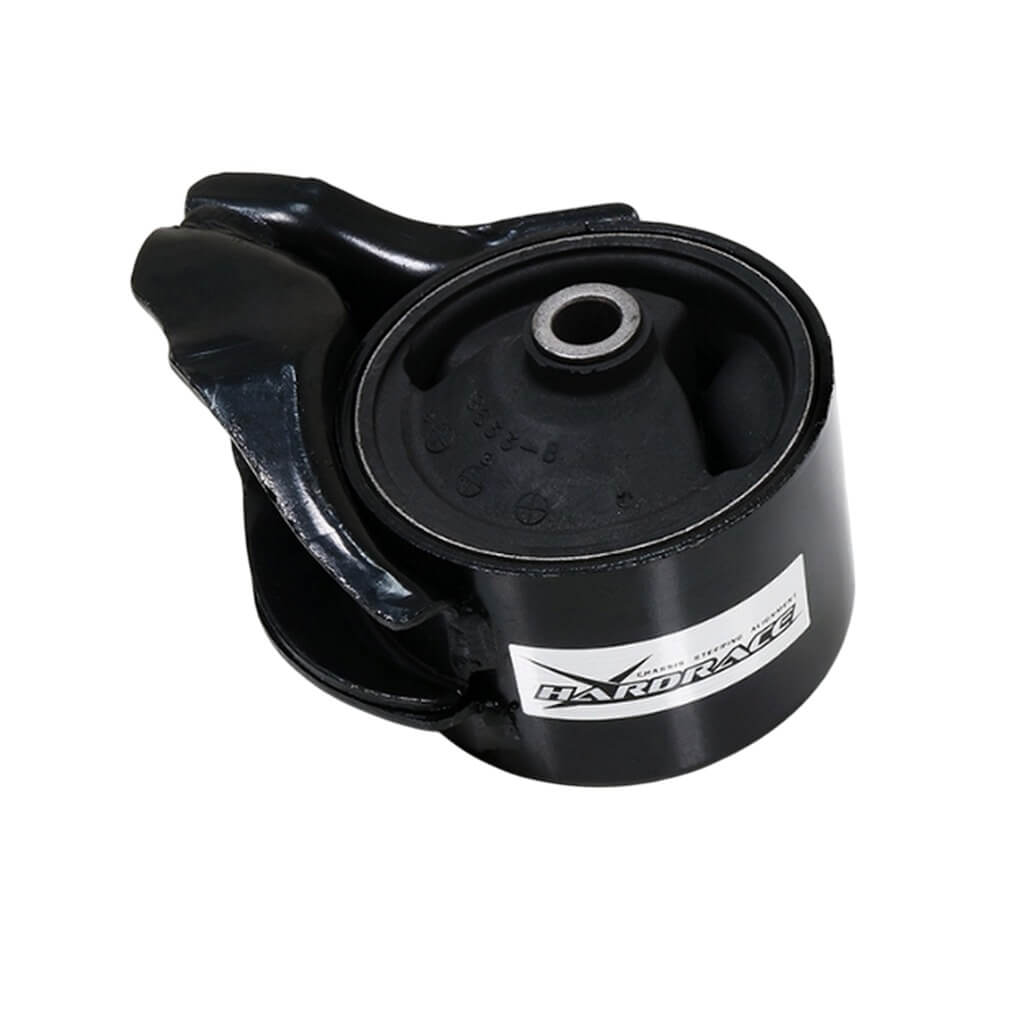
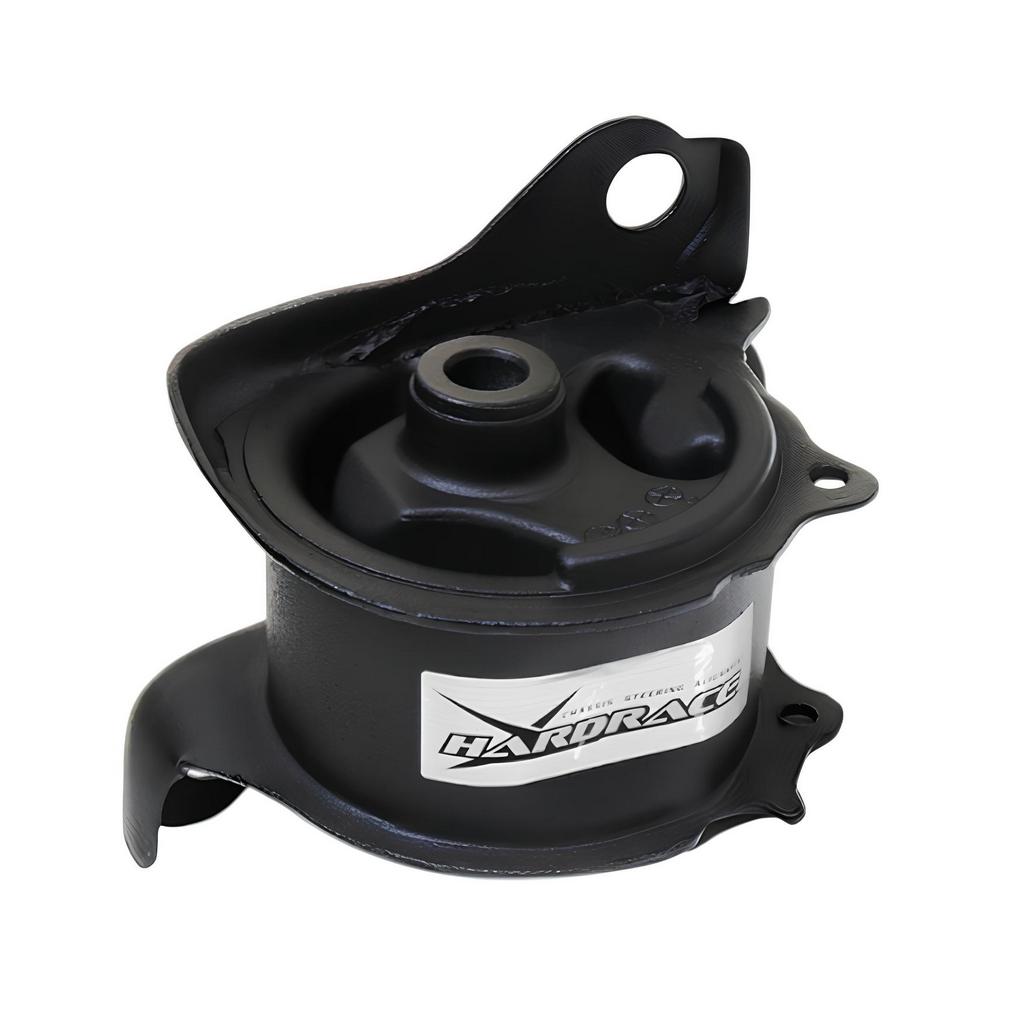
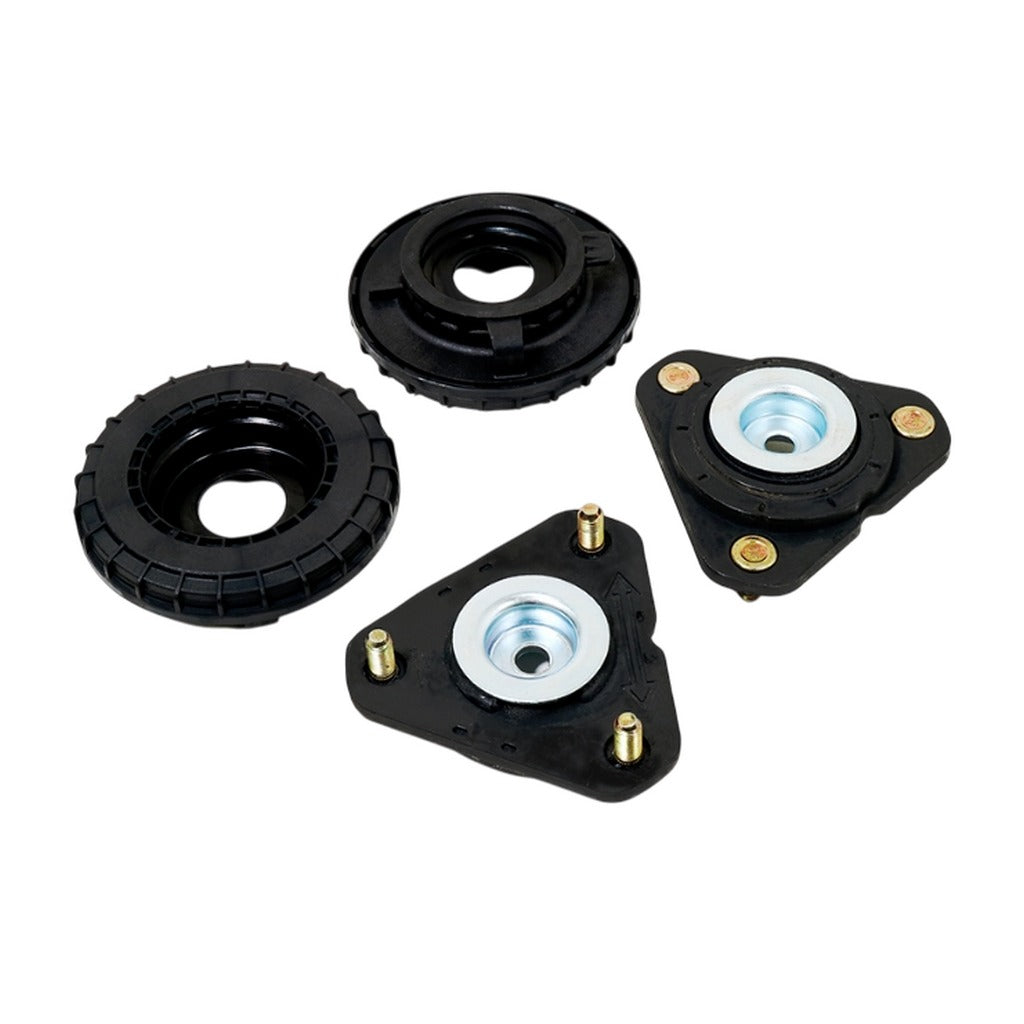
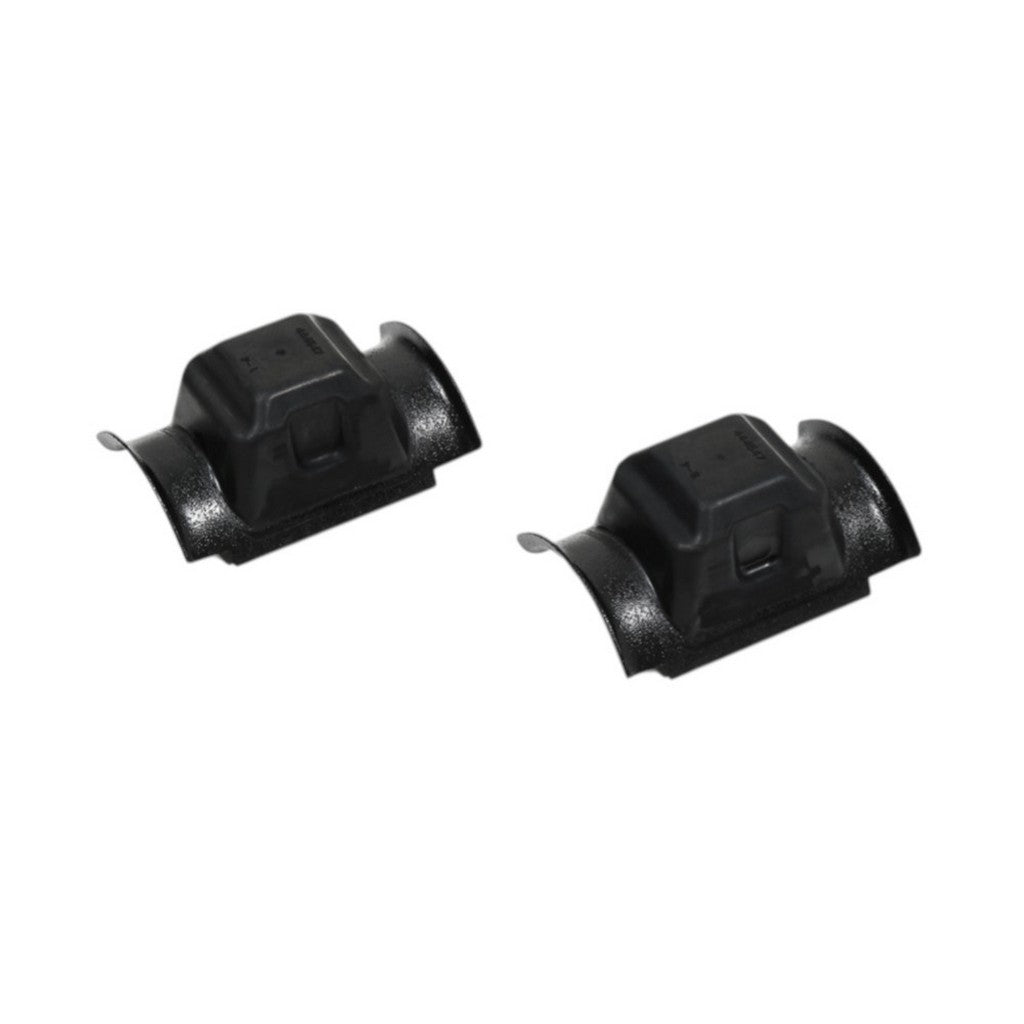
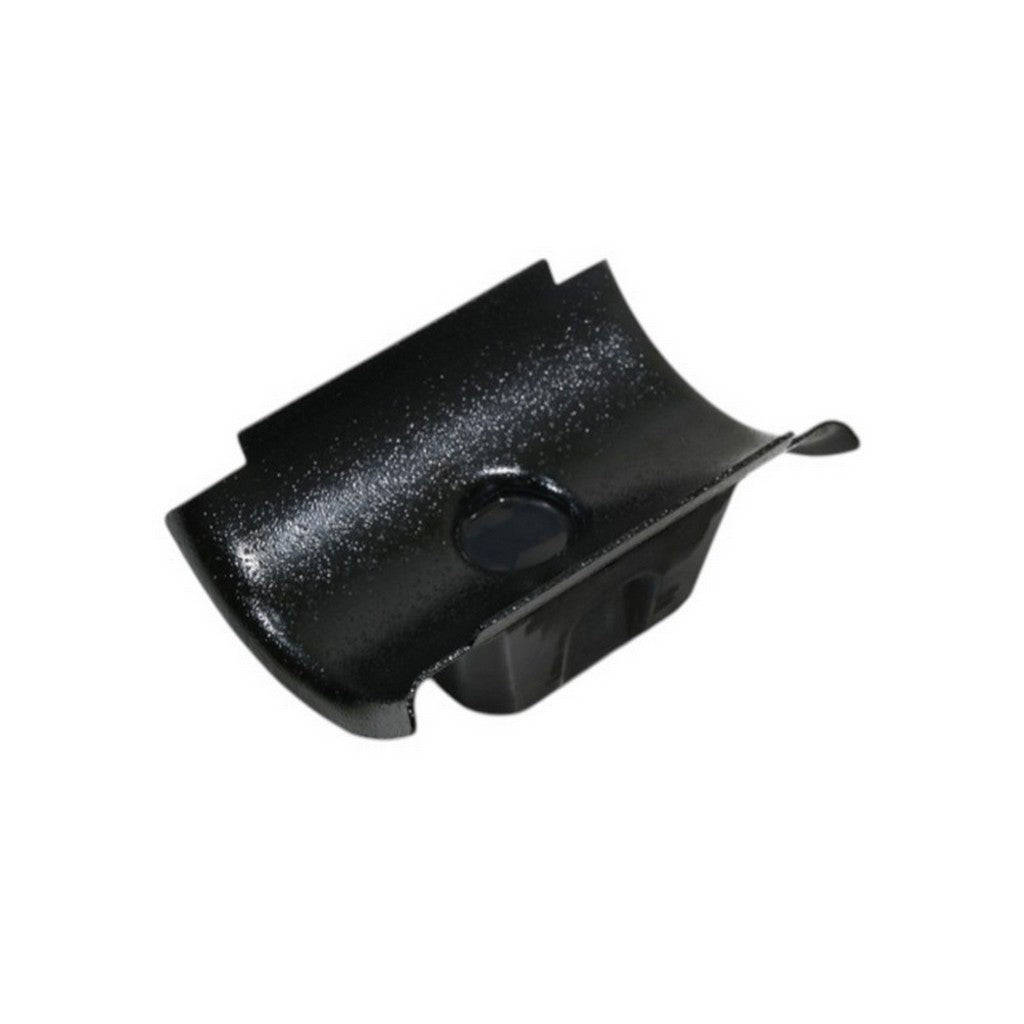
Engine mounts and drivetrain mounts may also be included in performance chassis setups. These components help stabilize the drivetrain within the vehicle structure, reducing unwanted movement that could affect vehicle balance or drivetrain alignment.
Applications of Hardrace Components in Performance Vehicle Builds
Performance suspension and chassis components are commonly used in vehicles that require improved handling precision and structural stability. Modified street performance vehicles often incorporate upgraded suspension hardware to improve steering response and vehicle balance during spirited driving.
Track-prepared sports cars frequently rely on reinforced suspension components to maintain consistent alignment during high cornering loads. As vehicles generate greater lateral forces during aggressive driving, suspension components must resist deformation in order to preserve tire contact with the road surface.
Motorsport vehicles also require highly stable suspension systems to maintain predictable behavior during rapid changes in direction and repeated braking events. Suspension components designed for performance environments help ensure that steering inputs translate accurately into vehicle movement.
Upgraded suspension components can improve several aspects of vehicle dynamics, including steering response, cornering stability, and load distribution across the tires. When suspension geometry remains consistent under load, drivers can maintain greater confidence and control during dynamic driving situations.
Performance vehicles operating in hot climates may place additional stress on suspension bushings and chassis components due to elevated temperatures and increased mechanical loads. Under these conditions, durable materials and stable suspension geometry help maintain predictable handling characteristics.
Selecting Suspension Components for Performance Vehicles
Choosing suspension components for performance vehicles involves evaluating the vehicle’s intended use and the configuration of the existing suspension system. One of the primary considerations is suspension geometry. Components such as control arms must be compatible with the vehicle’s suspension layout and capable of maintaining accurate alignment angles during dynamic driving.
Compatibility with existing suspension hardware is another key factor. Performance suspension components should integrate correctly with the vehicle’s shock absorbers, springs, and chassis mounting points. Ensuring proper compatibility helps maintain consistent suspension behavior and prevents unwanted mechanical stress on surrounding components.
Bushing stiffness is also an important consideration when selecting suspension components. Softer bushings provide improved vibration isolation and ride comfort, while stiffer bushings can maintain more precise alignment under load. Performance-oriented vehicles often use bushings designed to balance alignment stability with controlled flexibility.
Chassis reinforcement components may be selected to improve the overall structural stability of the vehicle. When suspension mounting points are connected through reinforcement braces, the chassis can resist torsional flex more effectively. This allows the suspension system to operate as designed without interference from chassis movement.
Balancing suspension stiffness, chassis rigidity, and ride stability is essential for achieving predictable vehicle handling. A well-designed suspension setup allows the vehicle to respond accurately to driver input while maintaining stability during dynamic driving conditions.
Hardrace Suspension and Chassis Components Available at ATOMIC-SHOP
ATOMIC-SHOP offers a range of Hardrace suspension and chassis components designed for performance vehicle setups. The available selection includes control arms, sway bars, suspension bushings, strut braces, engine mounts, and various chassis reinforcement components used in performance-oriented builds.
These components are commonly used in vehicles where precise suspension geometry, structural rigidity, and stable vehicle dynamics are required. By supporting accurate alignment and improving chassis stability, performance suspension hardware contributes to the predictable handling characteristics expected in modern performance vehicles.