


























Forge Motorsport Components and Airflow Management in Turbocharged Engines
Forge Motorsport develops performance components designed to support turbocharged engines and high-performance automotive applications. The brand manufactures blow-off valves, intercoolers, intake systems, silicone hoses, turbo hardware, and cooling components used in performance vehicles where stable airflow and reliable boost pressure control are essential. In modern turbocharged engines, airflow management plays a critical role in determining engine efficiency, responsiveness, and overall reliability under demanding driving conditions.
Turbocharged engines rely on forced induction systems that compress intake air before it enters the combustion chamber. By increasing the density of incoming air, turbochargers allow the engine to burn more fuel and generate greater power output compared to naturally aspirated engines of similar displacement. However, increasing airflow and boost pressure also introduces additional engineering challenges. Supporting components such as intercoolers, blow-off valves, intake systems, and reinforced piping must function together to maintain stable airflow and ensure reliable engine operation.
Managing boost pressure and intake airflow becomes particularly important in performance vehicles operating under higher engine loads. When turbocharged engines operate at elevated boost levels, airflow velocity, intake temperature, and system pressure increase significantly. Performance airflow components help stabilize these conditions by regulating boost pressure, improving charge-air cooling efficiency, and maintaining consistent airflow through the intake system.
Engineering Principles Behind Turbo System Airflow Control
Turbocharged engines depend on carefully balanced airflow dynamics to operate efficiently. Air enters the intake system, passes through the turbocharger compressor, and is compressed before traveling through an intercooler and into the engine’s intake manifold. Each stage of this process influences the density, temperature, and pressure of the intake air. Maintaining stable airflow throughout this system allows the engine to generate predictable power while preventing excessive thermal stress.
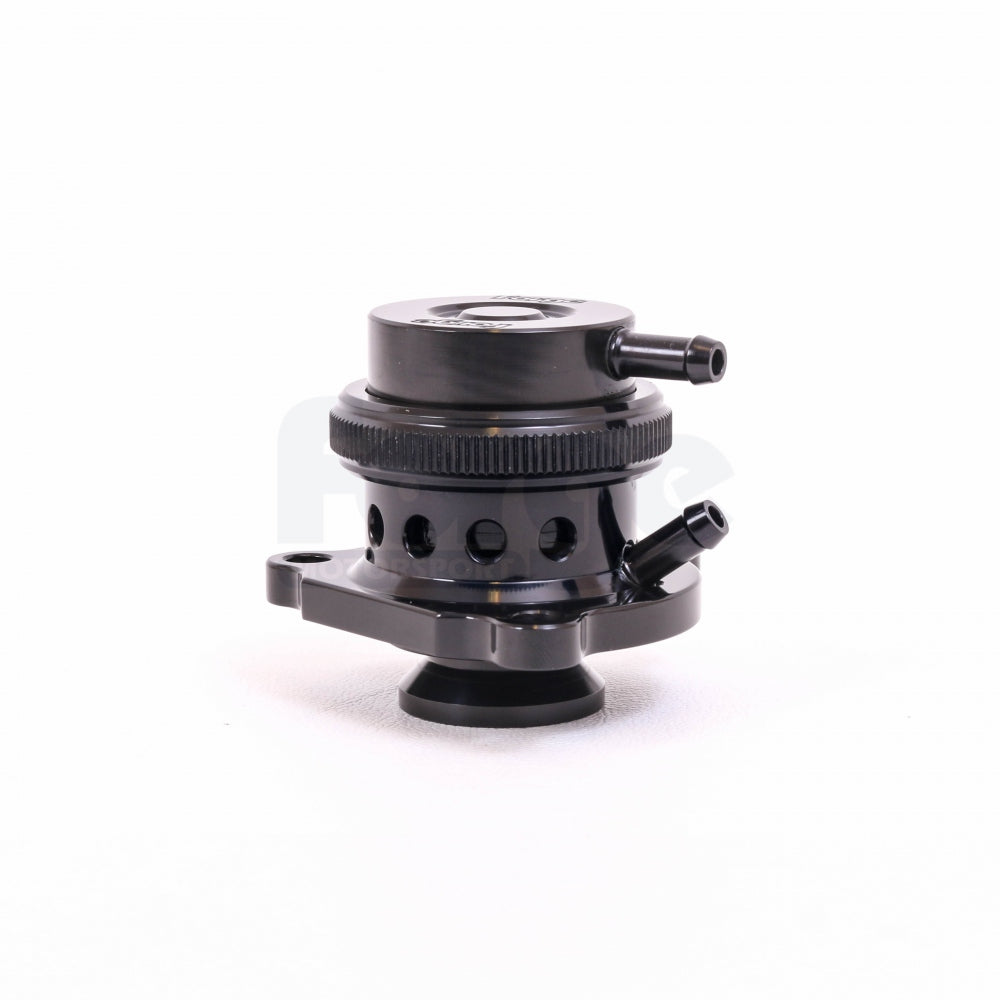
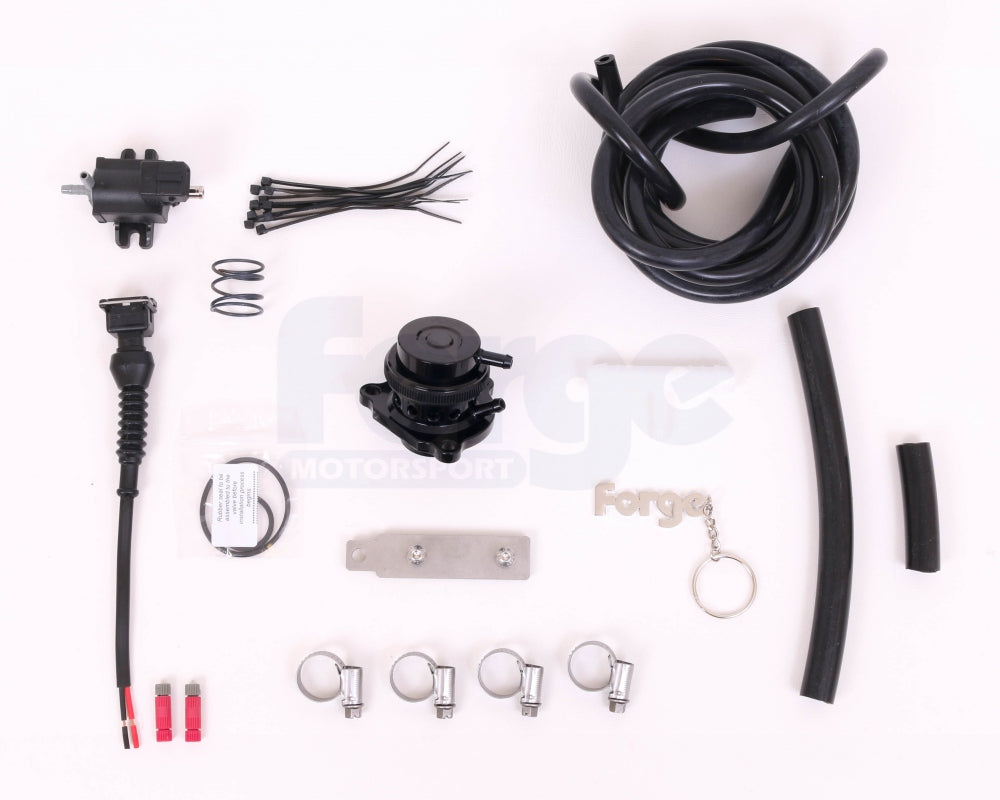
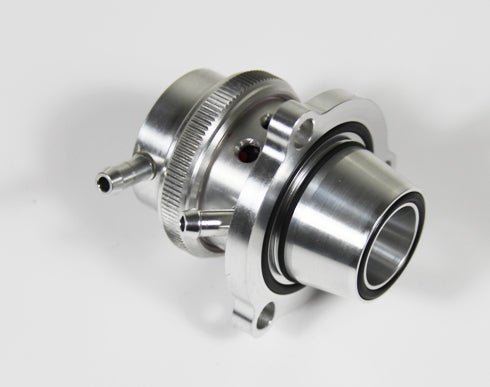
One of the key components in turbocharged airflow management is the blow-off valve. When the throttle closes suddenly during gear changes or deceleration, compressed air in the intake system must be released to prevent pressure buildup between the turbocharger and the throttle body. Blow-off valves perform this function by venting excess pressure, preventing compressor surge and protecting turbocharger components. Properly functioning valves allow the turbocharger to maintain rotational stability and improve boost recovery when the throttle is reopened.
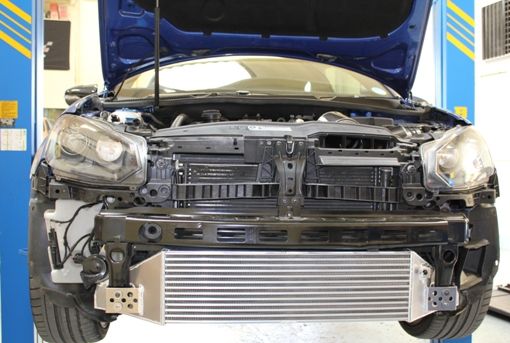
Intercoolers play another essential role in turbocharged engine systems. When air is compressed by the turbocharger, its temperature increases significantly. Hot intake air is less dense and may increase the likelihood of engine knock. Intercoolers reduce intake air temperatures by transferring heat from the compressed air to the surrounding environment. Cooler air entering the combustion chamber improves combustion efficiency and allows the engine to maintain stable power output during high-load operation.
Air intake systems and turbo piping also influence airflow efficiency. Intake systems are designed to deliver a consistent supply of air to the turbocharger while minimizing restrictions that could reduce compressor efficiency. Reinforced silicone hoses and aluminum pipe systems help maintain structural stability under boost pressure while ensuring that airflow remains smooth and uninterrupted.
These airflow management systems become particularly important in engines operating under increased boost pressure and aggressive tuning. As turbocharger output increases, the supporting airflow components must be capable of handling higher pressures and increased airflow volumes without introducing instability or pressure losses.
Forge Motorsport Components Available in This Section
The Forge Motorsport collection available in this section includes a variety of components designed to support turbocharged engine performance and airflow stability. These components are commonly used in performance builds where improved boost response, efficient charge-air cooling, and reinforced turbo system hardware are required.
Blow-off valves are among the most recognizable components in turbocharged airflow systems, helping regulate pressure during rapid throttle changes. Intercoolers and intake systems contribute to maintaining efficient airflow and reducing intake temperatures. Reinforced silicone hoses and aluminum piping provide durable connections between turbo system components while maintaining airflow integrity under boost pressure.
- blow-off valves designed for stable boost pressure control
- intercooler systems engineered to reduce intake air temperatures
- intake systems developed to improve engine airflow
- silicone hoses and piping used in high-performance turbo systems
These components are typically installed as part of a complete turbo system upgrade or integrated into modified intake and cooling systems in performance vehicles. When properly matched with the engine’s turbocharger configuration, they help maintain consistent airflow and stable engine operation under increased load.
Applications of Forge Components in Turbocharged Engine Builds
Turbocharged performance vehicles frequently use upgraded airflow components to maintain reliability and efficiency as power levels increase. Platforms such as Volkswagen GTI and Golf R models, Audi turbocharged engines, Subaru WRX and STI vehicles, and modern BMW turbocharged engines commonly receive airflow and turbo system upgrades during performance builds.
In these engines, higher boost pressure levels often require improvements in charge-air cooling and airflow management. Upgraded intercoolers can help reduce intake air temperatures during sustained engine load, while reinforced piping and silicone hoses maintain structural integrity under increased pressure. Blow-off valves and boost control hardware also help regulate pressure fluctuations within the turbo system.
Improved airflow stability contributes to faster turbocharger response and more consistent boost delivery. When airflow moves efficiently through the intake system and intercooler, the turbocharger can maintain stable pressure levels during acceleration and gear changes. This stability improves engine responsiveness and allows the turbo system to operate within its intended efficiency range.
Turbocharged engines operating in hot climates place additional thermal stress on intercoolers and cooling systems because ambient temperatures reduce the efficiency of heat dissipation. Under these conditions, maintaining efficient airflow and effective charge-air cooling becomes particularly important for preserving engine performance and preventing excessive intake temperatures.
Selecting Turbo System Components for Performance Vehicles
Choosing appropriate turbo system components requires evaluating several technical factors related to engine configuration and performance goals. One of the most important considerations is compatibility with the turbocharger itself. Different turbochargers operate at different airflow capacities and boost pressure ranges, which influences the design requirements of supporting components such as intercoolers and intake systems.
Airflow capacity is another important factor in intake system design. Intake components must provide sufficient airflow to the turbocharger without introducing restrictions that could reduce compressor efficiency. Larger or more efficient intake systems may allow the turbocharger to operate more effectively by maintaining a stable air supply during high engine load.
Intercooler sizing and cooling efficiency also influence engine performance in turbocharged vehicles. Larger or more efficient intercoolers can dissipate heat more effectively, allowing the intake air to remain cooler and denser before entering the combustion chamber. Cooler intake air supports stable combustion and helps maintain consistent engine power output during sustained acceleration.
Durability of hoses and piping is another important consideration. Turbo system components must withstand both elevated temperatures and increased internal pressure. Reinforced silicone hoses and rigid piping systems help ensure that airflow pathways remain stable while preventing leaks or deformation under boost pressure.
Achieving a balanced turbo system requires careful consideration of airflow efficiency, boost pressure stability, and engine cooling. Properly matched components allow the turbocharged engine to maintain reliable operation while delivering predictable performance during demanding driving conditions.
Forge Motorsport Components Available at ATOMIC-SHOP
ATOMIC-SHOP offers a selection of Forge Motorsport components designed for turbocharged engines and performance vehicles. The available range includes turbo system components, blow-off valves, intercoolers, intake systems, reinforced hoses, and supporting hardware used in performance engine builds.
These components are commonly used in vehicles where maintaining stable airflow, reliable boost pressure control, and efficient charge-air cooling are essential for engine performance. By supporting airflow management and turbo system stability, performance components contribute to the efficiency and durability of modern turbocharged engines operating under increased mechanical and thermal loads.