

















Ferrea Valvetrain Components and Their Role in High-Performance Engine Operation
Ferrea develops high-performance valvetrain components used in performance engines, racing engines, and high-RPM automotive applications. The brand manufactures engine valves, valve springs, valve retainers, and related valvetrain hardware designed to operate reliably in demanding mechanical environments. In modern internal combustion engines, the valvetrain plays a critical role in controlling airflow through the cylinder head, regulating valve timing, and maintaining stable engine operation at increasing engine speeds.
The valvetrain system is responsible for opening and closing intake and exhaust valves in synchronization with the engine’s crankshaft and camshaft rotation. These controlled valve movements allow fresh air and fuel to enter the combustion chamber while allowing exhaust gases to exit after combustion occurs. The accuracy and stability of these movements directly influence engine efficiency, combustion quality, and overall power output. As engine performance increases, the demands placed on valvetrain components become significantly greater.
High-performance engines often operate at elevated engine speeds and combustion pressures compared to standard production engines. Under these conditions, the valvetrain must maintain precise valve timing while resisting mechanical stress and thermal loads. Components such as engine valves and valve springs must operate reliably even when subjected to rapid movement cycles and high cylinder pressures. Upgraded valvetrain components are therefore commonly used in performance engine builds to maintain stability and durability during aggressive engine operation.
Engineering Requirements of High-Performance Engine Valves and Valvetrain Systems
Valvetrain engineering focuses on maintaining precise valve motion under a wide range of operating conditions. Engine valves must open and close thousands of times per minute when an engine is running at high RPM. During this process, the valves experience rapid acceleration, contact forces from the camshaft and valve springs, and exposure to extreme temperatures produced by combustion. These conditions require carefully selected materials and precise manufacturing tolerances.
Performance engine valves are typically manufactured from advanced alloys designed to withstand high temperatures and mechanical fatigue. Intake valves must resist repeated impact forces while maintaining structural stability, while exhaust valves operate in environments exposed to hot combustion gases. Materials used in these valves must therefore maintain strength and dimensional stability even under continuous thermal stress.
Valve springs are another essential component of the valvetrain system. Their primary function is to close the valve quickly after the camshaft lobe passes over the valve follower. In high-performance engines, valve springs must provide sufficient pressure to keep the valve in contact with the camshaft profile while preventing valve float. Valve float occurs when the valve loses contact with the camshaft at high engine speeds, which can lead to unstable valve timing and potential engine damage.
Maintaining stable valve motion at high RPM requires a balanced combination of spring pressure, valve mass, and camshaft design. Excessively heavy valves or insufficient spring pressure can lead to unstable valve operation, particularly in engines designed to operate at elevated engine speeds. Engineers therefore design valvetrain systems that carefully balance these forces to ensure reliable valve motion during aggressive engine operation.
Performance engines that operate under increased combustion pressure and aggressive tuning also place additional loads on valvetrain components. Turbocharged engines and engines using high lift camshafts may require stronger valve springs and reinforced valvetrain hardware to maintain precise valve control throughout the entire RPM range.
Ferrea Valvetrain Components Available in This Section
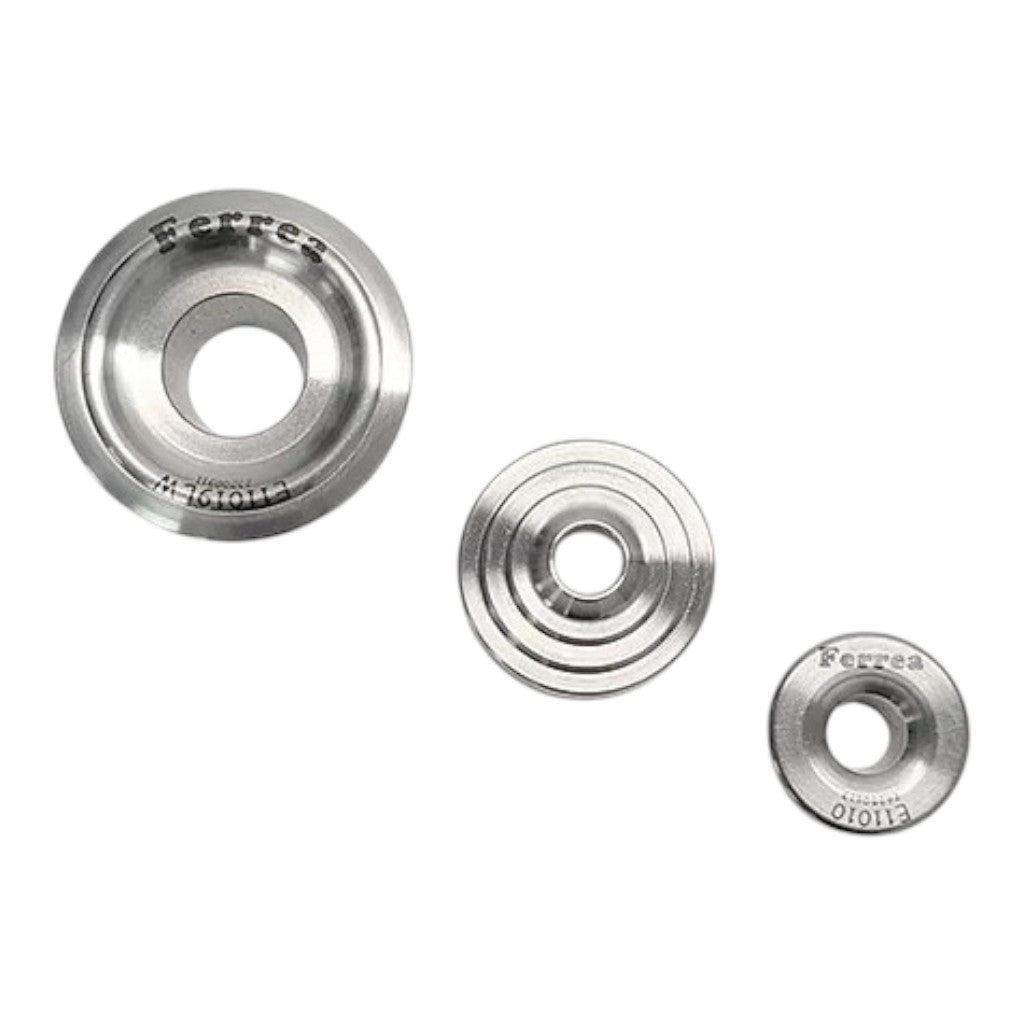
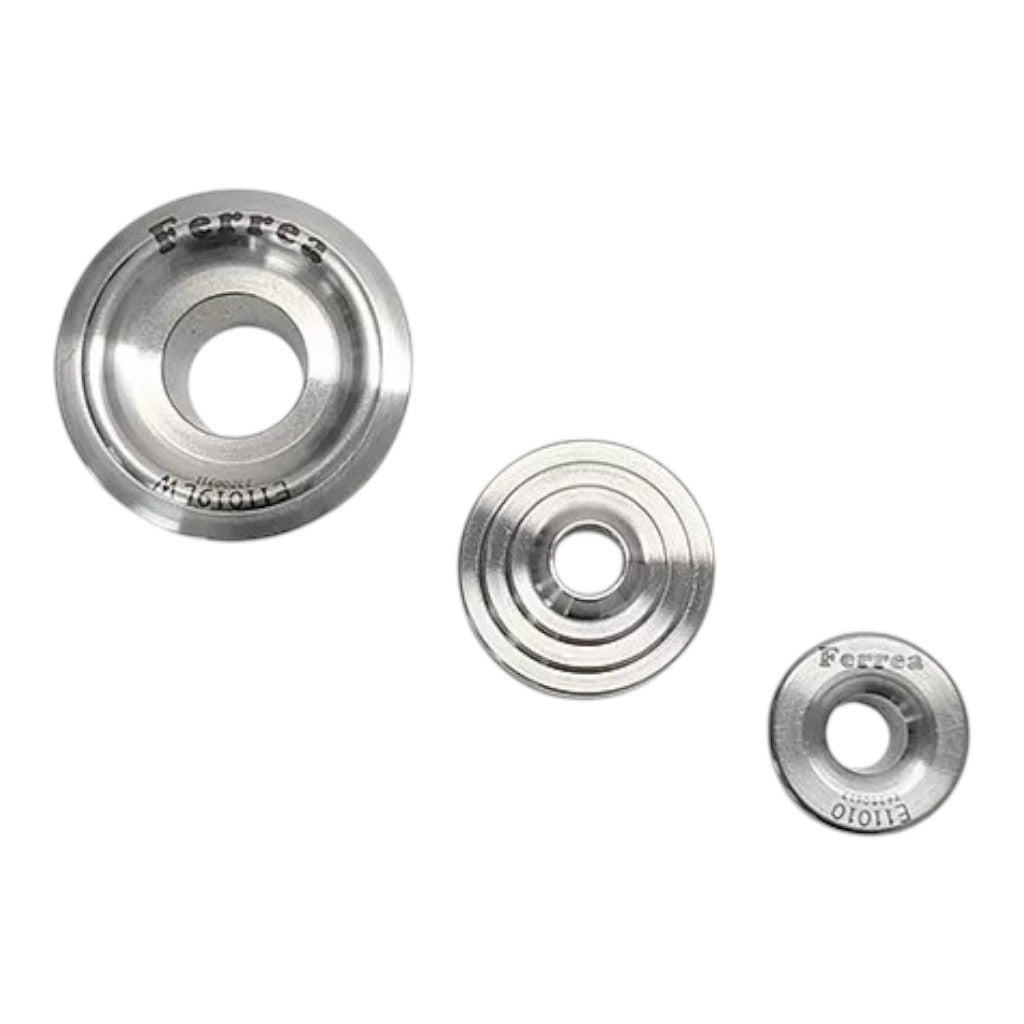
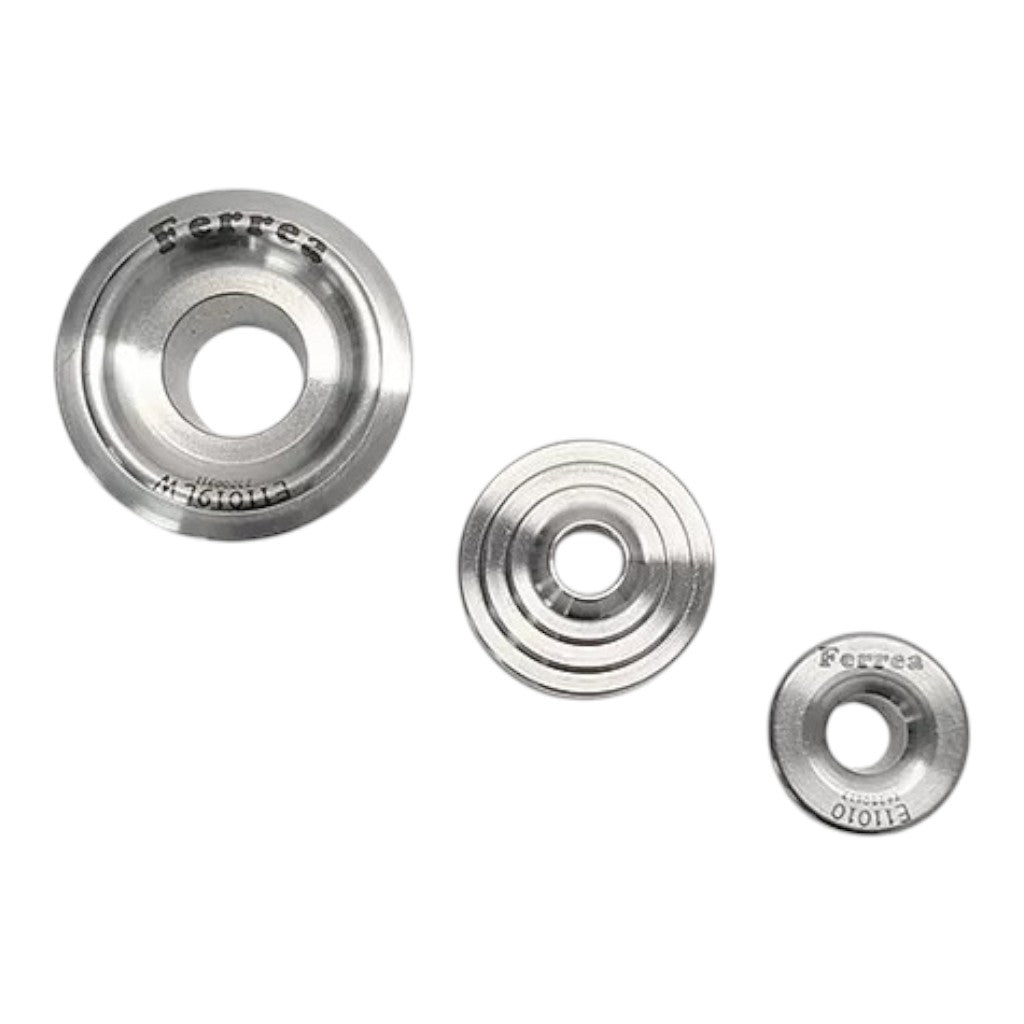
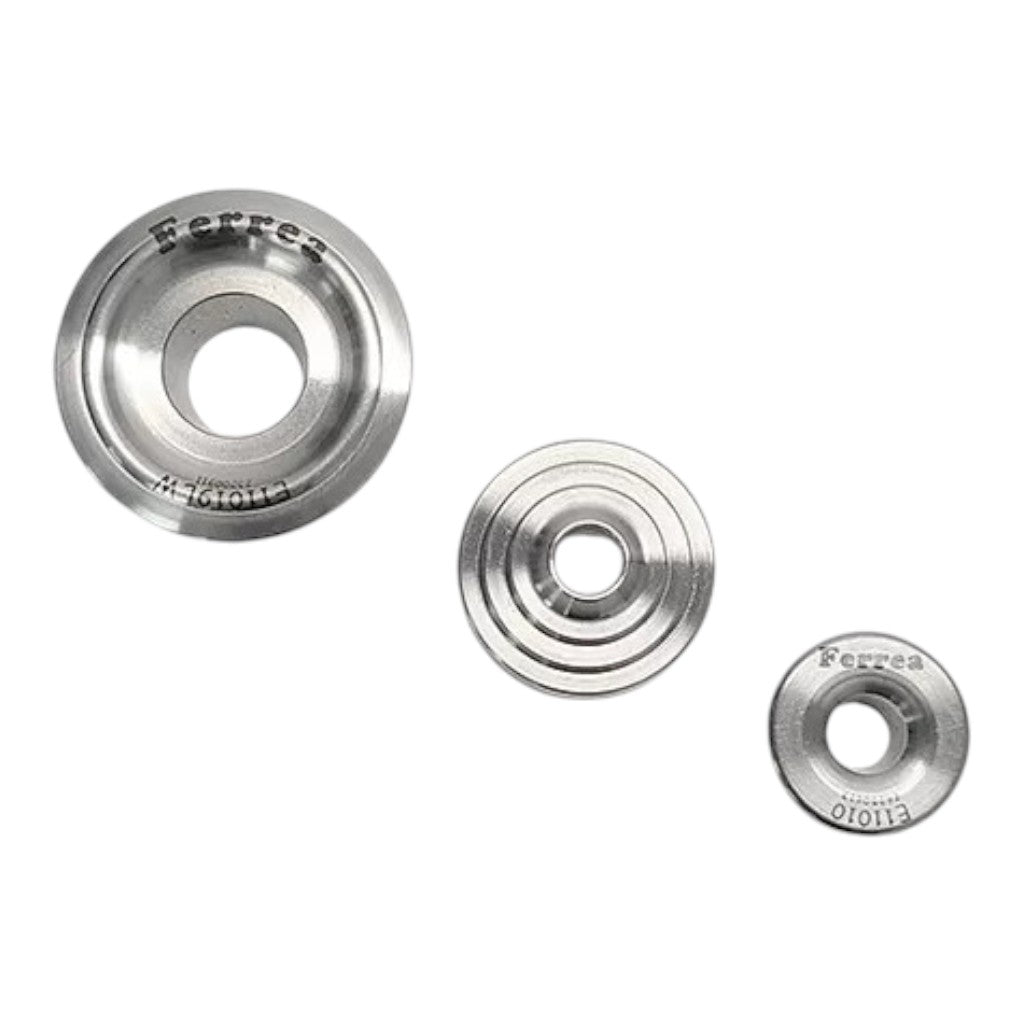
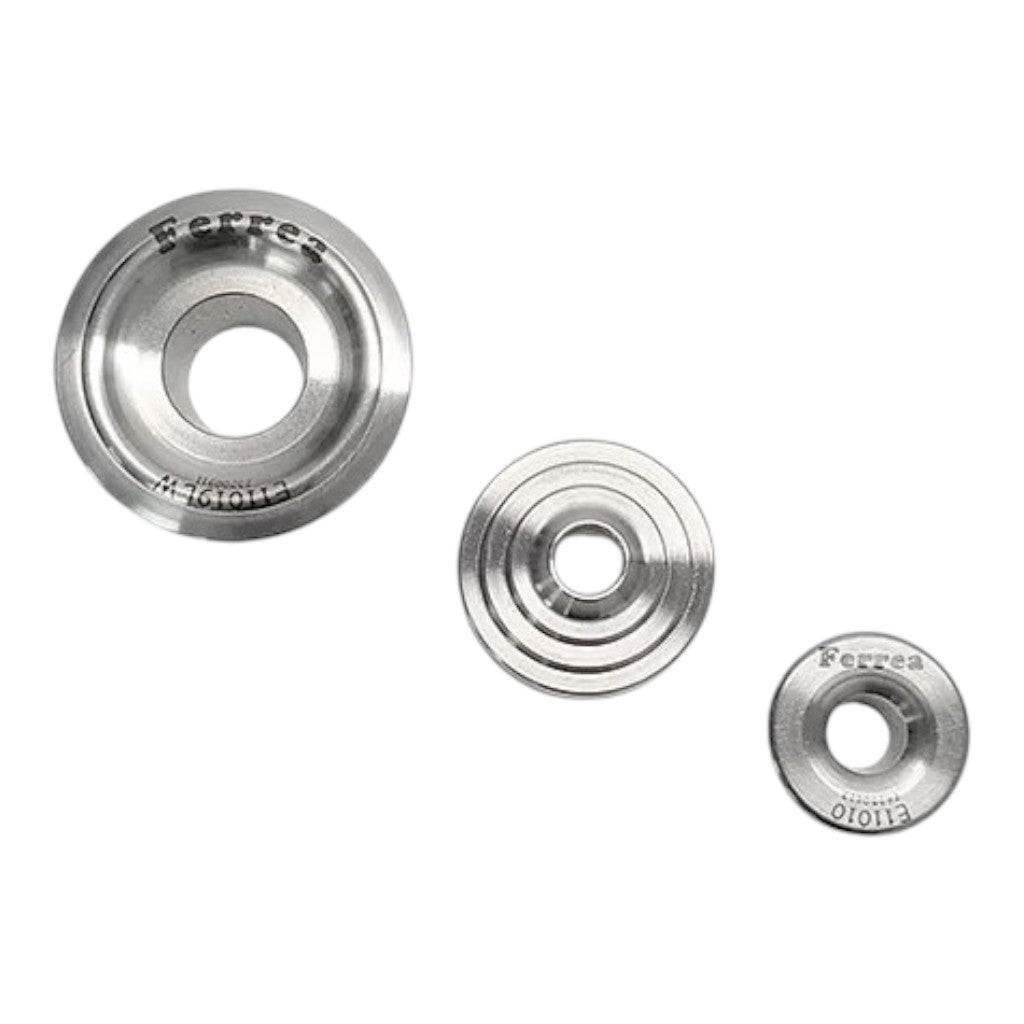
The Ferrea collection available in this section includes several types of valvetrain components designed for high-performance engine applications. These parts are used in performance engine builds where maintaining accurate valve timing and stable valve motion is essential for reliable engine operation.
Engine valves are among the most critical components in the valvetrain because they directly control airflow into and out of the combustion chamber. Valve springs and retainers complement these components by ensuring that valve motion remains synchronized with the camshaft profile during engine operation.
- performance engine valves designed for high-RPM operation
- valve springs engineered for precise valve control
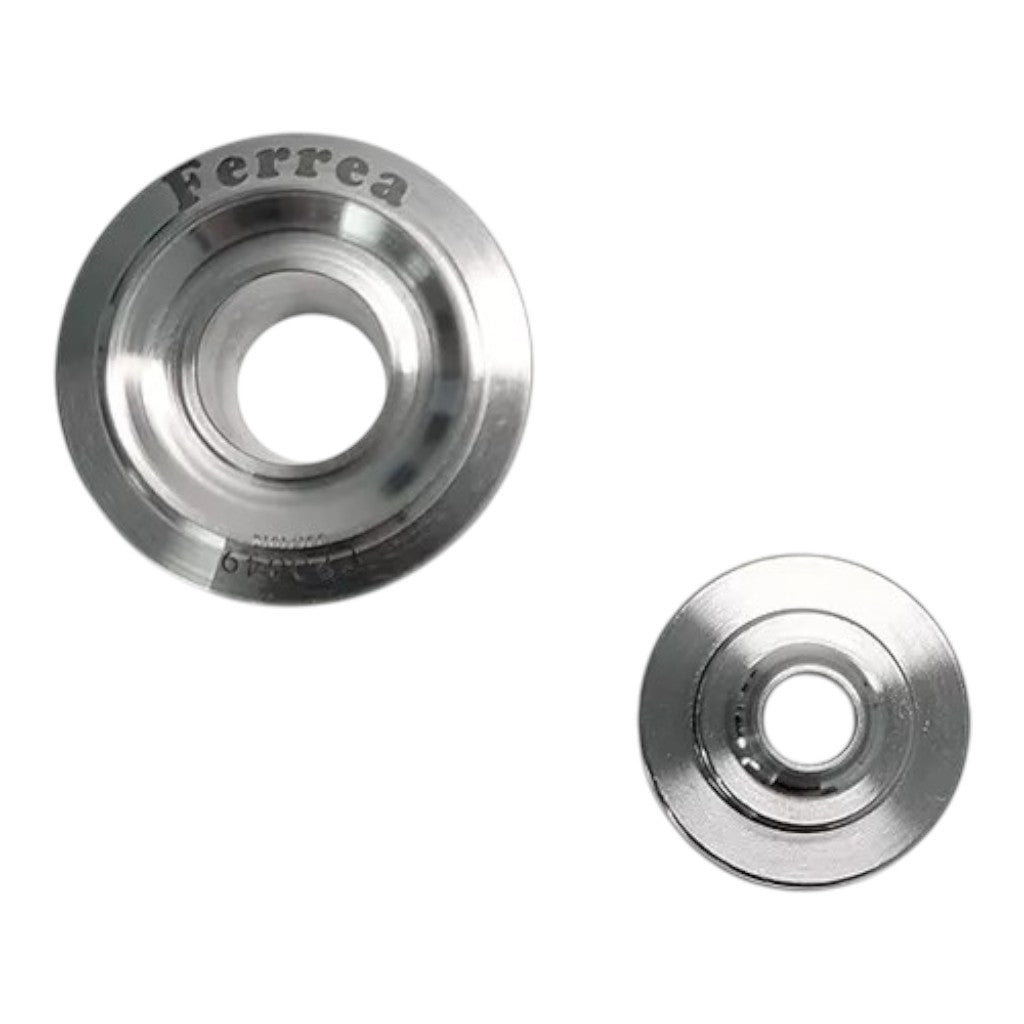
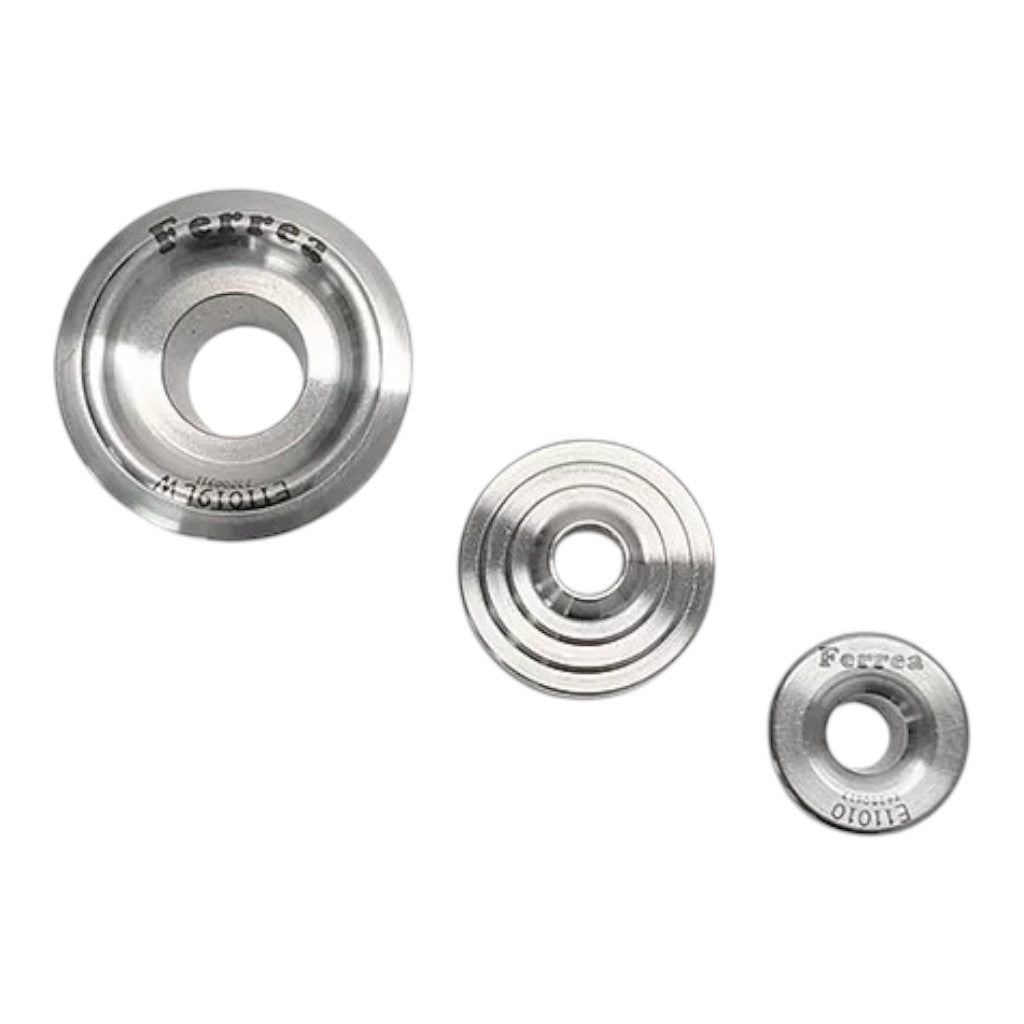
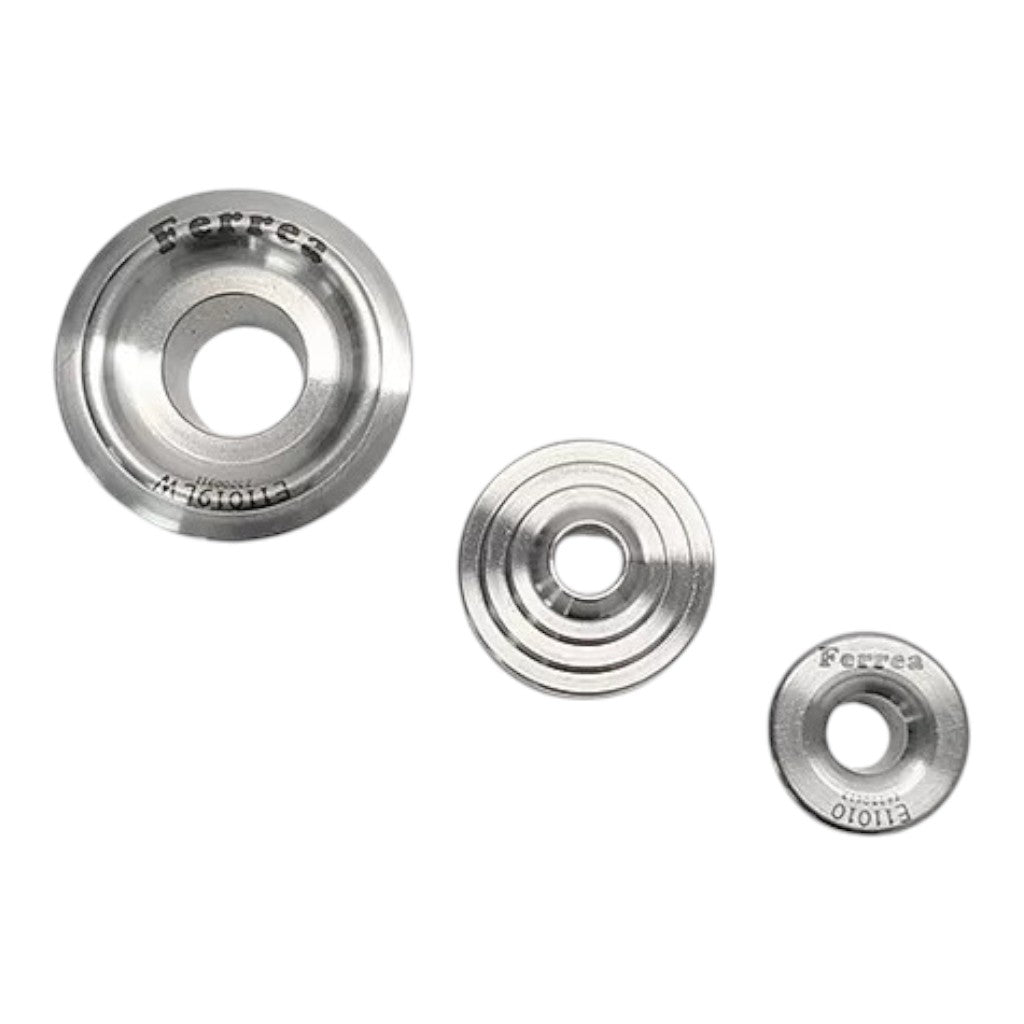
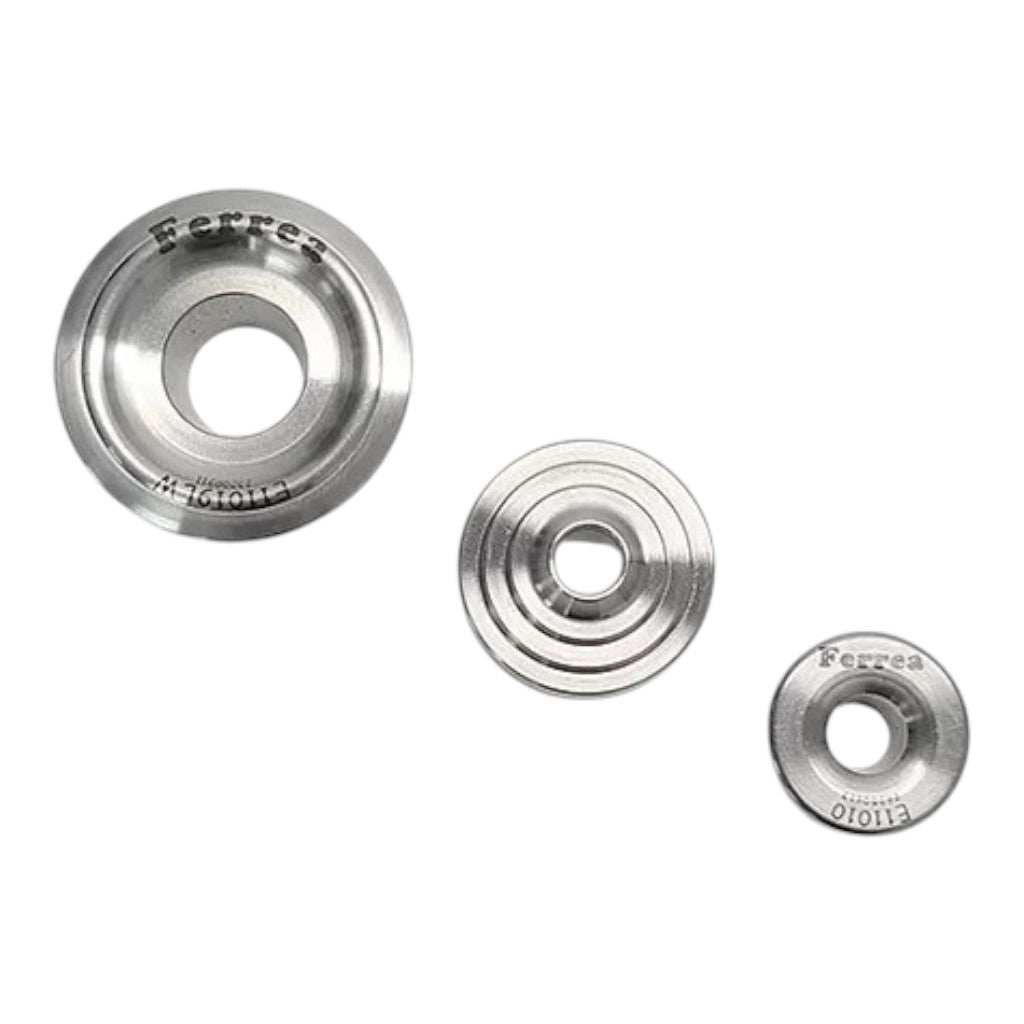
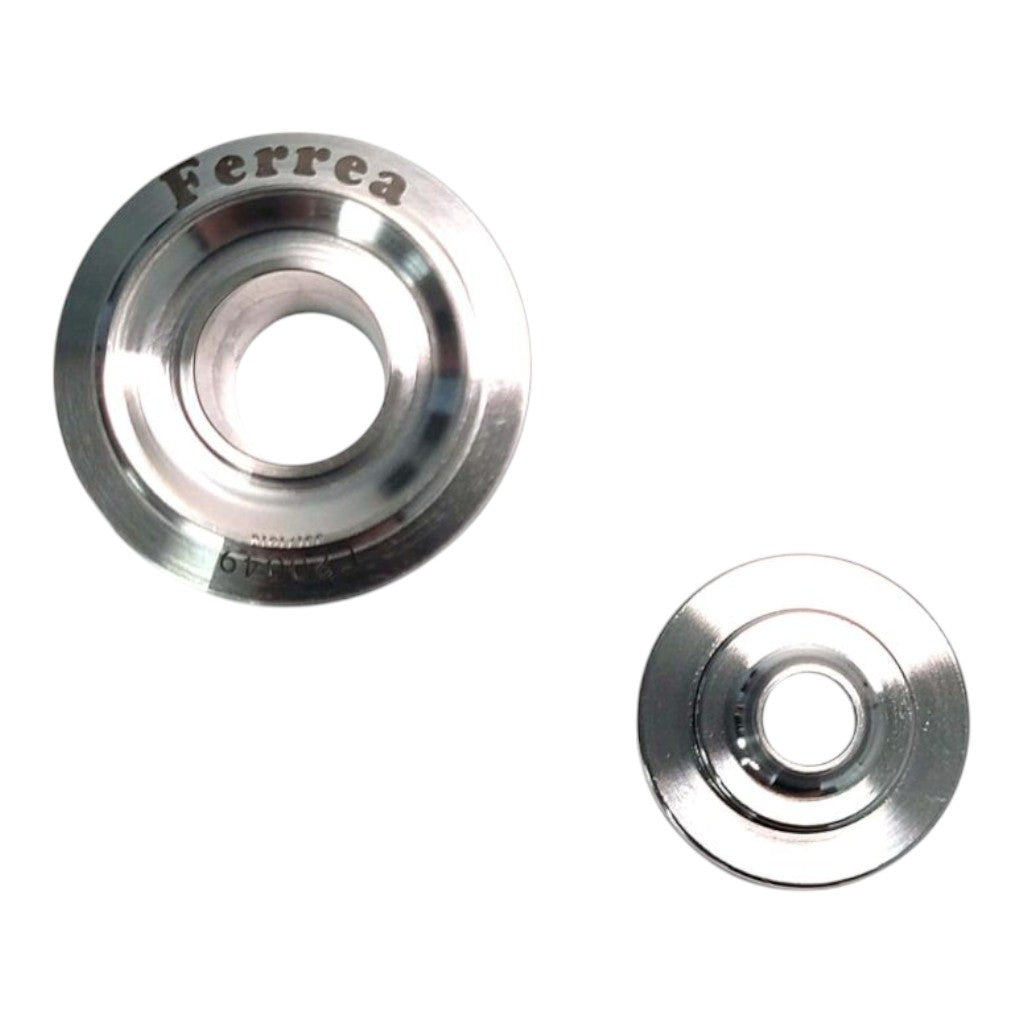
- valve retainers used in high-performance valvetrain assemblies
- valvetrain components developed for racing engines
These components are typically installed as part of a complete valvetrain system upgrade. When matched correctly with camshafts and cylinder heads, they support stable valve motion and consistent airflow management in performance engine configurations.
Applications of Ferrea Valvetrain Components in Performance Engine Builds
High-performance valvetrain components are commonly used in engines that operate under increased power levels and elevated engine speeds. Engine platforms frequently used in performance builds, such as Toyota 2JZ engines, Nissan RB series engines, and modern turbocharged performance engines, often require upgraded valvetrain components to maintain reliability under increased mechanical loads.
In these applications, engine builders may increase boost pressure, raise engine speed limits, or install camshafts with more aggressive valve lift and duration profiles. These modifications improve airflow through the cylinder head and increase engine power output, but they also place additional stress on the valvetrain system. Upgraded valves and valve springs help maintain stable valve timing and prevent valve float when engines operate at higher RPM levels.
Racing engines and track-prepared vehicles frequently use reinforced valvetrain components designed to withstand extended periods of high engine load. In these environments, valvetrain components must maintain structural stability while operating under rapid mechanical cycles and elevated temperatures. Reliable valvetrain operation helps ensure that the engine continues to deliver consistent power output without mechanical instability.
High-performance engines operating in hot climates can place additional thermal stress on engine components. Elevated ambient temperatures may increase overall engine temperatures, which can influence the thermal conditions experienced by valves and other valvetrain components. Under these conditions, materials with strong heat resistance and durability become particularly important for maintaining reliable engine operation.
Selecting Valvetrain Components for High-Performance Engines
Selecting appropriate valvetrain components for a performance engine build requires careful evaluation of the engine’s design and intended operating conditions. One of the most important considerations is valve material selection. Different valve materials offer varying levels of heat resistance, strength, and weight characteristics, which can influence how the valvetrain performs at high engine speeds.
Valve spring pressure is another critical factor in valvetrain design. Springs must provide sufficient force to maintain contact between the camshaft and the valve mechanism while preventing valve float at high RPM. However, excessive spring pressure can increase wear on camshaft components and reduce mechanical efficiency. Achieving the correct balance is therefore essential for maintaining reliable valve operation.
Compatibility between valves, springs, retainers, camshafts, and cylinder heads must also be considered during engine assembly. Valvetrain components must work together as a complete system to ensure that valve timing remains precise throughout the engine’s operating range. Improperly matched components can lead to unstable valve motion, reduced airflow efficiency, or premature mechanical wear.
Engine builders often evaluate camshaft profiles, target engine speed, and intended power levels when selecting valvetrain components. These factors determine the forces acting on the valvetrain and influence which components are most suitable for the application. Maintaining stable valve operation is essential for preserving engine reliability and ensuring that airflow through the cylinder head remains consistent.
Ferrea Valvetrain Components Available at ATOMIC-SHOP
ATOMIC-SHOP offers a range of Ferrea valvetrain components designed for performance engine builds and motorsport applications. The available selection includes performance engine valves, valve springs, valve retainers, and related valvetrain hardware developed for engines operating under demanding conditions.
These components are commonly used in performance vehicles where stable valve timing, reliable airflow control, and durability under high engine load are essential. By supporting consistent valvetrain operation, performance valvetrain components contribute to the efficiency, reliability, and power potential of modern high-performance engines.