


















Automotive Thermal Protection Systems Developed by Design Engineering (DEI)
Design Engineering, commonly known as DEI, is a manufacturer of automotive thermal management components used in performance vehicles, racing applications, and high-output engine builds. The company specializes in heat protection technologies designed to control engine bay temperatures and protect surrounding components from excessive thermal exposure. These products are commonly installed in vehicles equipped with turbocharged engines, high-performance exhaust systems, and other powertrain modifications that increase heat generation within the engine compartment.
Modern performance vehicles operate under conditions where thermal loads can become extremely high. Turbochargers, exhaust manifolds, catalytic systems, and high-performance engines produce large amounts of heat during operation. If this heat is not properly managed, it can affect nearby wiring, hoses, sensors, and other sensitive components. Thermal protection systems help maintain stable operating conditions inside the engine bay by reducing heat transfer and shielding vulnerable parts from excessive temperatures.
Heat management plays a significant role in the reliability of modified and performance-oriented vehicles. As engine output increases, exhaust gas temperatures rise and the surrounding components are exposed to higher levels of radiant and conductive heat. By controlling how heat moves through the engine compartment, thermal protection components help maintain consistent performance and reduce the likelihood of heat-related component degradation.
Thermal Control Engineering in Modern Performance Engine Bays
Automotive thermal management systems are designed to control how heat is transferred and distributed within the engine compartment. Heat generated by combustion and exhaust systems moves through several pathways including conduction, convection, and radiation. In high-performance engines, exhaust manifolds, turbocharger housings, and downpipes often become the primary sources of concentrated heat.
Thermal insulation materials are commonly used to limit the transfer of heat from these components to surrounding areas. Exhaust wrap, for example, helps contain heat within the exhaust system by insulating the outer surface of pipes and manifolds. This not only reduces radiant heat within the engine bay but can also help maintain higher exhaust gas velocity inside the system, which may contribute to improved turbocharger efficiency in turbocharged applications.
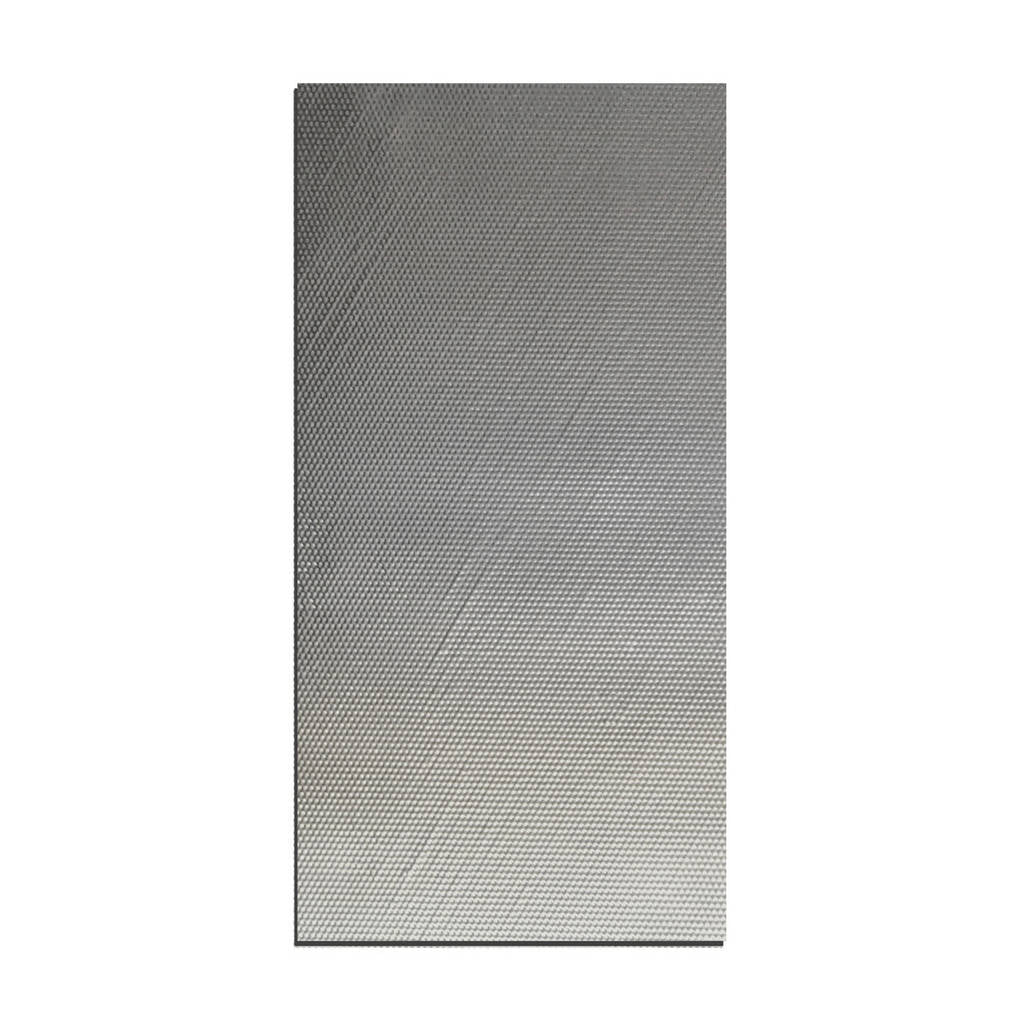
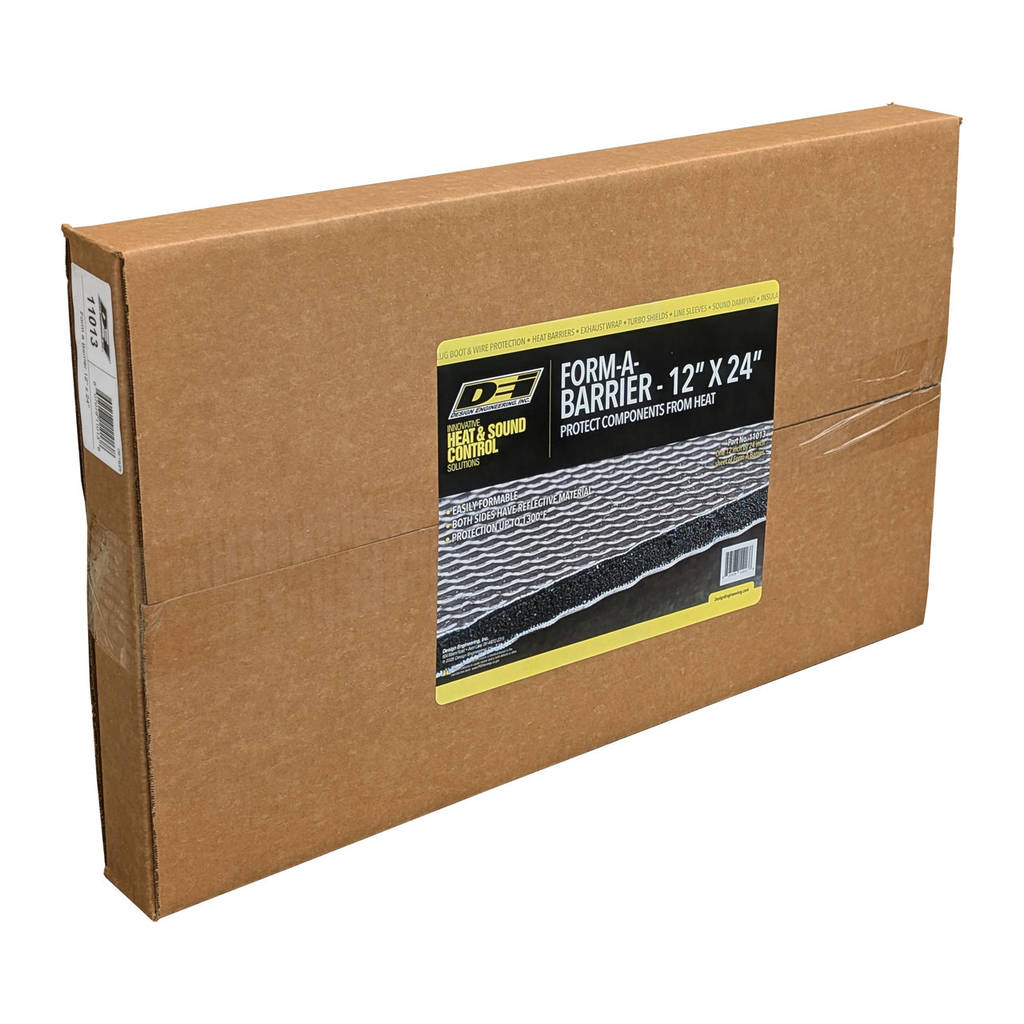
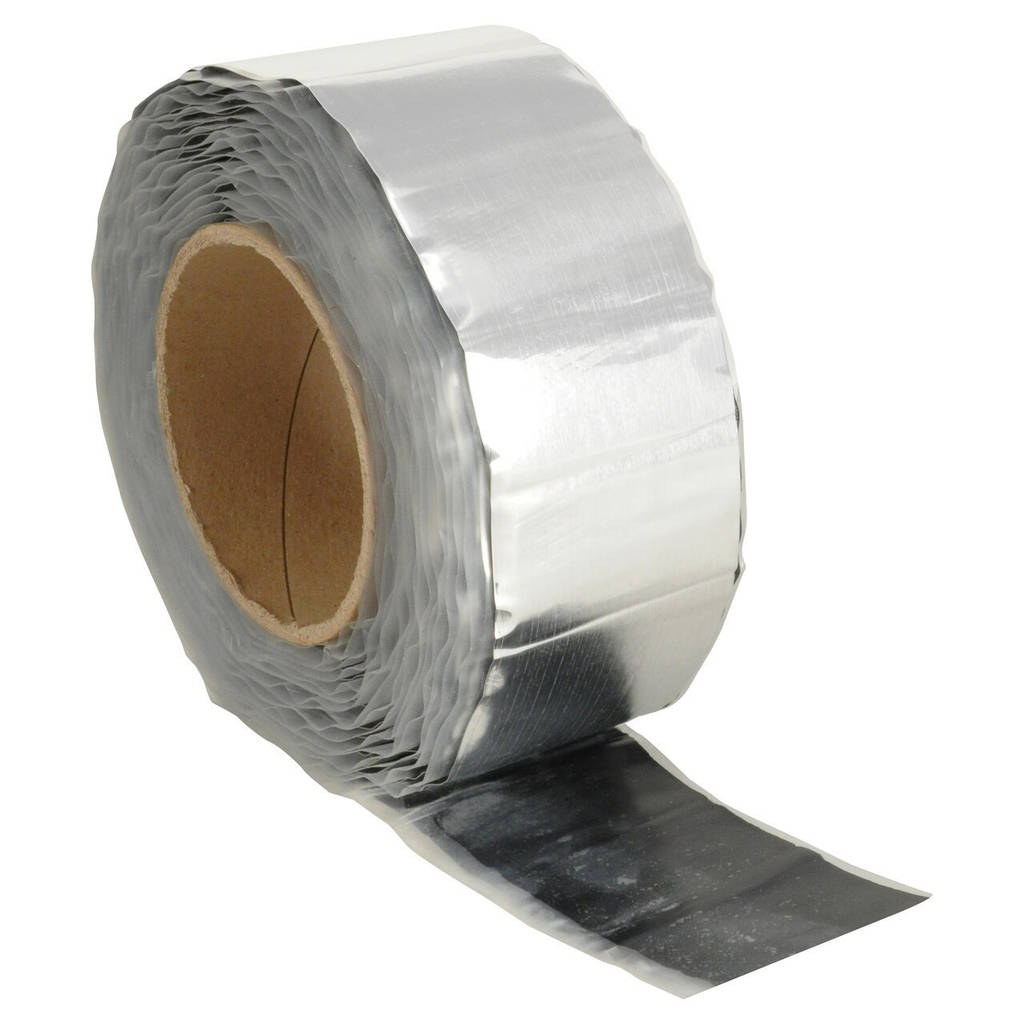
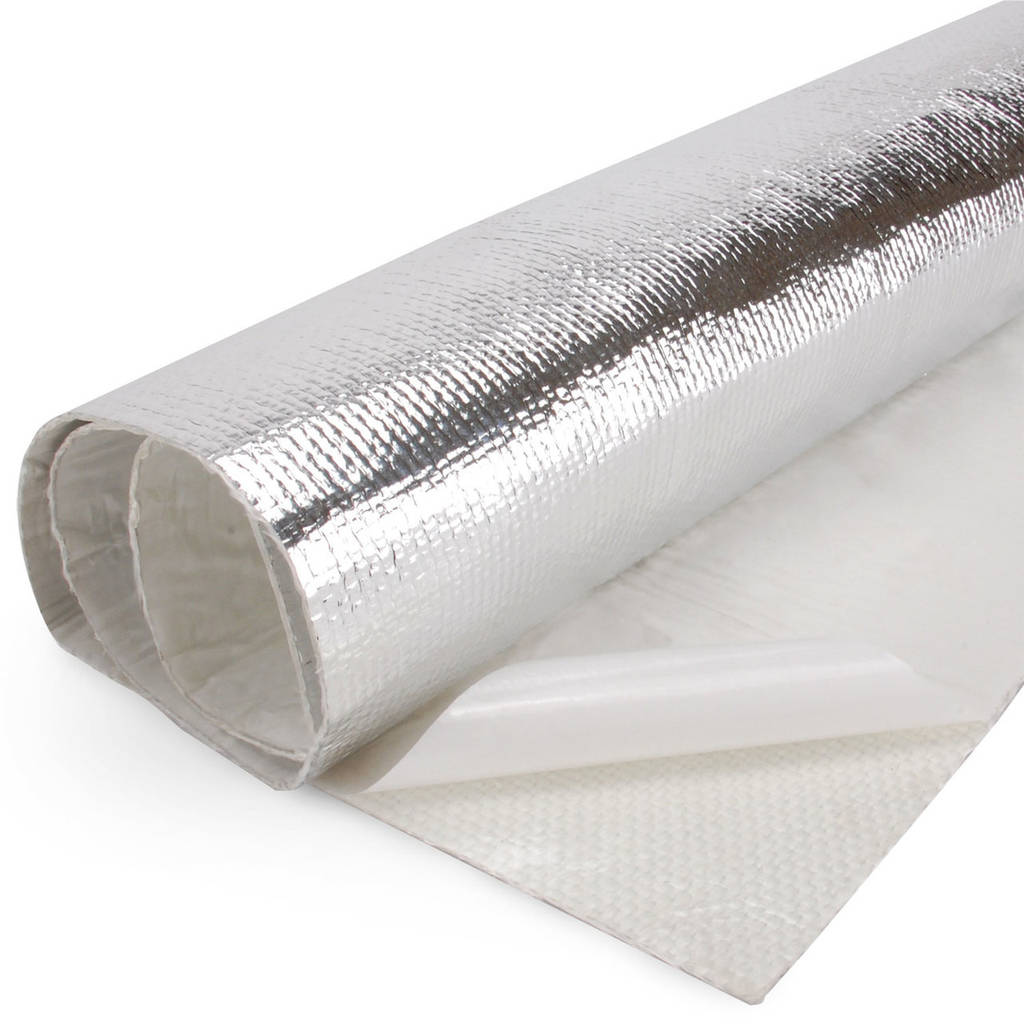
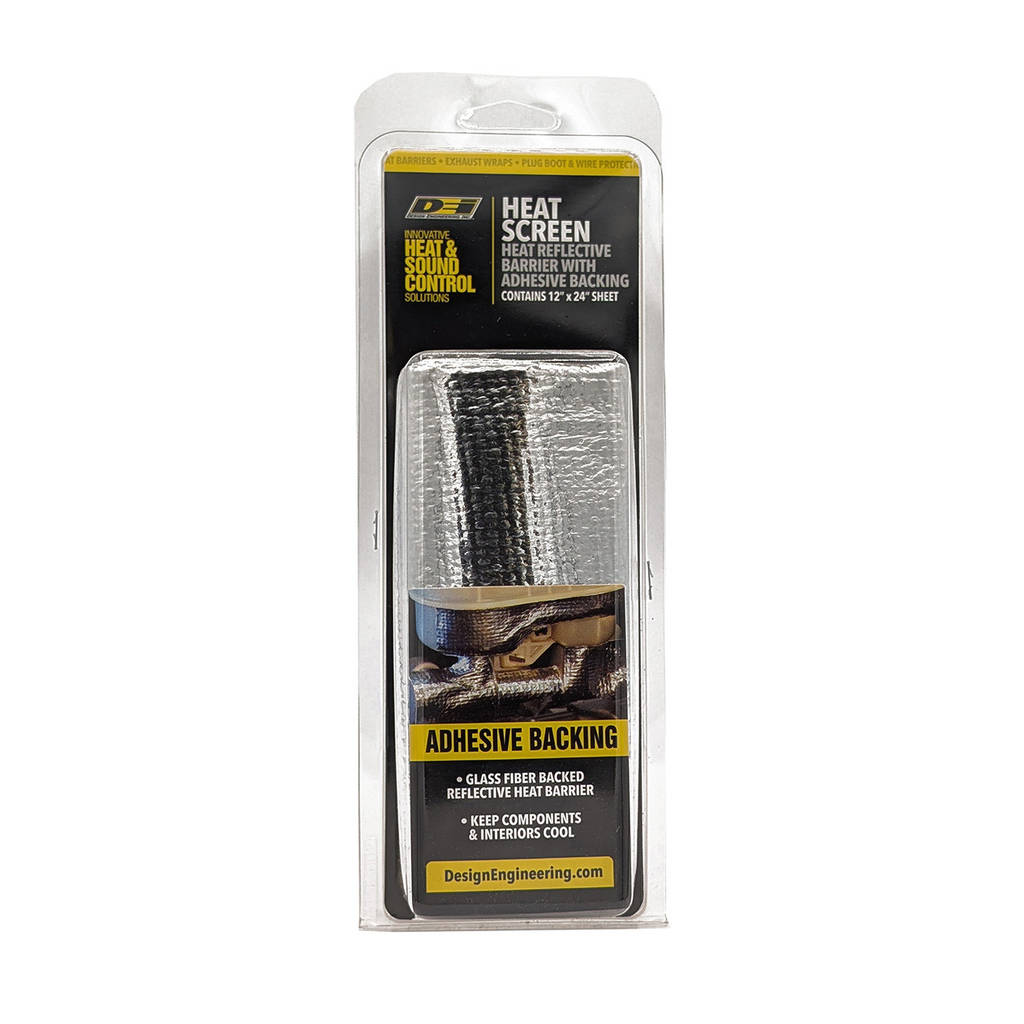
Reflective heat shielding is another widely used solution for controlling engine bay temperatures. Reflective barriers are designed to deflect radiant heat away from sensitive components such as wiring harnesses, hoses, intake systems, and electronic modules. These shields typically incorporate multi-layer materials capable of withstanding high temperatures while reflecting a significant portion of radiant heat energy.
Heat management systems are particularly important for vehicles operating under aggressive driving conditions. High engine loads and elevated exhaust temperatures can rapidly increase thermal stress within the engine bay. Thermal protection materials help stabilize the environment surrounding critical components and reduce the risk of damage caused by prolonged exposure to high temperatures.
Heat Protection Components Included in the DEI Product Range
The Design Engineering product range includes a variety of thermal protection solutions developed for automotive applications where heat management is essential. These components are used to insulate exhaust systems, shield surrounding engine parts, and protect wiring and hoses from heat exposure. Many of these products are commonly installed in modified vehicles where turbochargers, performance exhaust systems, and engine upgrades increase thermal loads within the engine compartment.
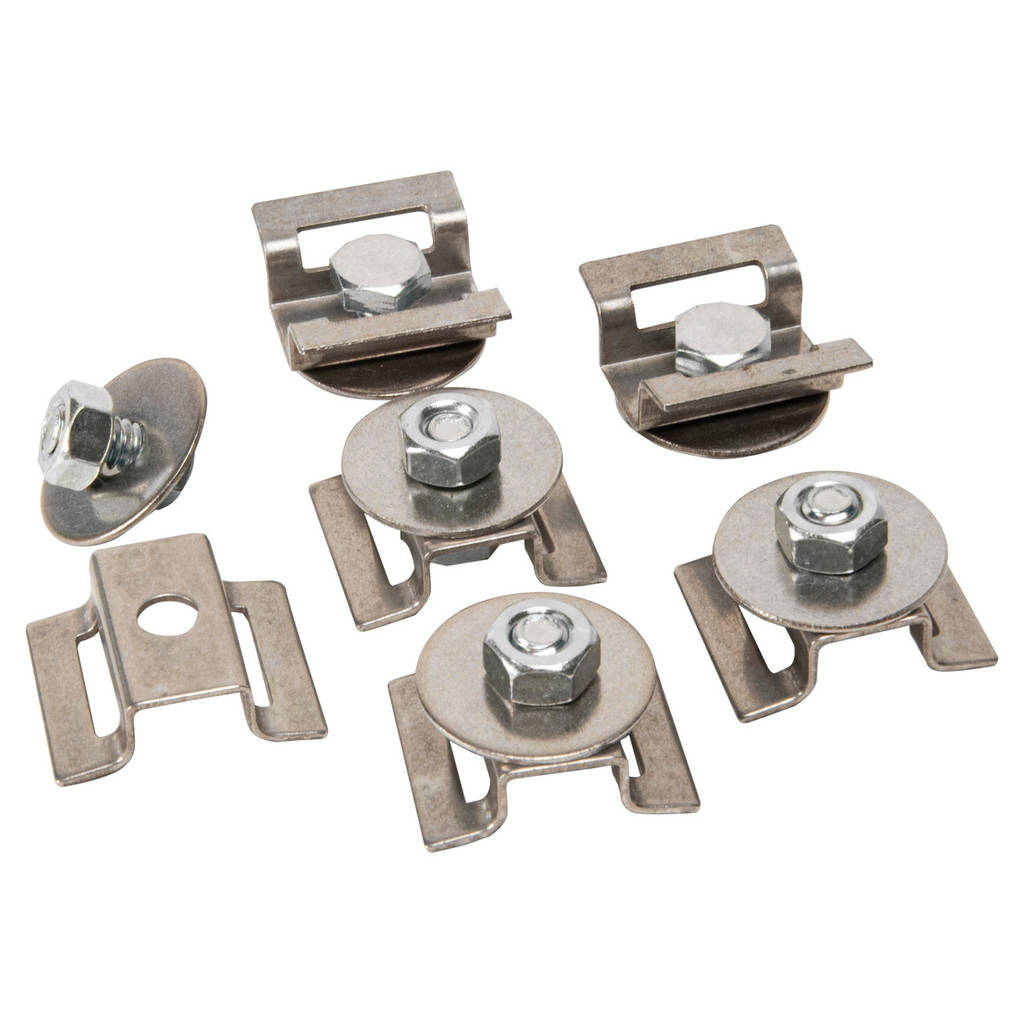
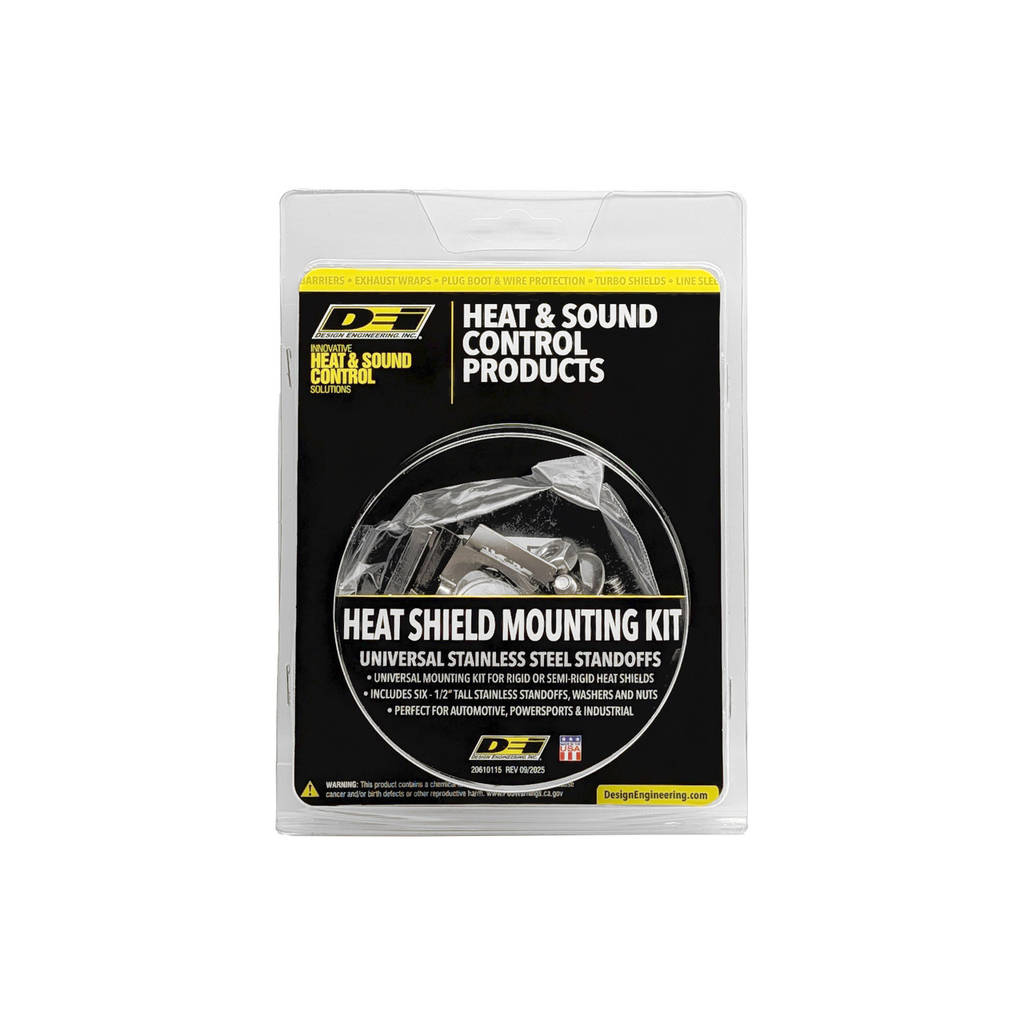
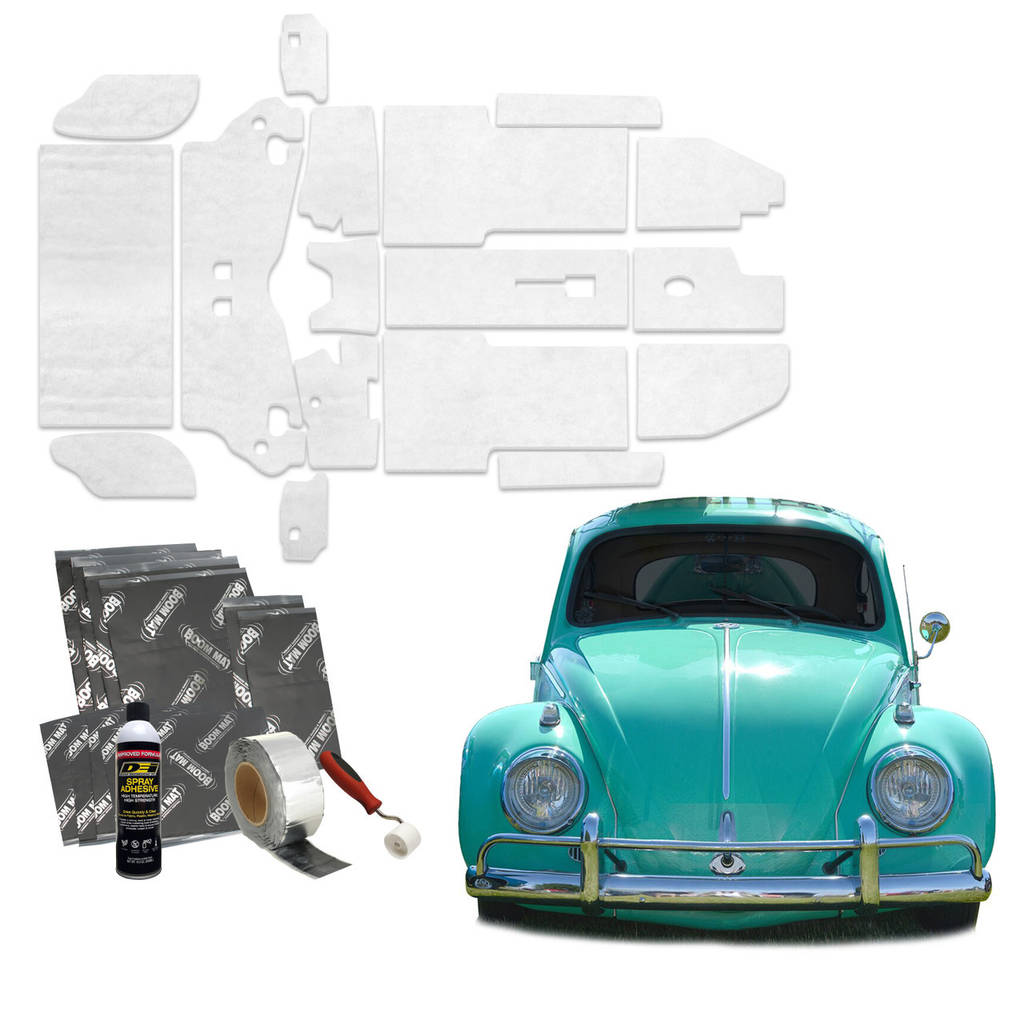
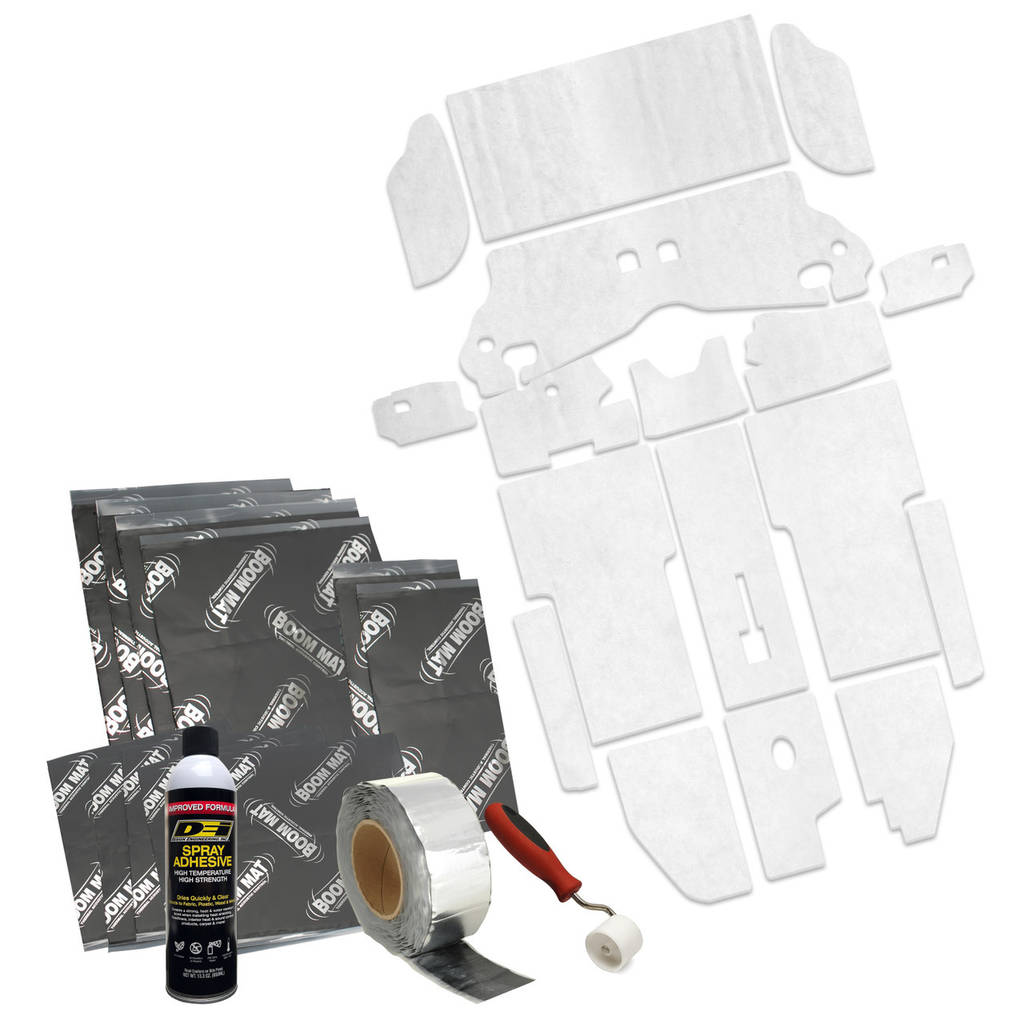
In addition to exhaust insulation and heat shielding materials, the available product selection includes protective sleeves, thermal sprays, adhesives, and mounting components used to secure heat protection materials. These components allow builders and technicians to install thermal protection solutions throughout different areas of the vehicle where heat exposure may occur.
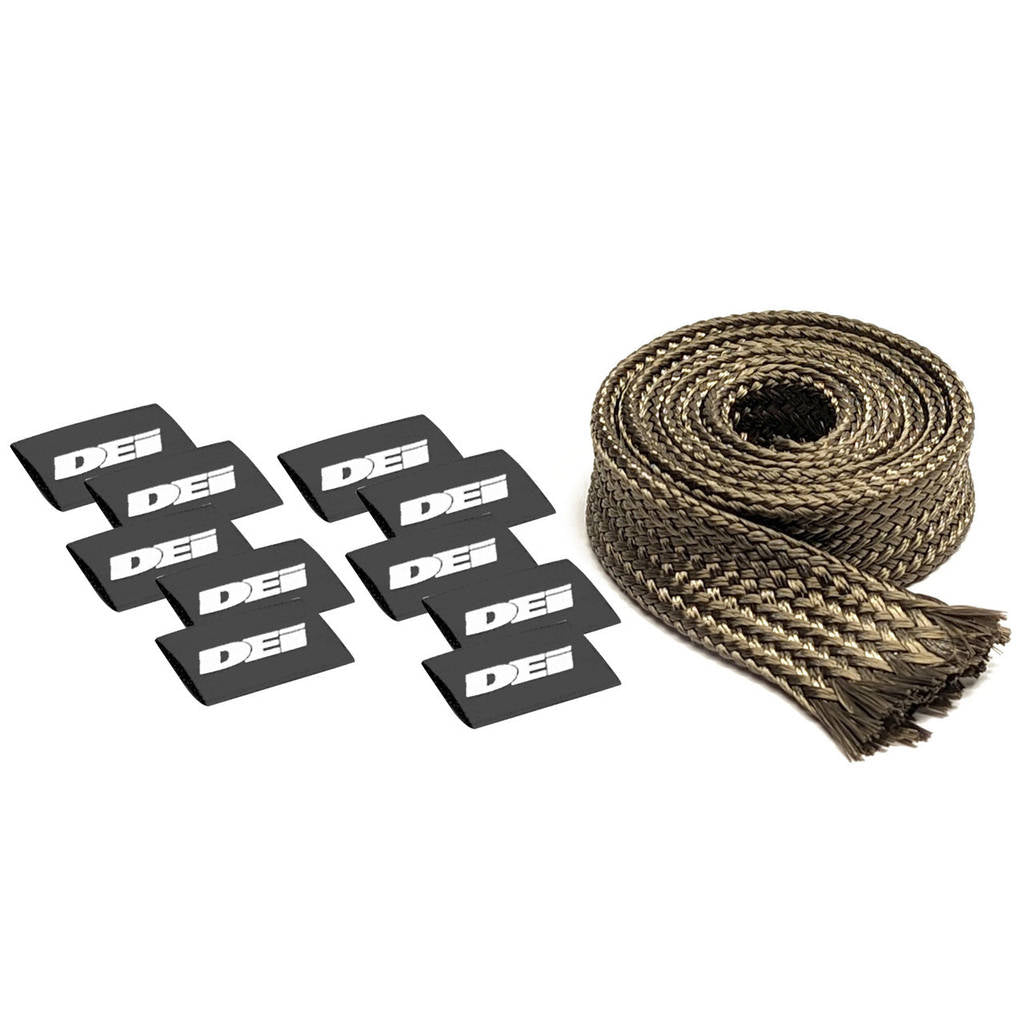
- exhaust wrap designed to contain heat within exhaust manifolds and piping
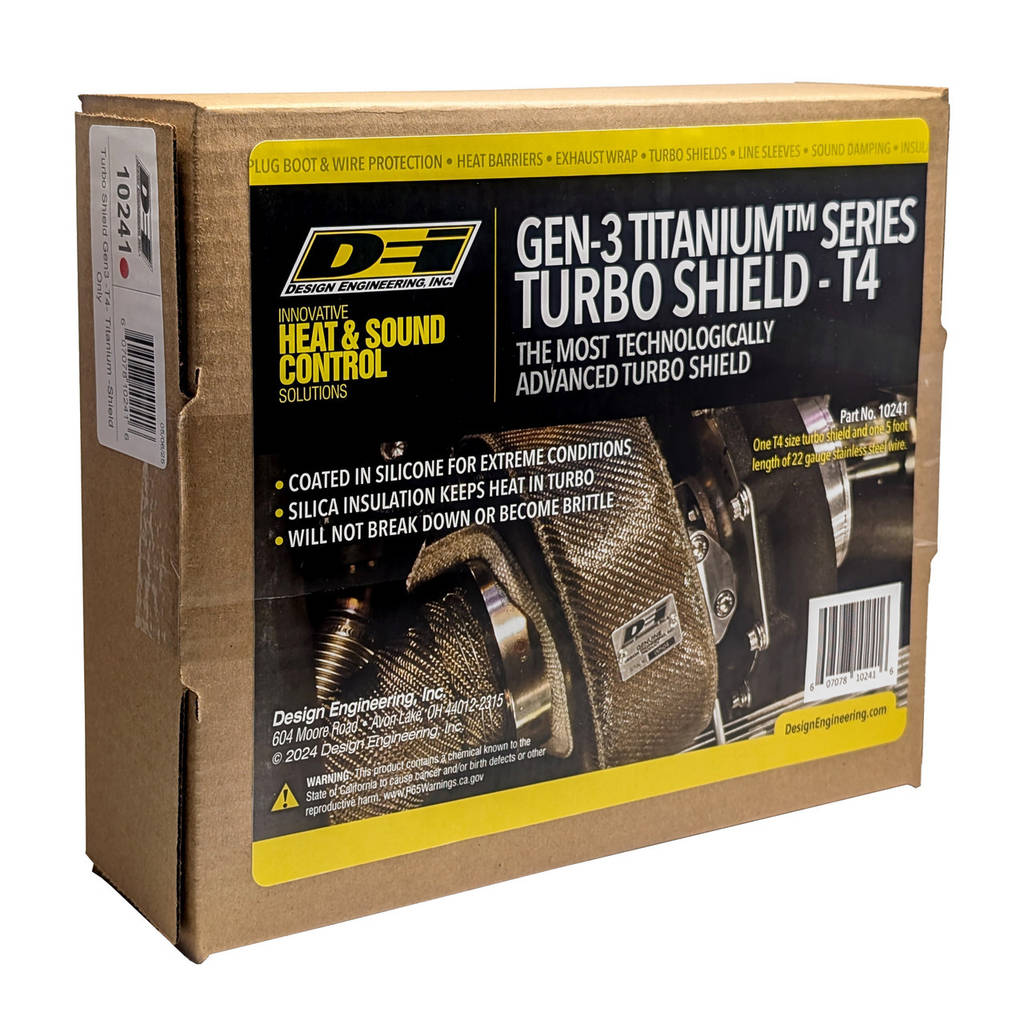
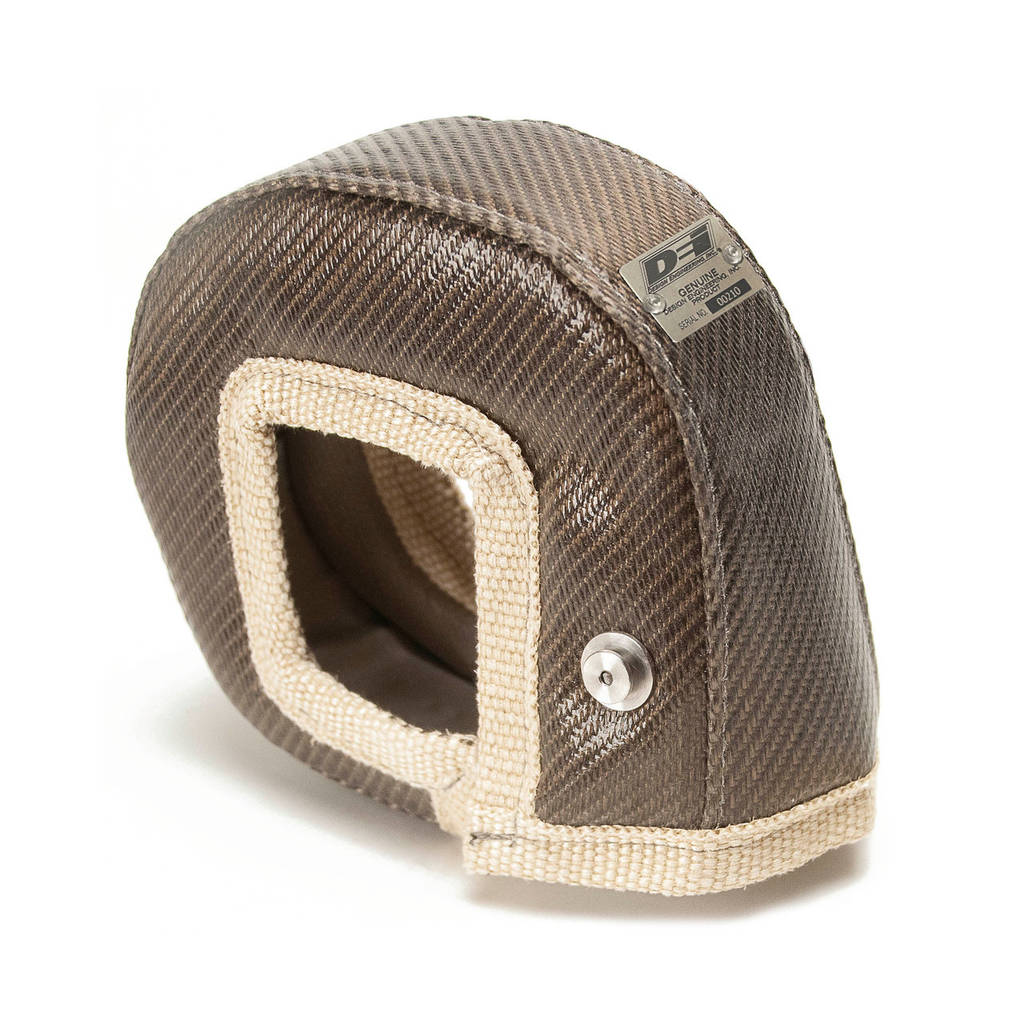
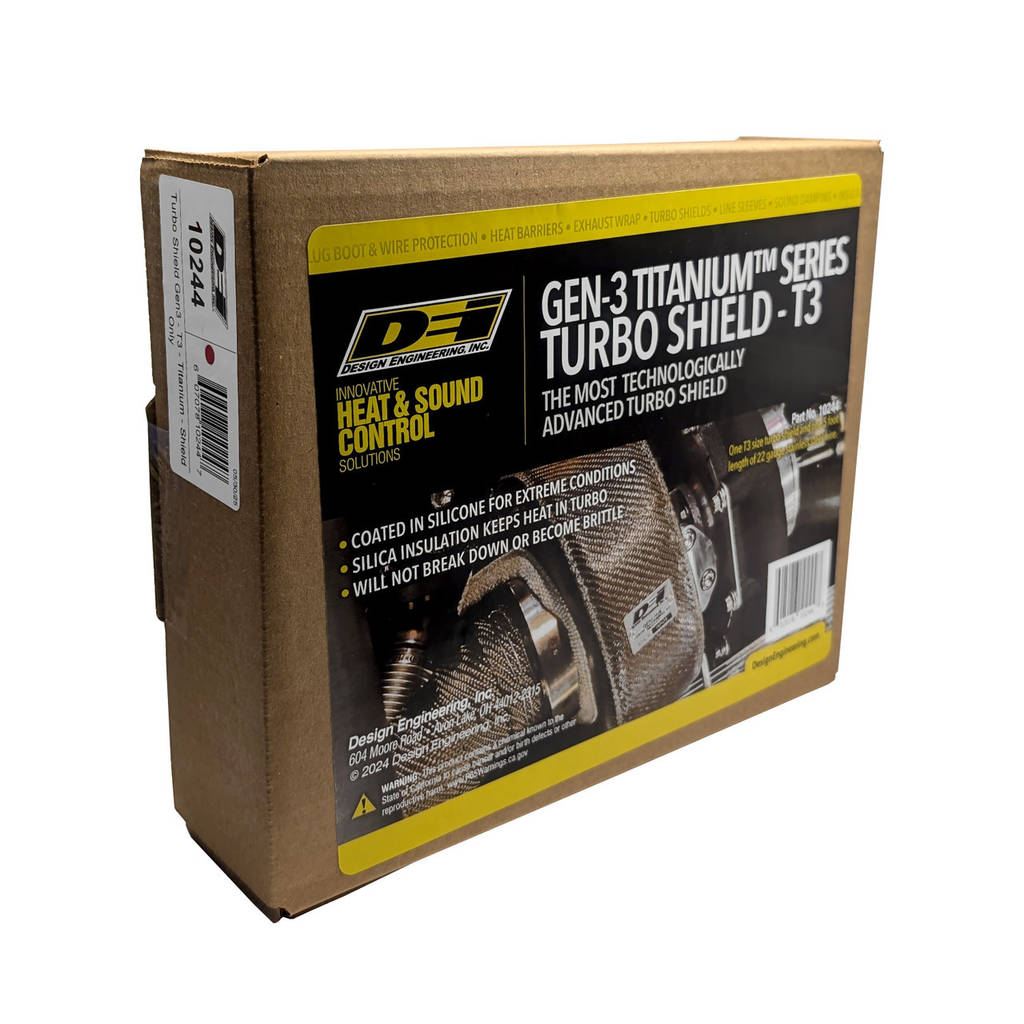
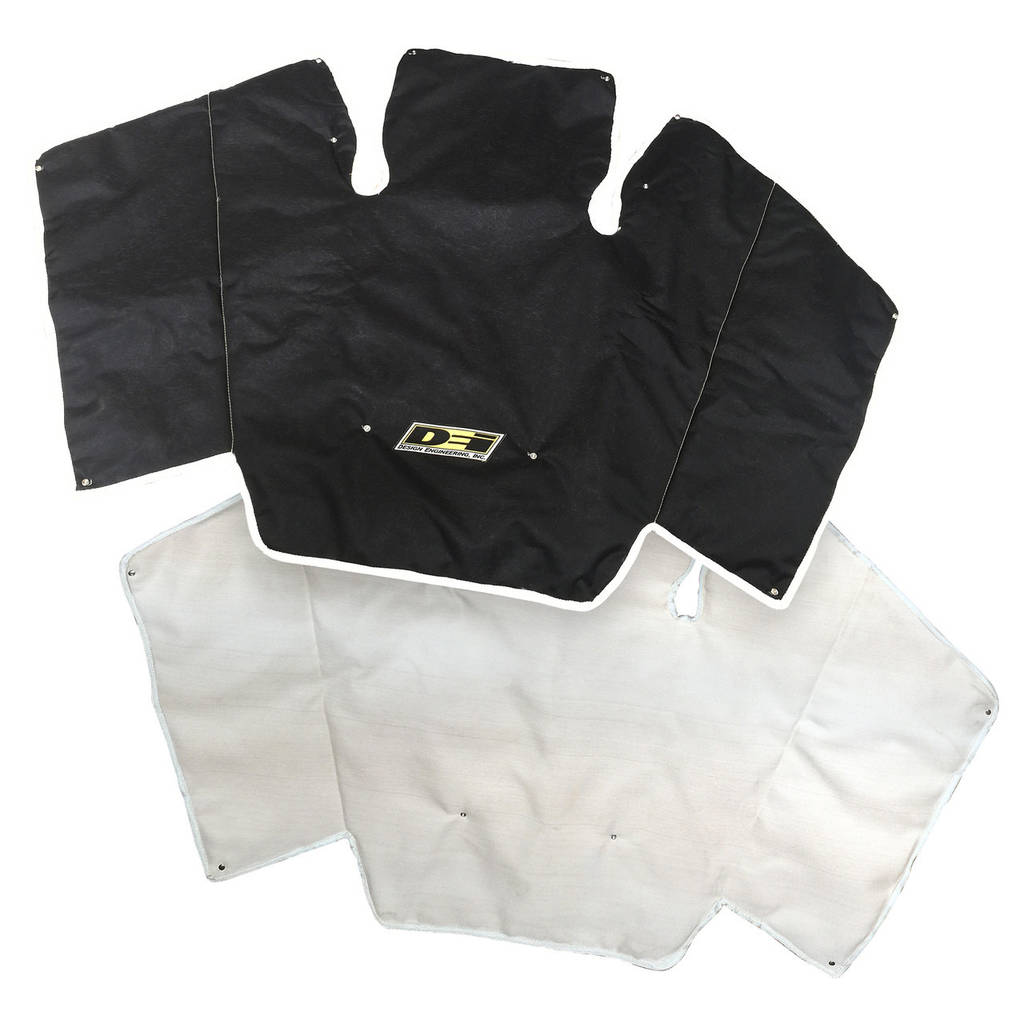
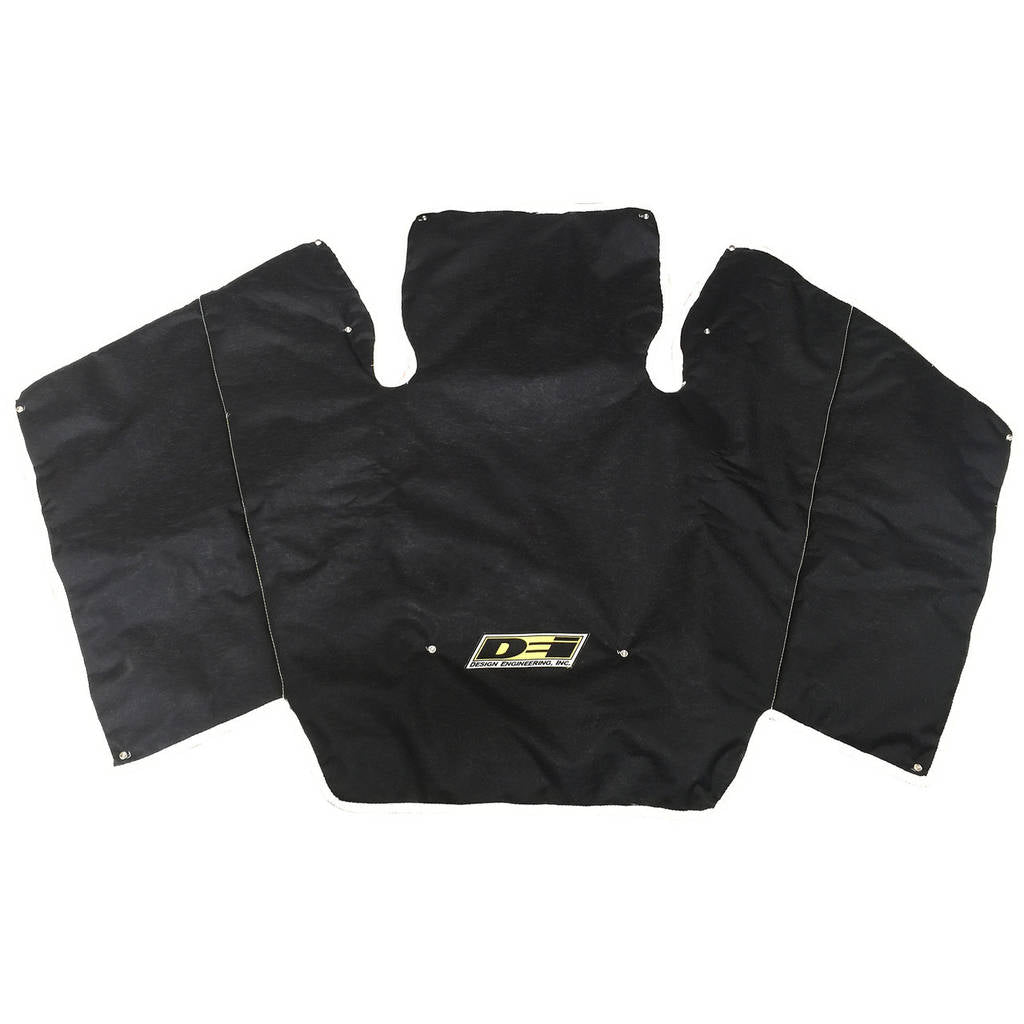
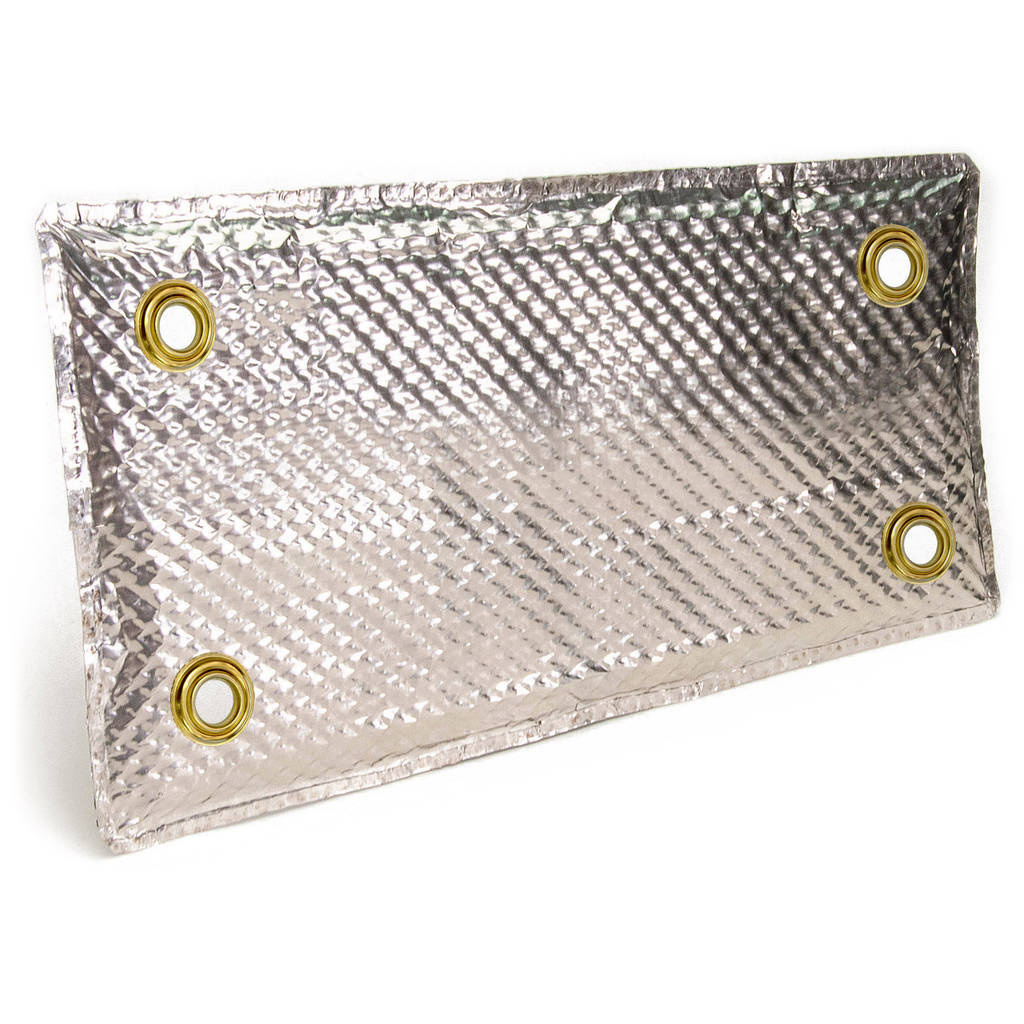
- turbo heat shields developed to reduce radiant heat from turbocharger housings
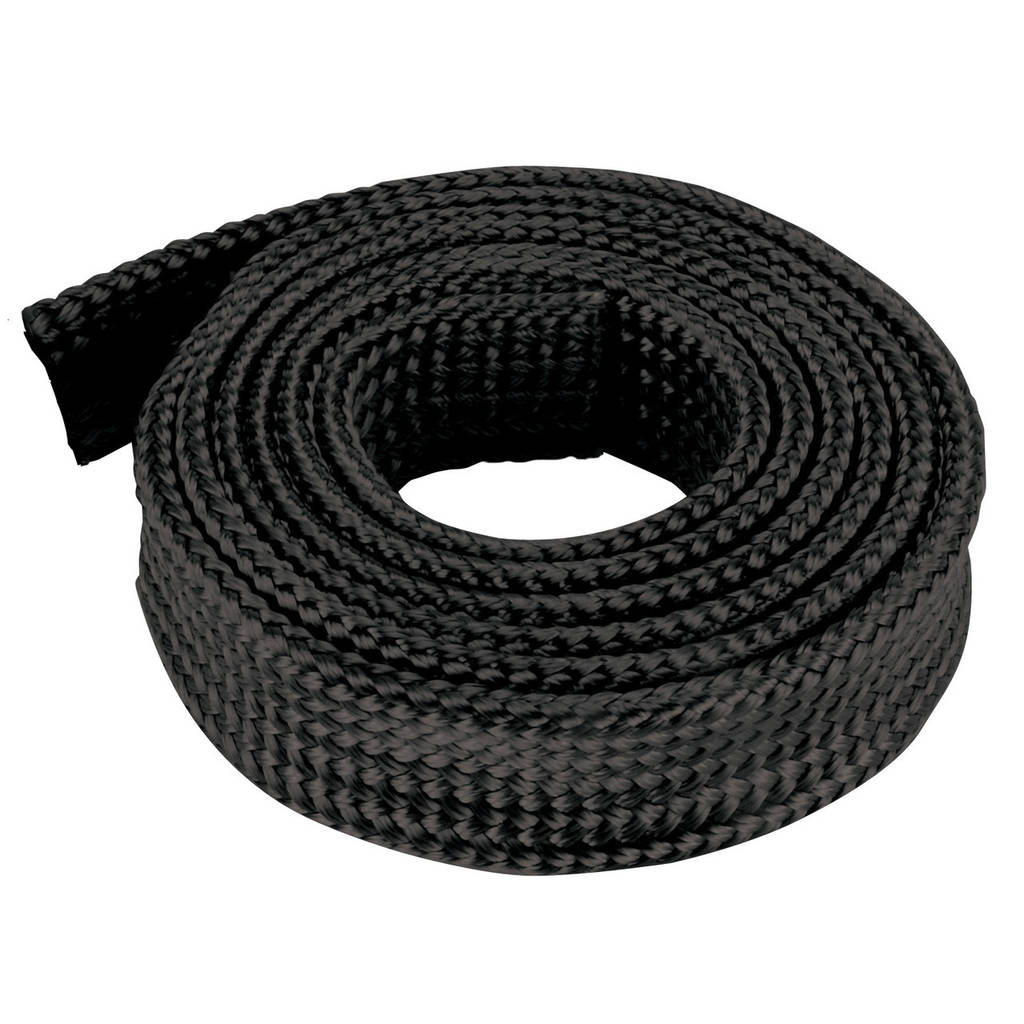
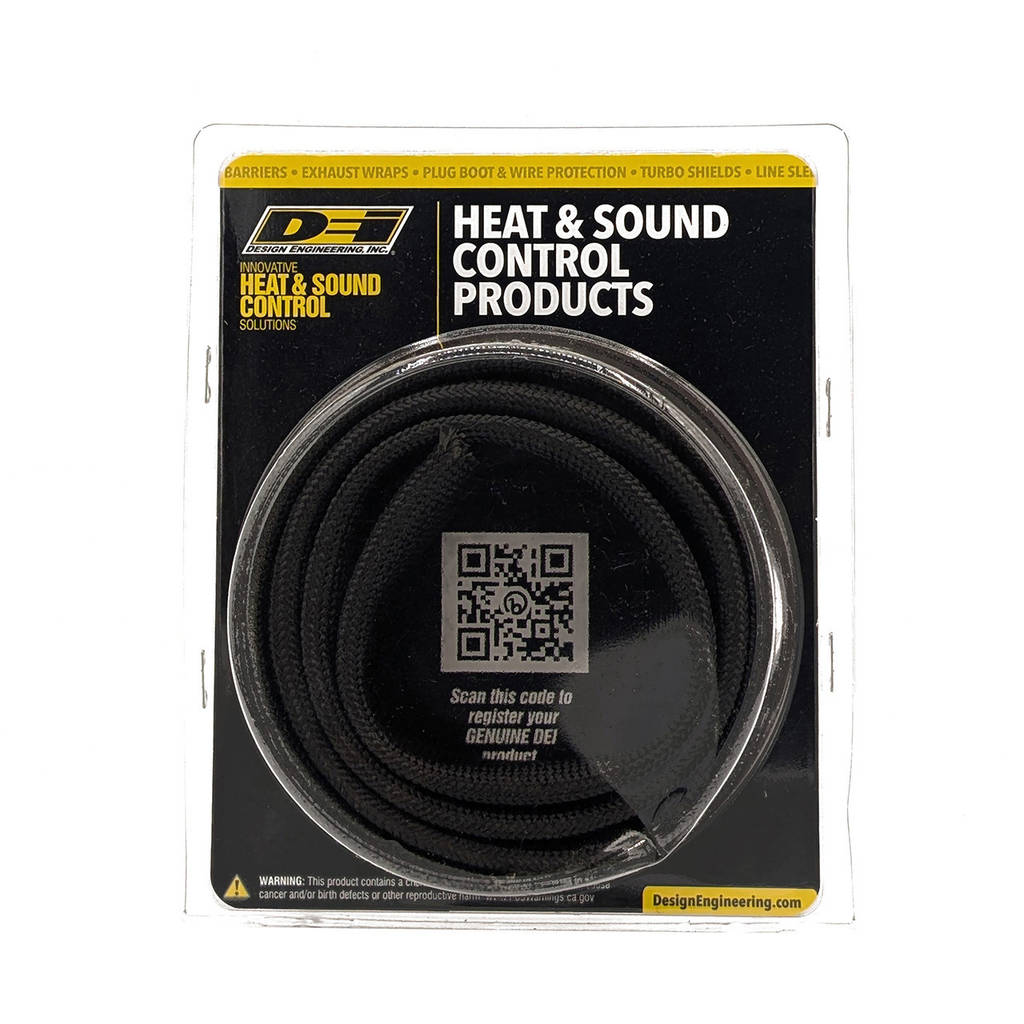
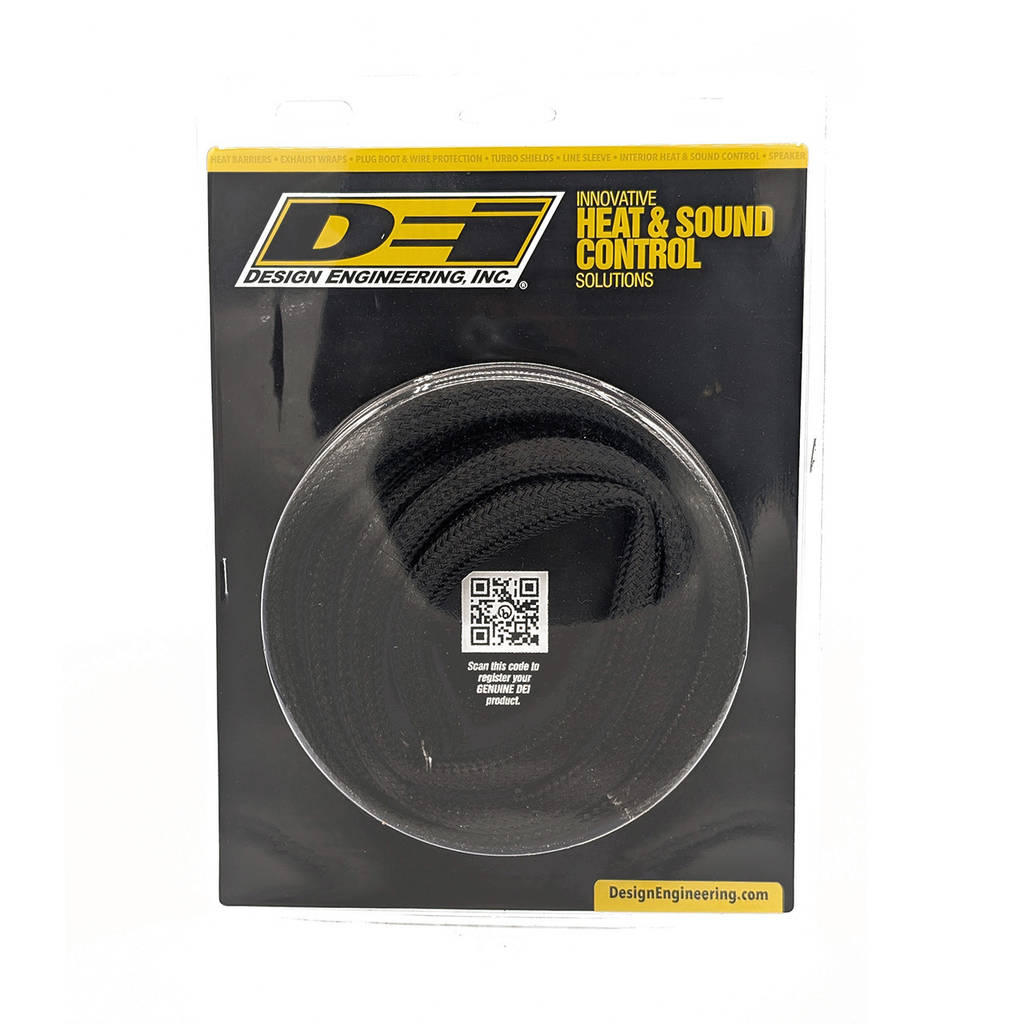
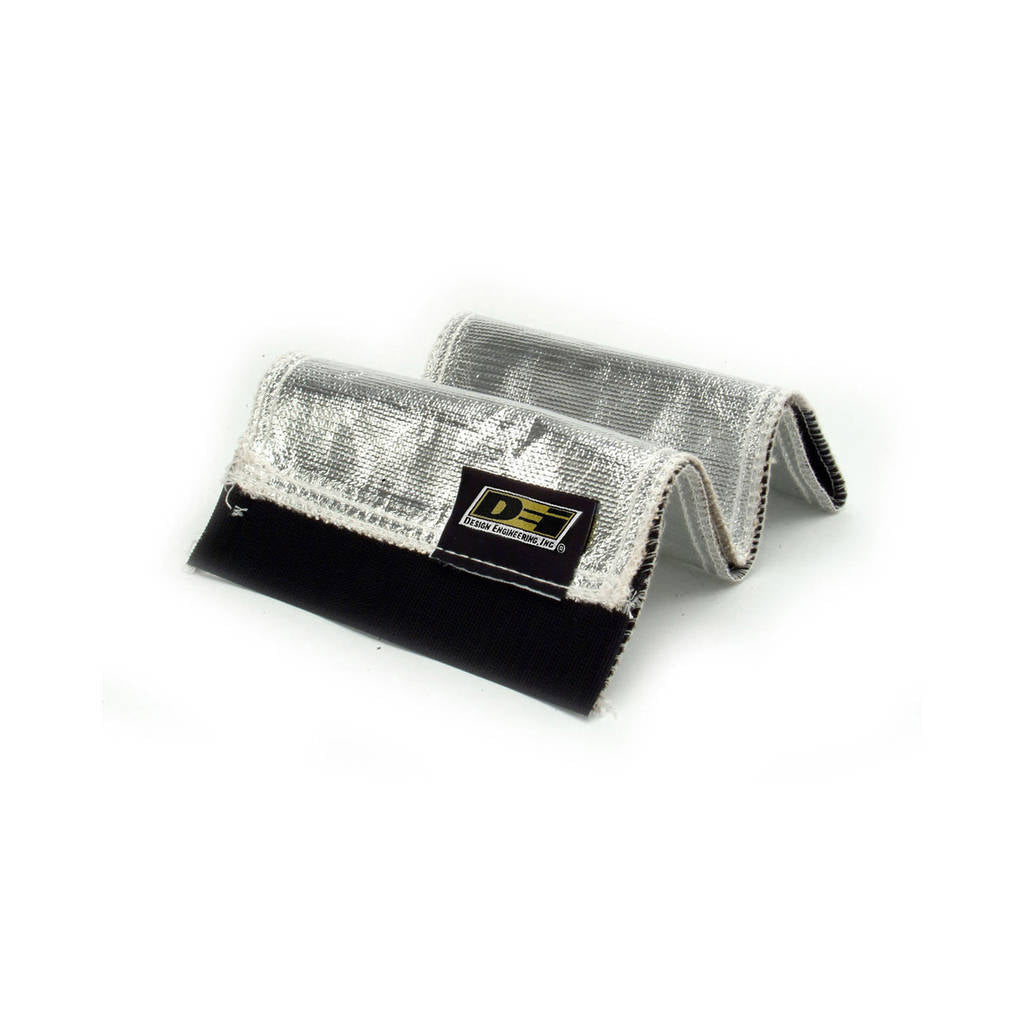
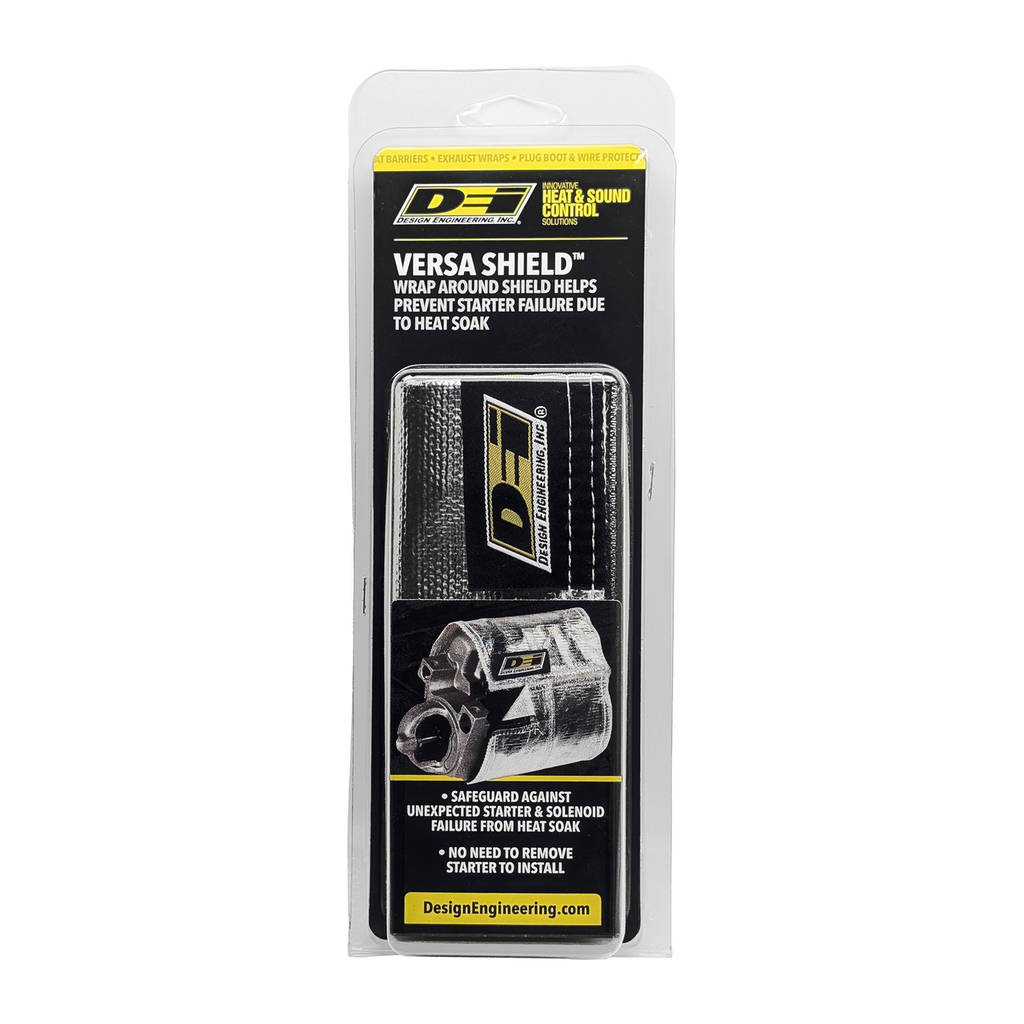
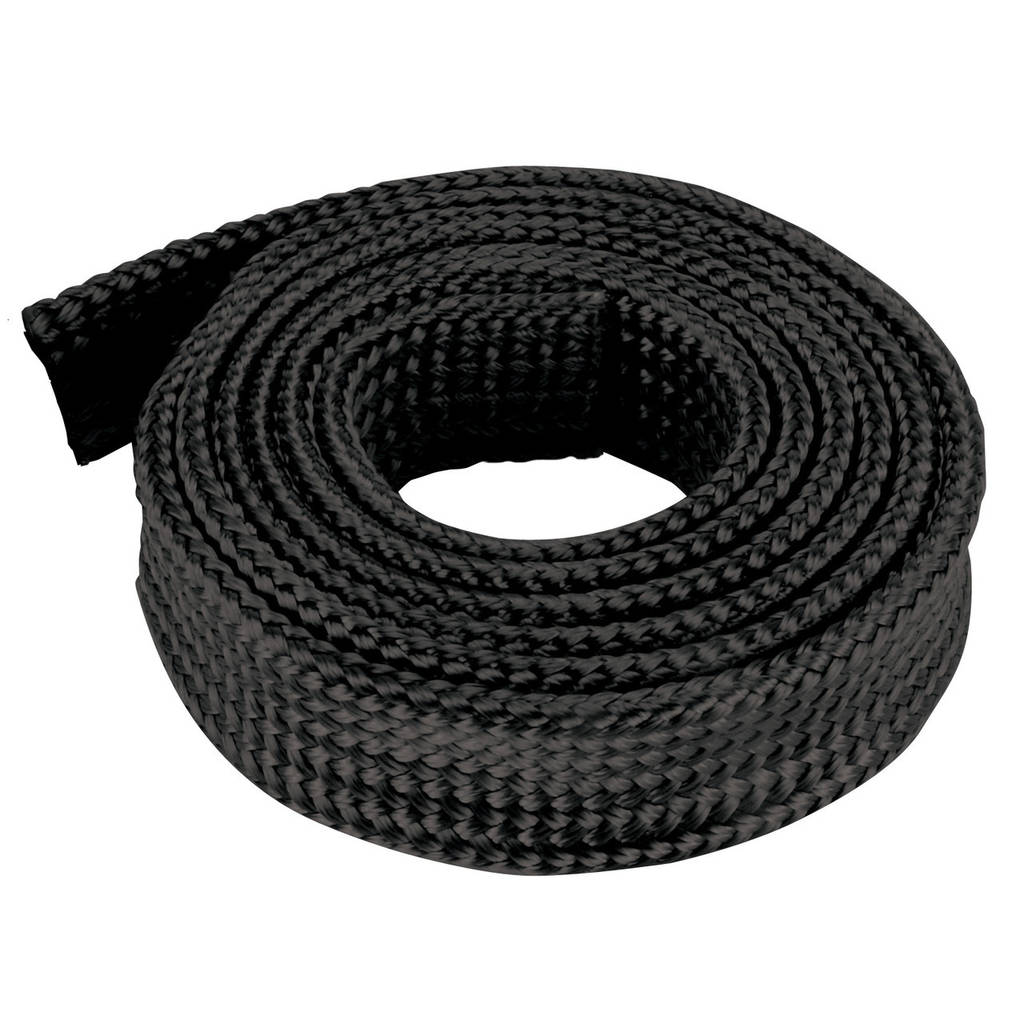
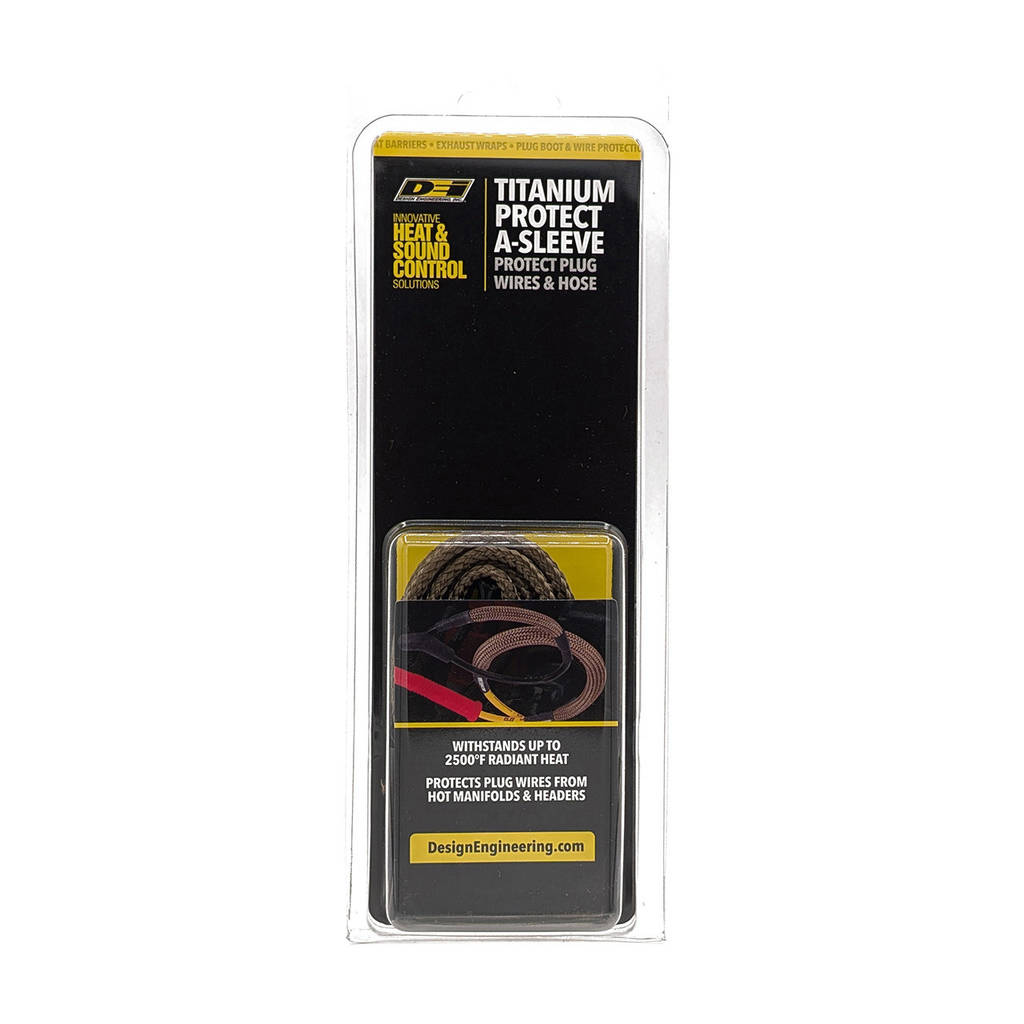
- heat protection sleeves for hoses, fuel lines, and electrical wiring
- thermal sprays and adhesives used to apply insulating coatings to vehicle components
These heat protection products are frequently used in combination to create comprehensive thermal management systems within performance vehicles. By applying insulation to heat sources and shielding surrounding components, builders can better control temperature distribution within the engine compartment.
Thermal Management in Turbocharged and Performance Vehicles
Turbocharged engines are among the most thermally demanding automotive systems. Turbocharger housings and exhaust components often operate at extremely high temperatures, especially during high-load driving conditions. The heat produced by these components can affect nearby hoses, sensors, wiring, and intake systems if appropriate shielding is not installed.
Performance vehicles and modified street cars frequently incorporate thermal management products to reduce the impact of heat generated by upgraded exhaust and turbo systems. Exhaust wraps help contain heat within exhaust piping, while turbo heat shields reduce radiant heat emitted from the turbocharger assembly. Protective sleeves can be installed over fuel lines, coolant hoses, and electrical wiring to prevent thermal damage caused by proximity to hot engine components.
Track-prepared vehicles often experience extended periods of high engine load, which can significantly increase engine bay temperatures. During sustained acceleration and high RPM operation, exhaust systems produce a continuous flow of high-temperature gases. Thermal protection products help ensure that surrounding components remain within safe operating temperature ranges, improving the reliability of performance builds.
Vehicles operating in hot climates place additional thermal stress on engine bay components due to elevated ambient temperatures. In these conditions, the combination of engine heat and environmental heat can accelerate the degradation of hoses, wiring insulation, and electronic components. Effective heat management systems become particularly important for maintaining long-term reliability in these environments.
Selecting Heat Protection Solutions for Performance Vehicle Builds
Choosing the appropriate heat protection components requires careful evaluation of where heat is generated and how it moves through the engine bay. The location of the exhaust manifold, turbocharger, and downpipe often determines where insulation or shielding will be most effective. Builders typically focus on isolating major heat sources while protecting nearby components that may be sensitive to high temperatures.
Exhaust wraps are commonly installed on manifolds, headers, and downpipes where heat concentration is highest. By containing heat within these components, the wrap reduces the amount of radiant heat released into the engine bay. Turbo heat shields serve a similar purpose by creating a barrier that prevents turbocharger heat from reaching adjacent parts.
Protective sleeves and insulating barriers are frequently used for fuel lines, coolant hoses, and electrical wiring routed near hot engine components. These sleeves are designed to withstand high temperatures while maintaining flexibility and durability. Thermal sprays may also be applied to metal surfaces to create additional insulating layers that help reflect heat away from critical areas.
Effective heat management often involves combining multiple protective solutions throughout the engine bay. By strategically applying insulation materials and shielding barriers, vehicle builders can maintain more stable thermal conditions and reduce the risk of heat-related component failures.
Design Engineering (DEI) Components Available at ATOMIC-SHOP
ATOMIC-SHOP offers a range of Design Engineering thermal management components developed for performance vehicles and motorsport applications. The available selection includes exhaust wraps, turbo heat shields, protective sleeves for hoses and wiring, thermal sprays, adhesives, and additional mounting components used to secure insulation materials within the engine bay.
These products are commonly used in performance builds where turbocharged engines, high-performance exhaust systems, and increased engine output generate significant thermal loads. By incorporating effective heat management solutions, vehicle builders can protect surrounding components, stabilize engine bay temperatures, and improve the durability of performance vehicles operating under demanding conditions.