
Special order
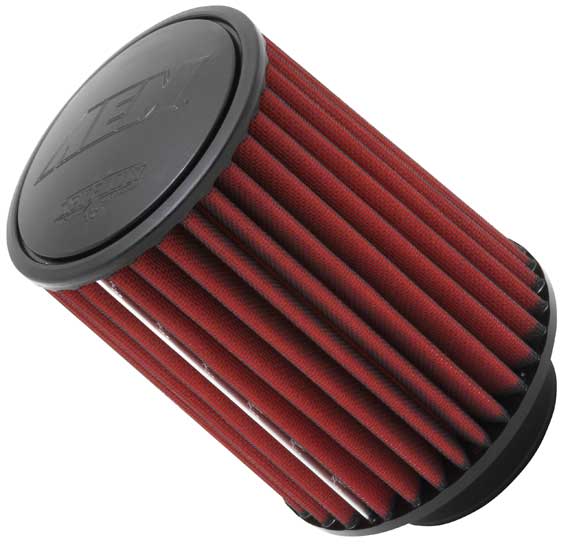
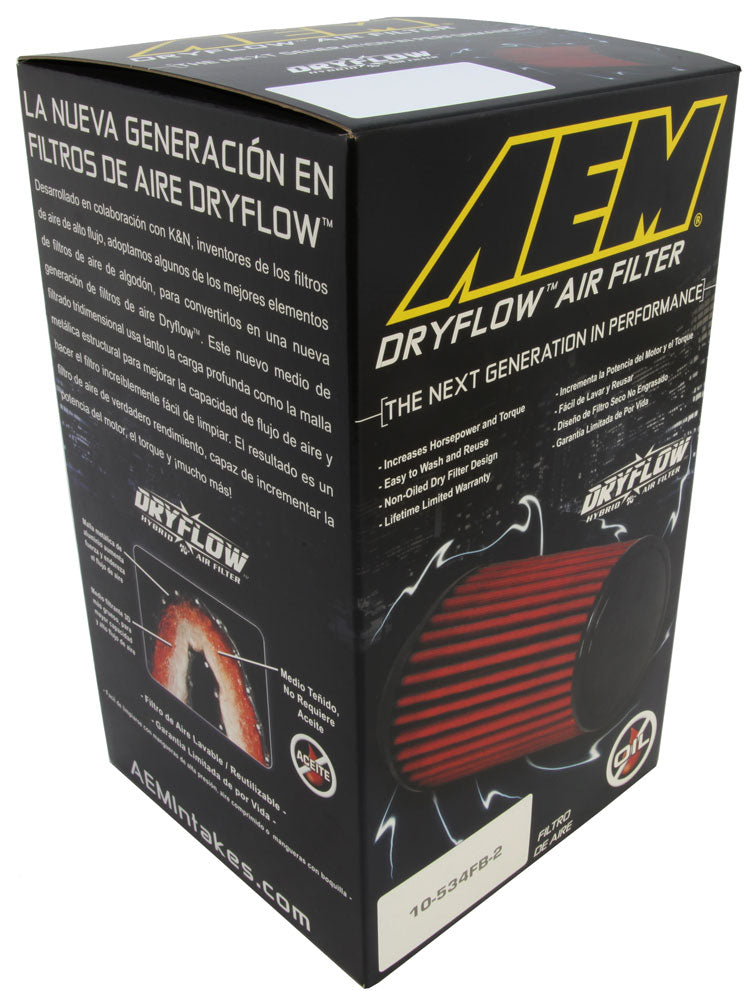
Special order
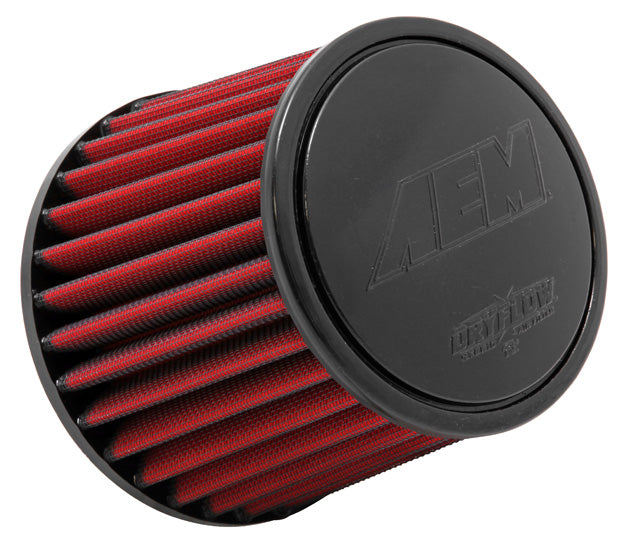
Special order
Special order
Special order
Special order
Special order
Special order
Special order
Upgrade Your Engine's Breathing: A Guide to Air Filters
A performance air filter is often the first and most effective upgrade for any engine. By allowing more air to enter the engine with less restriction, it can increase horsepower, torque, and throttle response. However, not all filters are created equal. Use our "Product type" filter and this guide to find the perfect solution for your vehicle.
Step 1: Choose Your Filter Type
The right choice depends on your performance goals and budget. We've categorized our products to simplify your decision:
- Panel Filters (Drop-in): The easiest upgrade. These filters fit directly into your car's original airbox, replacing the restrictive paper filter. They are washable, reusable, and provide a noticeable performance gain for street cars.
- Intake Systems (CAI): For maximum power gains. These kits replace the entire factory airbox and piping with a high-flow filter and smooth, larger-diameter tubing, drawing cooler, denser air from outside the engine bay. This is the choice for serious enthusiasts.
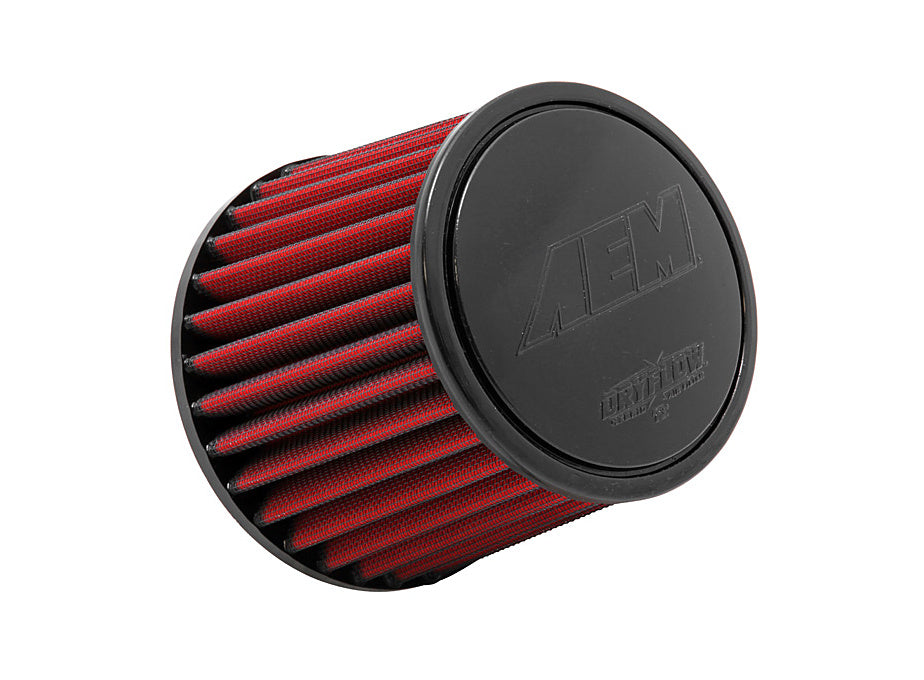
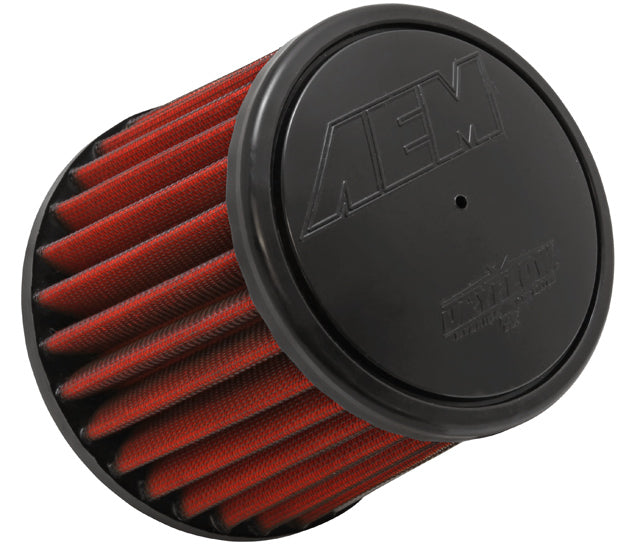
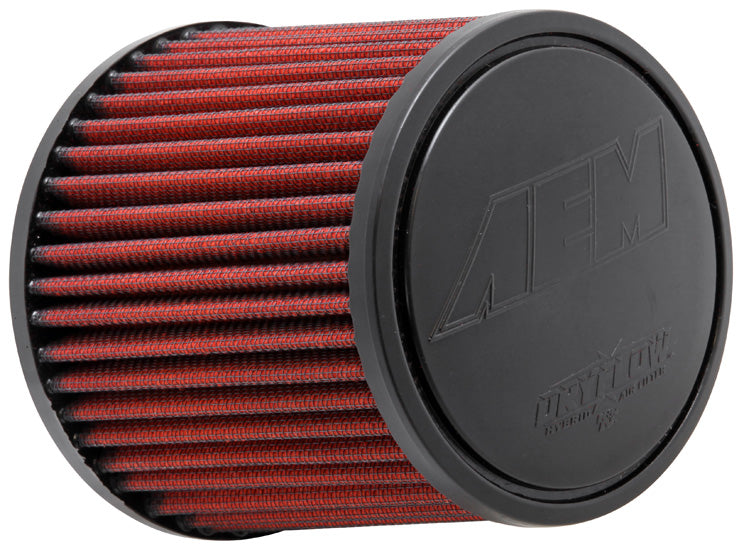
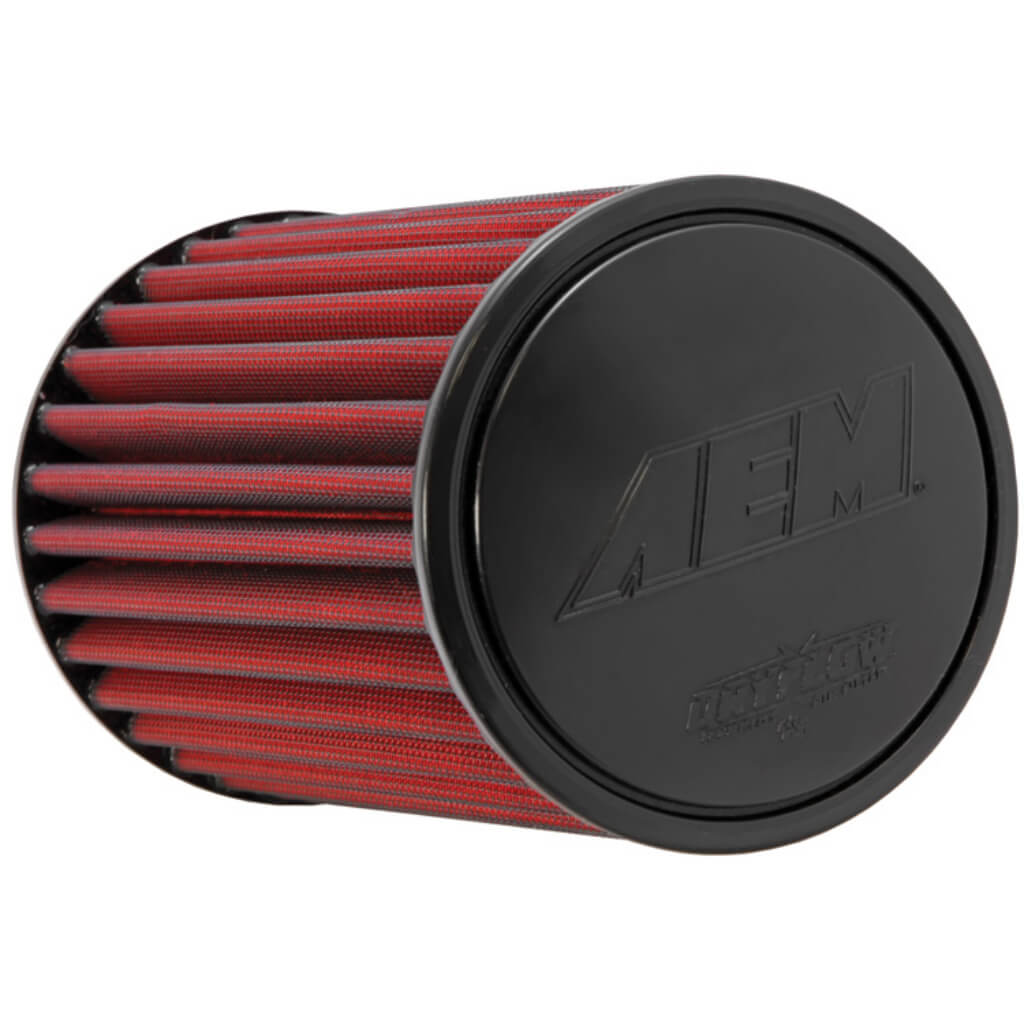
- Universal & Clamp-on Filters: For custom turbo projects or unique applications where a direct-fit system is not available.
- Service & Cleaning Kits: Essential for maintaining your washable filter. Use these kits to clean and re-oil your filter, ensuring it lasts a lifetime.
Step 2: Oiled vs. Dry — The Great Debate
This is a key consideration based on performance and maintenance preferences.
| Characteristic | Oiled Filters (e.g., K&N, BMC) | Dry Filters (e.g., AEM) |
|---|---|---|
| Filtration | Oil layer traps fine particles | Multi-layer synthetic media |
| Airflow | Highest potential airflow | Excellent airflow, slightly less than oiled |
| Maintenance | Requires washing and re-oiling | Requires washing (no oil needed) |
| Best For | Maximum performance, racing applications | Easy maintenance, sensitive MAF sensors |