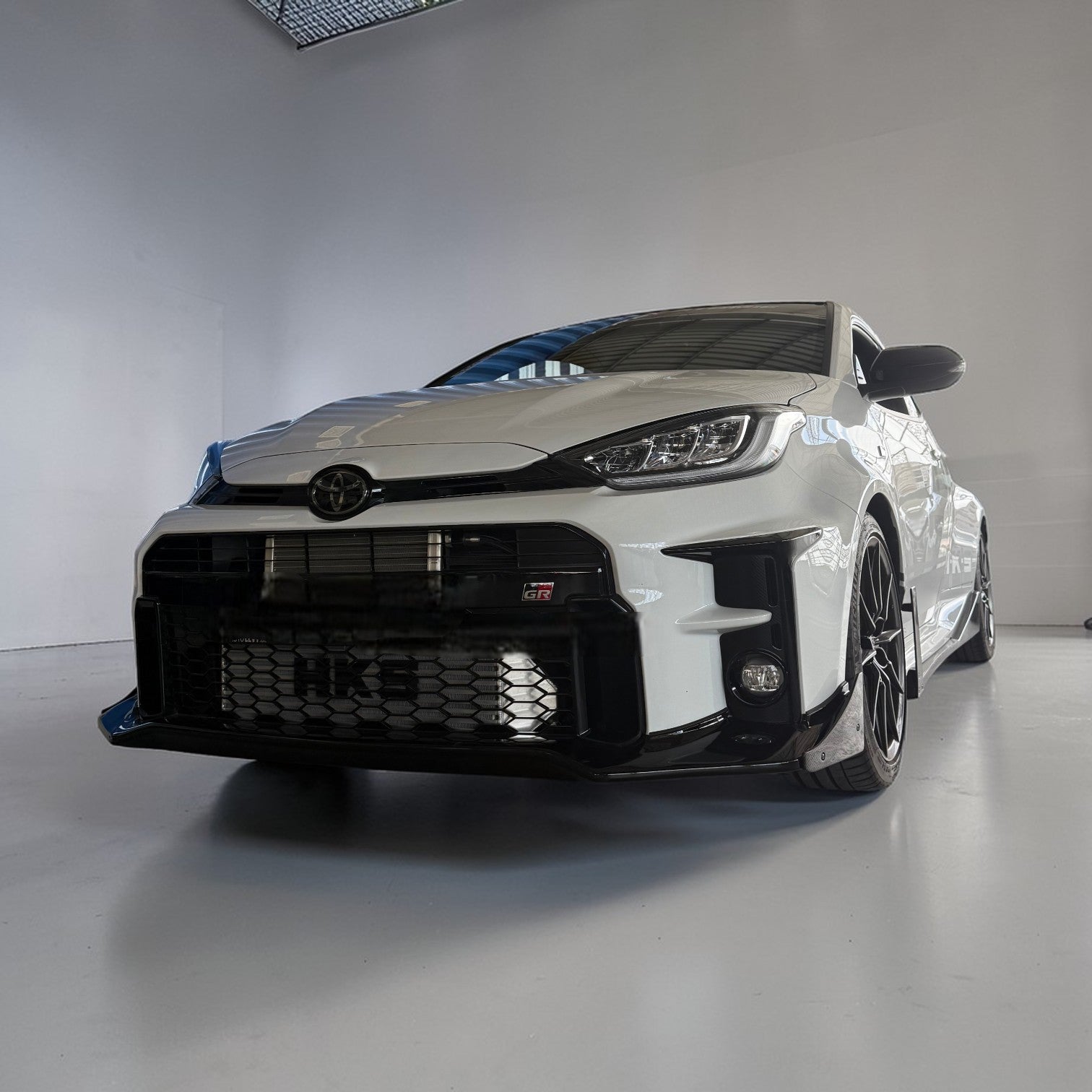
There is a moment every driver knows. You are on the back straight of the Dubai Autodrome, or perhaps cruising legally on a highway, and the speedometer climbs past 140 km/h. Suddenly, the steering wheel feels… light. The car doesn’t feel "planted" anymore; it feels like it’s floating.
This is not a suspension issue. This is air.
At low speeds, air is just something you breathe. But as speed increases, air becomes a thick, heavy fluid. It can either be your best friend, pushing your tires into the tarmac for incredible grip, or your worst enemy, lifting your car off the ground and creating dangerous instability.
At ATOMIC-SHOP, we believe you should know exactly what you are bolting onto your car. Is it just for show, or does it actually work?

How to Know if You Need Aero?
While aerodynamic forces are always present, they become a dominant factor once you cross the 100 km/h threshold. Ask yourself these three diagnostic questions:
- Does your car feel unstable or "floaty" at high speeds? If steering feels vague, your car is likely suffering from "lift." You need aero components to cancel this out.
- Are you looking for more grip in fast corners? Mechanical grip handles low-speed corners, but in high-speed sweepers (like Yas Marina), you need downforce to corner faster without sliding.
- Is your primary goal visual impact? If you are building a show car, you might prioritize a widebody kit for aggressive stance over wind-tunnel-tested splitters.
Explore our full range of Body Kits & Aero Parts at ATOMIC-SHOP.
The Difference Between a Spoiler and a GT Wing
These terms are often used interchangeably, but physically, they serve completely different purposes.
The Spoiler: Reducing Lift and Drag
A spoiler "spoils" the airflow. When air flows over the roof, it creates a turbulent low-pressure wake behind the trunk that pulls the car backward (drag). A spoiler disrupts this flow, killing lift and making the car more stable at highway speeds.
The GT Wing: Creating Downforce
A GT Wing (airfoil) works like an inverted airplane wing. It creates a low-pressure zone underneath that effectively sucks the rear of the car down toward the road. Note: Downforce always creates drag, which may affect top-end acceleration.

A Guide to Materials: Not All Carbon Is Created Equal
At ATOMIC-SHOP, we want customers to understand why prices vary so significantly between composite parts. It all comes down to the manufacturing process.
- FRP (Fiberglass Reinforced Plastic): The aftermarket standard. Flexible and easy to repair, but heavier than advanced composites.
- "Wet" Carbon (The Cosmetic Choice): Resin is painted over carbon cloth. It looks beautiful and glossy but is often a single layer over fiberglass, making it heavy and primarily for style.
- "Dry" Carbon (Pre-preg / Autoclave): The motorsport standard used by brands like Varis and Voltex. Baked under high pressure, it is incredibly light and stiff.
| Material | Weight | Cost | Strength | Best For |
|---|---|---|---|---|
| FRP (Fiberglass) | Standard | $$ | Good | Street Style, Drifting |
| "Wet" Carbon | Lighter than Steel | $$$ | Very Good | Show Cars, High-End Street |
| "Dry" Carbon (Pre-preg) | Lightest | $$$$$ | Exceptional | Professional Motorsport |
Common Mistakes in Aerodynamics
Aerodynamics is a system; balance is everything. A common myth is that a huge GT wing alone makes a car safer. In reality, a massive rear wing without a Front Splitter creates a "see-saw" effect, lifting the nose and causing dangerous understeer at high speeds.
Functional aero is about efficiency generating the most downforce for the least amount of drag.
Conclusion: Form, Function, or Both
If you are building a car for the Dubai Autodrome, focus on Dry Carbon and balanced downforce. If you are building for the street, FRP or Wet Carbon offer the perfect blend of durability and aggression.
Don't just bolt on plastic—engineer your ride with ATOMIC-SHOP.